





ASIMELEC augura un 2010 ‘crítico’ en las TIC si persiste el recorte de inversión pública
La Patronal demanda una apuesta real por las Tecnologías de la Información y las Comunicaciones basada en el valor económico que aportan a la economía de cara a repuntar un año que ha cerrado con una caída en el sector TIC del 8%. ASIMELEC considera que el mercado de la telefonía móvil “inteligente”, el desarrollo del 3D y, en general, de toda la industria de contenidos digitales y servicios asociados a la TDT como la interactividad o la alta definición,… impulsarán este año el sector.
ASIMELEC, patronal que agrupa a las empresas de tecnologías de la información, comunicaciones y electrónica, se ha mostrado convencida que la crisis ha llegado al macrosector de las Tecnologías de la Información y las Comunicaciones (TIC). Lo ha hecho más tarde que al resto de los ámbitos económicos, pero no por ello con menos virulencia.
Según datos todavía preliminares, la industria TIC cierra 2009 con una caída global del 8%, que en algunos subsectores alcanza el 20%, a manos de los recortes presupuestarios de las administraciones públicas y la decreciente inversión de las empresas en estas tecnologías, factores a los que se suma el bajo consumo privado.
El talante que mantenía ASIMELEC hace un año, con un sector que seguía al alza pese a la crisis económica general, se ha transformado en honda preocupación. Y el año que acaba de comenzar presenta un cariz crítico si, como denuncia la patronal, persiste la falta de una apuesta pública clara. De hecho, en sus previsiones más optimistas, siempre que no caiga más la demanda empresarial, ASIMELEC calcula una pérdida de negocio del 2,5% para el sector TIC para este año en España. Mientras, las previsiones de los expertos internacionales para este sector en la zona EMEA auguran un incremento del 4,5% en 2010.
Apuesta pública decidida
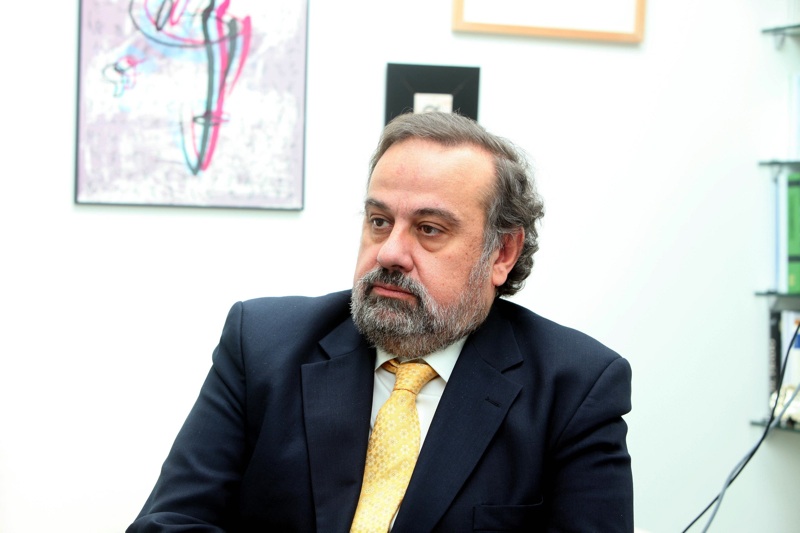
“Es necesario que España apueste por las tecnologías de la información y las Comunicaciones y fomente el desarrollo de la Sociedad Digital porque son elementos clave para mejorar la productividad, la innovación y la calidad de vida. Son la base para el desarrollo de un nuevo modelo económico sostenible”, ha afirmado Martín Pérez, presidente de ASIMELEC. En su opinión, “sin un Sector TIC fuerte es difícil que avancemos hacia el cambio de modelo económico”.
La Patronal no comprende los altibajos gubernamentales por un sector como el de las TIC, que la propia Administración ha calificado de motor para el cambio de modelo económico y se duele de la pérdida de fondos que está registrando este año la principal apuesta pública en este sentido: el Plan Avanza.
“Es preciso que las administraciones acometan acciones urgentes para que nuestra economía se beneficie de las ventajas de las TIC. Estas tecnologías contribuyen a reducir el uso del carbono y promover la sostenibilidad, a facilitar mejores prestaciones de los servicios públicos, aumentar la competitividad de nuestro tejido productivo, ayudar a nuestras empresas a competir en los mercados, a crear empleo y preparar a los trabajadores para desplegar sus conocimientos en la nueva economía digital, la economía del Siglo XXI”, ha manifestado el presidente de la patronal.
En la caída global del 8% con que cerrará presumiblemente el sector TIC 2009 han influido más gravemente los subsectores de la industria audiovisual y de la electrónica de consumo y con menos fuerza Internet, software y telecomunicaciones. El mercado de consumo, según las cifras preliminares de ASIMELEC, ha continuado incrementando en 2009 la desaceleración que comenzó en el segundo semestre de 2008. Así, las cifras del año pasado con respecto a 2008, muestran una clara tendencia negativa.
La Patronal prevé que tanto el mercado de dispositivos electrónicos de telecomunicaciones como el segmento de hardware y productos TIC y los subsectores de de electrónica de consumo y equipos de telefonía móvil mantendrán un ritmo bajista este año, aunque más moderado que en 2009.
Agenda para 2010
Con el trasfondo del apagado analógico total y a tan sólo un mes escaso del mismo, ASIMELEC celebrará del 9 al 10 de marzo en Sevilla la quinta edición de su Congreso Internacional de Televisión Digital Terrestre, Pro-TDT, que reúne cada año a los principales jugadores privados y de la Administración de este mercado y en el que se debaten todos los temas de interés que afectan al sector.
Igualmente, ASIMELEC tiene previsto para el próximo 5 de mayo en Madrid la celebración de su décimo Congreso de Telecomunicaciones, además de las próximas ediciones del Congreso de Factura Electrónica y Digitalización Certificada y el de DNI electrónico e Identidad Digital. En junio, la patronal presentará el Informe del Sector TIC en 2009. Y de cara al verano, celebrará la segunda edición de su Seminario inscrito en los Cursos de verano de la UPM, “La convergencia en las TIC”, que se celebrará en La Granja de San Ildefonso a finales del mes de julio.
ASIMELEC considera que, durante 2010, otros mercados en evolución constante activarán el crecimiento del sector TIC. Así esperan un crecimiento en el mercado de la telefonía móvil “inteligente” de la mano de los smartphones y los sistemas operativos táctiles, el desarrollo del 3D y, en general, de toda la industria de contenidos digitales que impulsarán la Internet del futuro, apoyado por nuevos mercados como el del Hogar Digital que permitirán aportar una nueva y mayor oferta al actualmente decaído sector de la vivienda.
Otros hitos como el cada vez más cercano apagado analógico y con él, el desarrollo servicios asociados a la TDT como la interactividad, la alta definición,… también impulsarán este año el sector. Para todo esto será necesario el despliegue de redes de telecomunicaciones de nueva generación, cuya implantación permitirá dinamizar estos mercados.
ASIMELEC también prevé crecimientos en el mercado del software especialmente de control y gestión empresarial y con funciones de Business Intelligence, en un momento en el que más que nunca todas las organizaciones han de apostar por la sostenibilidad, el control y la eficiencia, necesidades que por otra parte contribuirán al despegue y desarrollo de las Green TIC. ASIMELEC cree que el Medio Ambiente dentro de la industria TIC, puede ser uno de los sectores a tener en cuenta en el proceso de recuperación económica, dotando a nuestra economía de un modelo estructural productivo, y no especulativo, como motor de desarrollo y crecimiento.
Según José Pérez, “nos encontramos ante un nuevo subsector que puede ser generador de riqueza con la creación de nuevos modelos de negocio, tales como plantas de reciclaje, dinamizando con ello sectores tradicionales, lo cual adquiere una especial relevancia teniendo en cuenta la situación económica actual”.
Did you like this article?
Subscribe to our NEWSLETTER and you won't miss anything.
Related articles
 Las minicámaras de Proton estrenan capacidades de recorte, panorámica e inclinación
 The president of Telefónica predicts the birth of a “platform economy”
 BBC anuncia un recorte de plantilla de más de un millar de profesionales
 El hipersector de las TIC persiste en su contracción en 2013
El Consejo de RTVE propone al Gobierno reducir el recorte a 80 millones
RTVE encara 2012 bajo la espada del recorte presupuestario
El hipersector de las TIC persiste en su contracción en 2013
El Consejo de RTVE propone al Gobierno reducir el recorte a 80 millones
RTVE encara 2012 bajo la espada del recorte presupuestario
 Eric Schmidt predicts that 2012 will be a very good year to relaunch Google TV
 Audiovisual MAC 2010: proximity and effectiveness in investment
 Merger between the employers' associations ASIMELEC and AETIC
 Internet, new DTT and pay channels, the only media whose advertising investment will grow in 2010
 For ASIMELEC there is no rush in paid DTT
 ASIMELEC complains about the exclusion of ICT in the Audiovisual Law
 ASIMELEC demands to withdraw the tax from telecoms
ASIMELEC rechaza el modelo de financiación de la tv pública propuesto por el Gobierno
ASIMELEC demands to withdraw the tax from telecoms
ASIMELEC rechaza el modelo de financiación de la tv pública propuesto por el Gobierno