





ISID, Telindus, Techex and Sgi digitize audiovisual management in Moncloa
ISID, Telindus y Techex con equipamiento informático y consultoría de Sgi han llevado a cabo un complejo proceso de digitalización del sistema de grabación, gestión y edición de los contenidos audiovisuales y radiofónicos que se lleva a cabo desde la Secretaría de Comunicación del Ministerio de Presidencia.
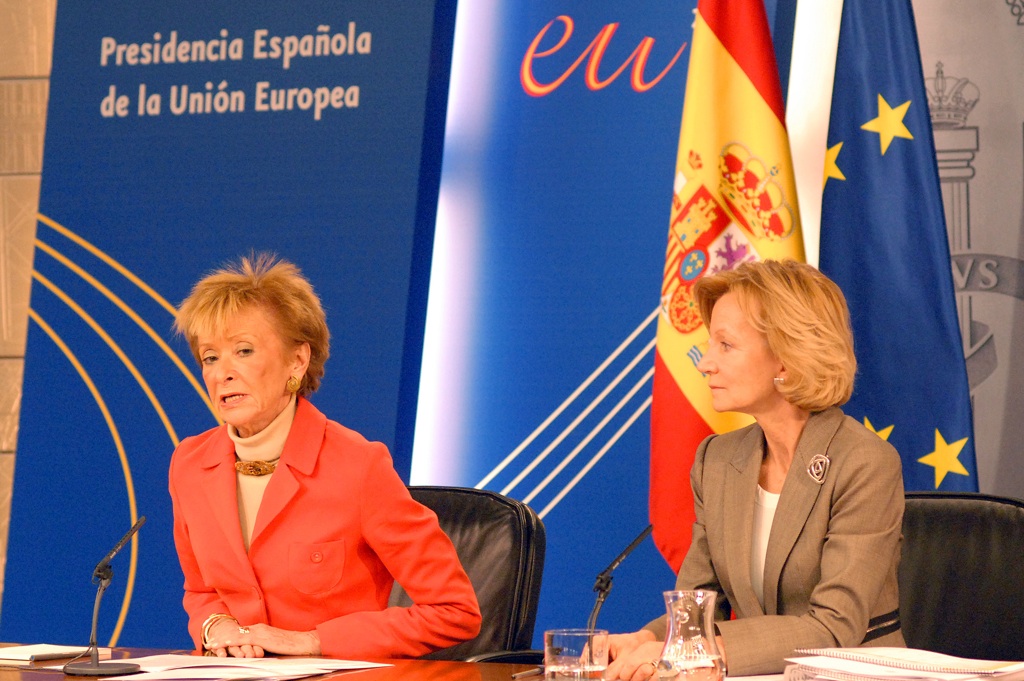
La Secretaría de Estado de Comunicación del Ministerio de la Presidencia en el Palacio de La Moncloa ha implementado un nuevo sistema digital para la grabación, gestión y edición de contenidos audiovisuales y radiofónicos. ISID, Telindus y Techex con equipamiento informático y consultoría de Sgi han llevado a cabo un complejo proceso de digitalización
ISID se ha responsabilizado del desarrollo y adaptación del software Videoma a las exigencias del proyecto; Techex, en estrecha relación con ISID, ha definido la arquitectura del proyecto, encontrando el flujo de trabajo más adecuado que aprovechara al máximo las capacidades de Videoma; Telindus ha llevado a cabo la consultoría e integración de toda la plataforma necesaria consiguiendo una inmejorable optimización de los recursos disponibles, además de la monitorización 24×7 del sistema y SGI ha aportado la consultoría y servicios relacionados con el hardware y software HSM involucrado en el proyecto.
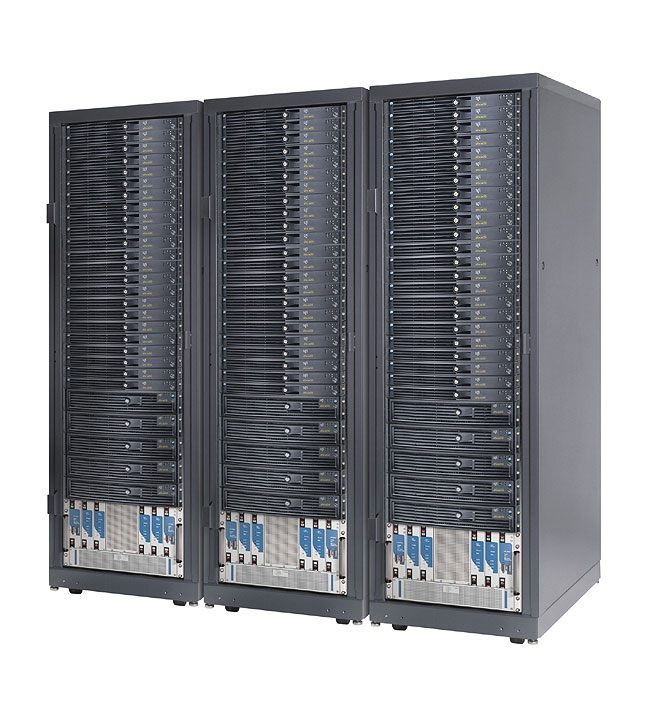
El sistema implementado en Moncloa permite la grabación, gestión, edición y monitorización de hasta 36 canales de radio y televisión. El subsistema de almacenamiento SGI IS220, calculado para la grabación de unas 384 horas diarias de vídeo y 216 horas diarias de radio tiene una capacidad en bruto de almacenamiento on line de 38 TB.
El almacenamiento histórico de todo el material grabado, un total del 60% de las grabaciones diarias, precisaba 73.63 TB que han sido cubiertos por la librería Spectralogic T200, suministrada por SGI.
Asimismo y debido a la necesidad de mantener on line el contenido histórico almacenado, se ha creado una virtualización de dichos contenidos para su accesibilidad por red desde cualquier PC. Esta virtualización se ha realizado mediante unos servidores HSM con el software de gestión del ciclo de vida del dato SGI DMF. Todo el acceso se realiza de una forma instantánea. Mediante este sistema de compartición de los volúmenes, es posible que tanto la grabación como la consulta se realicen de forma concurrente sobre el mismo almacenamiento, y debido a su configuración redundante, muestra una fiabilidad del 99% ante estas necesidades.
Los servidores elegidos para la instalación del software Videoma Broadcast Monitor fueron los SGI Altix XE210. Para la transcodificación de los archivos almacenados en MPEG2, en archivos Windows Media, se utilizaron los servidores de transcodificación basados también en tecnología SGI Altix XE 210. Estos servidores recogen los ficheros del almacenamiento on line y una vez transcodificados en Windows Media a 768 kbits, los depositan en el almacenamiento histórico, donde están disponibles para su consulta.
De analógico a digital
Hasta ahora todos los contenidos audiovisuales monitorizados en Moncloa eran tratados en formato analógico. Con la eminente llegada de la Televisión Digital Terrestre (TDT) y el apagón analógico, era necesario realizar una migración a un sistema adaptado a las nuevas exigencias de la TDT.
El sistema de recepción de señales DVB terrestre se ha basado en equipos Exterity, permitiendo seleccionar todos los servicios o canales que se emiten dentro de una misma trama de transporte (satélite o TDT), realizando a continuación la asignación de cada canal extraído a una dirección IP multicast, que puede ser visionada por cualquier cliente streaming de la red de datos, así como por el servidor de grabación. Mediante Videoma Broadcast Monitor se gestiona todo el enrutamiento de canales sobre direcciones IP multicast, además de planificar las grabaciones de las señales de televisión y radio existentes en la red multicast.
Videoma Broadcast Monitor dispone también de un visionador de canales de televisión o emisoras de radio en modo emisión en directo o en modo on demand, para todo aquel material ya disponible en el almacenamiento. La visualización de los canales de televisión en directo, se realiza mediante vista en modo mosaico de varios canales de televisión y la monitorización de audio denominado canal activo.
El sistema permite definir fichas de documentación para organizar por temas el contenido. Los usuarios etiquetan los contenidos para una posterior búsqueda y recuperación de los mismos. Esto facilita las búsque¬das a los operadores de consola que pueden referirse a la informa¬ción, mediante la consigna de cadena, fecha y hora o bien por la documentación introducida referente al vídeo. Desde la consola de operación y a través del interfaz Web de Vi¬deoma Broadcast Monitor, el operador visualiza el contenido.
Con respecto al hardware utilizado, se implementó un subsistema de almacenamiento SGI IS220, calculado para la grabación de unas 384 horas diarias de vídeo y 216 horas diarias de radio tiene una capacidad en bruto de almacenamiento on line de 38 TB. El almacenamiento histórico de todo el material grabado, un total del 60% de las grabaciones diarias, precisaba 73.63 TB que han sido cubiertos por la librería Spectralogic T200, suministrada por SGI.
También se contó con un sistema HSM de SGI y los servidores elegidos para la instalación del software Videoma Broadcast Monitor fueron los SGI Altix XE210. Para la transcodificación de los archivos almacenados en MPEG2, en archivos Windows Media, se utilizaron los servidores de transcodificación basados también en tecnología SGI Altix XE 210.
Did you like this article?
Subscribe to our NEWSLETTER and you won't miss anything.
Related articles
 Scoutters unifies location management in the audiovisual sector in one platform
 Charmex will distribute ISID's Videoma media management and analysis software
 The Babel Cinemas in Valencia are digitized with Christie Solaria One
 Techex adds Metus Technology video management software products to its portfolio
 Ebantic y SM Data democratizan la gestión de contenidos digitales en audiovisual
 Christie y Sercine digitalizan la cadena de exhibición andaluza Cinesur
 New additions to the international ISID team
 Integration of the Sgo News system in the MAM Videoma of ISID
 ISID signs a distribution agreement with the German DVC
 Datinfo will distribute ISID in Portugal
 King Juan Carlos digitizes its video library with ISID and TSA
 NEXT’09: gestión audiovisual en un escenario cambiante
 Bainet optimizes its audiovisual management with Unitecnic and Sgi
 Videoma Local: an ISID file designed for locals