





New television, new business models
AEDETI, Asociación Española de Empresas de Tv Interactiva, ha analizado este miércoles, en una Jornada bajo el título de ‘La nueva televisión’ en la que han participado representantes de las diferentes cadenas y operadores, los retos a los que se enfrenta el mercado televisivo como la irrupción de nuevos modelos de negocio híbridos a través de banda ancha.
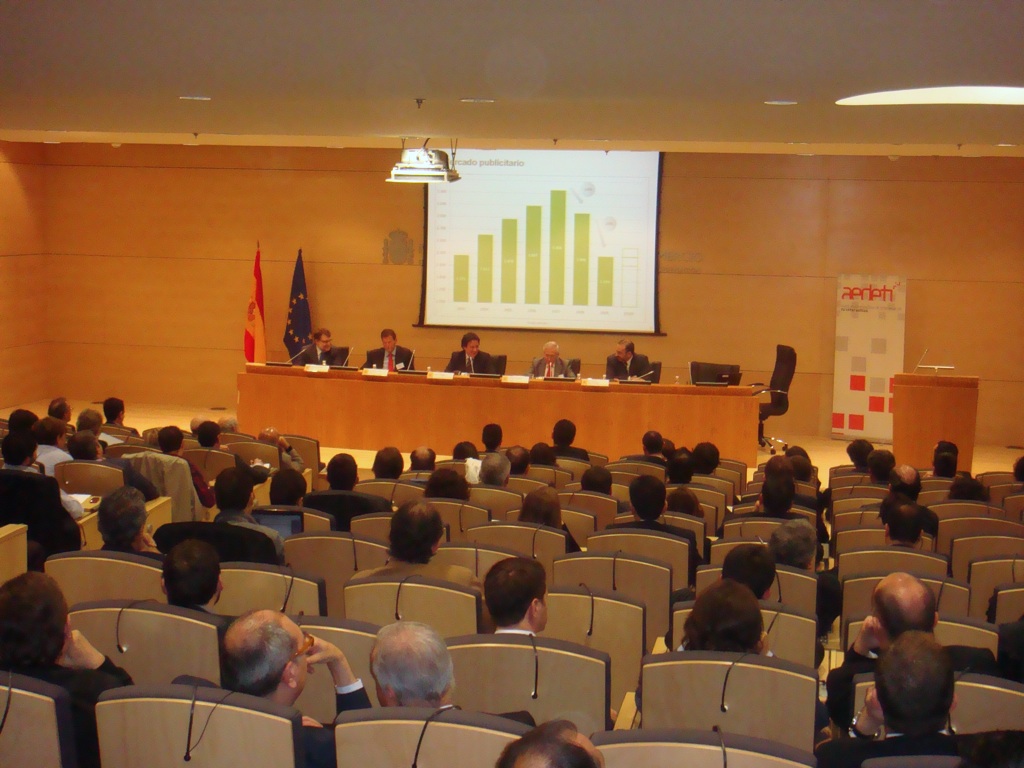
Bernardo Lorenzo, director general de Telecomunicaciones, ha destacado en la apertura de la Jornada ‘La nueva televisión’ organizada por AEDETI, que la televisión se enfrenta a importantes transformaciones que incidirán tanto en la forma de consumo como en la llegada de nuevos modelos de negocio tras el apagón. Lorenzo ha reconocido que desde el Ministerio de Industria esperan que en enero de 2015 se tengan todos los múltiples asignados habiéndose liberado la banda de 790-862 MHz, logrando así más capacidad de espectro para las televisiones que podrán ofrecer nuevos servicios adicionales.
“Todo este proceso se llevaría a cabo desde un principio de equidad tanto en capacidad espectral, como en cobertura y antenización, tratando de garantizar el mínimo impacto a los usuarios y asegurar la maximización del espectro”, ha asegurado Lorenzo.
Lorenzo ha cifrado entre 12.000 y 16.000 millones de euros lo que supondría para España la liberización de la banda 790-862 MHz para nuevos servicios de movilidad.
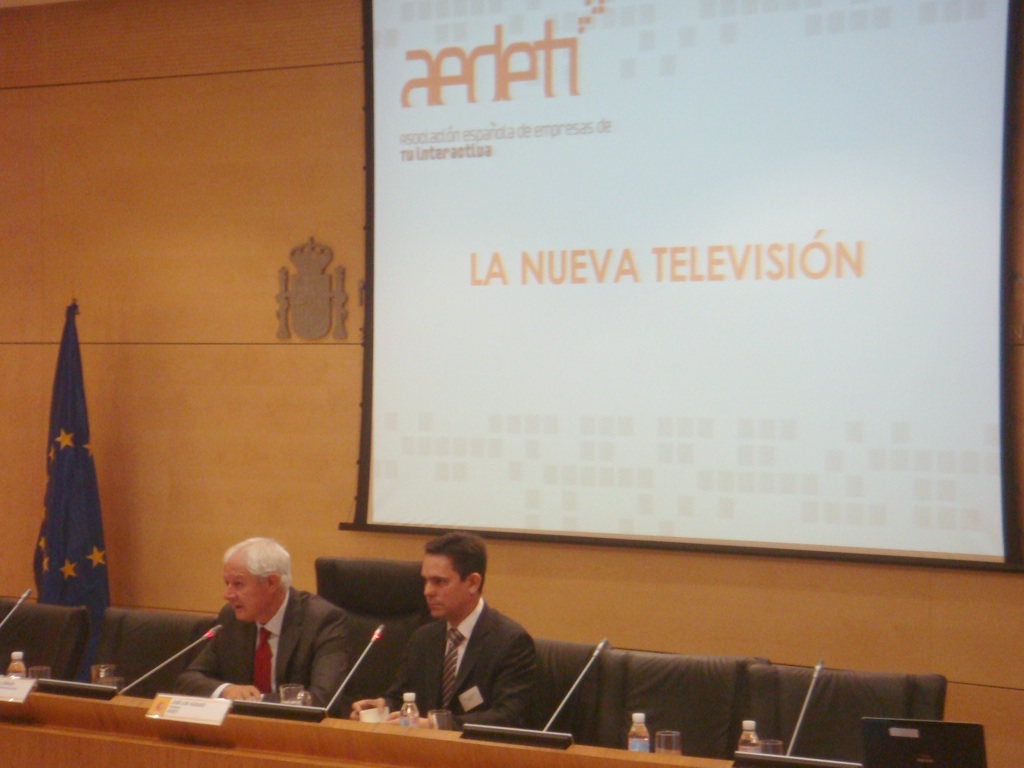 En cuanto a la alta definición, Bernardo Lorenzo ha comentado que el Real Decreto que prepara el Gobierno para regular la alta definición establece la codificación H264 MPEG-4 con una resolución mínima de 720 líneas activas. En cuanto al procedimiento para el inicio de las emisiones en HD, únicamente marca un modelo de notificación de los difusores, por lo que sólo tendrá que notificarlo al organismo administrativo correspondiente. También incluirá la obligatoriedad de que todos los televisores de más de 21 pulgadas deberán incorcorar sintonizador TDT HD.
Lorenzo ha reconocido que en lo que respecta a la televisión interactiva no ha sido posible, pese al empeño del Ministerio, lograr un consenso en la industria a diferencia de lo que ocurrió con el desarrollo de la TDT o la alta definición.
El director general de Telecomunicaciones ha hecho también referencia a los nuevos modelos de televisión híbrida tanto en aquellos que Internet es complementario como en los que viene a sustituir la difusión tradicional. “Creo que hay un campo muy interesante, de futuro, y muchos fabricantes están trabajando con estos receptores, y están apareciendo diferentes plataformas por lo que una cierta estandarización ayudaría a comercializar soluciones con mayores economías de escala”, ha señalado Lorenzo.
La televisión tridimensional también está viviendo un desarrollo notable, teniendo un futuro muy claro, “ya que representa una muy buena oportunidad para la industria española” a juicio de Lorenzo. En estos momentos el Ministerio de Industria, dentro del consorcio DVB, está trabajando en la estandarización mediante la creación de dos grupos de trabajo, comercial y técnico, que ya han empezado las primeras reuniones.
José Luis Vázquez, presidente de AEDETI, se ha congratulado durante la apertura de esta jornada por cómo se ha llevado a cabo el proceso de apagón analógico, “pero creemos que en los grupos de trabajo del Foro Técnico impulsado por el Ministerio de Industria, hay aspectos abiertos para la industria como son las cuestiones relacionadas con la alta definición o la interactividad… Nos gustaría que se creara una mesa específica para el estudio de la interactividad”. La televisión lineal toca a un punto de inflexión, ya que el espectador quiere participar en el contenido y en toda la cadena de valor, y esto supone “una oportunidad para nuevos modelos de negocio como la televisión híbrida”, a juicio de Vázquez.
El presidente de AEDETI ha abogado por retomar las reflexiones del Foro de la TV Digital (2007), para la creación de una mesa de debate específica sobre la televisión interactiva como generador de modelos de negocio. “El espectador quiere participar en los contenidos televisivos y todos los agentes implicados en el sector televisivo debemos analizar si se puede satisfacer esa demanda”.
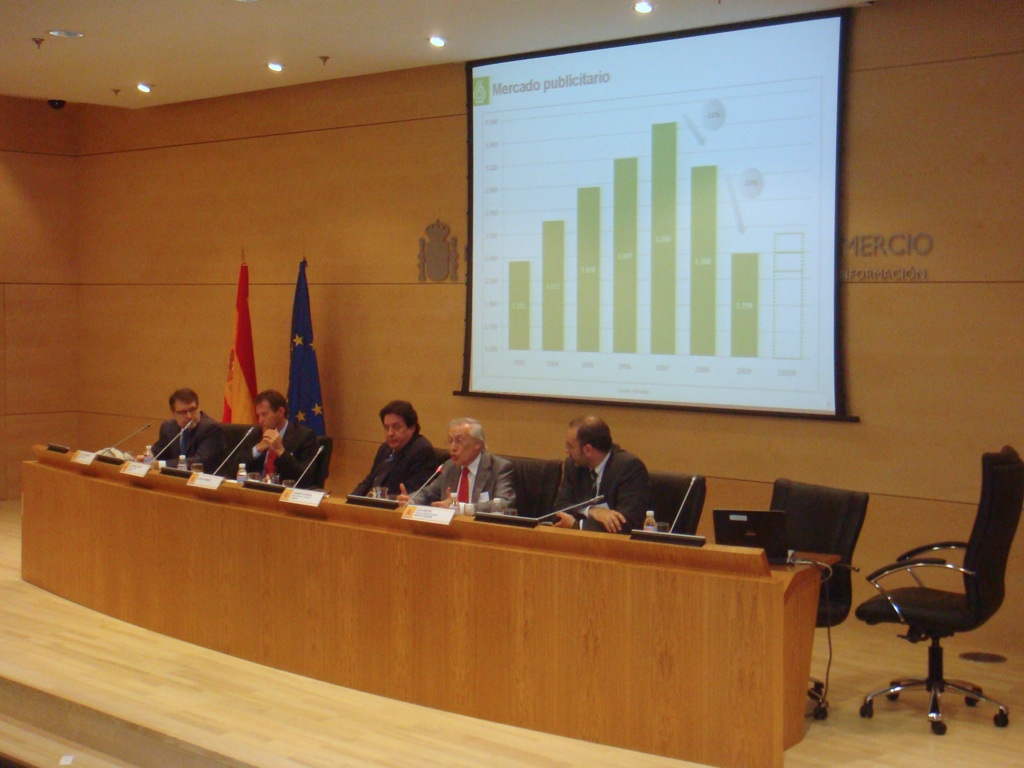
La tv después del apagado
En una mesa redonda moderada por Eladio Gutérrez, presidente de Impulsa TDT, han participado representantes de broadcasters públicos y privados así como del operador Abertis Telecom, analizando el panorama resultante después del apagado.
José Juan Gutiérrez, uno de los profesionales más implicados en el desarrollo de la televisión interactiva en el grupo RTVE, ha compartido en esta mesa una encuesta llevada a cabo recientemente por un periódico nacional entre 84.456 de la Fórmula 1 en la que se reflejan numerosas demandas relacionadas con la calidad y la interactividad (información gráfica, selección de cámara on board, alta resolución,…). Según Gutiérrez “la demanda insatisfecha son oportunidades para la competencia”. “La televisión es un flujo continuo de contenidos que se distribuyen por el aire a un público masivo, indiscriminado y pasivo. Hoy nos resulta tan extraño una televisión sin parrilla como un reloj sin manecillas en 1968”, ha añadido el directivo de RTVE.
Mirando al futuro, Gutiérrez cree que estamos ante una televisión que se verá en múltiples dispositivos y se consumirá individualmente, cualquiera podrá poner contenidos en el televisor, se competirá por el tiempo de ocio del espectador con otros dispositivos con conexión al televisor, el aumento del consumo de vídeo bajo demanda restará importancia a la parrilla, se alargará el ciclo de vida de los programas, las redes sociales tendrán mayor impacto, cada espectador alcanzado costará dinero, y el espectador será proactivo.
También ha destacado que “la competencia por el tiempo de ocio del espectador ya no se produce solo entre broadcasters, si no que también se compite contra cualquier operador que pueda poner contenidos en Internet. El aumento del consumo del vídeo bajo demanda será más importante, y serán necesarios cambios en la estructura de costes de distribución pasando de la tarifa plana de las plataformas broadcast al coste por usuario por distribución IP”.
Fernando de Miguel, director de recursos y operaciones de LaSexta, ha destacado por su parte el extremado fraccionamiento que se está produciendo en la audiencia tras el apagón analógico en el que las generalistas nacionales aglutinan el 59,4 % de la audiencia; las autonómicas el 11,3; las temáticas de TDT el 17; las temáticas de pago el 7,2 ; las locales el o,2; y el resto acumula un 5%. De Miguel ha señalado a la alta definición y a la interactividad como dos posibles alicientes para el desarrollo de nuevos servicios en un país en el que hay muchos millones de televisores.
También ha hecho un repaso a algunos de los retos a los que se enfrentan las televisiones como la explotación de diferentes fuentes de financiación (pago y abierto), y el desarrollo de una programación transversal con inversión en creatividad. De Miguel, que no ha descartado nuevos procesos de concentración en el sector, ha hecho hincapié en la necesidad de la digitalización completa de la producción con un cambio de modelo de producción bajo un esquema industrial. Por último, ha insistido en que “el público quiere ver producto, creatividad e ingenio debiendo los operadores desde un esquema de industria ofrecer el contenido que el público quiere como ocurrió el pasado domingo en Montmeló en LaSexta donde la F1 congregó más de cinco millones de espectadores en una franja matinal. Un proceso industrial en este sector será clave para un ajuste de costes en el sector que es absolutamente necesario”.
Por su parte, José María Casaos, director de tecnología en Antena 3, ha hecho hincapié en el cambio en los hábitos de consumo que se está produciendo obligando a los radiodifusores a hacer frente a nuevos agentes en el mercado del ocio social y familial en el que el proceso de convergencia jugará un papel determinante.
Según Casaos, “la estrategia de Antena 3 es el modelo 3.0 jugando con los tres canales de TDT, tanto en televisión, Internet y móvil, desarrollando una nueva forma de producir contenidos multiplataforma para que el usuario los consuma cuando, dónde y cómo quiera. Además estamos compensando una pérdida de audiencia del canal principal con los buenos resultados de Neox y Nova. La estrategia de familia de grupo de canales está optimizando nuestros ingresos trabajando de la mano con los anunciantes para que la fragmentación no impida al anunciante posicionarse a través de todas nuestras plataformas tanto en televisión, Internet, cine, radio..”
Con respecto a la interactividad, Antena 3 está llevando a cabo muchas experiencias trabajando con contenidos en Internet y en otras plataformas con acuerdos firmados con Sony, Samsung, LG.. para catch-up tv, videoconsolas, redes sociales… satisfaciendo así la demanda de los consumidores con nuevos hábitos de consumo. “A la hora de negociar con estos player hemos echado en falta la existencia de un estándar que facilite el desarrollo de estos nuevos modelos de negocio”, ha comentado Casaos.
La mesa la ha cerrado Álex Mestre, director de marketing estratégico de Abertis Telecom, ha repasado la experiencia TDTcom una plataforma de distribución online de contenidos vinculados a la TDT desarrollada junto a Microsoft “para testar un entorno que facilite al radiodifusor establecerse en Internet de forma competitiva, maximizando su rendimiento en coherencia con sus websites”. Este piloto llevado a cabo en 2009 ha demostrado el incremento del consumo de contenido de vídeo online y la dificultad en monetizar los contenidos online para los radiodifusores con elevados costes de distribución y el peligro de ‘morir de éxito’ ante una demanda masiva. También ha quedado de manifiesto la necesidad de un modelo económico viable para TDTcom y la aparición de televisores conectados con capacidad para reproducir contenidos online OTT (Over-The-Top). Mestre ha destacado el incremento de un 38% en la inversión publicitaria en Internet, siendo la plataforma de distribución de contenidos que más crece en cuanto a volumen de la inversión.
Mestre se ha preguntado: “¿cómo sacar rentabilidad ante este crecimiento teniendo en cuenta que el share de audiencia en Internet es inferior a su share de audiencia en televisión?” Para ello, según el directivo de Abertis, “los portales de los radiodifusores deben estar arriba del ranking por lo que un planteamiento como TDTcom puede ayudar a concentrar este tráfico y, por consiguiente, la inversión publicitaria”.
Mestre ha hecho hincapié en la apuesta por nuevas vías de negocio audiovisual, que ya se ha puesto en marcha con éxito en países como Inglaterra (Arqiva, que trabaja en conjunto con los radiodifusores BBC, ITV y Channel 4) o Estados Unidos (Hulu, sitio web que oferta, con el apoyo publicitario, streaming de programas de televisión películas de las cadenas NBC, Fox y Disney). Para Mestre, hay razones de peso para apostar por proyectos como TDTcom, como “el aumento de las audiencias de los radiodifusores; estimular el consumo; máximizar los contenidos, adaptarlos a la multipantalla, además de minimizar los costes de las cadenas”. En el caso norteamericano NBC, Fox y Disney-ABC han puesto en marcha un portal de distribución conjunta de contenidos (Hulu) que en el Q4 ha generado cien millones de dólares con 40 millones de usuarios únicos al mes y más de tres horas de media de consumo mensual por usuario. El espacio publicitario de Hulu lo administra una plataforma que abona el 70% de la inversión al radiodifusor.
El modelo HbbTv
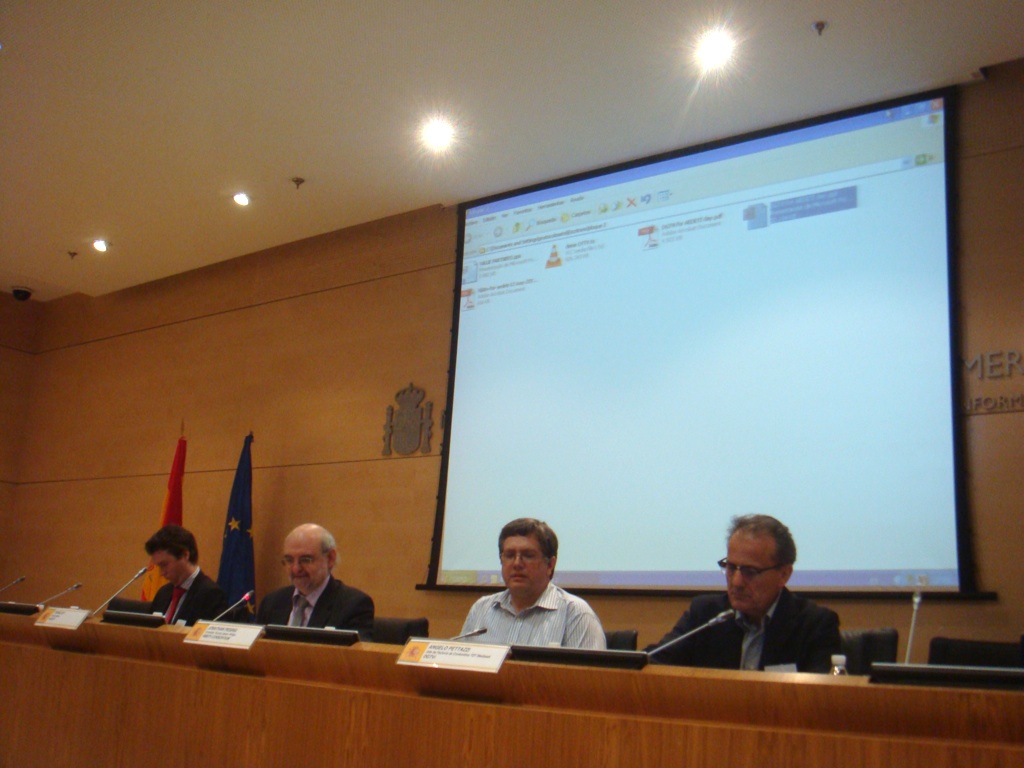
En la jornada organizada por AEDETI ha intervenido Jon Piesing, consultor técnico senior en Philips y actual presidente del consorcio HbbTv, quien ha hecho un repaso de este modelo híbrido tv-Internet en diferentes países europeos como Reino Unido, Francia y Alemania. Este consorcio está formado por IRT, ANT Software, Astra, Canal+ Francia, France Télévisions, OpenTv, Philips, TF1 y UER. Piesing ha destacado que en este momento el consorcio trabaja activamente para que finalmente se apruebe una normalización basada en estándares existentes y tecnologías web incluyendo OIPF (Open ITV Forum) CEA, DVB y W3C.
En esta mesa redonda ha participado también Angelo Pettazzi, jefe de la factoría de contenidos TDT Mediaset, quien ha aportado una revisión de lo que está ocurriendo en Italia bajo la batuta del consorcio DGTV. Italia comenzó su apagado analógico en 2008, estando previsto que concluya en 2012, reconociendo Pettazzi que todo marcha conforme a lo previsto llegando a finales de este año a una digitalización del 70% de la población. En este momento, el gobierno italiano a instancias de los operadores está estudiando un posible adelanto a finales de 2011 el apagón para liberar recursos de espectro para poder desarrollar nuevos modelos de negocio.
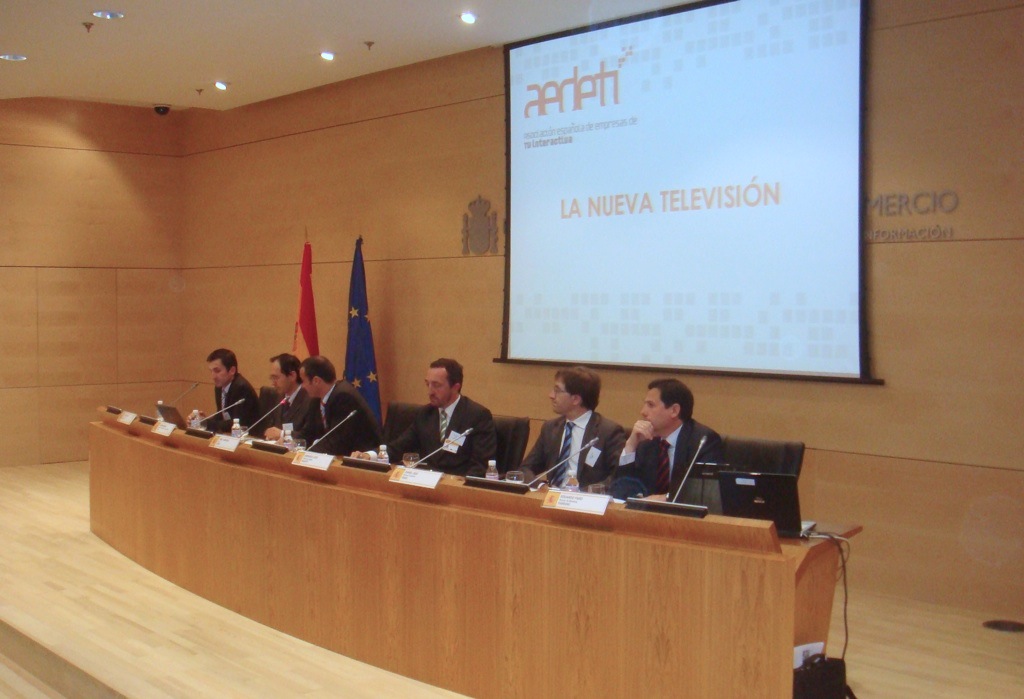
La visión de los fabricantes
Andrés Román, gerente de planificación estratégica de televisión en Sony Europa, ha destacado dos aspectos a tener en cuenta a la hora de diseñar productos para el consumidor final como son la conectividad de dispositivos y de personas, tanto dentro como fuera del hogar.
Román ha destacado que en este momento se están desarrollando soluciones interactivas para IPTV desde consorcios como DVB o HbbTv, las telco, los broadcasters y los propios fabricantes sin que haya una normalización en el estándar encontrando actualmente en Europa desde MHEG/Connected Tv en Reino Unido, MHP en Italia o HbbTv en Francia y Alemania.
Desde Sony y su propuesta Bravia Internet Video desde abril de este año incluyen los contenidos de 6 radiodifusores, 3 en España (en este mes ya hay una veintena, siendo de esperar que la mayoría de broadcasters europeos participen en la propuesta de televisión no lineal de Sony antes de final de año.). Sony soporta en este momento MHEG+IP en Reino Unido e Irlanda y MHP 1.0.3 (1.1. en Italia), dando soporte HbbTv para territorios como Alemania y Francia con expectativas en España a corto plazo.
Andrés Román ha destacado que “ninguno de los estándares tiene cerrado el DRM, con funcionalidad limitada a televisión a la carta, constatando una clara fragmentación en Europa. Quizás sea necesario trabajar con MHEG, MHP y HbbTv en conjunto en cada televisor ya que se fabrican a nivel paneuropeo”.
Por su parte, Gerardo Lucio, director en España de SmarDTV, ha expuesto la visión de su empresa en el valor de la estandarización CAM CI+ facilitando la convergencia de modelos de negocio verticales y horizontales. Los puntos débiles, a juicio de Lucio, de los operadores actuales es que “la mayoría de los fabricantes son proveedores, con canales comerciales limitados con poca fuerza en retail. El CI+ facilita el acceso a servicios bajo demanda, incluyendo vídeo ofreciendo nuevos servicios por medio de widgets e integrándose definitivamente al hogar digital (DLNA), además de ofrecer máxima seguridad eliminando barreras para contenidos en alta definición. El CAM CI+ permite alojar aplicaciones que uniformicen el servicio del operador (interfaz de usuario, EPG…) iDTV y CAM CI+ constituyendo una solución completa para televisión de pago con una drástica reducción de coste de adquisición de abonado, posibilitando nuevas alianzas comerciales y abriendo posibilidades de servicios avanzados de víde bajo demanda y de valor añadido (apuestas, concursos, timeshift,…)”.
Daniel Isus, director comercial de Engel Axil, empresa especializada en set-top-boxes con más de treinta modelos diferentes, ha reconocido que “el apagón más que un final, debe ser un punto de partida con muchos retos y oportunidades a todos los niveles por parte de todas las empresas involucradas en este sector”. Isus ha detectado una evolución en la compra de los set-top-box (STB), pasando en un primer momento de un zapper a nuevos terminales más avanzados y con más prestaciones como acceso a TDT de pago, siendo optimista de cara a los productos que se vayan presentando en los próximos meses. Según datos de Engel Axis el tiempo de vida de un STB es de apenas 16 meses adaptándose a los aplicaciones que conlleva la evolución tecnológica. A juicio de Daniel Isus, la llegada de la TDT abre nuevas posibilidades como la alta definición con el consiguiente paso del MPEG2 al MPEG4 a 1920×1080, la televisión en 3D y la TDT de pago.
Engel Axil tenderá en un futuro próximo a STBs TDT IP híbrido con receptor DVB-T con alta definición y HDMI, PVR Ready con Time Shift y Pausa/Fx/RW (USB), common interface para TDT, conexión multimedia con todos los equipos audiovisuales (USB/DLNA) así como a Internet Wifi y Bluetooth. Daniel Isus considera que “el futuro inmediato paso por integrar DVB-T/C/S con IP desde un punto de vista de experiencia televisiva con acceso inmediato a contenidos. El hardware deberá estar totalmente ligado a los contenidos, siendo necesaria la colaboración con los diferentes players como operadors, fabricantes, ISP…”.
Por otro lado, Alain Motard, gestor de cuentas en Netgem, ha destacado los beneficios de los adaptadores Internet Tv frente a los clásicos STBs ya que proveen un enlace directo con el usuario pudiendo el operador ofrecer servicios añadidos o de pago a la par que da respuesta a los problemas de adaptación por parte de los reguladores.
Eduardo Faro, director de marketing de consumo en Samsung, ha cerrado esta mesa redonda destacando que el crecimiento de su empresa en la venta de televisores se ha debido, en gran medida, a la incorporación de las nuevas tecnologías y servicios al televisor. “Estamos ahora ante una revolución similar a la que se vivió en el paso del blanco y negro, dándole al usuario una serie de herramientas que nunca había tenido hasta ahora pudiendo disfrutar de contenidos en alta definición y contenidos 3D y de realidad virtual, además de la posibilidad de conectar el televisor a otros dispositivos y redes. Tenemos que darle facilidad al usuario para que acceda a estas tecnologías”, ha destacado Faro.
A su juicio, el televisor vuelve a ser el centro del hogar, con la tv interactiva desplanzado al PC, siendo vital cómo se llevará a cabo la convergencia entre las diferentes pantallas y tecnologías. Eduardo Faro ve imprescindible “contar con la experiencia del usuario a la hora de ir introduciendo estos nuevos retos. así como disponer de un estándar impulsado desde el Ministerio para que usuario confíe en las nuevas tecnologías”. Mientras llega esta estandarización, Samsung ha desarrollado su propia plataforma Internet@TV como centro de entretenimiento en el hogar trabajando mano a mano con partners locales como YouTube, Antena 3, Marca, El Mundo o Terra. Eduardo Faro ha concluido su intervención asegurando que el beneficio em el nuevo modelo de negocio está en la trivergencia entre fabricantes, operadores de red y broadcasters, con retos tecnológicos como la integración de las tres pantallas bajo una misma experiencia para el usuario, contenidos en nube (todo un reto a nivel de servicios y estándares), 3D en IPTV (evitando el cuello de botella del ancho de banda) y el desarollo de plataformas IPTV.
En definitiva, todos los fabricantes desean que se cuente con un estándar cuanto antes, aunque mientras tanto están desarrollando sus propias plataformas propietarias aumentando más aún la flexibilidad en las opciones a elegir y, por consiguiente, frenando la posibilidad de contar con la tan ansiada normalización.
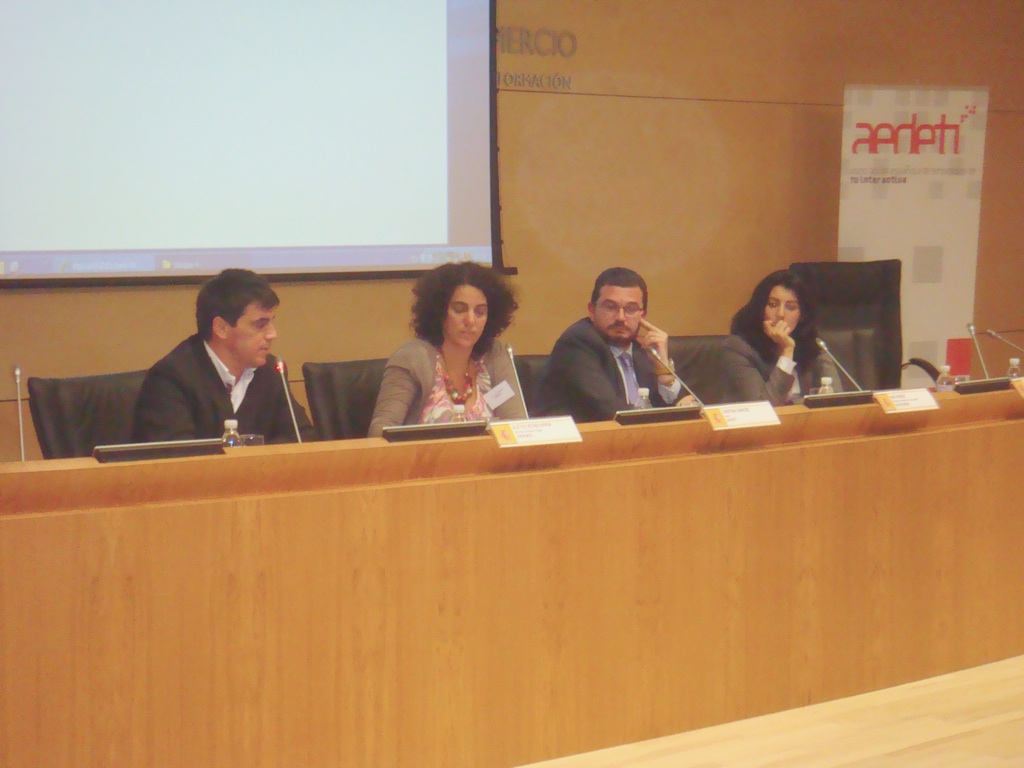
Los contenidos
Aletxu Echevarría, director de Endemol Digital, se ha preguntado si el retorno de la inversión en televisión interactiva es eficaz y se consume con la misma inmediatez que en Internet ya que “ésta consigue un valor añadido y una segmentación que desde mi punto de vista aún no se ha conseguido en la televisión interactiva”.
Por su lado, la directoria de socios estratégicos para EMEA en YouTube, María Ferreras, ha hecho hincapié en que la experiencia del usuario juega a favor de desarrollar nuevas experiencias que enriquezcan los contenidos interactivos.
Niko Muñoz, director de desarrollo corporativo en Havas Media, ha resultado tajante al afirmar que “los usuarios son interactivos, y la interactividad no existe hoy porque la industria no ha querido, entre cosas porque no ha habido interés en contar con un estándar fiable… Mientras tanto, los agentes externos de esta industria, como Google, serán los que se llevarán el gato al agua mientras que la industria sigue discutiendo tecnologías”. Muñoz ha recordado que “hace cuatro años, cuando asistimos a las primeras experiencias interactivas, se pidió al mercado publicitario que hiciera una inversión para desarrollar otros eslabones de la cadena de valor… y mientras los usuarios se han acercado a Google”.
Los integrantes de esta mesa redonda han coincidido en que la concentración empresarial de los radiodifusiores generará una saturación y un incremento en las tarifas que obligará a muchos a anunciantes a buscar otras vías. Por esta razón, las televisiones tendrían que mejorar su inventario multiplataforma con contenidos profesionales a la par que incrementar así sus audiencias en Internet con iniciativas como la presentada por Abertis con su propuesta TDT.com.
Ricardo Alvariño, subdirector general de infraestructuras y normativa técnica, ha clausurado la jornada recordando que desde el Ministerio siempre han estado abiertos a crear foros de trabajo como los que en los últimos años han debatido cuestiones como los receptores para alta definición y TDT de pago, quedando pendiente alcanzar un acuerdo “aunque sea de mínimos” por parte de la industria con respecto a marcar especificaciones para la televisión interactiva. Alvariño ha recordado lo ocurrido en su día con el MHP con respecto a la normalización de esta plataforma… “sin que esta experiencia se pudiera calificar de éxito”. Ahora, espera que los pasos que se den vayan encaminados a encontrar un estándar a nivel europeo marcando las especificaciones correspondientes en la industria española, siempre y cuando hagan un uso eficaz del espectro, que ayuden a dinamizar este sector.
AEDETI reclama la estandarización de la tv interactiva e híbrida
La Asociación Española de Empresas de Tv Interactiva (AEDETI) ha mostrado durante la jornada celebrada este miércoles en el salón de actos de la SETSI en Madrid su apoyo total a los sistemas interactivos de tercera generación HBB ya que permitirán sacar el máximo partido al potencial de la interactividad.
Según la asociación, es necesario que como país se escoja un estándar ya que sólo aquellos países en los que se ha implantado una normalización, la interactividad se ha desplegado de forma efectiva. Igualmente, ha solicitado que esta elección no puede esperar mucho, ya que si se deja más tiempo, los sistemas puro B complicarán el modelo a nuestra industria perdiéndose una oportunidad para que los desarrolladores crezcan al amparo de estos modelos.
Desde AEDETI piden también la creación de un grupo de trabajo que establezca un estándar y en el que estén presentes broadcatsers, operadores de red, fabricantes e industria del software. Para AEDETI, el Ministerio de Industria podría ser el moderador de este grupo ya que al no existir unanimidad, debido a los numerosos intereses enfrentados, se hace necesaria una figura que aglutine a los diferentes agentes del sector para estandarizar estos nuevos modelos de negocio. La asociación ha pedido también que, una vez alcanzada una conclusión en este grupo de trabajo, ésta se eleve a rango de regulación obligatoria, tal y como ha ocurrido en la alta definición.
Access here al programa completo.
Jornada AEDETI desde el Auditorio de la SETSI (Madrid)
Did you like this article?
Subscribe to our NEWSLETTER and you won't miss anything.
Related articles
 IBC 2023 opens its doors to redefine its future at the crossroads of technologies and business models
 Nine keys to adapting the business models of cultural companies due to COVID-19
 BIT Media 2020 will be held in October, adapting to the calendar of the audiovisual industry and opening up to new business models
 Cinema, its new business models and its relationship with television, under debate at BIT Audiovisual 2018
 The industry analyzes and debates the evolution to new OTT models and services on television
 VSN promotes new business models (Saas and IaaS) in the Cloud at NAB
 Transforming business models through innovation in communication and collaboration
 New Business Models in Digital Content
 Strategies and new business models for connected television in Spain
 EIKEN promotes the transition towards new business models
 Los creadores audiovisuales buscan nuevos modelos de negocio en Internet
 New business models are the focus of the 10th Professional Conference of the AVA Foundation
 JVC presents six new models of D-ILA projectors at CEDIA Expo
 New digital era… new users and models