





Tedial updates its integrated digital file management system MPM
MPM 4.0, la nueva versión del sistema de integración de aplicaciones y de movimientos de media de Tedial, está demostrando una extraordinaria escalabilidad en la migración del sistema de archivo de Radio Nacional de España (RNE). Con las nuevas funcionalidades de MPM 4.0, Tedial asegura la máxima compatibilidad de su tecnología con sistemas de terceros.
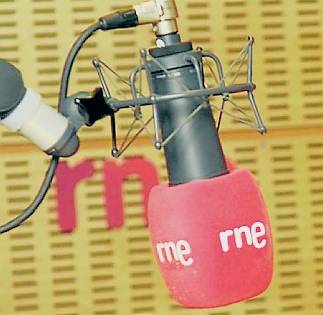 En 2008 RTVE inició el proyecto del gestor documental corporativo, seleccionando la tecnología de Tedial para la gestión integrada de los archivos digitales de TVE y RNE. El archivo sonoro de RNE está soportado por el sistema Admira, que incluye el registro de unas 400.000 horas de audio en formatos PCM y MPEG-1 (Proxy), con cápsula WAV, almacenando un número de assets próximo a los tres millones.
MPM 4.0, la nueva versión del sistema de integración de aplicaciones y de movimientos de media de Tedial, está demostrando una extraordinaria escalabilidad en la migración del sistema de archivo de Radio Nacional de España (RNE).
MPM posee una arquitectura basada en la tecnología grid, que permite el alta y la baja de servicios y servidores de manera dinámica, sin necesidad de realizar paradas del sistema MPM.
Para la migración del sistema Admira al sistema Tarsys de Tedial se han instalado cinco workers/servidores que procesan un total de 25 flujos simultáneos (multithread). Cada flujo lleva a cabo la lectura de la metadata del asset disponible en Admira; el movimiento de la media (PCM y MPEG-1) al sistema de almacenamiento controlado por AST (HSM de TEDIAL); el análisis automático (QC realizado por INDEXER de TEDIAL) de los archivos de audio y restauración de la cápsula WAV con la metadata compatible con la especificación EBU; y la indexación de los archivos de media para facilitar la recuperación parcial de fragmentos de interés: alta de la metadata y los archivos de media e índices en el sistema Tarsys.
El número de assets procesados por los cinco workers oscila entre 600 y 1.900 por hora, dependiendo de la duración de los archivos de audio, siendo el promedio de 1150 por hora, acumulando un total de 27.600 assets diariamente. En consecuencia, la migración completa del sistema Admira es inferior a los 100 días.
Mejoras en MPM 4.0
Entre las mejoras más importantes incluidas en MPM 4.0 destacan las siguientes:
- MPM Flow-Manager: Es el módulo de integración y recepción de órdenes de movimiento de media y metadatos en el sistema tapeless. La nueva versión simplifica el diseño y la implementación de flujos mediante una nueva librería de componentes de integración, que son personalizables y editables, utilizando simples opciones de configuración.
- MPM Flow-Builder/Editor: Es el servidor que genera los flujos de media y metadatos en el sistema tapeless. La nueva versión incluye nuevos métodos de planificación de los flujos y el preprocesado de los flujos para la generación de reglas de decisión sobre variables/operaciones del flujo, permite la ejecución condicional de las operaciones de un flujo, un flujo en ejecución puede lanzar otros flujos como consecuencia de aplicar reglas de decisión.
- MPM Flow-Worker: Es el servidor que procesa los flujos de media y metadatos en el sistema tapeless. La nueva versión incluye la actualización dinámica de operaciones sin parar el FlowWorker, arquitectura multithreading configurable, alta y baja de servidores FlowWorkers sin parar la instalación, se amplían las opciones de transferencia de archivos entre sistemas incorporando el servicio Peer-to-Peer MediaMover basado en el protocolo UDP para redes de elevada latencia, incorporación de sensores SNMP para la monitorización en tiempo real de la ejecución de las operaciones de flujo desde un sistema externo. Por tanto, el FlowWorker suministra información vía SNMP tanto del hardware como de los procesos en ejecución.
- MPM Flow-Monitor: Es el servicio de monitorización de todos los flujos de media y metadatos definidos en el sistema tapeless. La nueva versión incluye nuevos métodos de búsqueda en la base de datos de flujos, la monitorización de flujos adaptada a los perfiles de usuario definidos en LDAP (ingesta, emisión, producción, noticias,…), la personalización de los mensajes de error adaptados al lenguaje del cliente (“jerga”), la mejora de la interacción del usuario con los flujos, durante su ejecución.
- MPM Data-Warehouse: Facilita el almacenamiento del histórico de flujos y la aplicación de técnicas de minería de datos para crear informes gracias a una estructura basada en unidades básicas de información combinables. Siendo de especial interés la generación de estadísticas para evaluar el rendimiento del sistema tapeless.
Dr. Zapata, asesor científico y cofundador de TEDIAL, comenta que “la elección de la tecnología grid para el diseño del MPM 4.0 es la base de la alta escalabilidad, disponiblidad y flexibilidad de su arquitectura. MPM 4.0 simplifica la integración de sistemas y el intercambio de contenidos entre ellos, reduce los costes de desarrollo, protege la inversión de los clientes y representa una nueva etapa para la industria EAI (Enterprise Applications Integration), basada en estándares SOA”. En este contexto, afirma que “MPM 4.0 es la respuesta de TEDIAL al diseño y personalización de instalaciones tapeless en televisión, integrando los sistemas y facilitando el intercambio de metadatos y media multiformato. Demostrando una vez más la capacidad tecnológica del departamento de I+D de la empresa, asesorada por la Universidad de Málaga”.
Con todas estas nuevas funcionalidades de MPM 4.0, Tedial, empresa de referencia mundial en el campo de la gestión de activos audiovisuales, asegura la máxima compatibilidad de su tecnología con sistemas de terceros.
Did you like this article?
Subscribe to our NEWSLETTER and you won't miss anything.
Related articles
 B3 updates Bainet's content management system (MAM) with VSN
 RTVE, Betevé and the Audiovisual Council of Andalusia update media management with Tedial Evolution MAM
 AMC Networks International Iberia updates its MAM with Evolution by Tedial
 Tedial and Indra sign an agreement aimed at managing audiovisual content on digital platforms
 Imagina US adopts MatrixStore as an integrated digital content management platform
 RTVE and Tedial will collaborate in the creation of an innovative audiovisual content management tool
 VSN upgrades TSA content management under a single centralized end-to-end system
 Tedial pone en marcha en Doordarshan una solución de MAM y archivo totalmente integrada
 Tedial will participate in a conference on audiovisual archive management in Latin America
 XenData and Empress develop integrated LTO and digital asset management system
Tedial presents its new Archivator solution for the conservation of digital files in Denmark
XenData and Empress develop integrated LTO and digital asset management system
Tedial presents its new Archivator solution for the conservation of digital files in Denmark
 VSN organizes a roadshow in Colombia on the latest trends in digital files
 Televisa expands its Tedial content management system
 Tedial: solución integrada con entornos Final Cut