





John Day: “IPv6 is still not the solution”
El profesor e investigador pionero de Internet, John Day, asegura en la Fundación i2CAT de Barcelona que “gran parte de los problemas de la arquitectura TCP/IP (multi-homing, movilidad, escalabilidad en el enrutamiento) provienen del hecho de que la dirección IP identifica una interfaz en un nodo en lugar del nodo en sí”.
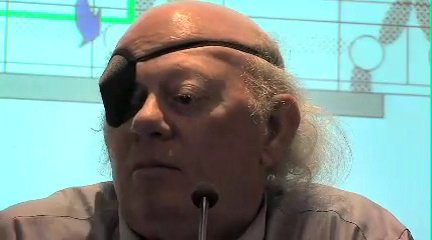 La Fundación i2CAT ha empezado a trabajar con la Universidad de Boston, el centro de investigación irlandés TSSG y la start-up americana TRIA Network Systems en el desarrollo del primer prototipo basado en la arquitectura RINA (Recursive InterNetwork Architecture), una teoría general sobre la arquitectura de redes desarrollada por el pionero de Internet John Day. Este profesor e investigador de la Universidad de Boston ha sido invitado recientemente por i2CAT a Barcelona para aportar su visión de la Internet del Futuro, una red de computadores mucho más sencilla que la actual y, por tanto, más económica de construir y de operar, proporcionando al mismo tiempo multi-homing, movilidad, multicast y calidad de servicio en los usuarios.
John Day, durante su visita a Barcelona, ha sentenciado que la Internet actual no deja de ser una demo incompleta de lo que debería ser una red de computadores: “se trata de un reflejo muy cercano a los primeros prototipos de redes de conmutación de paquetes construidos durante los años 70, con la gran diferencia de que el hardware ha mejorado de forma notoria; es más, algunas arquitecturas de redes de esa época que no prosperaron (como Cyclades, XNS, DECnet o OSI) tenían menos limitaciones estructurales que la arquitectura actual basada en protocolos TCP/IP”.
Según el teórico, gran parte de los problemas de la arquitectura TCP/IP (multi-homing, movilidad, escalabilidad en el enrutamiento) provienen del hecho de que la dirección IP identifica una interfaz en un nodo en lugar del nodo en sí. Como las redes IP calculan las rutas como una secuencia de direcciones IP (y por tanto como una secuencia de interfaces), si un nodo está conectado a la red a través de más de una interfaz (multi-homing), la red no tiene modo de saber que todas esas interfaces pertenecen al mismo nodo. En consecuencia, cuando una interfaz del nodo falla, la red no pasa a enviar automáticamente los paquetes a través de otra interfaz del mismo nodo, sino que lo descarta.
“Teniendo en cuenta que la IPv6 se basa en el mismo protocolo y continúa identificando la interfaz y punto, nos encontramos con el mismo problema”, asegura Day, que señala que “IPv6 no aporta ninguna solución a la Internet del Futuro, es solo un parche más de la Internet actual, ya saturada”.
Lo que propone el profesor con su arquitectura RINA es un modelo en el que una capa es una aplicación distribuida que proporciona servicios de comunicación entre procesos a través de un cierto ámbito (como un enlace punto a punto, una red local, una red regional, una red de redes…). Estas capas (denominadas DIFs en terminología RINA) son recursivas, ya que se proporcionan servicios la una a la otra, y se pueden utilizar tantas como el diseñador de red considere oportuno. Es decir, en contraposición al modelo actual, estaríamos hablando de un solo tipo de capa (configurable dependiendo de dónde opere) que se puede repetir tantas veces como sea necesario para gestionar mejor los recursos de red. El modelo actual, basado en un número fijo de capas funcionales (cada capa realiza una función diferente) es más complejo e ineficiente por la multitud de protocolos que necesita, inflexible y, además, las implementaciones no siguen el modelo teórico actual (protocolos que están entre dos capas, funciones repetidas en distintas capas, interacciones entre capas que no deberían suceder).
La Fundación i2CAT contribuirá a hacer realidad esa teoría, desarrollando junto a las entidades internacionales citadas el primer prototipo de esta revolucionaria arquitectura. Este proyecto pretende validar y mejorar las especificaciones de los protocolos que implementan RINA, obteniendo además como resultado dos prototipos desarrollados de manera independiente pero interoperables. Otro importante objetivo del proyecto es el de demostrar que para adoptar la arquitectura de RINA no es necesario un complejo proceso de transición, sino que en el futuro RINA se podrá empezar a desplegar coexistiendo con redes TCP/IP. Sus resultados sentarán la base para que se sigan desarrollando mejores implementaciones y se pueda experimentar con las propiedades y los beneficios que RINA conlleva.
La Fundación i2CAT es un centro de investigación e innovación fundado en 2003. Tiene como principal objetivo conseguir una Internet del futuro accesible y abierta. Para ello, la Fundación pone la investigación y la innovación de Internet al alcance de la sociedad, mediante la colaboración entre la Administración pública, las empresas y los grupos de investigación de las universidades y del mundo educativo para el desarrollo de proyectos innovadores en el ámbito de las nuevas tecnologías de la sociedad del conocimiento.
Did you like this article?
Subscribe to our NEWSLETTER and you won't miss anything.
Related articles
 Riedel continues to firmly invest in IP with the acquisition of SDNsquare
 Fastly continues to delve deeper into the Edge with the acquisition of Glitch
 Viz Vectar Plus continues to exploit the benefits of NDI with its version 1.2
 Broadcast Pix continues to bet on 4K with the new FX Hybrid switcher
 Futuresource: television continues to be children's favorite medium
 Ross Video follows the hybrid track between IP and SDI
 BIT Experience 2017: content is still king
 Pese al auge de streaming, la “posesión” de contenidos sigue primando
 The drone sector is still waiting for legislation that regulates its use in Spain
 AEQ continues to bet heavily on broadcast with numerous new developments at IBC
 Radio continues to interest young people
 Tieline launches its new Genie audio codec for IPv6 protocols
 Spanish cinema continues to perform better internationally than locally
 El Súper 8 sigue vivo