





The digital dividend, a new challenge for digital television
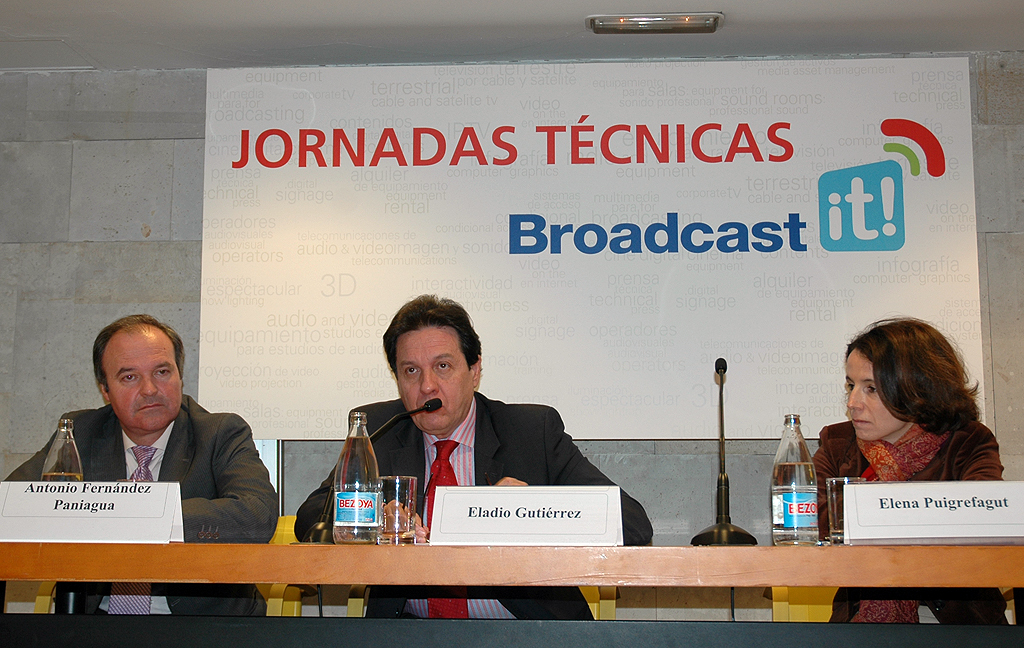
Las Jornadas Técnicas de Broadcast IT, que reúnen a un cualificado plantel de profesionales y expertos en las distintas materias a tratar, se ha iniciado analizando la situación del dividendo digital con la presencia de Antonio Fernández – Paniagua (SETSI) y Elena Puigrefagut (EBU / UER).
El Salón Profesional Internacional de la Tecnología Audiovisual es el escenario en el que, cada dos años, se dan cita los profesionales del sector del broadcast, para tratar los temas que más afectan a esta industria. El Director General de Telecomunicaciones y Tecnologías de la Información, Roberto Sánchez; el presidente del Comité Organizador de Broadcast, Rogelio de la Fuente; y el director de la feria, Santiago Quiroga, han sido los encargados de inaugurar estas jornadas.
En esta ocasión y con motivo de la decimoquinta edición de Broadcast, la primera cuestión a debatir ha sido la situación actual y las perspectivas del proceso de aplicación del dividendo digital. La mesa ha sido presentada por Eladio Gutiérrez, consultor en telecomunicaciones y medios audiovisuales, que ha hecho un repaso al programa de las Jornadas Técnicas y ha explicado que esta primera conferencia pretende abordar el dividendo digital desde la visión en España y desde un punto de vista europeo, pues “se trata de un proceso coordinado de rango europeo”, ha señalado el ex presidente de Impulsa TDT.
El papel de la Administración
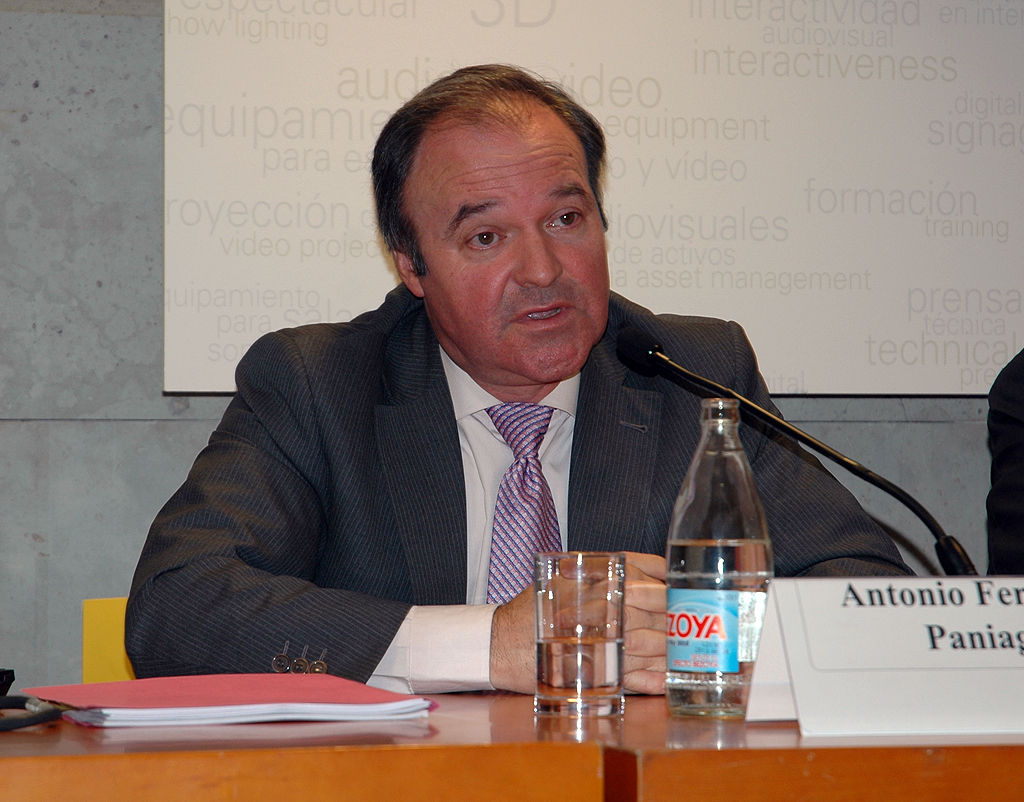
Desde el punto de vista de la Administración, Antonio Fernández-Paniagua, subdirector general de Planificación y Gestión del Espectro Radioeléctrico del Ministerio de Industria, Turismo y Comercio, ha realizado una panorámica de la situación del dividendo digital en España, exponiendo el proceso de reparto de las frecuencias del espectro radioeléctrico comprendidas entre los 790 y los 862 MHz (canales 61-69), que estarán dedicadas a nuevos servicios de televisión (móvil, HD, interactiva…), y comunicaciones móviles de banda ancha.
“El Gobierno mediante el Real Decreto 365/2010 reguló la asignación de los múltiples de TDT tras el cese del analógico, estableciendo dos fases. En una primera se planificarían cuatros nuevos múltiples, y uno autonómico, por debajo de la banda 790-862MHz, procurándose que sean los antiguos canales analógicos. En una segunda fase, que concluiría antes de enero de 2015, contaríamos con nuevos múltiples de ámbito nacional y autonómico, trabajando todos ellos por debajo del canal 61, por lo que cada operador tendría control total sobre cada uno de sus múltiples. Aunque el plazo límite está establecido el 1 de enero de 2015, intentaremos adelantarlo lo más posible, aunque todo depende de la fase de reantenización y simulcast”, ha asegurado Fernández-Paniagua.
El reto del dividendo
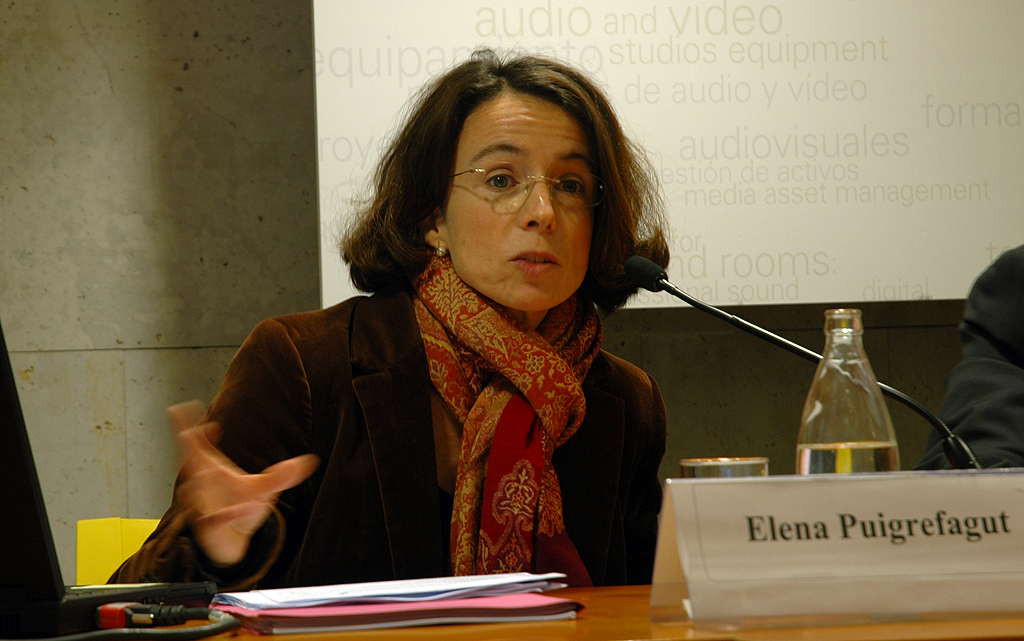
Por su parte, Elena Puigrefagut, senior engineer de la EBU, ha realizado un repaso de la situación de la banda de 800 MHz en Europa, resaltando que todavía queda un 72% de las frecuencias disponibles para TDT. Según Puigrefagut, el impulso de la liberalización de los canales 61 a 68 ha sido muy diferente en cada país, “y el caso de España es uno de los más críticos, pues mientras en nuestro país el 44% de las frecuencias están asignadas a TDT, en Reino Unido o Suecia sólo hay un 6-7% y en Francia un 12%”, ha afirmado. Asimismo, la representante de la EBU ha destacado que “todavía hay 17 países en Europa con TV analógica y 3 ni siquiera tienen un plan de apagón analógico”.
Puigrefagut también ha destacado que “para mantener la TDT competitiva ha de ofrecer una cierta diversidad de programas y mantener la calidad de recepción, y para ello necesitamos espectro, seis o siete múltiples para ser competitivos con el cable o el satélite”. “La banda 470-862 MHz se ha utilizado hasta ahora para ofrecer un servicio público, pero los modelos de negocio para ofrecer Internet de banda ancha en movilidad son principalmente comerciales, no para cubrir, por ejemplo, zonas rurales. Para garantizar el ‘broadband for all’ se ha de considerar en un contexto mucho más amplio sin limitarnos a la discusión del dividendo digital, con otras frecuencias, despliegue de fibra…”, ha concluido en su intervención.
Did you like this article?
Subscribe to our NEWSLETTER and you won't miss anything.
Related articles
 The Government will contribute ten million euros to television stations to mitigate the impact of the new digital dividend
 Open Television considers the National TDT Technical Plan and the regulation of the second digital dividend unavoidable and urgent
 The Government makes public the framework that will govern the new National TDT Plan that regulates the second digital dividend
 The Government will allocate 50 million euros to the new digital dividend
 Movistar launches its new digital satellite television service in Nicaragua
Towards a new revolutionary concept of Digital Terrestrial Television
Movistar launches its new digital satellite television service in Nicaragua
Towards a new revolutionary concept of Digital Terrestrial Television
 José Manuel Soria at the 1st Digital Economy Meeting: “the digital economy is no longer a challenge, it is a reality”
 Mattias Hjelmstedt: “the digital space is the new battlefield of the television industry”
 The digital dividend, under debate
 Calvo-Sotelo: “the supply of HD television will not be restricted by the digital dividend”
 A new paradigm for public television service in the digital age
 Digital dividend: new challenges in digital television
 Digital+ on demand, a new step towards hybrid television
 The digital dividend marks the new challenges in digital television