





José Manuel Soria at the 1st Digital Economy Meeting: “the digital economy is no longer a challenge, it is a reality”
“Es el momento de reflexionar en clave digital. Un cambio de modelo productivo requiere la transformación digital de nuestros sectores”, sostiene José Manuel de Riva, presidente de AMETIC.
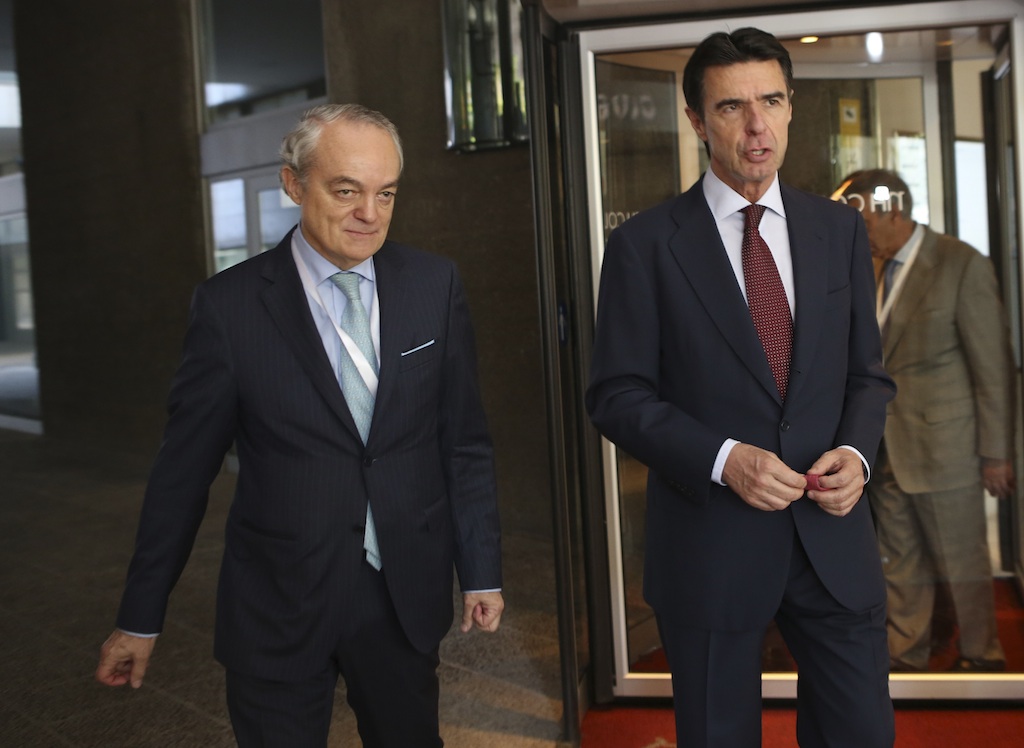
“La economía digital ya no es un reto, es una realidad”, afirmó José Manuel Soria, ministro de Industria, Energía y Turismo en la apertura del I Encuentro de Economía Digital que organizado por AMETIC se ha celebrado este martes en Madrid y al que han concurrido actores de la transformación digital de distintos sectores de actividad.
“Este encuentro no es algo ajeno al sector público”, dijo Soria que aseguró que “arranca de la necesidad de aumentar el acercamiento a la transformación digital a todos los sectores de la economía española sin excepción”.
En otro momento de su intervención, Soria dio que hay “que potencial el conocimiento por parte de las herramientas digitales y enfatizó de cómo éstas están transformando la vida de las personas, de las empresas y de las instituciones públicas y privadas. Si queremos competir más y mejor, si queremos avanzar pero no en progresión geométrica sino exponencial, el sector privado debe empujar y el Gobierno sobre todo, poner las bases con ayuda a regularización y con actuaciones como las que este Gobierno ha venido haciendo con el Plan Nacional de Ciudades Inteligentes, incorporando sectores al mundo digital como la Sanidad, la Justicia o la Educación”.
Inversión TIC
En la apertura del encuentro, José Manuel de Riva, presidente de AMETIC, aseguró que “como sector industrial, entendemos que es nuestra responsabilidad abanderar una iniciativa que aglutine a todos los sectores productivos del país, para iniciar juntos el camino hacia la transformación digital”. Y aseguró que “este es motivo de haber querido pedir opinión a los medios de comunicación, a los grandes usuarios de las TIC, los analistas, Universidades y Escuelas de Negocio, las Administraciones Públicas, propiciando un punto de encuentro desde donde reflexionar sobre esta transformación”.
Según de Riva, “en el año 2000, la inversión de las empresas europeas en TIC era un 20% inferior que la inversión en TIC de las empresas norteamericanas. En los últimos años, la diferencia de inversión en tecnologías en lugar de reducirse se ha ampliado, de tal manera que ahora esa diferencia es aproximadamente de un 50%. El Parlamento Europeo y la Comisión Europea, por fin, se han decidido a dar cifras, estimándose en un 4% el crecimiento a largo plazo del PIB europeo, si se desarrolla plenamente el Mercado Único Europeo Digital”.
Cómo está posicionada España
“Con los datos de que disponemos, podemos afirmar que España no está todavía bien posicionada en lo que se refiere a la Economía Digital, afirmó el presidente de AMETIC que subrayó que si nuestro país logra que los sectores productivos afronten con rigor su transformación digital, se aprovechen las inversiones TIC del Sector Público y se implante el mercado único digital europeo, podremos mejorar nuestro posicionamiento en el ranking mundial. Y si a esto unimos una mejora de la educación tecnológica y un incremento de la inversión privada y pública en Innovación, el incremento sería sustancial”.
Recomendaciones de AMETIC
AMETIC insiste en su papel de integrador, generador y canalizador del interés hacia la Economía Digital. “Es el momento de reflexionar en clave digital. Un cambio de modelo productivo requiere la transformación digital de nuestros sectores, de sus procesos, de sus tecnologías, de sus productos finales (que deben contener más tecnología). En resumen, la transformación digital de sus cadenas de valor”.
“No se trata únicamente de vender productos online, la transformación requerida es mucho más profunda. Es preciso entenderlo e implementarlo cuanto antes. Nuestra Asociación, trabaja para convencer a la sociedad, al resto de sectores productivos y a las Administraciones Públicas, de la necesidad de sumarse a esta Revolución”, concluyó de Riva.
La economía digital, pilar del crecimiento económico
La ponencia estelar de este I Encuentro de Economía Digital, patrocinada por Google, ha corrido a cargo de Paul Zwillenberg, socio y experto en economía digital de Boston Consulting Group, que ha disertado sobre La economía digital, pilar del crecimiento económico.
Zwillenberg ha dicho que “la contribución de la economía digital al PIB ha aumentado en los últimos años y va a seguir haciéndolo” y ha asegurado que “el comercio electrónico es un determinante clave del crecimiento del ePIB”. Pero además del efecto positivo sobre el PIB, asegura que “Internet también tiene otras ventajas para la economía”, punto en que apabulló con los datos de crecimiento en los últimos años del negocio a través de la Red.
En lo que se refiere a las pymes, para Zwillenberg, “Internet ha proporcionado una serie de palancas para ayudar a crecer a las pymes contribuyendo a su expansión geografía, facilitándole el marketing efectivo, haciéndole más fácil y rápida la selección de personal, aumentando la interrelación con sus clientes, proporcionando accedo a herramientas online y simplificando los pago. Pero también hizo a las pymes una serie de recomendaciones como adoptar un amplio abanico de herramientas externas e internas online dada su habilidad probada para impulsar los ingresos y los puestos de trabajo, preparar a la organización para adoptar y reaccionar ante Internet, reaccionar desde el principio a las innovaciones, y ser creativos para superar los obstáculos”.
Refiriéndose a las grandes empresas, afirmó que deben liderar el ecosistema digital español, invertir en I+D para colocar a España en la vanguardia tecnológica, hacer un esfuerzo de Capex que mejorará el acceso y el retorno como beneficio propio, así como alimentar la base de talento español mediante la formación continua de sus empleados.
Las recomendaciones de Paul Zwillenberg para reguladores y gobiernos pasan por promover la inversión en una infraestructura de alta velocidad, con mayor cobertura y un acceso a móvil/ Internet asequible, priorizar la formación y la creación de habilidades, impulsar la innovación y el espíritu emprendedor, así como facilitar la movilidad de talento.
Did you like this article?
Subscribe to our NEWSLETTER and you won't miss anything.
Related articles
 El 31º Encuentro de Economía Digital y Telecomunicaciones estará centrado en la transversalidad de la transformación digital
 The lack of professionals, the main challenge for virtual reality
 AMETIC organizes the “2nd Digital Economy Meeting”
 José Manuel Soria anuncia oficialmente las adjudicaciones de los nuevos canales de TDT
 I+D, big data e Internet de las cosas centran la primera jornada del 28º Encuentro de Telecomunicaciones y Economía Digital
 El 29º Encuentro de Telecomunicaciones y Economía Digital reúne en Santander a los primeros ejecutivos de las empresas tecnológicas
 AMETIC convenes the 29th Telecommunications and Digital Economy Meeting
 The creative, cultural and audiovisual industries as the axis of the new digital economy
 José Manuel Soria: “el Gobierno apuesta de forma inequívoca por una RTVE fuerte y de calidad”
 28th Telecommunications and Digital Economy Meeting, the European challenge
 The Telecommunications Meeting reveals the keys to the new digital Economy at the UIMP
 La economía digital centrará el programa del XXVII Encuentro de las Telecomunicaciones
Soria believes it is possible to advance the digital dividend to next year
La economía digital centrará el programa del XXVII Encuentro de las Telecomunicaciones
Soria believes it is possible to advance the digital dividend to next year
 The digital dividend, a new challenge for digital television