





La Tv por Internet alcanzará el 60% de cuota de pantalla en 2014
La Tv por Internet alcanzará el 60% de cuota de pantalla en 2014, según un estudio de Bain. Esta consultora cree que el mayor cambio en las experiencias transmediáticas vendrá propiciado de la mano de los contenidos audiovisuales.

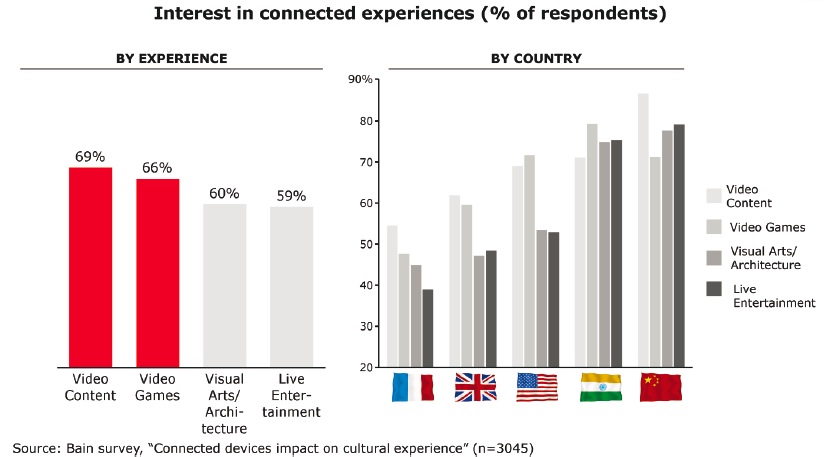
El estudio “Connected devices and services: Reinventing content” llevado a cabo por Bain entre más de 3.000 usuarios de Europa, Estados Unidos y Asia sobre la penetración de la nueva generación de conexiones de Internet, revela que los consumidores muestran un gran y creciente interés en las nuevas experiencias que las tecnologías de la información y el entretenimiento pueden aportarles.
Este trabajo de investigación destaca este entusiasmo expresado por los usuarios puede no traducirse en beneficios empresariales inmediatos si no se desarrollan formas innovadoras de experimentar los contenidos de entretenimiento.
Patrick Behar, director del Departamento de Medios y Entretenimiento de Bain en Europa y autor del estudio ha asegurado que “los medios deben adoptar una postura más agresiva en cuanto al desarrollo y la diversificación de las estrategias dirigidas a desbloquear el gasto de los consumidores”. Bain cree que el mayor cambio en las experiencias transmediáticas vendrá propiciado de la mano de los contenidos audiovisuales. La mitad de los participantes en la encuesta del Reino Unido y de los Estados Unidos tienen la intención de recurrir cada vez más a los motores de búsqueda de la Web para encontrar los contenidos que desean, mientras que un tercio de ellos piensa utilizar su red de contactos y amistades para realizar su elección de los programas de entretenimiento que no deben perderse. Los últimos datos apuntan que hasta el 45% de consumidores chinos e indios, a pesar de que la falta de infraestructuras limitará su capacidad para ver los contenidos online (especialmente en la India), cree que utilizarán dichos motores de búsqueda para la descarga del entretenimiento audiovisual.
De acuerdo con este estudio, los contenidos de ficción son especialmente favorables a esta transición, y, debido al incremento en la conectividad de Internet, el desarrollo de formatos cortos nacidos en la Web podría acelerarse e incrementarse. Las series de la Web, tanto amateur como profesionales, han conseguido atraer un considerable aunque aún limitado número de espectadores online. Entre un 30 y un 45% de los encuestados en los países occidentales ha expresado su interés por este tipo de formato de entretenimiento, aunque dos tercios de ellos no están conformes con que los contenidos sean de pago. Por el contrario, tres cuartas partes de los encuestados en China o India han expresado su interés en las series seguidas por la Web.

Contenidos vía Web
“La mayoría de los usuarios prefieren los contenidos vía Web por encima de los canales de televisión tradicionales” afirma Laurent Colombani, Director de Medios y Entretenimiento de Bain en Francia y coautor del estudio. Los videojuegos suponen un terreno nuevo y lleno de posibilidades en lo que a la creación de contenidos y experiencias innovadoras se refiere. El 40% de los entrevistados en los países occidentales utilizan videoconsolas conectadas a la red y más del 60% de los jugadores ocasionales encuestados están a favor de aumentar las horas de juego. En cualquier caso, se percibe un salto generacional entre los jugadores: mientras que el 60% de los menores de 35 años prefieren jugar conectados a la red, menos del 25% de los mayores de 55 están dispuestos a ello.
El estudio revela que, mientras que aproximadamente dos tercios de los occidentales están muy interesados en los contenidos culturales a través de la Web, menos de un tercio imagina dedicar más tiempo a dichas actividades. Muchos de los espectáculos en directo atraen sólo a pequeñas audiencias y estos promotores disponen de poca capacidad para realizar productos rentables.
Descarga here el estudio.
Did you like this article?
Subscribe to our NEWSLETTER and you won't miss anything.
Related articles
 RTVE resurfaces in audiences thanks to Eurovision 2023: 39.7% screen share
 The final of the Benidorm Fest 2023 reaches a 14.7% screen share
 Atresmedia surpasses Mediaset in January with an audience share of 27.4%
 Las Campanadas de Nochevieja reúnen a 16,6 millones con un 96% de cuota de pantalla
 The Goya on Spanish Television, best screen share in nine years
 5.822.000 espectadores (57,6% de cuota de pantalla) siguieron el discurso navideño del Rey
 Un total de 5.572.000 espectadores y 84,3% de cuota de pantalla siguieron la proclamación de Felipe VI
 Un total de 4.889.000 espectadores y 79,3% de cuota de pantalla siguió el mensaje de abdicación del Rey
 The number of televisions connected to the Internet will reach 759 million in 2018
 The screen share of Spanish cinema increased up to 19.5%
 Spanish cinema recorded a screen share of 19% in the first half of 2011
 Sales of 3D televisions will reach 90 million units in 2014
 The DTT screen share grows 2.8 points in just one week
 La cuota de pantalla en TDT superará en agosto a la analógica