





The reform of the public model and the future of CEMA, on the agenda of the new Government
La reforma de televisiones públicas, la renovación de parte del Consejo de Administración de la corporación RTVE, el replanteamiento del Consejo Estatal de Medios Audiovisuales y la solución del conflicto entre las radios y la Liga de Fútbol son algunos de los primeros asuntos que figuran en la agenda del Gobierno que jura hoy sus cargos.
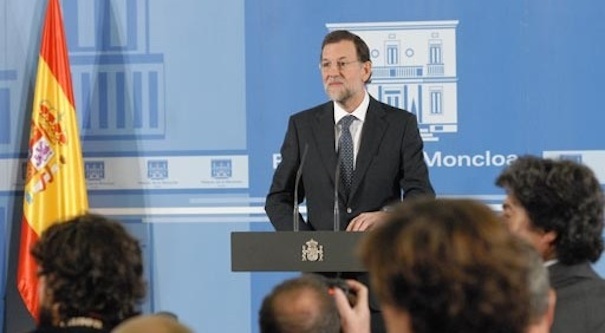
Soraya Sáenz de Santamaría, como vicepresidenta y ministra de la Presidencia del nuevo Gobierno, jugará un papel clave en el desarrollo del sector audiovisual en loa próximos ya que en la pasada legislatura fue este ministerio el que asumió las competencias en materia audiovisual.
Una de las primeras medidas del nuevo Ejecutivo será aplicar una reforma del modelo de las televisiones públicas que permita ahorrar gastos y aplicar nuevos modelos de gestión, con lo que previsiblemente se dejará la opción a las comunidades autónomas de permitir la entrada de capital privado en sus televisiones autonómicas. El presidente Rajoy ya anticipó en su discurso de investidura ante las Cortes que que llevaría a las Cámaras esta reforma con “carácter inmediato”.
También está por ver cómo el Ejecutivo lidiará con la Ley General de Comunicación Audiovisual, en pleno desarrollo normativo, y vetusta Ley del Tercer Canal que funciona como un corsé para los nuevos modelos de televisión pública que se pretenden desarrollar.
Las televisiones públicas españolas cerraron el 2010 con unas pérdidas de 536 millones de euros, un 3 por ciento menos que en 2009, que supusieron un coste neto (con la compensación de los ingresos publicitarios) para cada hogar español de 152 euros, un 5,6 por ciento más que el año anterior, según el V Informe Económico sobre la Televisión Pública en España elaborado por Deloitte que presentó Uteca en su última reunión anual.
Otro asunto que Rajoy se comprometió a dejar zanjado en el próximo trimestre es la renovación del Consejo de Administración de la Corporación RTVE. La Ley de la Radiotelevisión pública estatal exige que los miembros del consejo sean elegidos con el apoyo de dos tercios del Parlamento y que la mitad de sus 12 miembros sean sustituidos cada tres años, aunque de momento PP y PSOE no se han puesto de acuerdo para renovar el consejo ni para elegir presidente, vacante desde que Oliart dimitiera en julio pasado.
También queda pendiente la reforma de la Comisión del Mercado de las Telecomunicaciones (CMT) para integrar en este órgano el Consejo Estatal de Medios Audiovisuales (CEMA), al que la Ley Audiovisual, aprobada en 2010, atribuye la función de supervisar a las televisiones para asegurarse de que cumplen respetan el horario de protección infantil, el máximo de tiempo publicitario permitido y el resto de limitaciones que pone la ley. El PP se opuso de pleno a la creación del CEMA por considerarlo un gasto inncesario…
Otro de los asuntos pendientes que deberá encarar el nuevo Gobierno es la solución del conflicto que mantienen las radios con la Liga de Fútbol Profesional (LFP) debido al canon que este año los clubes de fútbol quieren hacer pagar a las cadenas para entrar en los estadios. Ya que Mariano Rajoy ha dejado su posición favorable al libre desarrollo del trabajo informativo de las radios, es de esperar que el Gobierno promueva una modificación de la Ley Audiovisual para dejar claro que las radios no están obligadas a pagar un canon por el derecho de retransmitir a diferencia de lo que ocurre con las televisiones.
Industria y Cultura
José Manuel Soria, al frente del Ministerio de Industria, Energía y Turismo, jugará un papel determinante en la reestructuración del espectro tras el dividendo digital afrontando un nuevo plan del ‘dividendo digital’. Este plan establece los pasos que se deben dar para que las televisiones cambien de frecuencias y liberen el espectro que ocuparán las operadoras de telefonía móvil en 2015.
A partir del 1 de enero de 2015 la banda de frecuencias de 790 a 862 MHz quedará reservada para servicios distintos al de televisión, como los de banda ancha en movilidad.
En cuanto al cine, la refundación del Ministerio de Cultura con Educación y Deportes, con José Ignacio Wert al frente, ha sido una buena noticia para los productores. La Federación de Asociaciones de Productores de Cine (Fapae) ha recibido la elección de José Ignacio Wert como ministro de Cultura como “un extraordinario nombramiento”.
La desaparición de un ministerio específico de Cultura no tiene por qué ser negativo. “A lo mejor es un ministerio fuerte con un ministro con personalidad”, ha señalado Pedro Pérez, presidente de Federación de Asociaciones de Productores de Cine (FAPAE).
“Le conozco desde hace tiempo, tiene personalidad y estoy convencido de que será un magnífico interlocutor para el mundo del cine”, ha declarado a Servimedia Pedro Pérez.
Did you like this article?
Subscribe to our NEWSLETTER and you won't miss anything.
Related articles
 Input 2025: the future of public television is debated with the push of EITB
 The CIRCOM Regional Congress will analyze the future challenges of European public television
 iVoox: un modelo alternativo para el futuro de los podcasts
 The Government will allocate 50 million euros to the new digital dividend
 Francisco de Paula Polo, nuevo Secretario de Estado para la Sociedad de la Información y la Agenda Digital
 AMETIC demands a more efficient equitable compensation model in the face of a new digital fee
 José María Lasalle, nuevo Secretario de Estado para la Sociedad de la Información y la Agenda Digital
 The Government approves the Royal Decree that develops the new film financing system
 El Gobierno da luz verde a la reforma de la Ley del Cine
 The Government approves the new National Technical Plan for DTT
 Consensus in the Commission on a new financing model for cinematography
 La Academia de Televisión urge al Gobierno y al Congreso la constitución del CEMA
 Public and private television, once again confronted over sports rights
ASIMELEC rechaza el modelo de financiación de la tv pública propuesto por el Gobierno
Public and private television, once again confronted over sports rights
ASIMELEC rechaza el modelo de financiación de la tv pública propuesto por el Gobierno