





El Gobierno da luz verde a la reforma de la Ley del Cine
De manera transitoria, hasta 2018, se mantendrán las ayudas a la amortización hasta ahora vigentes (posteriores al estreno) y las nuevas (previas a su exhibición). También ha aprobado un suplemento de crédito extraordinario por valor de 16 millones de euros.
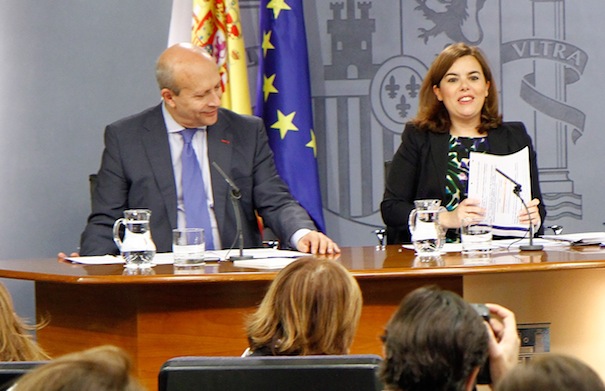
El Consejo de Ministros ha aprobado este jueves un Real Decreto-Ley por el cual se modifica el régimen de ayudas denominadas a la amortización en la producción de cine, presentes en la Ley del Cine de 2007, y se sustituyen por una nueva línea de ayudas anticipadas a la producción de largometrajes sobre proyecto, que convivirán con las tradicionales ayudas selectivas a proyectos.
Las nuevas ayudas permitirán la financiación progresiva de las producciones cinematográficas durante su desarrollo tal y como venía demandando el sector, frente a las ayudas a la amortización, que se convocan dos años después del estreno de la película, y que han demostrado ser un modelo insostenible en épocas de escasez presupuestaria. Este cambio permitirá disminuir los costes financieros de las películas en más de un 15%, y destinar la ayuda directamente a la producción.
El Real Decreto-Ley establece un periodo transitorio de tres años, para dar seguridad financiera al sector, en el que coincidirán las convocatorias de las ayudas nuevas y las anteriores, destinadas a la amortización. La primera convocatoria de estas ayudas automáticas a la producción de largometrajes sobre proyecto será en 2016.
El Consejo de Ministros ha aprobado también un suplemento de crédito extraordinario por valor de 16 millones de euros para abonar la amortización pendiente de 2014 y completar las necesidades presupuestarias de 2015 para estas ayudas al cine. El presupuesto del Fondo de Protección de la Cinematografía este año será de 52,5 millones de euros.
Ayudas de financiación progresiva
El régimen de la nueva línea de ayudas pretende adecuarse al ciclo de vida del proyecto de inversión cinematográfica, para mejorar la financiación de estas empresas y reducir sus costes financieros. En la convocatoria de las ayudas se determinará el porcentaje de pago que corresponderá a cada una de las fases de ejecución de la película, por ejemplo, ante la presentación del proyecto, el inicio del rodaje y la obtención de la calificación.
Las ayudas anticipadas se concederán de forma automática mediante la aplicación de criterios objetivos de valoración. Estos criterios así como la ponderación de los mismos, aspectos en los que ya se está trabajando, deberán concretarse en el Real Decreto y la Orden de desarrollo de esta Ley.
La determinación de estos criterios objetivos atenderá, entre otros aspectos, a la viabilidad económica y financiera del proyecto, a la difusión, distribución y plan de marketing, a la solvencia técnica del beneficiario, a la relevancia cultural española y europea, al carácter innovador del proyecto, así como al impacto socioeconómico de la inversión en España.
En la ponderación de criterios objetivos, además de tener en cuenta el fomento de la diversidad y promoción de la cultura de las películas, primarán las producciones cuyo objetivo sea lograr una importante difusión y el éxito comercial, habida cuenta de que ya existen otro tipo de ayudas a proyecto con las que se pretende fomentar los nuevos talentos que puedan surgir en el panorama cinematográfico español.
Cambio de modelo
El cambio de modelo de financiación del cine que se completa hoy se inició sobre el consenso con el sector, en el marco de la Comisión Mixta del Cine y el Audiovisual, cuyo primer resultado han sido las modificaciones introducidas con la Ley 27/20014, de 27 de noviembre, del Impuesto sobre Sociedades, por el que además de bajar en 2 puntos porcentuales este impuesto, se incrementó el porcentaje de deducción por inversión en producciones cinematográficas y series audiovisuales al 20% para el primer millón de euros. Se creó también un incentivo para rodajes extranjeros en España.
El Real Decreto Ley también amplía la obligación de informar sobre la calificación que corresponde a las obras para las empresas que presten servicios de vídeo bajo demanda y a los titulares de sitios web que ofrecen listados ordenados y clasificados de enlaces a otras web o servidores donde se alojen las obras cinematográficas o audiovisuales.
 Reacción de los productores
El presidente de los productores españoles, Ramon Colom, ha indicado que “es una estupenda noticia que, tras el arduo trabajo realizado desde FAPAE con las Administraciones, hayamos conseguido poner en marcha este nuevo modelo. Es la culminación de un trabajo realizado durante tres años”.
Colom ha asegurado que “tras este paso fundamental, tendremos que ver cómo se concreta el texto en el desarrollo legislativo. Habrá un período transitorio entre uno y otro de unos tres años, lo que permitirá un cierre ordenado del actual sistema y seguridad financiera, dando cobertura a las producciones que ya están en marcha. Pero aún nos queda mucho trabajo que desarrollar. Desde FAPAE, seguiremos trabajando intensamente en esta nueva etapa que comienza hoy”.
Hay cuestiones pendientes, como el aumento de los incentivos fiscales para igualarnos con otras cinematografías, pero este es otro asunto y hoy es día para celebrar”, ha indicado.
En las negociaciones mantenidas entre el Ministerio de cultura y FAPAE, para los productores era fundamental que en el tránsito entre uno y otro modelo no existiera inseguridad jurídica y se marcara un periodo transitorio, así como que se cumpliera con los pagos pendientes. La confirmación del compromiso por parte de la Administración para dar solución a estos pagos es también una excelente noticia para los productores audiovisuales.
“Ha sido un largo período de negociaciones, en el que quiero incidir en el trabajo realizado por los diferentes agentes del sector y administraciones públicas”, ha indicado Colom. “Este proceso fue iniciado por mi antecesor Pedro Pérez y continuado por Joxe Portela, como presidente en funciones durante seis meses. Un trabajo que hemos desarrollado con José Antonio Félez como presidente de AEC, con Fabia Buenaventura en su etapa como directora general de FAPAE, y con toda la Confederación de los productores audiovisuales (representantes de las Federaciones y Asociaciones) y que, tras tres años, hoy hemos conseguido que haya sido aprobado por el Consejo de Ministros”, ha concluido el presidente de la Confederación, Ramon Colom.
Did you like this article?
Subscribe to our NEWSLETTER and you won't miss anything.
Related articles
 Netflix da luz verde a la grabación de películas y series con la URSA Cine 12 LF de Blackmagic
 El Gobierno retoma el Proyecto de Ley del Cine y de la Cultura Audiovisual
 La Academia de Cine abordará la sostenibilidad del audiovisual en la 2ª jornada del Sello Verde
 Producer José María Morales collects the first Green Ray from the Film Academy and Greenpeace
 José María Morales, ganador del primer Premio Rayo Verde de la Academia de Cine y Greenpeace
 La Academia de Cine y Greenpeace crean el premio Rayo Verde
 The Government gives the green light to the draft Law on cinema and audiovisual culture that dilutes borders between cinema and TV
 El Gobierno da luz verde a la nueva Ley General de Telecomunicaciones
 La Academia de Cine crea un sello verde para impulsar la sostenibilidad
 La Academia de Cine se suma al Estatuto para la Producción Verde de The European Producers Club
 El Gobierno castiga al cine
 El Gobierno aprueba el Real Decreto que desarrolla el nuevo sistema de financiación del cine
 Christie installs Cape Verde's first digital cinema projector
 La reforma del modelo de las públicas y el futuro del CEMA, en la agenda del nuevo Gobierno