





Dolby takes a new step to forget glasses in 3D
Desarrollada por Dolby Labs, en colaboración con Philips, la nueva tecnología autoestereoscópica permitirá ver imágenes en 3D sin necesidad de usar gafas en pantallas de televisión, PCs y tabletas.
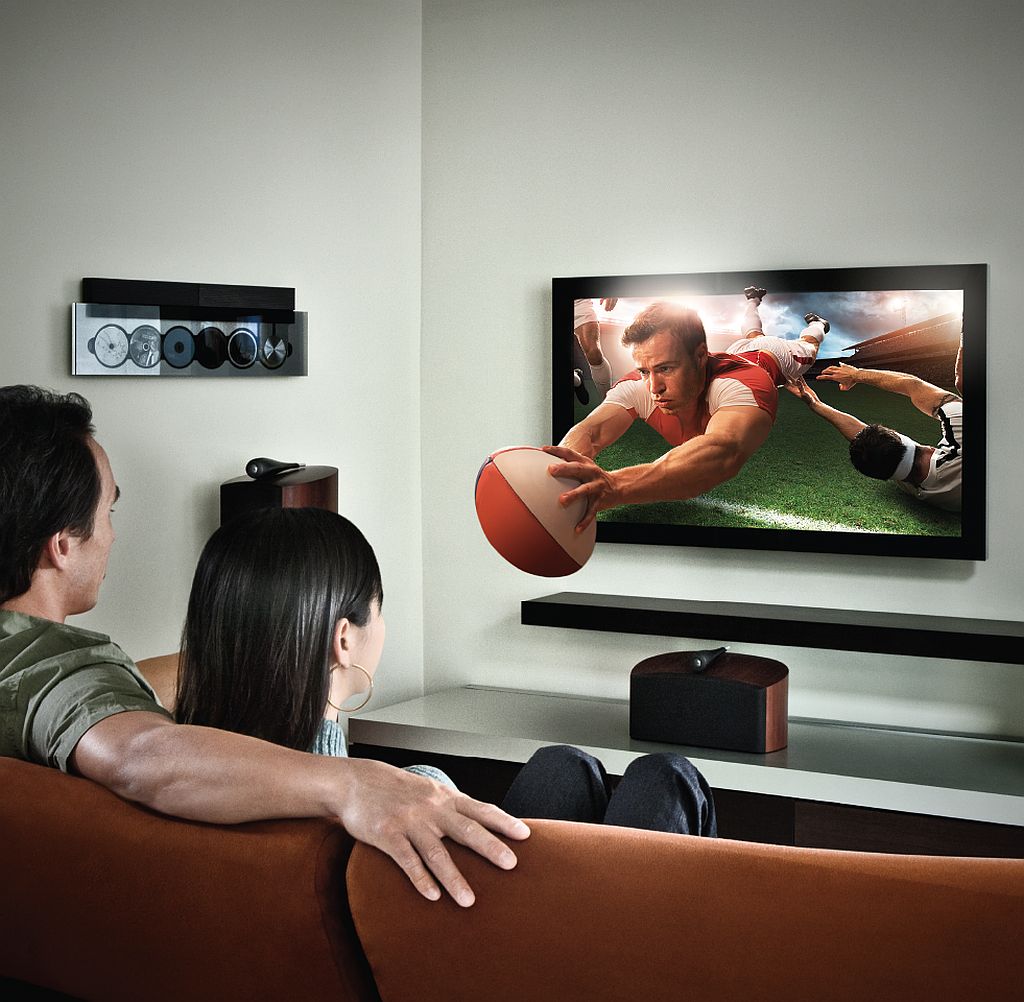
Coincidiendo con CES 2013 en Las Vegas, Dolby Labs ha llevado a cabo una nueva demostración de su tecnología autoestereoscópica. Esta propuesta, que continúa evolucionando a pasos agigantados, se basa en un sensor que localiza la posición exacta de cada persona frente la pantalla y, a través de un software y con absoluta precisión, dirige a cada espectador su propia imagen tridimensional.
Developed in collaboration with Philips, el nuevo proceso es compatible con televisores, ordenadores portátiles y tabletas. Según los técnicos de Dolby, el sistema conocido por ahora con el nombre genérico de “Dolby 3D” utiliza cinco procedimientos simultáneos: FCFR (Frame compatible con total resolución), software de mejora de señales de vídeo diseñado para dispositivos móviles que funcionan con protocolo procesamiento H.264, conversión 2D-3D en tiempo real para ajustar la profundidad de la imagen, sensor que se puede activar de forma automática o por el usuario, un procesador, y un decodificador de uso profesional que extrae las diversas capas contenidas en la señal original.
El sistema puede ser adaptado para su uso individual, como en las pantallas de tabletas, o de forma colectiva. En la gran feria de Las Vegas, pudimos ver la demostración sobre una pantalla de 55 pulgadas.
Cuando se trata de una emisión para varias personas, uno de los aspectos en los que trabaja Dolby es eliminar posibles retraso de apenas milisegundos que pueden darse. En las pantallas más pequeñas, es menos notable. Según Dolby, el perfecto funcionamiento depende de la disposición interna de los lentes utilizadas en cada unidad. El algoritmo creado para Dolby 3D permite crear nueve capas de imagen, pudiendo llegar a 120 capas en algunos televisores, consiguiendo así un efecto tridimensional muy natural.
Dolby ahora trabaja con productores de video y estudios de cine de Hollywood, cuyos nombres no han sido aún revelados, para promover la adopción del sistema en sus producciones. Roland Vlaicu, director de Dolby, destaca que durante CES acudieron al espacio de la compañía numerosos cineastas para presenciar las demostraciones, “y todo el mundo pensaba que el nivel de profundidad alcanzado fue genial. Estamos convenidos de que los fabricantes de televisores están dispuestos a introducir la novedad en la próxima generación de modelos 4K”.
Did you like this article?
Subscribe to our NEWSLETTER and you won't miss anything.
Related articles
 Christie and Dolby team up to develop first Dolby Vision laser projection system
 Dolby to collaborate with Cinemo to accelerate the Dolby Atmos audio experience in the car
 Álex de la Iglesia once again trusts Best Digital to mix his new film 'My Big Night' in Dolby Atmos
 The new Inmarsat-5 F2 takes a new step towards global access to high-speed broadband
 Christie and Dolby partner to develop Dolby Vision projection system for Dolby Cinema
 Cinegy, now with support for Dolby Digital and Dolby E
Dolby 3D: the path to glasses-free autostereoscopy
Cinegy, now with support for Dolby Digital and Dolby E
Dolby 3D: the path to glasses-free autostereoscopy
 Google's innovative glasses for augmented reality, ready for launch in 2014
 TVE takes a new step towards television connected with '+24'
 Dolby will show Dolby 3D without glasses for the first time in Europe
 Panasonic, Sony, Samsung and XpanD agree on a standard for active 3D glasses
 BBC takes a new step in television connected to the Internet
 Panasonic takes a new step in the Smart TV revolution
 Cintel Origin, a new step in restoration