





Straight to the heart of the content with TV Everywhere
Verificar que el usuario ha pagado por el contenido al que accede, resulta fundamental en los nuevos modelos de negocio. Tom Abbott, Developer Evangelist de Brightcove, ofrece en esta Tribuna algunas claves relacionadas con aspectos fundamentales en Tv Everywhere como la autenticación.
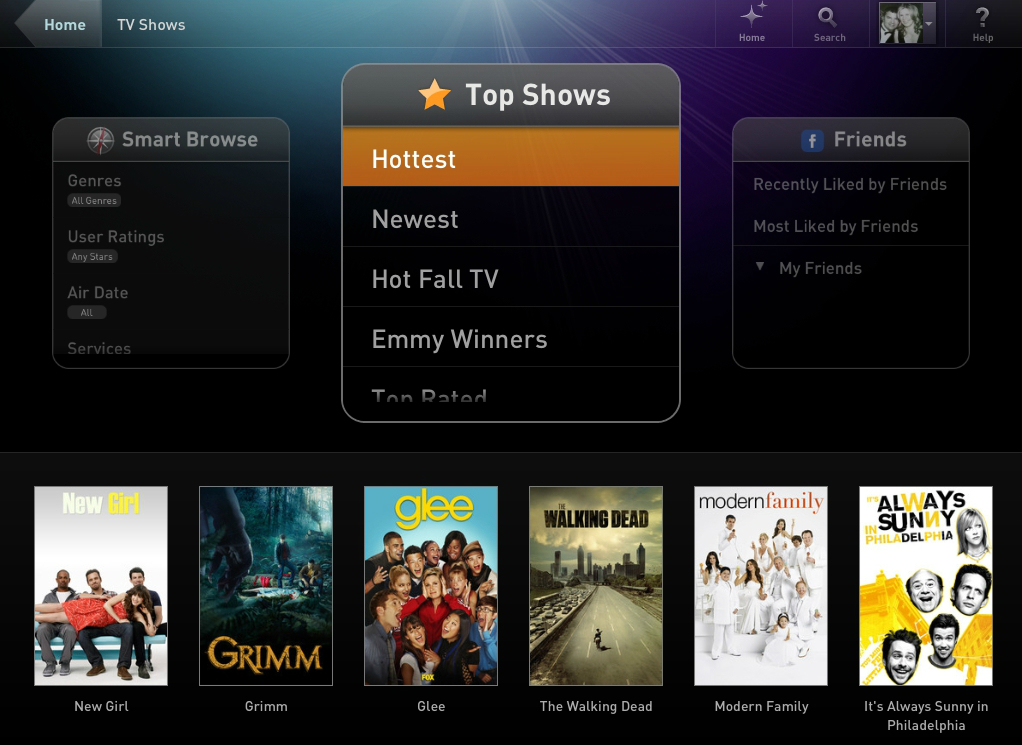
TV Everywhere es todo un descubrimiento. Te permite ver la televisión cuando quieres, pero controlando el contenido para permitirte ver sólo aquellos por los que has pagado. Si los clientes no pagasen no habría una gran programación que ver. De hecho, echando un vistazo a mis aplicaciones favoritas para televisión en el iPad, las que más utilizo son las que poseen autentificación TV Everywhere.
Una de las cuestiones clave es que para conseguir soluciones TV Everywhere hay que asegurarse de que todo esté en el sitio que corresponde. Veamos la estructura y autentificación de la plataforma que hace posible TV Everywhere.
TV Everywhere, simplificando, es un sistema de verificación que permite a los proveedores de contenidos asegurarse de que el usuario ha pagado por ese contenido. Por ejemplo, supongamos que tenemos un canal de televisión llamado TomTV que emite para dispositivos Android. Es difícil saber si el usuario ha pagado por el contenido en mi página web www.tom.tv (esta información no la obtiene TomTV sino el proveedor de cable). Este es el problema que intenta resolver la autenticación en TV Everywhere.
En el ámbito de la seguridad, esto suele denominarse autenticación federada o la autenticación de confianza. La autenticación federada está pensada para métodos de identificación de una sola vez, algo muy cómodo para el usuario. Esto se hace estableciendo protocolos de seguridad y confianza entre los diferentes sistemas. Como usuarios de web/móvil, experimentamos esto cada vez que entramos en Facebook para utilizar un servicio que no es de Facebook. Se confía en que Facebook hará la autenticación del usuario.
Como propietario de TomTV, necesito confiar en un proveedor de cable para autentificar y autorizar a un usuario a ver mis contenidos. Hay una amplia variedad de tecnologías que posibilitan la autentificación (OAuth, Open ID y SAML). Y a un nivel superior ya hay soluciones que han implementado estas tecnologías y tienen protocolos para potenciar sus sistemas. Dos de los principales sistemas de autentificación de TV Everywhere son Adobe Pass y Sola Vision Identity Services de Akamai.
Tanto Adobe Pass como Akamai Identity Services ofrecen a los distribuidores de programación de video multicanal (MVPD) que puedan registrarse como proveedores de autentificación de usuarios. Pueden utilizarse estos proveedores para autenticar y autorizar usuarios. Esto es de vital importancia para la autentificación de TV Everywhere, porque permite que los usuarios puedan autentificarse en un amplio abanico de sitios (como Comcast, Verizon o Dish Network).
Dicho esto, el proceso común para autenticación en TV Everywhere sería el siguiente:
- El usuario accede a una página web para ver un catálogo de videos disponibles. Algunos pueden requerir autorización, otros no.
- Si el usuario hace clic sobre un vídeo que requiere autorización, se abre un cuadro de diálogo que muestra el MPVD común para que el usuario elija donde autentificarse.
- Cuando el usuario selecciona su MVPD es redirigido a una página de acceso a las credenciales de entrada.
- Si el usuario puede autentificarse, es redirigido a la página del vídeo que quería ver.
- Al seleccionar de nuevo un vídeo que requiere autorización, la comunicación se hace en segundo plano. Se obtiene un token con una declaración por parte del sistema de que el usuario puede reproducir el vídeo y necesita verificación por parte del servidor que aloja el contenido. Todo el proceso es trasparente para el usuario final.
- Si se puede verificar el token, el usuario podrá reproducir el vídeo.
Tom Abbott
Developer Evangelist de Brightcove

Did you like this article?
Subscribe to our NEWSLETTER and you won't miss anything.
Related articles
 World Surf League to offer more than 1,000 hours of live content with LTN
 Fastly y Dazn abordan los retos de la distribución de contenido deportivo en directo
 Verizon, Bloomberg, Zixi and AWS study how to use 5G to transmit live UHD content
 ADL Productions uses JVC solutions to live stream Strongman competitions
 Tom Ford broadcasts 1,500 hours of live content with Blackmagic Design solutions
 Vualto technology helps ITV bring niche live content to its viewers
 La japonesa Alamode transmite en directo y graba contenido web con AJA Helo
 Atomos y Roland colaborarán para agilizar el control de la captura de contenido multicámara en directo
 Contenido y tecnología se funden en un IBC con 56.390 visitantes
 Never.no helps attract social content to live streaming
 El 5G y el recorrido del contenido premium
 DIRECTO> El Congreso Telcom’18 de FENITEL, en directo en Panorama
 El contenido, rey de la I Jornada Cultura en Red
 Puma elige la plataforma Video Cloud de Brightcove para la distribución de su contenido audiovisual