





The RAI launches a test pilot under DVB-T2 and T2-Lite standards
The tests focus mainly on mobility environments, observing very good reception at speeds of up to 130 km/h.
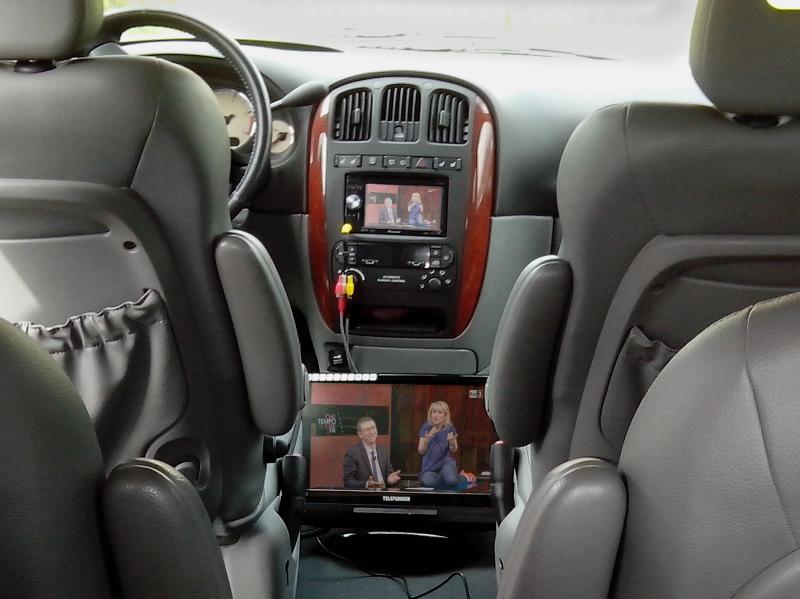
The RAI Research Center (CRIT), in collaboration with RaiWay, has launched a pioneering experience of DVB-T2/T2-Lite broadcasting on UHF channel 53 in the Aosta Valley area. With two transmitters located in Salirod-St.Vincent and in the surroundings of Aosta (Gerdaz-Aosta) the RAI managed to deploy a small single frequency network (SFN) with DVB-T2 standard.
This experience will allow the Italian public broadcaster to check the response in SFN networks of the second generation of the DVB standard with respect to transmitter synchronization, overlapping management between coverage areas, delay management in statistical interference zones...
The modulation used responds to these modulation parameters:
- DVB-T2: Constellation 256QAM, FEC ¾, FFT 32k, Guard Interval 1/128 (corresponding to 28 μS), Pilot Pattern PP7, Bit Rate 28.2 Mbit/s.
- DVB-T2-Lite: QPSK Constellation, FEC ⅓,½ and ⅔, FFT 8k, Guard Interval 1/32 (corresponding to 28 μS), Pilot Pattern PP4, Bit Rate 2.2 Mbit/s.
The tests with DVB-T2-Lite have focused on mobile reception, using a prototype Sony receiver with a CXD2837 chip.
Preliminary results in mobile reception point to very good coverage on all types of roads, in the majority of the coverage area of the area (from Arnad to Aymavilles) and good coverage on secondary communication routes. The tests have been carried out at speeds of up to 130 km/h. As for fixed reception, reception was very good at any point.
Did you like this article?
Subscribe to our NEWSLETTER and you won't miss anything.
Related articles
 Eurovision Washington launches a pilot system for remote content production and delivery with VSN technology
 South Korea launches first emergency alert service under ATSC 3.0
 KPN Telecom launches a pilot in 4K UHD
 Radio France launches tests with binaural sound with the help of Yamaha Nuage
 TV3, i2CAT and Cellnex Telecom successfully complete hybrid television pilot tests
 The EBU, together with VRT and several partners, launches a pilot experience of the first fully IP study
 Media Broadcast carries out HD broadcast tests under the DVB-T2 / HEVC standard
 Ecuador begins DTT technical tests under ISDB-T standard
 Cuba launches a DTT pilot project under the DTMB standard
 Promax supports the DVB-T2 Lite standard at the Mobile World Congress
 Radio Television of Galicia begins connected TV tests under the HbbTv standard
 Abertis Telecom begins pilot tests of the DVB-T2 standard
 BBC begins testing with new DVB-T2 Lite standard
 Chile begins digital emissions in tests under the ISDB-Tb standard