





55% of homes in the world already receive digital television
En el mundo desarrollado, se estima que el 81 por ciento del total de hogares con TV ahora reciben una señal digital.
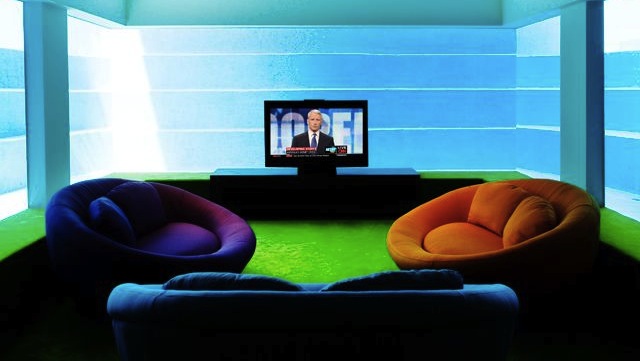
La Unión Internacional de Telecomunicaciones (UIT) ha llevado a cabo un análisis en el que se pone de manifiesto el cambio masivo de la tecnología analógica a la televisión digital, con más del 55 por ciento de los hogares con TV recibiendo señales digitales frente a sólo el 30 por ciento en 2008.
En su Informe Anual para Medición de la Sociedad de la Información 2013, en el mundo desarrollado, se estima que el 81 por ciento del total de hogares con TV ahora reciben una señal digital. Pero la conversión al sistema digital también está avanzando a buen ritmo en el mundo en desarrollo, donde el número de hogares que reciben televisión digital casi se triplicó en el período de cuatro años comprendido entre 2008 y finales de 2012, llegando a 42 por ciento.
El número de abonados a la televisión de pago en todo el mundo aumentó un 32 por ciento entre 2008 y 2012, superando a la televisión gratuita en 2011. A finales de 2012, existía un total de 728 millones de suscripciones de televisión de pago, lo que significa que el 53 por ciento de todos los hogares con televisión contaba con una suscripción de televisión de pago.
El nuevo informe señala que las plataformas de televisión tradicionales en cable y satélite se enfrentan a la creciente competencia de los proveedores de servicios de IPTV y la televisión terrestre TDT.
Al mismo tiempo , la entrega de televisión a través de Internet se está convirtiendo cada vez más popular, especialmente a través de servicios OTT, sobresaliendo ya proveedores de contenidos audiovisuales como YouTube, Netflix y o PPLive en China.
La tecnología de mayor crecimiento relativo fue de IPTV, con el aumento de las suscripciones totales de más de cuatro veces en el período de cuatro años. En términos absolutos, sin embargo, la IPTV todavía representa una cifra marginal del total de hogares con TV (el 5% en 2012).
A nivel mundial, las cifras de la UIT estiman en 1.400 millones los hogares con al menos un aparato de TV a finales de 2012. En el mundo en desarrollo en su conjunto, el 72 por ciento de los hogares tenían una televisor, en comparación con el 98 por ciento de penetración en los hogares en los países desarrollados. En África, menos de un tercio de los hogares contaban con un televisor a finales de 2012.
La UIT Medición de la Sociedad de la Información el informe , dado a conocer todos los años, es la instantánea más completa del mundo de las tendencias mundiales de las TIC. Incluye índice de la UIT de las TIC para el Desarrollo ( IDI) , un índice global única que clasifica 157 países según su nivel de acceso a las TIC , el uso y habilidades. El IDI es ampliamente reconocida por el gobierno, agencias de la ONU y de la industria como la medida más precisa del desarrollo global de las TIC nacional.
Traductor de Google para empresas:Google Translator ToolkitTraductor de sitios webGlobal Market Finder
Did you like this article?
Subscribe to our NEWSLETTER and you won't miss anything.
Related articles
 Atresmedia Internacional reaches a new milestone: 65 million homes around the world
 El 93% de los hogares portugueses cuenta ya con televisión de pago
 Los Reyes reciben en audiencia a la Junta Directiva de la Academia de Televisión
 SES reaches 355 million homes worldwide
 África contará en 2024 con 46 millones de hogares abonados a televisión de pago
 La televisión de pago se convierte en el servicio peor valorado por los hogares españoles
 In 2021, pay television in Spain will reach 7.1 million homes
 Austria reunirá del 13 al 15 de marzo a especialistas de todo el mundo en televisión digital
 Los tres canales internacionales de Atresmedia llegan ya a 31 millones de hogares abonados en todo el mundo
 Uno de cada cuatro hogares en España cuenta ya con un servicio de televisión de pago
 Forty-two million homes in the US now enjoy connected television
 SES now reaches 291 million homes around the world
Más de mil millones de hogares disfrutarán de televisión digital en 2014
SES now reaches 291 million homes around the world
Más de mil millones de hogares disfrutarán de televisión digital en 2014
 Los sistemas de proyección 4K SRX-R515P de Sony Digital Cinema reciben la aprobación de la DCI