





Inaugurado en Río el IBC del Mundial
El IBC, que se extiende sobre 55.000 m2, funciona como una aldea mediática, con estudios, electricidad, telecomunicaciones, tiendas, salones y restaurantes para atender las necesidades de los miles de trabajadores de broadcasters de todo el planeta
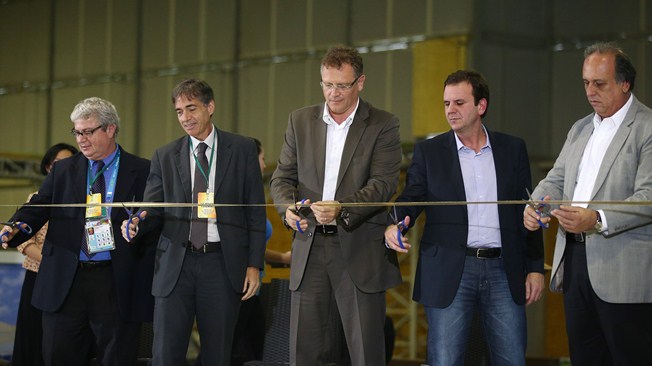
El Secretario General de la FIFA, Jérôme Valcke, y el Secretario Ejecutivo del Ministerio de Deportes de Brasil, Luis Fernandes, ha inaugurado esta semana el Centro Internacional de Comunicaciones (IBC) para la Copa Mundial de la FIFA Brasil 2014.
El IBC, situado en el complejo Riocentro de Río de Janeiro, es el centro neurálgico para la producción televisiva de la FIFA de Brasil 2014, y proporcionará a miles de millones de aficionados de todo el planeta toda la acción y la emoción del acontecimiento unideportivo más importante del mundo. Más de tres mil millones de personas vieron la cobertura de Sudáfrica 2010.
“Éste es nuestro vínculo con el mundo”, declaró Valcke a los periodistas en la ceremonia inaugural. “Desde aquí, todo el mundo se conectará al Mundial”.
En este acto crucial en el camino hacia la cita mundialista, Valcke y Fernandes estuvieron acompañados por el Gobernador del estado de Río de Janeiro, Luiz Fernando Pezão, el Alcalde de Río de Janeiro, Eduardo Paes, el Secretario Ejecutivo del Ministerio de Comunicaciones, Genildo Lins, el Director de TV de la FIFA, Niclas Ericson, y el Consejero Delegado del Comité Organizador Local de la Copa Mundial de la FIFA 2014, Ricardo Trade.
El IBC es el centro que ayuda a hacer que la Copa Mundial de la FIFA sea una competición verdaderamente global. La FIFA invierte en la producción audiovisual de la competición para garantizar que, en todas partes, el público pueda disfrutar de la mejor cobertura deportiva, desde la tecnología visual más moderna hasta una amplia gama de ofertas multimedia.
Una competición global
En los 64 partidos de Brasil 2014, los equipos de producción de TV de la FIFA emitirán imágenes al IBC, desde donde se proporcionará material audiovisual a los licenciatarios de los derechos de difusión de la FIFA para su retransmisión en todos los territorios.
La creación del IBC ha supuesto mejoras importantes en la conectividad por todo Brasil dentro de una mejoría general de las infraestructuras para la economía brasileña; incluidos enlaces de fibra óptica por toda la región del Amazonas. “Ésta es una parte importante del legado de la Copa Mundial”, afirmó Fernandes.
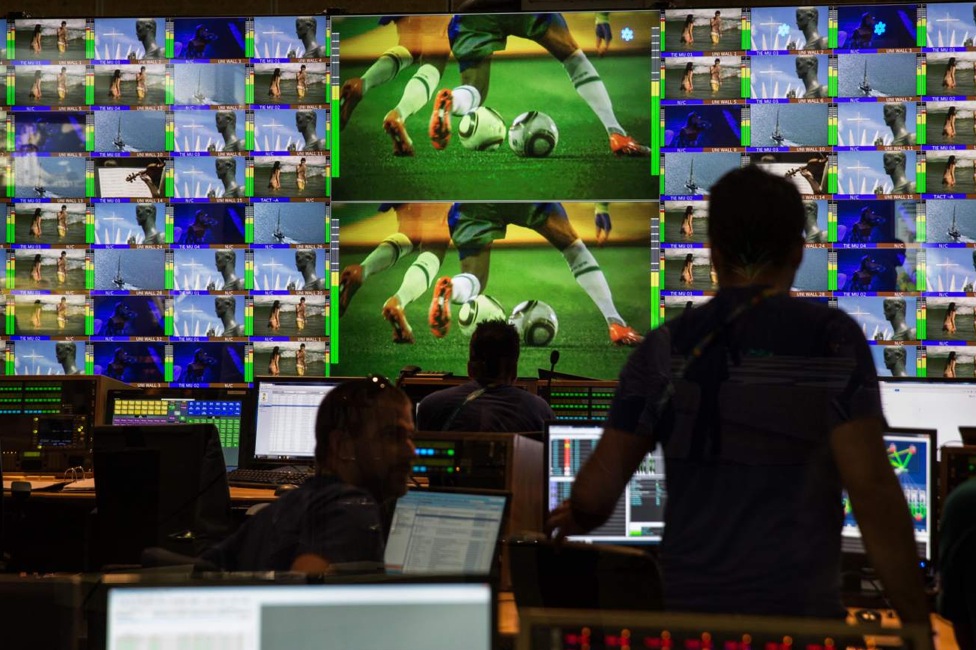
El IBC, que se extiende sobre 55.000 m2, funciona como una aldea mediática, con estudios, electricidad, telecomunicaciones, tiendas, salones y restaurantes para atender las necesidades de los miles de trabajadores de broadcasters de todo el planeta. “Gracias al IBC, las imágenes del Mundial llegarán a la mitad de la población mundial”, resaltó Fernandes.
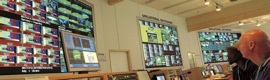
En las instalaciones existen 17 estudios de televisión para los licenciatarios de los derechos de retransmisión (MRL) con hasta 400 m2, espacios de trabajo para 86 MRL, más de 100 kilómetros de cableado eléctrico primario y secundario, 350 pantallas HD de 40 pulgadas y un recinto de comunicaciones por satélite de 6.000 m² en una estructura que se tardó cinco meses en montar. Después de la final, harán falta siete semanas para desmontar toda la instalación.
Did you like this article?
Subscribe to our NEWSLETTER and you won't miss anything.
Related articles
 EVS confirms its participation in the FIFA World Cup Qatar 2022
 ‘Home of Giants’, a “reference” eSports center in southern Europe, opened in Malaga
 The largest Digital Content Center in Spain inaugurated in Malaga
 TVE's promotion of the Barcelona 2013 Swimming World Cup, Promax World Silver Award
 Un Mundial con audiencias millonarias
 Sony announces the companies with which it will offer the World Cup in Brazil
 FIFA will produce three matches of the World Cup in Brazil in Ultra High Definition
 Sony closes an agreement with HBS and FIFA for coverage of the World Cup in Brazil
 EVS in coverage of the Women's World Cup in Germany
 Brasilia, Río de Janeiro and São Paulo, candidates to host the IBC of the 2014 World Cup
 ARD Radio da cobertura al Mundial con Lawo
 A Colombian, Broadcast Liaison Officer at the World Cup
 Great deployment of Canal+ for the World Cup
 All the secrets of the 2010 World Cup, revealed