





Thousands of children participate from their homes via webcam in a German ZDF children's contest
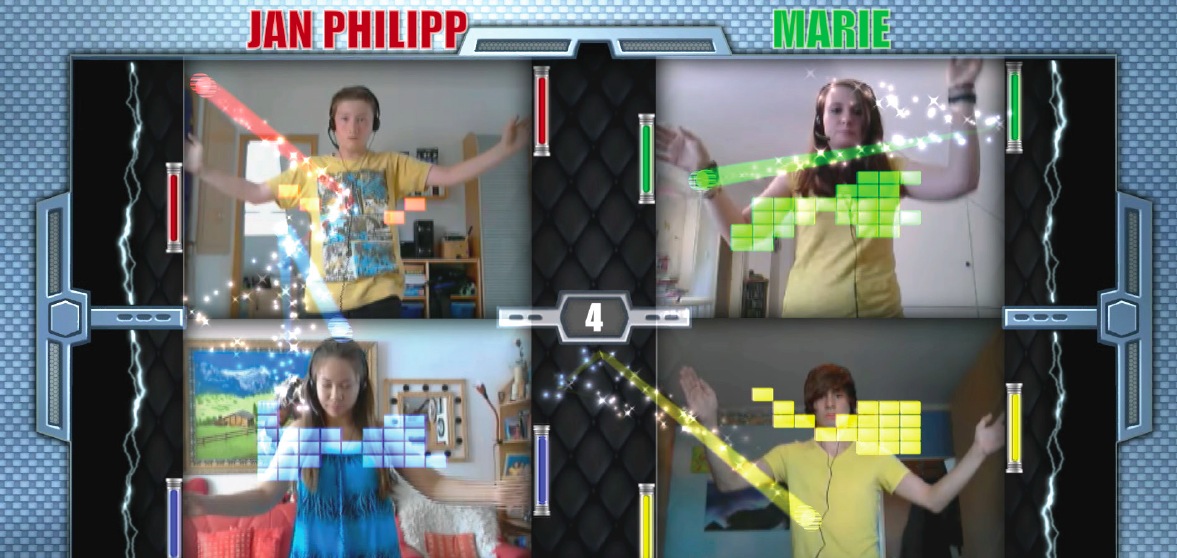
La tecnología de Ventuz aplicada al concurso alemán infantil ‘Web vs. Promi’ permite a los espectadores competir desde sus casas contra una celebridad en el estudio. Los concursantes participan usando sus webcams y un sensor de movimiento basado en un shader.
Uno de los mayores retos para las televisiones hoy en día es conseguir la participación de los espectadores. Tender un puente entre el estudio y las familias en sus casas, es una de las mayores aspiraciones de la televisión, y los productores, creadores y directivos audiovisuales siguen buscando soluciones innovadoras para conseguirlo.
La televisión pública alemana ZDF ha estado considerando esta idea durante años, un concurso interactivo para niños, donde los chavales puedan jugar entre si desde sus casas, moderado por un presentador en el estudio. Se hicieron varios programas piloto para KiKA, el canal de ZDF enfocado al público infantil.
La mayoría consistían en preguntas y retos variados, como recoger todos los objetos que un chico podía encontrar por su casa en un cierto tiempo. Aunque se utilizaron sistemas avanzados, todos los programas chocaban con el mismo problema, demasiado retardo en las señales de video.
Todo esto provocaba que la comunicación entre los participantes y el estudio fuese muy rígida y compleja, lo que no sólo entorpecía la participación de los concursantes, sino que afectaba al ritmo general de todo el programa.
Finalmente, el proyecto acabó llegando a las manos de la agencia Rayd, basada en Munich. “Cuando nos llamaron, la ZDF ya había decidido darle un enfoque más complejo al programa“, explicaba Oliver Grimm de Rayd. “Querían incorporar videojuegos para que los niños pudieran jugar desde sus pantallas contra un famoso en el plató. Pero seguían teniendo el problema del retardo, lo que significaba un doble reto para nosotros“.
Rayd, por su gran experiencia en la tecnología para broadcast y en el desarrollo de concursos, cambió completamente el flujo de trabajo, empezando desde cero. “Comenzamos con el sistema de comunicación de video“, nos comenta Johaness Klaer de Rayd, “¨rápidamente nos cuenta de que ninguno de los sistemas habituales podría valer para este proyecto“.
Crearon un plugin basado en Flash para navegadores de internet de forma que los chicos pudieran acceder simplemente abriendo una página específica en internet, sin necesidad de instalar ningún software adicional en sus ordenadores. Esto redujo el retardo de las 6 fuentes de vídeo entrantes, cuatro concursantes y dos suplentes, a menos de medio segundo.
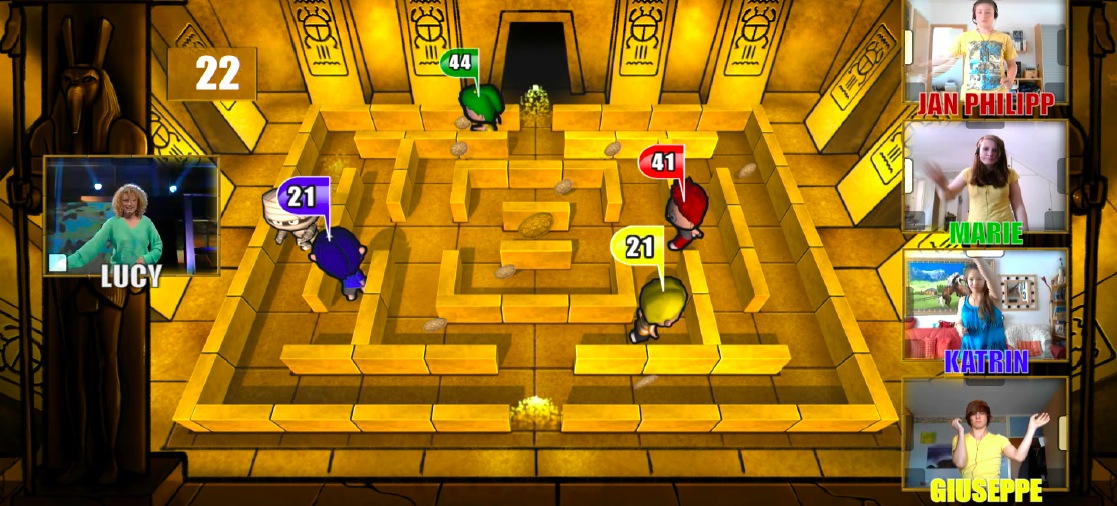
Otro gran reto era la creación de los juegos, Rayd creó una gran variedad de ellos, desde adaptaciones de clásicos como Pong, hasta simuladores de vuelo o de carreras.
Los concursantes participaban usando sus webcams y un sensor de movimiento basado en un shader desarrollado para el programa, que seguía los movimientos de los concursantes y los trasladaba al entorno del juego. En las pantallas de sus casas los niños podían ver el juego superimpuesto sobre sus propias señales de vídeo. Para la segunda temporada del programa, Rayd añadió comandos de voz a los juegos para hacerlos aún más interesante.
Con tres fuentes de datos por cada concursante, video, audio y datos del sensor de movimiento, el servidor del concurso realmente tenía mucho trabajo que hacer. Además de manejar la lógica del concurso, el software tenía que calcular todas las puntuaciones y clasificaciones, y transmitir dicha información al sistema de control, otro desarrollo propio de Rayd.
El workflow
El objetivo final era reunir toda esa información (señales de vídeo de los concursantes, señales del juego en tiempo real, puntuaciones e imágenes de las cámaras) en una señal HD para su emisión. Para este propósito, Rayd usó tres sistemas con el software de gráficos en tiempo real Ventuz. En total, tres servidores se instalaron, cada uno controlando un aspecto específico del programa. Una máquina estaba equipada con una tarjeta Deltacast de captura de vídeo HD, que permitía dos entradas de video HD, una con el render del juego en tiempo real, mientras la otra recibía las seis señales de vídeo de los concursantes y del famoso en el plató, todas ellas en una señal múltiple. “Creamos una función de enmascarado en Ventuz, para controlar qué áreas de la pantalla dividida aparecían en determinadas posiciones en la emisión. Esto nos permitía situar las señales de vídeo de los concursantes exactamente donde las necesitábamos”, explica Oliver.
Un segundo sistema de Ventuz se usaba para generar los gráficos on-air en tiempo real. Rayd creó una gran cantidad de marcos gráficos en Ventuz Designer, cada uno de ellos de acuerdo al aspecto del juego en el que se situarían los gráficos. Entonces las señales de vídeo de todos los participantes se distribuían por el área del juego, y sus nombres e información adicional se añadías como otra capa de texto adicional. La escena de Ventuz recibía dicha información desde el software de control usando un protocolo basado en .NET.
Entre juegos, el sistema de Ventuz también manejaba los gráficos con las clasificaciones, “la primera tabla de clasificaciones que incluía vídeos en tiempo real de los concursantes en la historia de la televisión”, afirma Johannes. Una tercera máquina con Ventuz se usaba para generar el contenido del videowall en el plató, una retroproyección en HD que presentaba toda la información a los espectadores en el estudio y mostraba las puntuaciones y clasificaciones, así como vídeos a pantalla completa y en tiempo real de los chicos en sus casas.
Ventuz ha sido el sistema de referencia de gráficos en tiempo real de Rayd durante muchos años. “No hay ningún software en el mercado que pueda competir con Ventuz”, comentaba Oliver, “y por supuesto el precio es una gran ventaja, pero, lo que realmente marca la diferencia, es lo que como agencia puedes ofrecer a los clientes. Ventuz tiene tantas pequeñas herramientas y opciones que te ayudan a diseñar gráficos realmente atractivos, incluyendo animaciones avanzadas, Pero, al mismo tiempo, puedes trabajar realmente rápido. Así que incluso con un presupuesto muy ajustado, los gráficos pueden tener la apariencia de gráficos en profesionales de alto nivel”.
Las dos temporadas de Web vs. Promi han sido todo un éxito para los canales KiKA y ZDF, con una cuota de pantalla de alrededor del 17%, una cifra que además aumentó con el tiempo. Aunque la segunda temporada terminó en 2013, todos los episodios siguen emitiéndose de forma habitual, consiguiendo todavía una audiencia notable. Web vs. Promi fue nominado a los Premios Emmy para programas digitales en 2013. Hasta ahora, ninguna otra producción ha conseguido semejante nivel de interactividad con los espectadores en sus casas.
[youtube]https://www.youtube.com/watch?v=CU78QQeIIPE[/youtube]
Did you like this article?
Subscribe to our NEWSLETTER and you won't miss anything.
Related articles
 RTVE and Lavinia will put order in the homes of Spaniards with 'Ordena tu vida'
 Dazn expands presence in betting houses with low latency streaming of LTN
 Does the future of film festivals involve reaching viewers' homes?
 El programa infantil sueco ‘Trex’ graba con la Pocket Cinema Camera 4K
 Filmax shoots with Mario Casas 'You will not kill'
 Vuelve el concurso ‘Juego de niños’ a La 1 con Xavier Sardá y producción de Visiona TV
 WildBrain gestionará el extenso catálogo de contenido infantil de BRB en Youtube
 The German ZDF implements EditShare media and storage management in its international delegations
 The Goya, the most viewed since 2013 and the most widely accepted since 2011
 Despega Boing, el nuevo canal infantil de Telecinco
 Telecinco lanzará Boing, un nuevo canal infantil y juvenil
 Control total de microfonía inalámbrica desde PC o ahora también desde Mac
 Orson the Kid: niños cineastas en la ONU
 Internet, la ‘tele’ de los niños