





The future of television… is television
Videology presents its programmatic television platform in Madrid with which it aims to reinforce the strategic value from a marketing point of view for both linear and non-linear television.
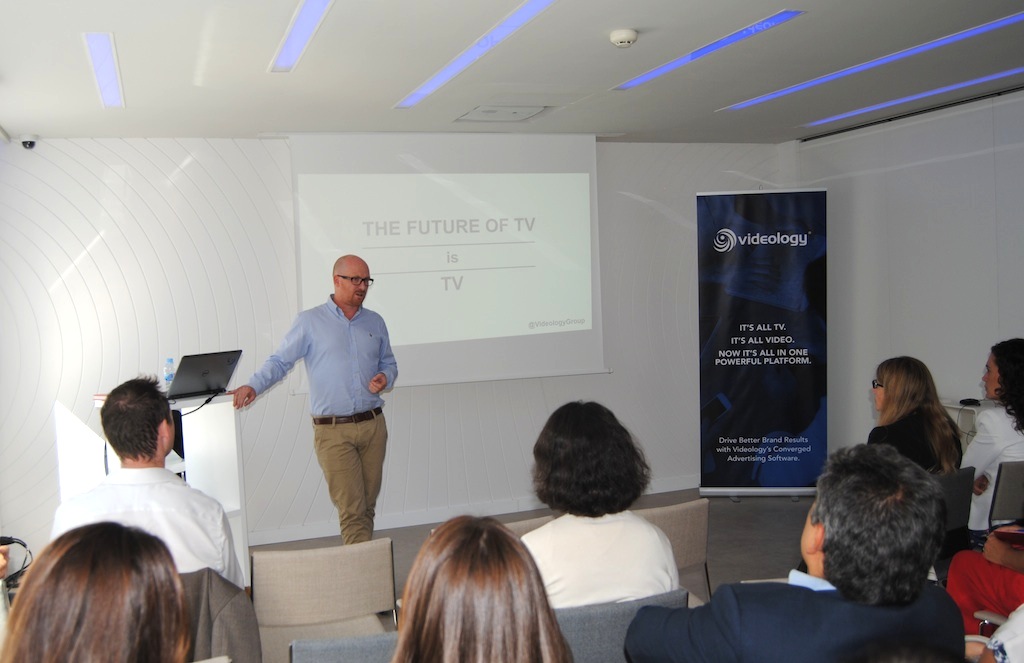
The digitization of television distribution will allow it to maintain its value as a marketing platform. On this premise, Videology This Thursday in Madrid it presented its programmatic television platform.
José Enrique Rodríguez Rizzo, regional director of Videology for Southern Europe, opened this presentation by reviewing the short, but intense history of Videology in Spain, where they have operated for three years, taking an active part in the transformation of the advertising sector. Rizzo has highlighted how "for brands, advertisers, agencies, media... a platform like Videology is positioned as a technological tool... as a powerful platform that combines TV and video. When Viodeology began its activity eight years ago internationally, it focused on demand, seeking a greater ROI for brands. Now, we have evolved from a DSP platform to a unified platform offering solutions to supply, the media, and to demand, the brands."
For his part, Rhys McLachlan, global director of television strategies at Videology, has analyzed where we are now and what we can expect next from television as a marketing platform as well as what the new foundations and critical components are and what metrics will be used in television and video from now on.
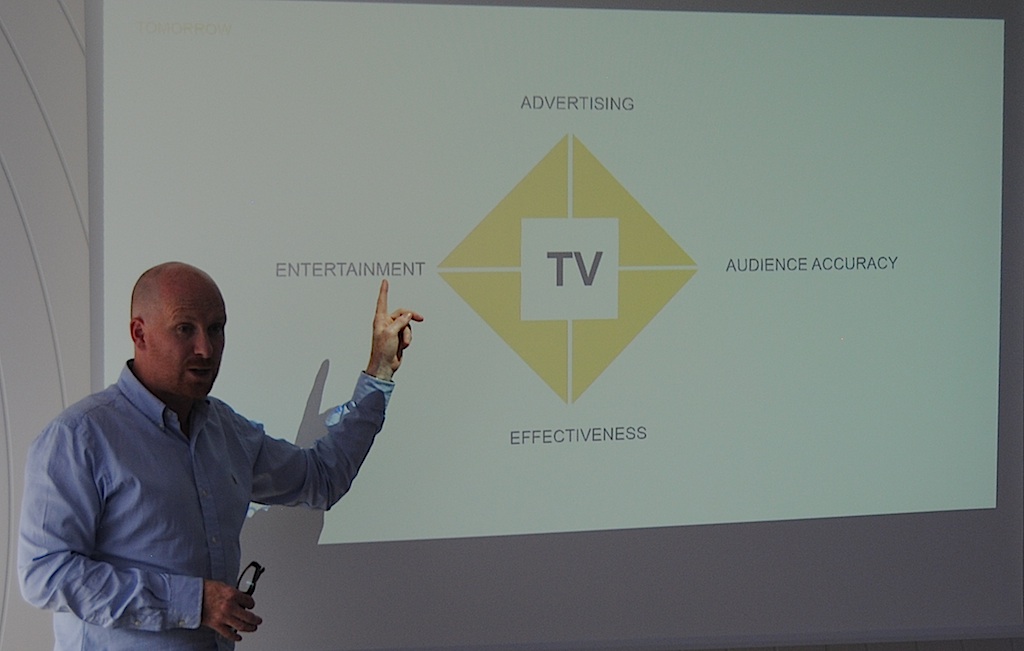 McLachlan has emphasized that television, despite those who believe otherwise, is more alive than ever, as shown by the fact that television advertising revenue has grown in Spain by 13% between 2012 and 2014 (despite the difficult economic situation), while consumption has remained stable in recent years. “Despite the crisis, I see a very strong sector in Spain,” he acknowledged.
On the other hand, he highlighted that the emergence of IP TV has increased by 100% from 2013 to 2015. In fact, 10% already have their television or STB connected to the Internet, increasing VoD/OLV viewing by 38%.
To face the new challenges that arise, in his opinion, “television must rethink its technology, its tools and its orientation.”
An important aspect of this entire revolution is related to the media's use of big data. “The behavioral data obtained from the user's STB, as well as the possibility of taking advantage of the information contained in the subscriber database, should allow us to forecast, plan better and obtain reliable reports.”
McLachlan predicts that 83% of television will be programmatic, but to do so, 87% of the metrics used today on television would require profound changes. Finally, he pointed out that "the television ecosystem will remain intact based on entertainment, more dynamic, programmatic and segmented advertising), the accuracy of the audience (who receives what we broadcast and how they consume it) and effectiveness. The future is not the digitization of television but the televisation of digital."
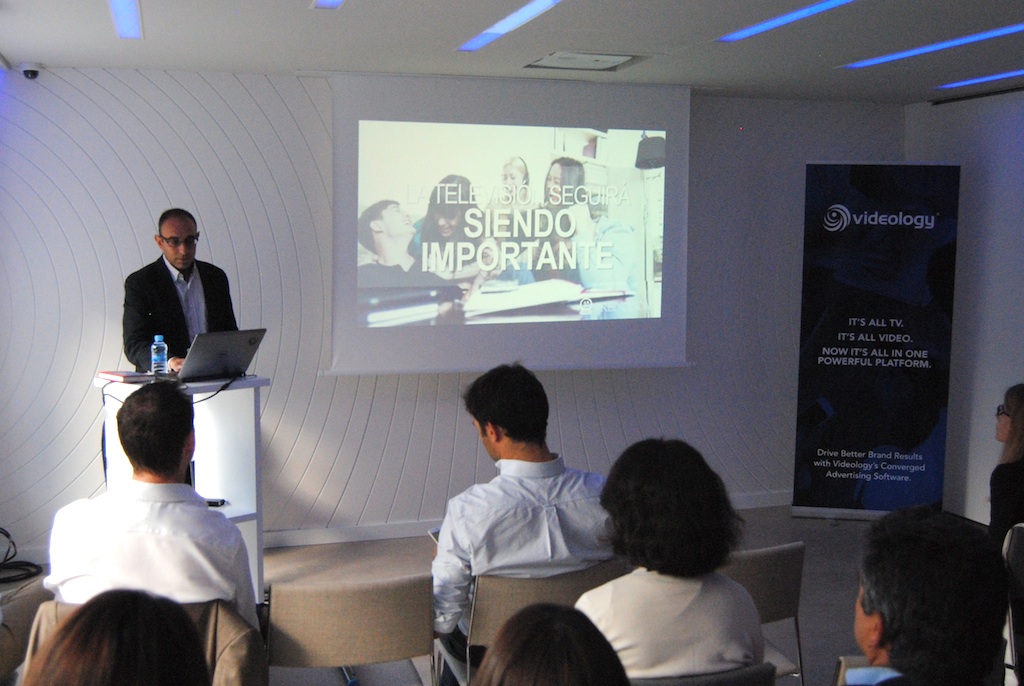
The vision of Atresmedia and Mediaset
For this day, Videology has invited representatives of two of the main multimedia groups in Spain.
Javier Andrés, marketing director Atresmedia Publicidad, has been convinced that "the health of television is better than ever due to content, due to technology, since it is consumed how, where and how the viewer wants, and with a consumer dedicated to television who dedicates four hours a day to it and also watches content on other devices."
In his opinion, television will continue to be important, two consumption models will prevail (linear for events, live, own production, free...; and deferred on demand for recorded programming, third-party production, pay, repetitions)... and both will feed off each other. On the other hand, consider that networks, programs and presenters should be brands that can be exploited in many ways. It also recognizes that in addition to the implementation of quality coverage as a fundamental concept, technology will be essential (HbbTv, apps, t-commerce...).
Finally, he has called for a legislative reform that adapts to a new television environment marked by a symbiosis between advertising and content... and has announced that measurement will focus on behavioral targets, measuring the effectiveness of campaigns and commercial actions. “The effectiveness that each of the brands sees in each medium will be what will give value,” he assured.
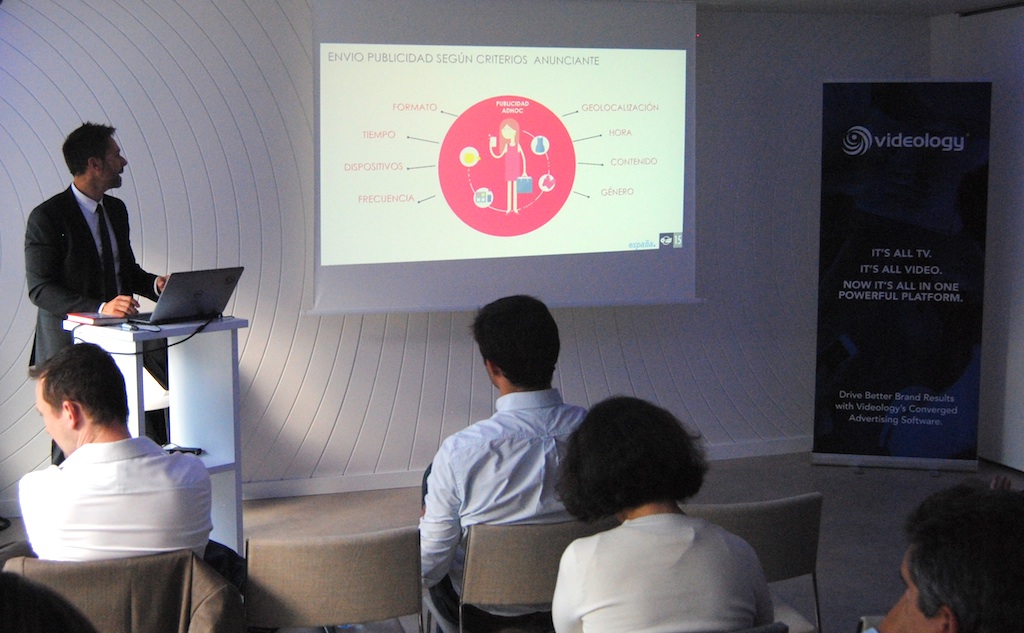
For his part, Orlando Gutiérrez, marketing manager at Publiespaña (Mediaset), has focused his intervention on a new business based on data centricity that takes into account content, navigation, interactivity, behavioral, segmentation, geolocation... and the sale of cataloged data clusters of special interest to brands.
This new environment will allow the advertiser to segment audiences and the broadcaster to include lower volume or local advertisers with effective messages adapted to a target audience.
In his opinion, the GRPS and data markets will complement each other and coexist. "Coverage, speed and notoriety are values of traditional TV that is now being enriched by the data market since technology allows us to do so. We went from a market aimed at achieving GRPS to a market that aims to attract customers by improving coverage," he stated.
Gutiérrez considers that "the challenge now is to improve linear and online measurement in a crossmedia scenario. To achieve this, it will be important to dedicate resources and investments to R&D and technological development. To give just one example, Netflix dedicates 9% of its income to technology and development."
Did you like this article?
Subscribe to our NEWSLETTER and you won't miss anything.
Related articles
 TV Azteca: the 8 keys that will define the future of television
 José Manuel Pérez Tornero: “the television of the future cannot even be called television”
 Hispasat advances the future of satellite television at IBC
 Open television: current situation and future trends of DTT
 The 2.0.1 standard marks the optimistic future of hybrid television
 The television of the future meets in Girona on February 17, 18 and 19
 The present and future of television news, up for debate
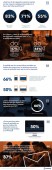 Convergence, key to the future for digital video and television advertising, according to a study by Videology
 Abertis Telecom's commitment to the television of the future focuses on DTT and 4K
 Ericsson previews its vision of the television of the future at NAB
 Paul Lee will open the Conference 'The future of television: Hybrid television'
 Lights and shadows of the television of the future: 3D and HD
 Experts in audiovisual content analyze the future of television
 The 50 +3 Forum analyzes the future of television after the blackout