





Broadcasters, network operators, unions and viewer associations defend the use of spectrum for DTT
Shortly before the 2015 World Radiocommunications Conference, which will take place in Geneva from November 2 to 27, the audiovisual industry is demanding to preserve the spectrum currently in the hands of broadcasters against the entry of telcos.
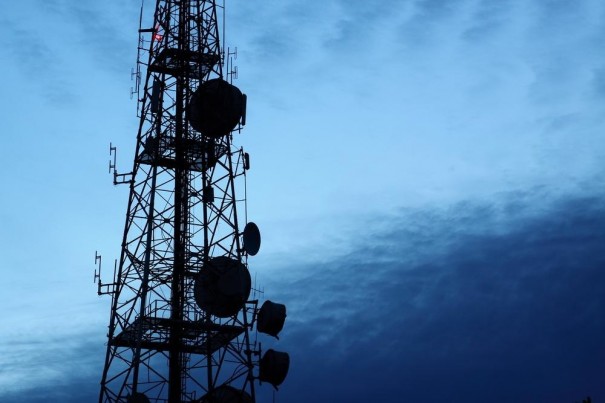
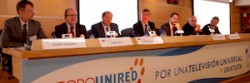
One year after the publication of the Lamy report and shortly before the 2015 World Radiocommunications Conference, which will take place in Geneva from November 2 to 27, the audiovisual industry represented by broadcasters, network operators, unions and viewer associations has met in Brussels to participate with Pascal Lamy, and the EU Commissioner, Günther Oettinger, in a meeting in which spectrum policy and the future of the sector have been analyzed audiovisual, creative and cultural of Europe.
The allocation of traditionally occupied band to broadcasters to telcos and the use of spectrum as a central controller for cultural diversity, creative works and growth in the digital single market have been some of the issues discussed at this meeting.
Both Günther Oettinger and Pascal Lamy, together with senior representatives of Europe's cultural and audiovisual industries grouped in the Wider Spectrum Group, have been convinced that spectrum allocation has a very broad impact on the entire European audiovisual sector, placing it at the heart of the media and the economic, creative and cultural sector, a leader in terms of GDP and employment.
At this meeting they agreed to request the European Union to recognize business investment and financing models to ensure sustainable levels in accordance with the efforts and investments of companies and workers in production, infrastructure and innovation; defend the importance of both national and local works as a formula to support employment, cultural diversity and media plurality; and ensure access to critical resources such as the spectrum of services that underpin Europe's creative and cultural industry.
The Wider Spectrum Group recognizes the value of the recommendations contained in the so-called Lamy Report in ensuring a balanced approach to spectrum allocation. The group has emphasized the crucial role of Digital Terrestrial Television (which reaches 250 million EU citizens), Free-to-Air broadcasting (80% of EU citizens consume between 2 to 3 hours a day), PMSE (Program Making and Special Events) and Europe's ability to continue creating and distributing world-class content.
Pascal Lamy has highlighted that "the European audiovisual model is specific compared to other models, in terms of free access, territorial differences, ease of use and creativity... The coherence of spectrum policies is necessary at Community level. The good news is that the 20-25-30 model is now the cornerstone of the EU spectrum policy."
For his part, Günther Oettinge assured that "the creation and distribution of audiovisual content is one of the main drivers of the digital economy... Reaching 250 million Europeans, Digital Terrestrial Television is an integral part of the European audiovisual model."
El Wider Spectrum Group está formado, entre otros, por Association of European Radios, Association of Professional Wireless Production Technologies, Broadcast Networks Europe, European Federation of Journalists, UER, DigiTAG y DigitalUK.
Did you like this article?
Subscribe to our NEWSLETTER and you won't miss anything.
Related articles
 24i and Amino offer operators and broadcasters a route to launch television services under Android
 The sector associations demand that the Balearic Government increase the budget for production in IB3
 More than a dozen audiovisual associations come together to demand urgent measures for the sector
 Televisions and network operators come together in their defense of preserving spectrum for DTT
 The V HbbTv Symposium will bring together broadcasters, operators, manufacturers and developers in Madrid
 The World Radiocommunication Conference finally guarantees the use of the sub-700 Mhz spectrum for broadcasting
 Ericsson willing to accompany broadcasters and operators throughout the entire value chain in their next challenges
 The cultural and creative industry in Europe calls to preserve spectrum for radio and DTT
 Broadcasters, network operators and telcos debate the future of the UHF band
 Spectrum for terrestrial broadcasting: where are we going in Europe?
 Uruguay rearranges its radio spectrum to prepare it for digital TV
The CMT sets the conditions for Administrations to act as telecommunications operators
Uruguay rearranges its radio spectrum to prepare it for digital TV
The CMT sets the conditions for Administrations to act as telecommunications operators
 North American broadcasters could lose 40% of the spectrum
Unions criticize the draft Audiovisual Law
North American broadcasters could lose 40% of the spectrum
Unions criticize the draft Audiovisual Law