





How to effectively manage the challenge of OTT services in today's competitive market
La calidad del streaming de vídeo y una excepcional experiencia de usuario en cada dispositivo se han vuelto diferenciadores clave. Por ello, “las empresas tienen la obligación de destacar sobre su competencia asegurando la mejor calidad y rapidez en entrega de vídeo”, sostiene Ian Munford, director de marketing de Producto y de Enablement para la Región EMEA de Akamai, en esta Tribuna.

Ya sea un broadcaster que entrega servicios OTT (over-the-top), un proveedor especializado en OTT, o una empresa de telecomunicaciones que entrega vídeo online, es muy probable que encuentre cada vez más difícil diferenciarse de la competencia. Esto se debe a que no es mucho lo que separa un servicio de otro en términos de programación e incluso de precio. Por ello, la calidad del streaming de vídeo y una excepcional experiencia de usuario en cada dispositivo se han vuelto diferenciadores clave. Esto significa que la obligación que tienen dichas empresas para destacar sobre su competencia es asegurar la mejor calidad y rapidez en entrega de vídeo, una experiencia sin interrupciones en todos los dispositivos y en cualquier lugar – y hacerlo de forma económica.
La realidad es que esta experiencia y calidad son ventajas competitivas. Con este fin, la mayoría de los proveedores de OTT priorizan sus inversiones en áreas como la entrega de vídeo de alta definición, sonido estéreo y usabilidad de las aplicaciones para satisfacer las expectativas de los consumidores. Sin embargo, a menudo subestiman durante el proceso, el reto que supone entregar vídeo de calidad y por lo tanto, pueden estar pasando por alto una oportunidad primordial de destacarse.
Hasta la fecha, el mercado de consumo había perdonado los problemas como el almacenamiento en buffer de vídeo. Sin embargo, los consumidores de hoy en día, se están acostumbrando cada vez más a experiencias multimedia sofisticadas en varios formatos y lugares. El resultado es que no se preocupan por saber por qué la calidad de un servicio OTT es todo menos óptimo – sólo se preocupan por tener una experiencia de streaming de vídeo envolvente e ininterrumpida.
El valor de la entrega de vídeo de calidad
El vídeo bajo demanda (Video on demand – VOD) se está convirtiendo rápidamente en una parte clave de nuestro mix de entretenimiento – especialmente en TVs inteligentes. Pero, a medida que los consumidores empiezan a pagar por acceder al vídeo online, esperan obtener una experiencia de calidad broadcast. De la misma manera que siempre han mostrado tener poca tolerancia por las experiencias de compras online pobres, demuestran su frustración con los interfaces de usuario mal diseñados para los sitios de VOD (en cualquier dispositivo), el acceso lento al vídeo online y una reproducción con una calidad pobre. De hecho, un estudio de Accenture muestra que el 83% de los consumidores digitales se aburren cuando experimentan interrupciones de TV debidas a conexiones de banda ancha a Internet pobres en casa. Un streaming pobre en el actual mundo hiperconectado puede tener efectos devastadores. Al tener tantas opciones a su alcance, los consumidores abandonan rápidamente si tienen una experiencia negativa de visualización – lo que minimiza la probabilidad de que le den una segunda oportunidad al servicio en cuestión.
Que las empresas de OTT ofrezcan suscripciones a vídeo bajo demanda (SVOD por sus siglas en inglés) o bien vídeo bajo demanda transaccional (TVOD por sus siglas en inglés), los proveedores de OTT necesitan entregar streaming de vídeo de alta calidad para seguir teniendo relevancia en este nuevo mercado. Esta necesidad de entregar contenido de calidad broadcast viene fomentada por numerosas tendencias que incluyen la propensión a visualizar vídeo premium en TVs inteligentes y el crecimiento de servicios USB/dispositivos conectados. A medida que los servicios OTT empiezan a sustituir los servicios de suscripción broadcast tradicionales, los espectadores esperan obtener el mismo nivel de calidad. Esto significa que los proveedores de servicios OTT tienen que asegurar que sus vídeos se reproduzcan sin fallos, arranquen rápidamente y se entreguen sin interrupciones. No es extraño que los broadcasters tomen en cuenta diferentes métricas.
Por qué es difícil entregar contenido premium online
Los mismos retos de entrega de Internet que han molestado a las organizaciones en todas las industrias durante años han obstaculizado los esfuerzos para entregar de forma consistente un vídeo de calidad broadcast online. Hoy en día, muchos servicios OTT tienden a realmacenar en buffer vídeo debido a la naturaleza impredecible de Internet y la conectividad del ancho de banda de la última milla al dispositivo del consumidor. Como el vídeo IP está abocado a generar una explosión sin precedentes del uso del ancho de banda de aquí al año 2018, los proveedores de vídeo OTT se enfrentan a todavía más retos – e incertidumbre.
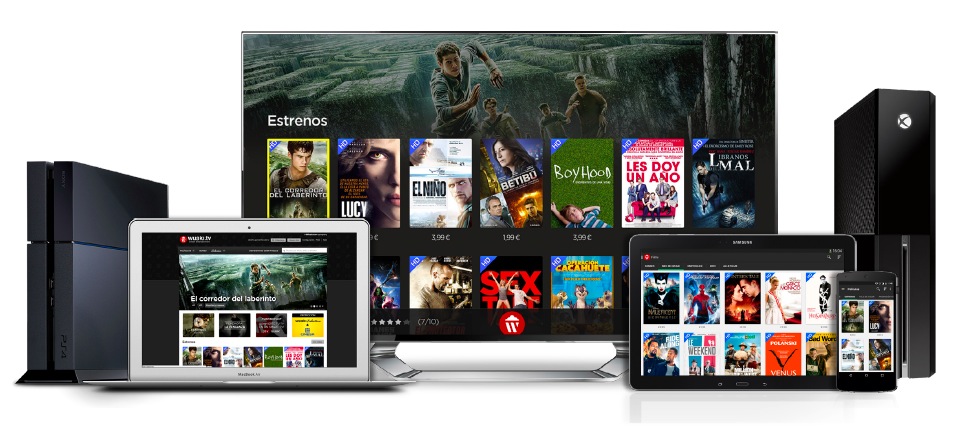
El caso de Wuaki
Wuaki.tv, proveedor de medios bajo demanda, se ha enfrentado de manera efectiva al reto de entregar streaming de vídeo online de calidad trabajando de modo estratégico y colaborativo con Akamai. Wuaki.tv ofrece contenido en una gama de importantes distribuidores de contenido – desde los estudios de Hollywood hasta actores locales – lo que le permite ofrecer uno de los catálogos de vídeo con mayor relevancia y atractivo en Europa.
Tal y como explica Jordi Miró, CTO de Wuaki.tv, “ofrecer el mejor contenido posible y nuevos servicios para nuestra audiencia en una plataforma bien diseñada de alto rendimiento es esencial para el éxito de nuestro negocio. Pero nada de esto importaría si no tuviéramos la calidad.”
Para ello, Wuaki.tv ha establecido una métrica de calidad para su servicio OTT y es ahora capaz de relacionar directamente las mejoras en la calidad del vídeo online con el éxito comercial. Históricamente, Wuaki.tv había implementado una estrategia multi-CDN.
Alojaba su propio origen y utilizaba múltiples CDNs para la entrega para asegurar un nivel de autonomía y continuidad de negocio. Cuando analizaron los factores que contribuyen a la obtención de métricas de índices de rendimiento clave (KPI) pobres, encontró que las interdependencias e inconsistencias entre los diferentes proveedores eran un factor primordial y por ello se dirigió a Akamai en busca de ayuda. Las optimizaciones implementadas por Wuaki.tv y Akamai mejoraron sus KPIs de calidad en más de un 60%. Tal y como Jordi Miró explica, “después de entregar su vídeo OTT mediante la CDN de vídeo de Akamai, Wuaki.tv ha experimentado una mejora del 60% en estos KPIs, produciendo un incremento del 25% en la satisfacción de sus clientes y un 30% de aumento en sus ingresos. Además, la empresa goza de un incremento del apoyo por parte de sus clientes en torno a sus servicios.”
A medida que vaya madurando el mercado de OTT, y convirtiéndose en la norma los formatos de vídeo online de mayor calidad (por ejemplo, 4K y UltraHD), la industria necesita repensar su modo de funcionamiento. La entrega de streaming de vídeo de calidad tiene un impacto directo sobre el negocio de repetición, los ingresos y el apoyo de los consumidores. Aunque haya mucho en juego, también son muchos los retos – en concreto, la congestión y latencia de Internet junto con la entrega a múltiples dispositivos y plataformas. Sin embargo, como recompensa a su inversión en calidad de streaming de vídeo, los proveedores de OTT pueden esperar un menor abandono de los espectadores, un mayor compromiso de los espectadores y un mayor porcentaje de repetición por parte de los espectadores, lo que produce mayores ingresos.
Ian Munford
Director de Marketing de Producto y de Enablement para la Región EMEA de Akamai

Did you like this article?
Subscribe to our NEWSLETTER and you won't miss anything.
Related articles
 Prime Video and SkyShowtime: alliance in the competitive VOD market
 El 80% del mercado de los servicios fijos inalámbricos será 5G
 Elements will demonstrate at IBC how to optimize local and cloud storage simultaneously
 Tedial demostrará smartWork en IBC 2022 con nuevos servicios para el mercado de M&E
 Tedial forma un nuevo equipo de desarrollo de negocio para apoyar la transformación del mercado de M&E
 Subscriptions to SVOD services soar in the African market
 Switch Media to collaborate with SpringServe to offer effective monetization on OTT services
 Dalet StoreFront: a secure and agile way to deploy a content marketplace
 Telefónica Servicios Audiovisuales (TSA) completely renews its website
 Thierry Fautier: “the challenge of 4K will be the money necessary to invest in production and how to recover the investment”
 AstonElections or how to cover elections easily and with guarantees
 Brainstorm demuestra en IBC cómo gestionar grafismo más allá de la sala de redacción
 Shootize, a simple way to manage shoots
 Harris will demonstrate at IBC how to manage and move media thinking about new platforms