





Bruselas pone en jaque la política de ayudas a la TDT en España
La Comisión considera que el apoyo de España a los organismos privados de radiodifusión viola las normas de la Unión Europea.

La Comisión Europea ha llegado a la conclusión de que el régimen español de compensación de los organismos privados de radiodifusión terrestre por la emisión simultánea durante la digitalización de la señal de televisión terrestre infringe las normas sobre ayudas estatales de la UE. Dado que aún no se ha concedido ninguna ayuda, no se exigirá la recuperación.
Margrethe Vestager, comisaria responsable de la política de competencia, ha señalado que “esta medida constituye una ventaja selectiva para los organismos de radiodifusión y los operadores de plataformas terrestres con respecto a otras tecnologías disponibles. La ayuda va en contra del principio de neutralidad tecnológica y no es necesaria ni proporcionada. España ya ha finalizado el cambio a la frecuencia digital sin que se haya concedido ayuda estatal. Por lo tanto, no se exigirá la recuperación”.
La transición de la radiodifusión analógica a la digital liberó espectro de radiofrecuencias utilizado previamente para la radiodifusión televisiva (el llamado dividendo digital). En este contexto, España impuso a los radiodifusores una obligación de transmisión simultánea de señales analógicas y digitales durante el período transitorio, con el fin de evitar perturbaciones del servicio para los espectadores.
En 2011, las autoridades españolas notificaron su intención de compensar los costes adicionales contraídos por los organismos de radiodifusión televisiva para cumplir con esta obligación de transmisión simultánea. En abril de 2012, la Comisión inició un procedimiento de investigación exhaustiva sobre las ayudas estatales. En el transcurso de la investigación, el Reino de España retiró la parte de la notificación relativa a los organismos públicos de radiodifusión, dado que ya se les había compensado por su misión en tanto que prestatarios de un servicio público. La investigación continuó centrándose exclusivamente en los organismos privados de radiodifusión. La decisión de hoy solo afecta a estos últimos.
Las normas sobre ayudas estatales de la UE permiten a los Estados miembros apoyar la reasignación del espectro radioeléctrico y atenuar su impacto en los operadores. En concreto, los Estados miembros pueden ofrecer una compensación por los costes que los operadores no podrían soportar por sí mismos, en caso de una deficiencia de mercado demostrada, si no fuera necesaria la migración. Para evitar un falseamiento indebido de la competencia, dichas medidas deben ser necesarias para alcanzar el objetivo asignado. La ayuda concedida debe ser proporcionada a los objetivos y la medida debe ser tecnológicamente neutra, es decir, que la subvención debe estar abierta a todos los operadores.
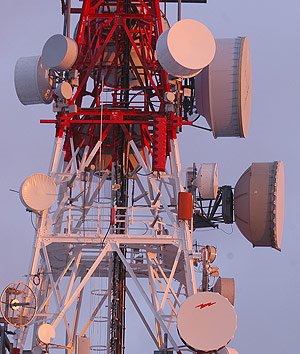 TDT frente a satélite, cable o IPTV
La investigación de la Comisión confirmó que el apoyo de España para la transición de la televisión analógica a la digital solo se ofreció a las emisoras de televisión digital terrestre (TDT) en detrimento de otras plataformas, como las de satélite, cable o televisión a través del Protocolo de Internet (IPTV). España no justificó adecuadamente las razones por las que no estaría justificada en este caso la aplicación del principio de neutralidad tecnológica. Cualquier excepción a este principio debería justificarse debidamente sobre la base, por ejemplo, de un estudio previo independiente, con la correspondiente consulta del mercado, que demuestre la eficacia de la plataforma de TDT frete a plataformas alternativas.
España tampoco pudo demostrar que fuera necesaria una ayuda pública a la reasignación de frecuencias para garantizar la correcta transición de laemisión analógica a la digital. Al contrario, la Comisión constató que las empresas privadas de radiodifusión habrían garantizado la emisión simultánea en cualquier caso, a fin de no perder espectadores. Además, España no aportó ninguna prueba, como un estudio independiente de costes, que demostrara que la ayuda era proporcionada.
Por lo tanto, la Comisión concluyó que la medida favorecía selectivamente a los organismos de radiodifusión y a los operadores de plataformas terrestres en detrimento de organismos de radiodifusión y operadores de plataformas alternativas y, por tanto, falseaba la competencia en el mercado único. Dado que aún no se ha concedido ninguna ayuda, no se exigirá la recuperación.
España ha concluido ya el cambio de frecuencia y los organismos privados de radiodifusión han garantizado y financiado la emisión simultánea por propia iniciativa sin que se necesitara o asignara ayuda estatal alguna.
Antecedentes
Para dar respuesta al importante crecimiento de la demanda de servicios inalámbricos de banda ancha en la Unión Europea, la Comisión propuso en febrero de 2016 legislación dirigida a reforzar dichos servicios con radiofrecuencias de alta calidad. La propuesta prevé una mejor coordinación de la gestión del espectro a escala europea e insta a todos los Estados miembros a reasignar la banda espectral de 700 MHz, que se utiliza actualmente para la difusión de televisión, a la banda ancha inalámbrica de aquí a junio de 2020. Ello mejoraría el acceso inalámbrico a Internet de todos los europeos, ayudaría a desarrollar aplicaciones transfronterizas y facilitaría el despliegue de la 5G.
Varios Estados miembros han establecido medidas de ayuda estatal en el marco de la conversión digital. En particular, se concedió ayuda a hogares socialmente desfavorecidos para adquirir los nuevos descodificadores. En los casos en los que se respetaron los principios de neutralidad tecnológica, necesidad y proporcionalidad, la Comisión pudo aprobar tales medidas.
En 2011, España notificó a la Comisión para el control de las ayudas estatales dos medidas relativas a la conversión digital. La primera de ellas es objeto de la decisión de hoy. La segunda contemplaba subvenciones a los vecinos de comunidades de propietarios para permitirles adaptar la infraestructura de televisión digital terrestre existente o para pasar a otra plataforma. La Comisión llegó a la conclusión de que la medidase ajusta a las normas en materia de ayudas estatales, ya que garantiza la continuidad de la cobertura televisiva de los hogares y les permite utilizar la plataforma de su elección.
La versión no confidencial de la decisión se publicará con el número de asunto SA32619 en el Registro de Ayudas Estatales del sitio web de la DG Competencia una vez se hayan resuelto las cuestiones de confidencialidad.La lista de las nuevas decisiones sobre ayudas estatales publicadas en Internet y en el Diario Oficial figura en el boletín semanal en línea State Aid Weekly e-News.
Did you like this article?
Subscribe to our NEWSLETTER and you won't miss anything.
Related articles
 Javier Sánchez takes charge of the audiovisual policy and public service area of RTVE
 Spain Film Commission pone en marcha la primera plataforma de estudios y platós de España
 Orange pone en marcha en España y Francia Totem, un nuevo operador de infraestructuras
 España, tras el Segundo Dividendo Digital, pone como objetivo emisiones 100% en HD en 2023
 Cultura convoca ayudas para la organización de festivales y certámenes cinematográficos en España
 The coronavirus puts the networks in Spain to the test with video accounting for 70% of traffic
 The Court of Justice of the EU rules that Spain will not have to recover aid for DTT
 Las telcos europeas plantan cara a Bruselas a cuenta del uso del espectro radioeléctrico
 Red Bull TV now focuses on Spain
 Odeon Multicines pone en marcha el multiplex 4K más avanzado de España
 Politics in Ultra High Definition
 Bruselas deja fuera del comercio con Estados Unidos el negocio del cine
 Bruselas declara ilegales las ayudas recibidas por Ciudad de la Luz
 Planet 51 is tested in Spain