





The satellite stomps on government communication and defense services
Profesionales de toda Europa se reúnen en Madrid para analizar el auge de los servicios gubernamentales de comunicación y defensa abordando las innovaciones y nuevas tecnologías aplicadas en un escenario global.
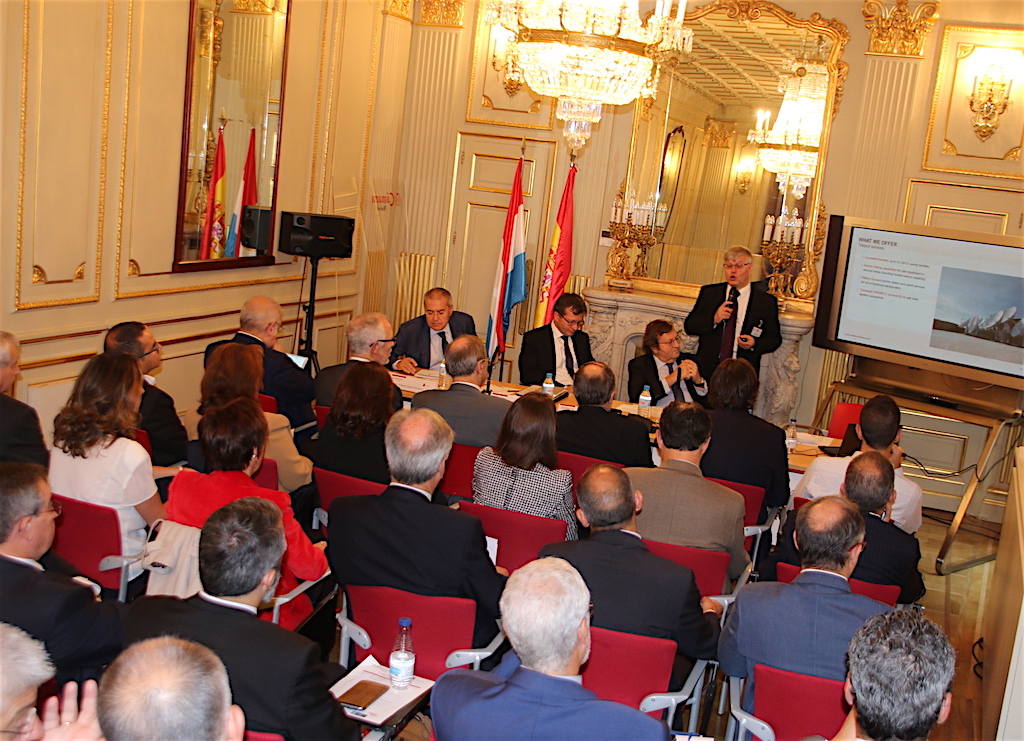
La Cámara de Comercio de Madrid junto al Foro Económico Hispano Luxemburgués han organizado este miércoles en Madrid un encuentro profesional en el que se ha abordado el auge de los servicios gubernamentales de comunicación y defensa abordando las innovaciones y nuevas tecnologías aplicadas en un escenario global.
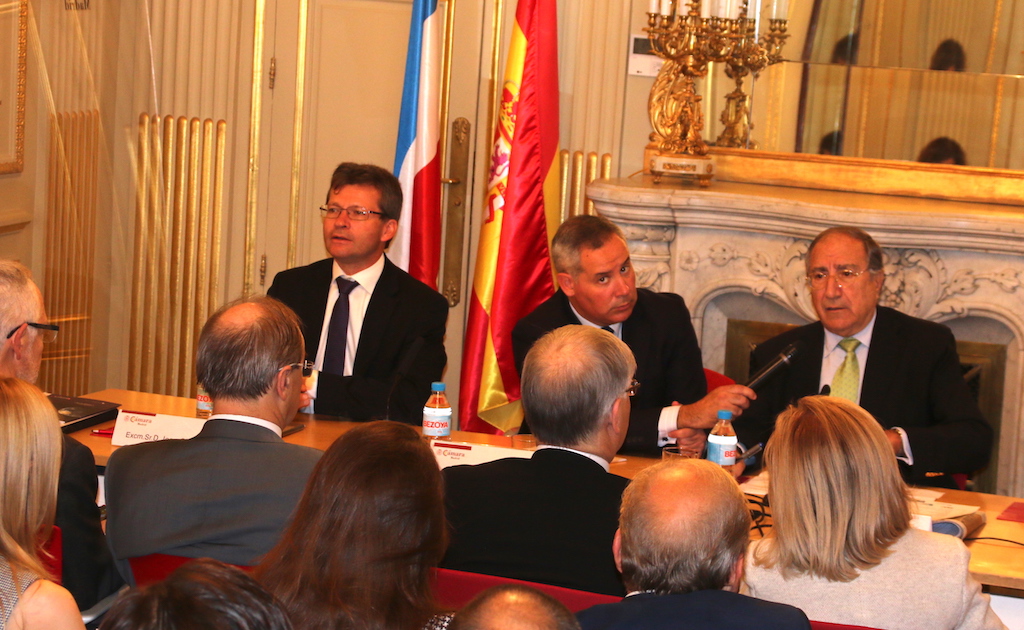 Esta jornada ha contado con la colaboración de SES (a través LuxGovSat, la compañía en la que participa al 50% con el Gobierno de Luxemburgo), la española HisdeSAT y los clústers Madrid Aerospace y Luxembourg Space.
La apertura del acto ha correspondido a Augusto de Castañeda, vicepresidente de la Cámara de Comercio de Madrid y a Jean Graff, embajador del Gran Ducado de Luxemburgo en España.
De Castañeda ha agradecido la presencia de numerosos profesionales en esta jornada y ha hecho referencia a Luxemburgo como “una economía dinámica, abierta, con una seguridad jurídica, social y económica que hace que sea una localización ideal para muchas empresas”. También ha hecho hincapié en el papel de este país en el desarrollo de redes de comunicaciones de nueva generación.
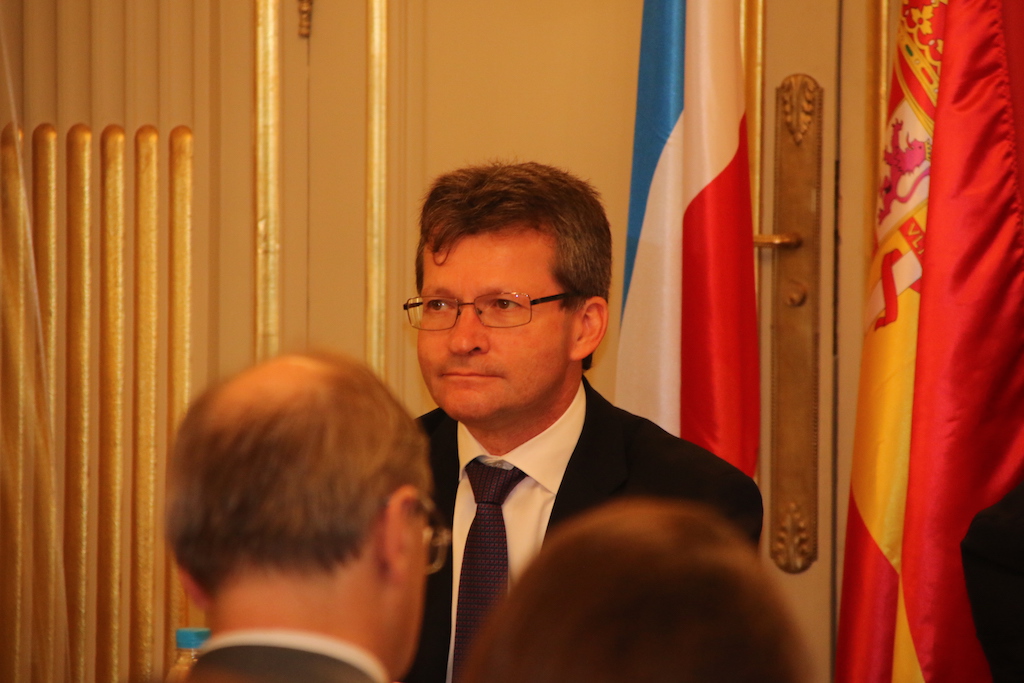 Por su parte, Jean Graff, ha asegurado que el sector aeroespacial, y especialmente el satelital, ha conocido un despegue sin precedentes en las últimas décadas. “Ahora, los nuevos servicios, llamados gubernamentales, abren interesantes perspectivas”, ha señalado. Graff ha recordado el nacimiento en Luxemburgo hace ya tres décadas de SES, una compañía que se ha convertido hoy en un referente mundial de primer orden en el sector.
Con más de cincuenta unidades en órbita, SES acaba de anunciar el lanzamiento de un nuevo satélite a finales de 2017 que estará dedicado exclusivamente a fines gubernamentales. Esta iniciativa, conjunta con el gobierno luxemburgués, tendrá una inversión prevista de cien millones de euros.
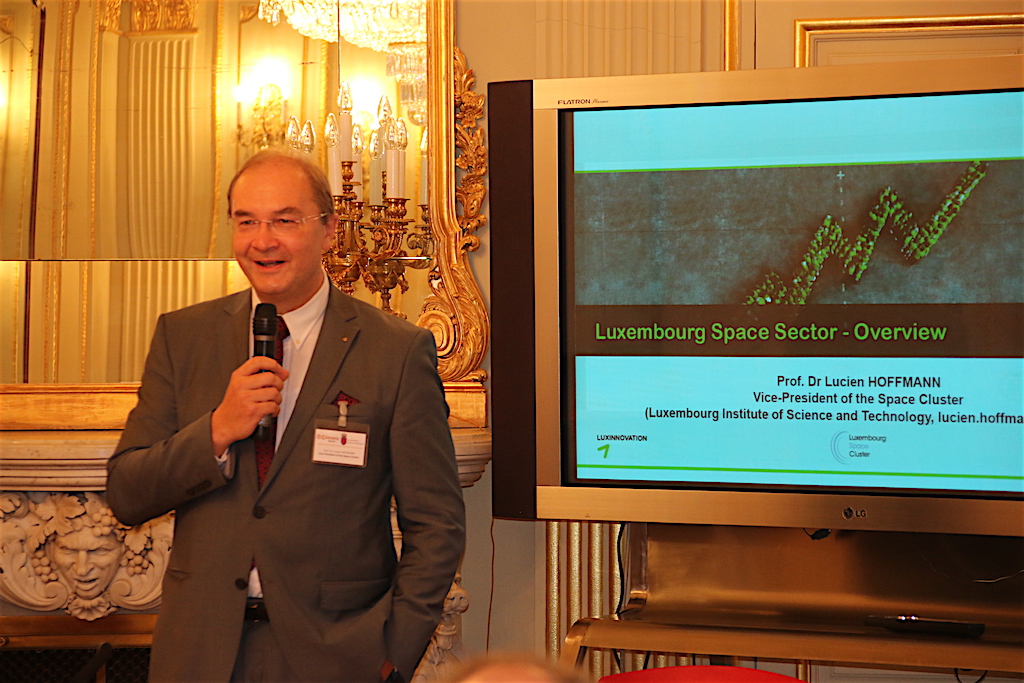
Luxemburgo, potencia aeroespacial
Lucien Hoffman, vicepresidente del Clúster Espacial de Luxemburgo, ha analizado el papel de este país en el sector. Desde la creación en 1985 de la Societé Europénne des Satellites (SES), cuyo primer satélite se puso en órbita en 1988, Luxemburgo ha contado siempre con una política muy activa con respecto a la industria espacial participando en los diferentes programas de la Agencia Espacial Europea, colaborando activamente con instituciones como CNES, DLR o BELSPO y dando empleo a más de 750 profesionales por parte de una treintena de compañías. El volumen de negocio de esta industria lo ha estimado Hoffman en unos 2.000 millones de euros.
El Clúster Espacial luxemburgués agrupa a empresas relacionadas con toda la cadena de valor desde el segmento espacial al de servicios. Hoffman han subrayado la fuerte apuesta de estas empresas por el I+D+i lo que ha permitido desarrollar avanzadas tecnologías en relación a estructuras, fuentes de alimentación o sistemas de propulsión, por ejemplo.
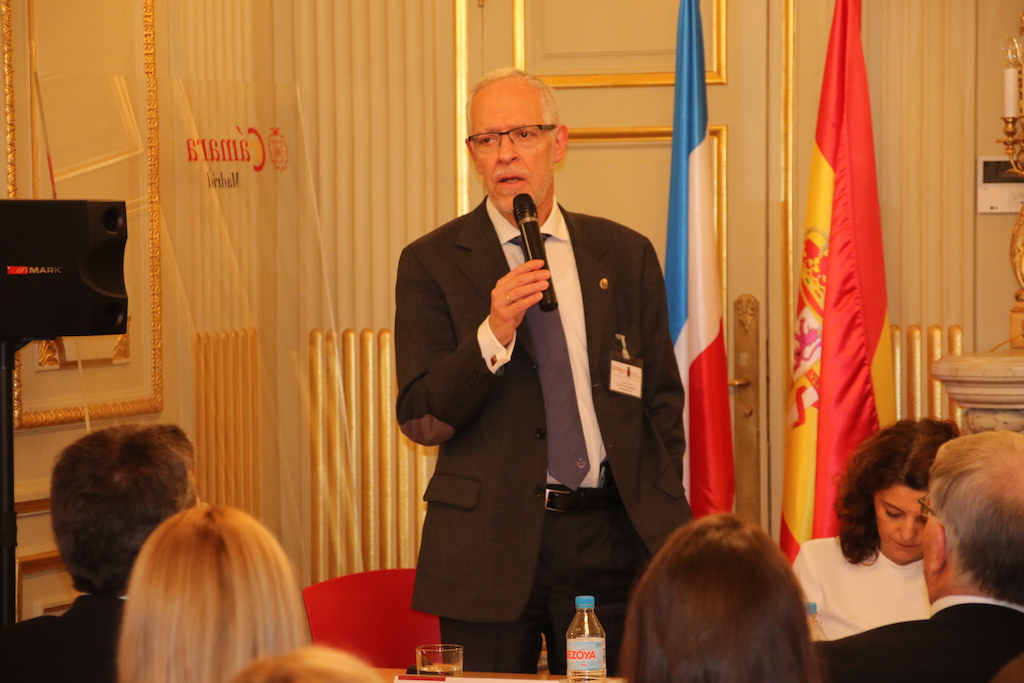
Madrid Aerospace Cluster
Por parte del Madrid Aerospace Cluster, su director general, Eugenio Fontán, ha comentado que la Comunidad congrega al 90% de la industria aeroespacial en España. El sector de la aeronaútica genera 7.800 millones de euros y cuenta con más de 3.500 empleos directos en todo el país. Solo en Madrid supone el 2,2% de del PIB de la Comunidad.
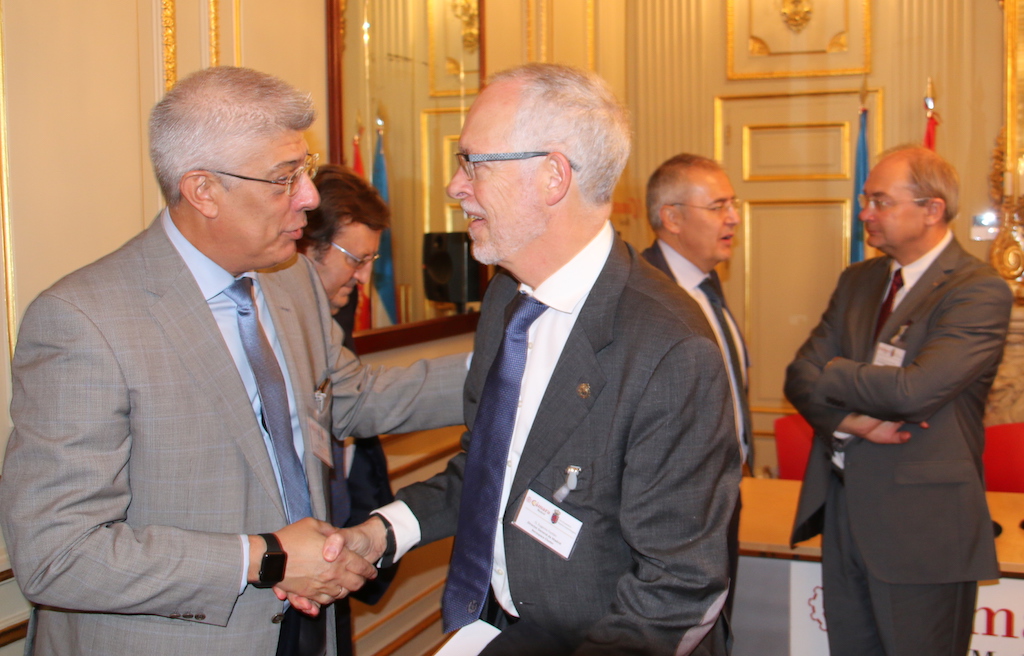 Madrid alberga dos importantes centros espaciales como son el ESA European Space Astronomy Centre (ESAC) así como el Centro de Seguimiento del Espacio Profundo de la NASA.
Según Fontán, el clúster, nacido en 2006, busca crear sinergias entre compañías innovadoras, gestionar proyectos conjuntos, así como trabajar mano a mano con universidades y centros de investigación y ser un enlace con la Administración. Agrupa a 60 entidades y empresas (un 3,2% son entidades públicas; un 21%, grandes compañías; un 11%, universidades y centros de desarrollo; y un 50%, pequeñas y medianas empresas).
El director del clúster madrileño ha hecho un repaso a algunos de los proyectos nacionales y europeos en los que colabora activamente como el Space2ID o ACTTiVAte (en ambos casos se pretende crear nuevas cadenas de valor en colaboración con otras industrias como salud, energía, agricultura o media).
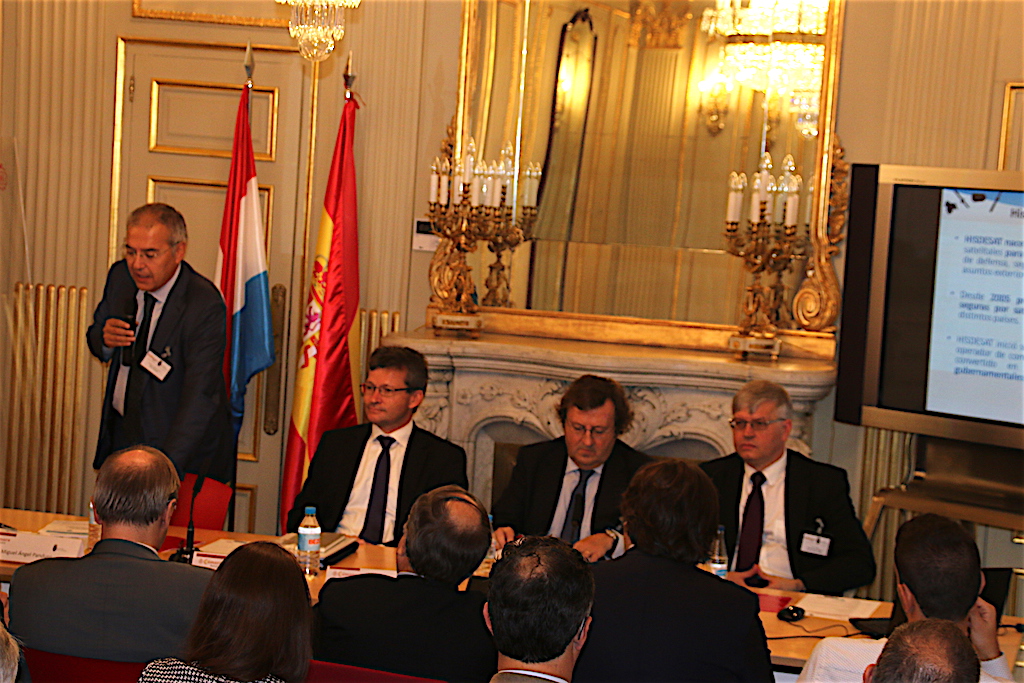
Iniciativa público-privada
Paul Wells, vicepresidente de Government Satellite Communications (GovSAT), ha analizado el rol que jugará esta iniciativa conjunta entre el gobierno luxemburgués y SES y que pretende desarrollar una infraestructura satelital accesible y segura de servicios de comunicaciones gubernamentales tanto para aplicaciones de defensa como civiles ofreciendo capacidad en banda X y Ka así como servicios de telepuerto. El primer satélite, fruto de esta iniciativa, será el GovSAT-1 y dará cobertura a Europa, Oriente Medio, África, Este de América del Sur y algunas áreas de Asia. Operará desde la posición orbital 21,5ºE y será construido por Orbital ATK lanzándose al espacio a bordo de un Falcon 9 de Space X en el segundo trimestre de 2017. Su vida útil se calcula en 15 años.
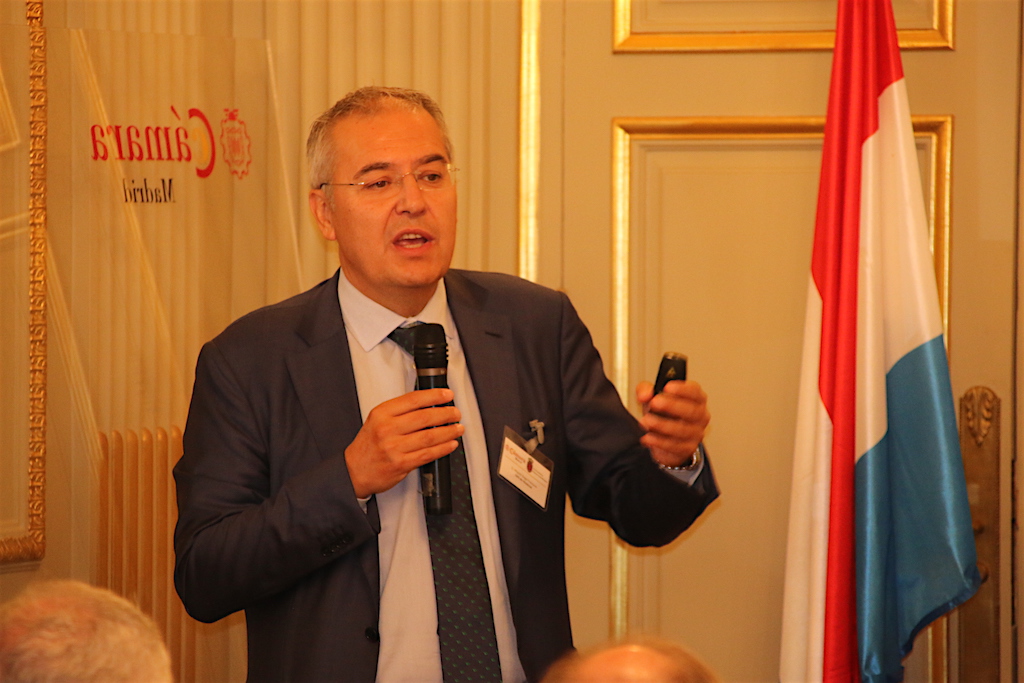 El modelo de GovSAT encuentra un precedente en la española HisdeSAT. Su consejero delegado Miguel Ángel Panduro ha expuesto, por su parte, las características de este modelo innovador y consolidado en el ámbito de los servicios satelitales gubernamentales. La compañía nació en 2001 como operador de sistemas satelitales para organismos gubernamentales en las áreas de defensa, seguridad, desastres naturales, inteligencia y asuntos exteriores, principalmente. Su modelo responde a un concepto de estructura societaria colaborativa PPP (private-Public Partnership) de capital público y privado en el que participan el Ministerio de Defensa a través de ISDEFE, Hispasat, Indra, Airbus, y SENER.
Entre sus principales activos destacan en comunicaciones, los satélites SpainSat (30W) y Xtar-EUR (29E), éste último en joint venture con la estadounidense Xtar. Ambos satélite cubren dos tercios del planeta, ha subrayado el CEO de HisdeSAT.
Por otro lado, en cuanto a observación de la Tierra HisdeSAT gestionará los satélites Paz (tecnología radar) e Ingenio (Óptico) gracias a un acuerdo con los ministerios de Defensa e Industria. Tras los problemas surgidos con el lanzador Kosmotras (derivados del conflicto entre sus dos accionistas, Rusia y Ucrania), Panduro ha anunciado finalmente se espera lanzar el Paz en 2017 de la mano de otra empresa.
Otro de los retos de HisdeSAT será la puesta en marcha de la próxima generación de satélites de comunicaciones con el objetivo de dar respuesta a los requisitos y necesidades del Estado español en defensa y seguridad. En esta línea, Panduro ha mostrado el interés de la compañía en cooperar con otros países en el entorno internacional.
Did you like this article?
Subscribe to our NEWSLETTER and you won't miss anything.
Related articles
 In defense of mobile units: a secure future
 Hispasat Wave, la nueva generación de servicios gestionados mayoristas vía satélite
 El satélite es capaz de prestar servicios de UHD al 100 % de la población
 'The head', the series produced by The Mediapro Studio, makes a strong presence in the international market
 Cloud program recording services must respect public communication rights
 The satellite takes positions against non-linear television with VoD or PVR services
 DVB steps strongly in an environment of growth of OTT services
 Orad steps strongly into the server market
 Belden steps strongly into the international market
 Harris steps with more force than ever in Latin America
 The industry mobilizes in defense of the MEDIA Program
 VSN steps strongly in the Middle East
 Fox stomps in Benelux
 Seachange stomps