





This was the Eurovision final… in 20 minutes
With an audience of around 200 million viewers throughout Europe, Eurovision is the most watched non-sporting event on the planet.
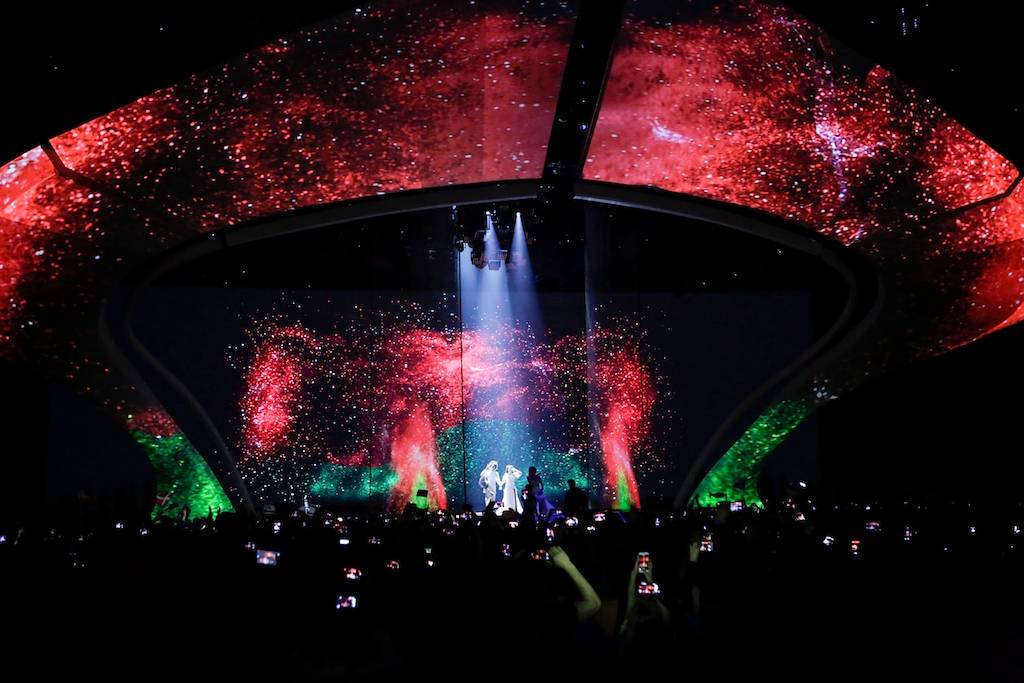
La radiotelevisión pública ucraniana (UA:PBC) encargó a la sueca M&M Production (con Ola Melzig at the helm and a long experience as a producer in the editions of 2009, 2010, 2013, 2016) much of the production of the festival whose scenography pivoted mainly on the creations that Gravity developed for the majority of the delegations. This Hamburg-based company already participated with exceptional results in the 2011 editions in Germany, 2012 in Azerbaijan, 2014 in Denmark and 2015 in Austria.
The set design was the work of Florian Weider, author of the stages for Düsseldorf 2011, Baku 2012 and Vienna 2015, accompanied by Stuart Barlow, who has been working on Eurovision since 2011, and Oleh Bodnarchuk, director of the Ukrainian editions of The Star Factory y The Voice.
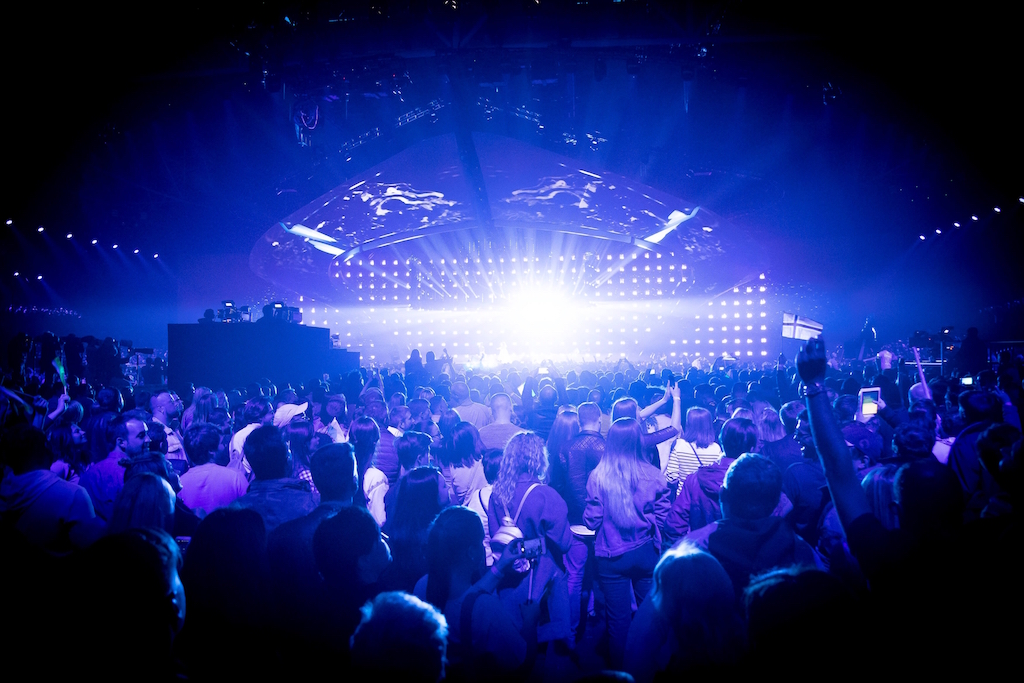 Regarding television production from the kyiv International Exhibition Center, the HD 18 mobile unit of NEP Sweden (formerly Mediatec Broadcast) was in charge of carrying out the festival based on the signal from around twenty cameras (Grass Valley) and servers EVS for creating highlights. As usual, all types of suspension and robotic capture systems were used, highlighting the premiere of the Newton gyro-stabilized heads from the Swedish company. Intuitive Aerial.
Using the CuePilot software, it was possible to synchronize the production of the different cameras with the lighting, pyrotechnics and sound based on the timecode generated from the music tracks.
And as usual, it was the EBU technical team with its own network that made the live contribution of the votes by each of the participating countries possible. The EBU also carried out the distribution of the program signal to the 42 television stations that offered the show live.
With an audience of around 200 million viewers throughout Europe, Eurovision is the most watched non-sporting event on the planet.
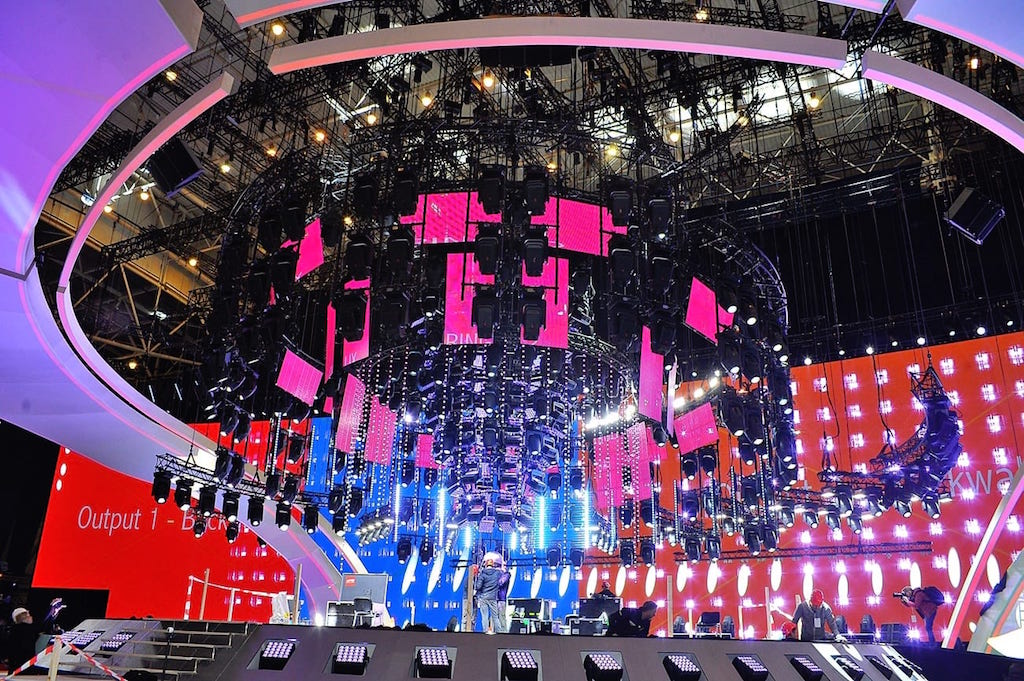
The LED, protagonist
To power the impressive LED surface of 1,000 square meters and a resolution of 71 million pixels, the technical team opted for the British company's Boreal servers. Green Hippo with 168 video layers from 35 active HD outputs
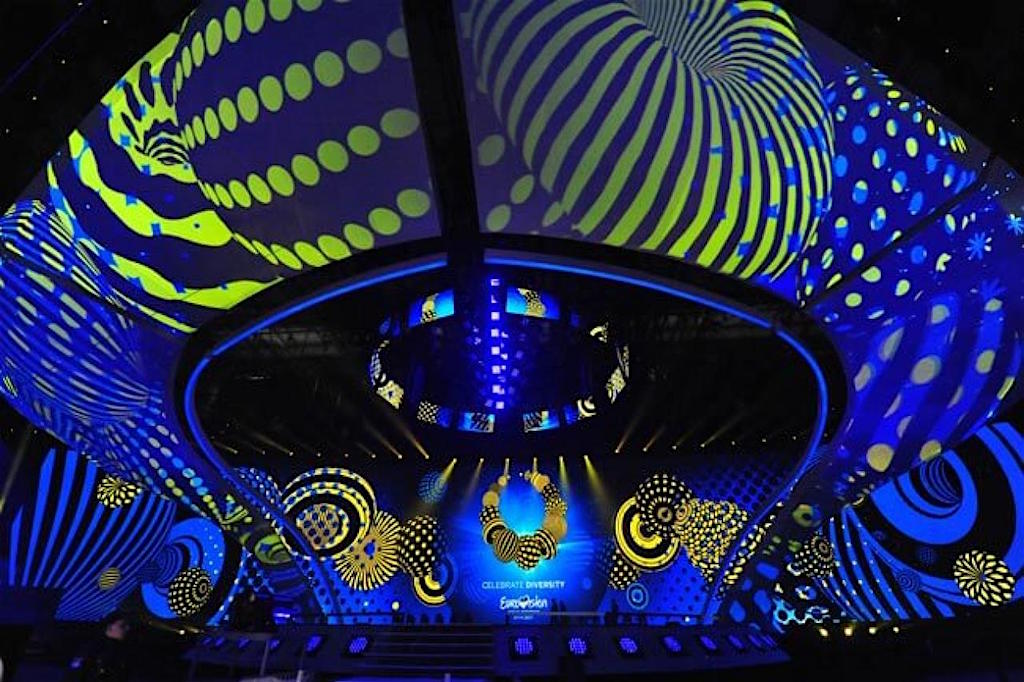 For this project, Shape was also used to map the arches with three different UV maps controlled through DMX that gave continuity to the ground, backgrounds and arches. Shape was also used by some delegations to stage complex 3D models. MANet and Timecode on Layer were used to control the layers and have 100% accurate display without any delay.
The motto for this year's contest was "celebrate diversity" and the 26 finalists wanted to demonstrate it with hippie brides, horses tied to ladders, executives walking on treadmills, bipolar tenors, gorillas... and even a rooster.
Eurovision 2017… in 20 minutes
https://www.youtube.com/watch?v=LWUSfOW7qjs
Did you like this article?
Subscribe to our NEWSLETTER and you won't miss anything.
Related articles
 The best of the Goya gala, in three minutes
 5 pillars that made the production of Eurovision 2021 possible
 11.8 million viewers followed the Eurovision final at some point on La 1
 The best moments of the Goya gala… in 4 minutes
 The best moments of the Goya gala… in 4 minutes
 In 2020, users will spend 84 minutes a day watching online videos
 This is how the spectacular OK Go video clip was produced, which turned 4.2 seconds into 4 minutes
 Average television consumption is now 4 hours and 12 minutes a day
 New television consumption record with 251 minutes a day
 The 13 minutes of the penalties in the Euro Cup semi-final, the most viewed broadcast in history
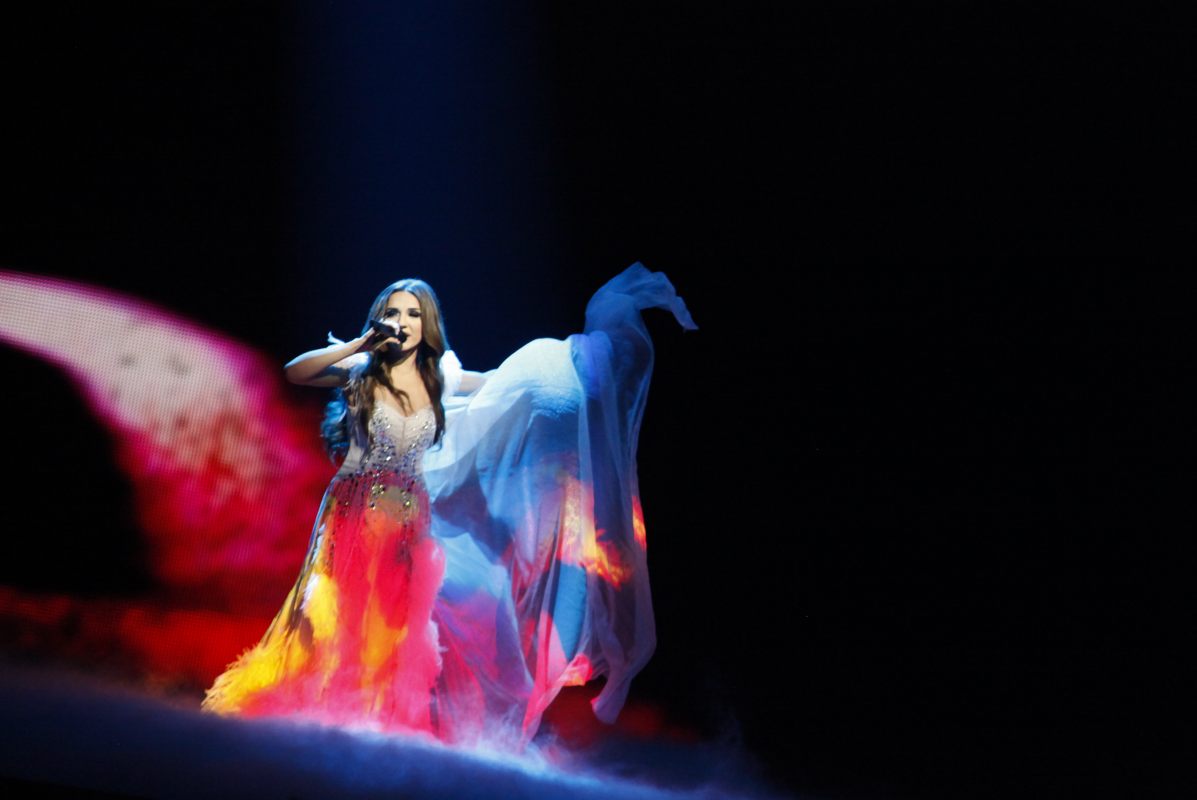 The Eurovision Song Contest once again displays a technological showcase
 Grass Valley in the 2011 NBA Finals
 “The Possession of Emma Evans”, the making of one hundred minutes of terror
 Goodbye to Don Hewitt, creator of the legendary '60 Minutes'