





Costa-Gavras and Álex de la Iglesia, Luis Buñuel Awards at the Huesca Festival
Ambas cinematografías proponen una visión de la realidad centrada en los problemas de la sociedad, que viaja desde los grandes conflictos de la segunda mitad del siglo XX, en el caso de Gavras, hasta la cotidianeidad del día a día en el caso de De la Iglesia.
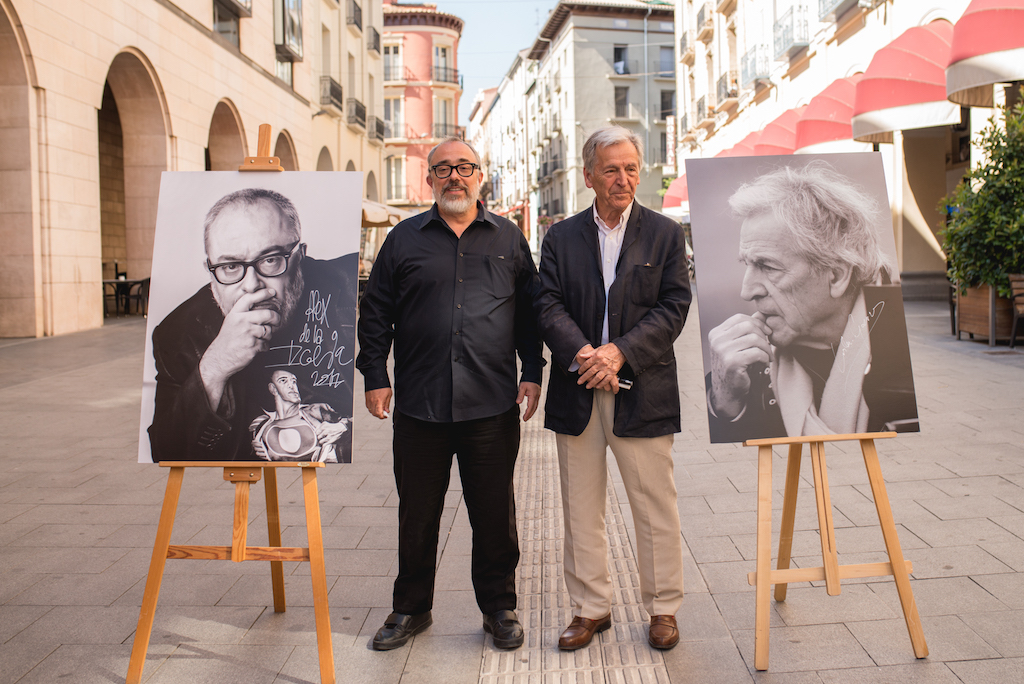
El 45º Festival Internacional de Cine de Huesca ha querido reconocer en esta ocasión la trayectoria de dos de los realizadores más destacados del cine europeo actual. Ambos se han mostrado muy honrados por el galardón y han manifestado su orgullo tanto por tratarse de un reconocimiento del Festival como por llevar el nombre de Luis Buñuel. Ambas cinematografías proponen una visión de la realidad centrada en los problemas de la sociedad, que viaja desde los grandes conflictos de la segunda mitad del siglo XX, en el caso de Gavras, hasta la cotidianeidad del día a día en el caso de De la Iglesia.
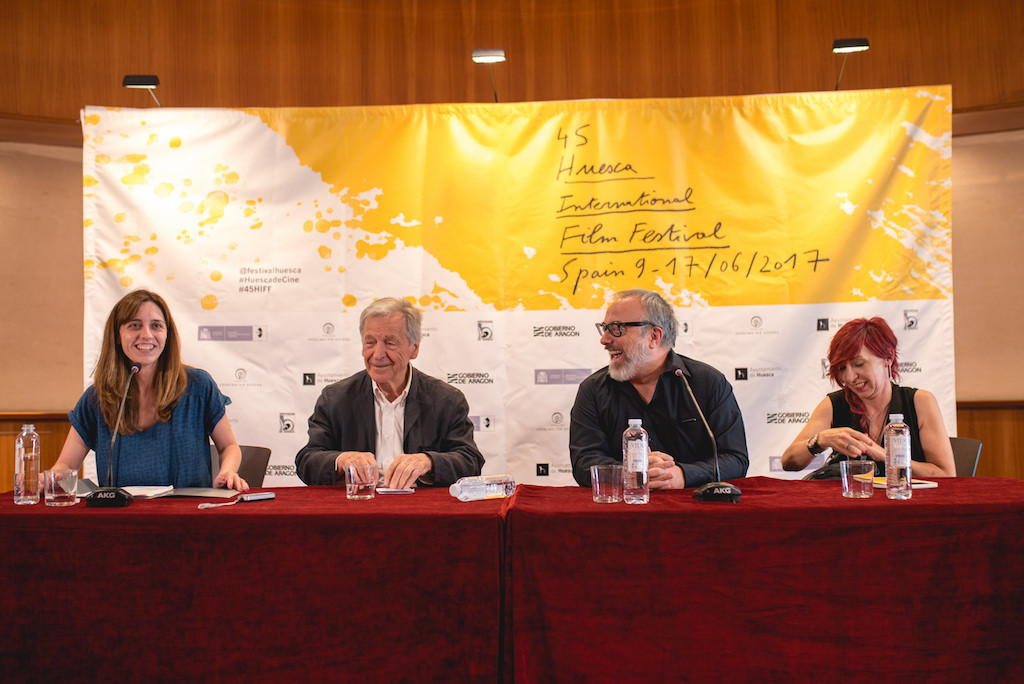
El Festival Internacional de Cine de Huesca homenajea en su 45º aniversario a Costa-Gavras y Alex de la Iglesia, quienes reciben en la capital altoaragonesa sendos reconocimientos a toda su trayectoria y filmografías. Azucena Garanto, directora del Festival, ha manifestado en rueda de prensa el orgullo que para el certamen altoaragonés supone “tener a dos hombres tan importantes de la historia del cine, ambos provenientes de alguna forma del mundo del cortometraje, esencia de este Festival”.
Ambos cineastas se han mostrado honrados por el galardón. Costa-Gavras, reconoció que recibir un premio con el nombre de uno de los más grandes del cine era todo un honor. Por su parte, Álex de Iglesia demostró su profunda admiración por el cineasta franco-griego. “Tener la oportunidad de conocer al maestro, es un honor, un orgullo, es un privilegio para mí estar aquí. Representa un tipo de cine único, uno que nos va a costar mucho imitar, que igual es imposible repetir”, declaró el director bilbaíno.
De la Iglesia apuntó a la necesidad de que existan más directores que, como Costa-Gavras, expliquen cómo funciona el mundo: “Todos estamos asustados por el mundo ante el que nos encontramos y gracias a las películas del maestro eso nos resulta comprensible”. En un ejercicio de repaso a su trayectoria, el realizador francés recordó a Jack Lemon. Cómo suscitó la sorpresa de sus productores al ser propuesto por Gavras para protagonizar Missing por tratarse de un actor más vinculado a la comedia. Por la implicación del propio Lemon en la cinta, aceptando el guión tan sólo dos días después de recibirlo. Fue esto lo que hizo que descubriera “que en una película se podían decir las cosas de una manera diferente. Los actores son los que verdaderamente cuenta la historia al espectador”.
Gavras manifestó que no hace un discurso político ni académico. “Creo que hacemos espectáculo pero con los problemas de la sociedad. El papel del cine es eso”.
Álex de la Iglesia apoyando lo manifestado por Costa-Gavras, argumentó que si no se hace más cine como el del realizador franco-griego es porque “no somos los suficientemente valientes”.
Los nombres de Costa-Gavras y Alex de la Iglesia se unen así a un largo listado de premiados donde se encuentran iconos como José Luis Borau, Stephen Frears, Bertrand Tavernier, Carlos Saura, Aki Kaurismaki, los hermanos Vittorio y Apolo Taviani, Ángela Molina o el pasado año Jean Claude Carrière, doble premio Oscar y guionista del propio Buñuel que a su vez ha trabajado con el propio Gavras. Alex de la Iglesia también tiene una relación directa con el maestro de Calanda ya que en su último trabajo, El bar, rinde tributo a El ángel exterminador.
Una particular mirada social
Konstantinos Gavras (Loutra-Iraias -Grecia-, 1933) se traslada a París a comienzo de la década de los cincuenta. El éxito en Francia y Estados Unidos de su primer largometraje, Los raíles del crimen (1965), le sirvieron para sacar adelante sus siguientes proyectos, como Z, que le valdría el Oscar a Mejor película de habla no inglesa y Mejor montaje, el Globo de Oro a Mejor película extranjera, el Premio del Jurado y a Mejor actor del Festival de Cannes, además de varias nominaciones a los Premios BAFTA, consiguiendo el de Mejor música, entre otros.
Ya en los setenta rueda La Confesión y Estado de sitio, con las que Costa Gavras se consagrará como cineasta comprometido y dota a sus películas de una conciencia no sólo social sino también política; ambas cintas obtienen el respaldo unánime de la crítica y optan al Globo de Oro a mejor película extranjera. A partir de la década de los 80, vendrían Desaparecido, con el que conseguiría la Palma de Oro del Festival de Cannes y el Premio Oscar; Clair de femme con Romy Schneider e Yves Montand, Hanna K con Jill Clayburgh y Jean Yanne, Consejo de familia con Fanny Ardant y Remi Martin, El sendero de la traición con Debra Winger y Tom Berenger, o La caja de música con Jessica Lange y Armin Mueller-Stahl.
Su último trabajo detrás de las cámaras sería en El Capital, un film que explora un tema tan actual como la inestabilidad y la corrupción del sistema financiero y que compitió por la Concha de Oro del Festival de San Sebastián.
Icono del cine español actual
Álex de la Iglesia (Bilbao, 1965) se inicia en el mundo cinematográfico con el cortometraje Mirindas asesinas, un film con el que el directo bilbaíno buscaba poner de relieve el desinterés de algunas personas por lo que pasa a su alrededor. Su primera película Acción Mutante, se convierte en ganadora de tres Premios Goya. El día de la bestia (1995) sería la película con la que Álex de la Iglesia se consagraría como uno de los directores más relevantes del cine español contemporáneo, consiguiendo un total de seis Goya. Sus siguientes obras consolidaron su posición: Perdita Duranto, Muertos de risa, La Comunidad y 800 balas.
Después llegarían Crimen perfecto y Los crímenes de Oxford, con Elijah Wood, Leonor Watling y John Hurt. En 2010 recibió el Premio Nacional de Cinematografía y entre 2009 y 2011 fue presidente de la Academia de la Artes y las Ciencias Cinematográficas de España. Su último trabajo, El Bar, cuenta con un gran reparto coral que reúne a varias generaciones del cine español; se presentó en la Berlinale y fue la encargada de abrir la última edición del Festival de Cine de Málaga.
Con un perfil multidisciplinar que le ha llevado a dirigir sketches para televisión, series o a escribir la novela Payasos en la lavadora o más recientemente Recuérdame que te odie; De la Iglesia cuenta con la sátira, el humor negro y la ciencia-ficción como sus rasgos más identitarios, junto con el relato de la cotidianeidad más característica de la sociedad española. Además, en sus películas Álex de la Iglesia recurre a un elenco de actrices y actores fetiche, como la ya nombrada Terele Pávez, Carmen Maura, el mismo Segura, Manuel Tallafé, Antonio de la Torre o el fallecido Álex Angulo.
Did you like this article?
Subscribe to our NEWSLETTER and you won't miss anything.
Related articles
 Víctor Erice will collect the Luis Buñuel Award at the Huesca Film Festival
 Gonzalo Suárez will receive the Luis Buñuel Award at the 49th Huesca International Film Festival
 Álex de la Iglesia starts filming 'The Fourth Passenger'
 The Swedish short 'Alive', the Spanish 'Ni oblit ni perdó' and the Chilean 'Julieta y la luna', Danzante Awards at the Huesca Festival
 Isabel Coixet, Luis Buñuel award at the 48th Huesca Film Festival
 'El bar', by Álex de la Iglesia, will open the Malaga Film Festival in Spanish
 Álex de la Iglesia begins filming 'Perfect strangers'
 Álex de la Iglesia begins filming 'El bar'
 'Luis Buñuel. The forging of a universal filmmaker' and 'Juan de Orduña. Fifty years of Spanish cinema', Muñoz Suay Awards from the Film Academy
 Carlos Saura receives the Luis Buñuel Award in Huesca
 Pablo Blanco: “working with Álex de la Iglesia is very easy”
 Álex de la Iglesia signs the PS4 launch campaign with Ono
 Álex de la Iglesia, directs the new TDT campaign
 Álex de la Iglesia confirms that Buenafuente will present the Goya