





The Swedish short 'Alive', the Spanish 'Ni oblit ni perdó' and the Chilean 'Julieta y la luna', Danzante Awards at the Huesca Festival
Las tres obras pasan directamente a la preselección de los Premios Oscar gracias al certamen altoaragonés que cierra una edición “extraordinaria” siendo la primera en Europa en reabrir las salas al público tras el confinamiento.
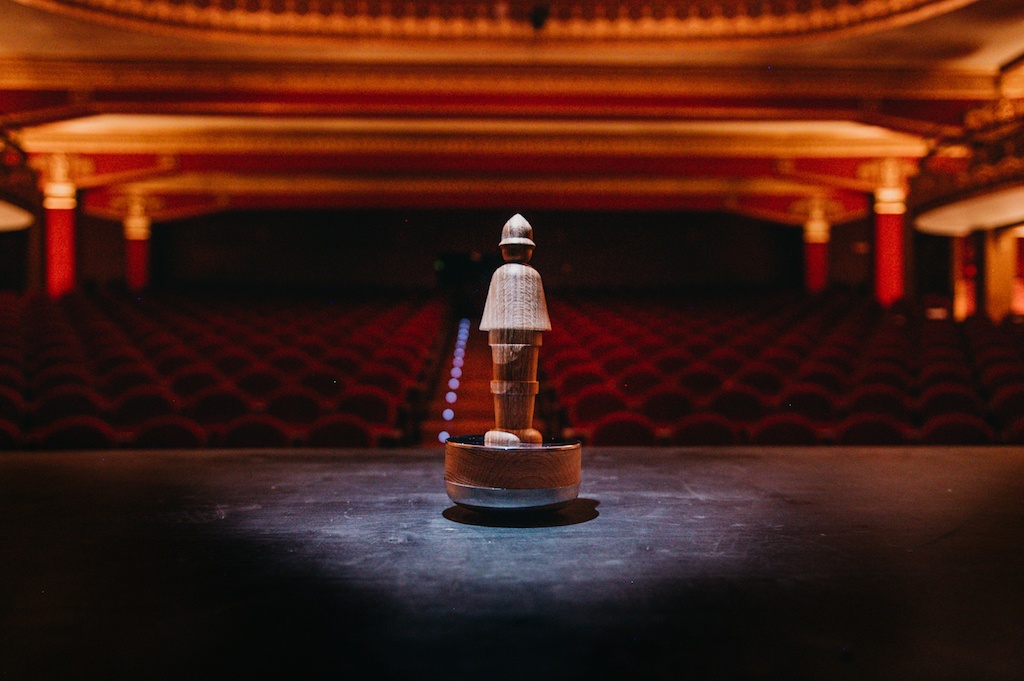
Los Premios Danzante del 48º Festival Internacional de Cine de Huesca han ido a parar al cortometraje sueco Alive de Jimmy Olsson (Concurso Internacional), el español Ni oblit ni perdó de Jordi Boquet Claramunt (Concurso Iberoamericano) y el chileno Julieta y la luna de Milena Castro (Concurso Documental). Las tres obras pasan directamente a la preselección de los Premios Oscar gracias al certamen altoaragonés.
La cita cinematográfica que reparte más de 24.000 euros en premios, cierra una edición “extraordinaria” siendo la primera en Europa en reabrir las salas al público tras el confinamiento. Las proyecciones presenciales en el Teatro Olimpia han sido uno de los tres ejes vertebradores junto a una versión online gratuita con más de 100 cortometrajes y un autocine para cerca de 200 coches.
El cortometraje sueco Alive, el español Ni oblit ni perdó y el chileno Julieta y la luna son los trabajos ganadores de los Premios Danzante de la 48ª edición del Festival Internacional de Cine de Huesca en sus concursos internacional, iberoamericano y documental respectivamente. Estas tres producciones se clasifican así de forma directa para la preselección de los Premios Oscar de Hollywood gracias al reconocimiento de la cita oscense, un certamen donde han competido un total de 80 obras provenientes de 30 países diferentes.
El Premio Danzante del concurso internacional ha sido para al cortometraje Alive. Una producción sueca dirigida por el experimentado cineasta Jimmy Olsson que el jurado compara con un “puñetazo en la cara” y destaca por “mostrar una denuncia diferente desde un enfoque poético y con humor para hablar de derechos humanos”. Por su parte, el Danzante Internacional “Jinete Ibérico” que reconoce la mejor obra de animación, ha sido para la rusa On ne mozhet zhit bez kosmosa de Konstantin Bronzit; un cortometraje capaz de “despojarse de todo lo superfluo para contar una historia de gran profundidad”, un equilibro entre estilo, dramatismo y técnica.
He jurado internacional compuesto por el realizador mexicano Celso García, la productora y cineasta española Chelo Loureiro y la directora del festival italiano Concorto, Claudia Praolini, ha concedido la Mención Valores Humanos “Francisco García de Paso” al corto de Francia: Odol Gorri; en él, su director Charlène Favier consigue exponer de forma “poderosa y honesta” la situación en los centros de menores, elevando su importancia a nivel mundial.
In the section Iberoméricano, el cineasta catalán Jordi Boquet Claramunt se alza con el Premio Danzante con su ópera prima Ni oblit ni perdó. Este cortometraje, inspirado en la historia póstuma de Guillem Agulló, ha sido galardonado por su capacidad de “dar visibilidad a una historia que sigue siendo de actualidad así como por su capacidad de emocionar y generar debate”. El segundo premio de este concurso denominado “Cacho Pallero”, ha sido para la producción colombiana Carmen de Raúl Gutiérrez, por “el dominio del lenguaje cinematográfico al servicio de una historia en la que la violencia es terriblemente cotidiana”, en palabras de los miembros del jurado: la directora del certamen Cinespaña Alba Paz y los intérpretes Itziar Miranda y Nacho Rubio.
El tercero de los concursos, el documentary, ha distinguido a la obra de la chilena Milena Castro, Julieta y la luna. La obra se lleva el Premio Danzante por su “delicada aproximación a tratar con secretos familiares”, así como por la creación de “una atmosfera misteriosa y fantasmagórica”. El jurado compuesto por la española Marian Diaz (Instituto Cervantes), el polaco Witold Kon y el director brasileño ganador del Goya Sergio Oskman, ha otorgado a Carne de la brasileña Camila Kater, el galardón “José Manuel Porquet”; “su honesta mirada a la historia personal de cinco mujeres, su apertura al hablar sobre su relación con sus cuerpos y por el uso creativo de diferentes técnicas de animación para crear un impresionante retrato del ser mujer” la hacen merecedora de este reconocimiento.
En lo que respecta a las operas primas, el jurado joven del festival formado por Luis Montull, Manuela Roig, Paola Bolea y Raquel Ibáñez, ha querido premiar dos trabajos: la serbia Poslednja slika o ocu de Stefan Djordjevic en el apartado internacional y la brasileña Amanhã de Aline Flores y Alexandre Cristófaro en el Iberoamericano.
Por último, el Premio al Mejor Guión, discernido por Pablo Parra Cavagna y Selma Escalona, ha sido para A la Cara (España) de Javier Marco Rico. El Premio del Público, que patrocina Aragón Televisión y al que optan todas las obras a concurso, ha ido a parar al corto español Ferrotipos de Nüll García.
El palmarés de la 48ª edición pone punto y final a un festival “extraordinario”. La cita cinematográfica altoaragonesa se ha convertido así en el primer certamen europeo que realizaba sesiones en sala para público, uno de sus tres ejes que junto a la versión online y el autocine han recuperado el espíritu de “festividad cinematográfica” tanto para la ciudad como para los miles de seguidores a nivel internacional. “La respuesta del público, la industria y los medios de comunicación nos permiten cerrar una gran sonrisa, una edición histórica en todos los sentidos” concluye Rubén Moreno, director del Festival.
Did you like this article?
Subscribe to our NEWSLETTER and you won't miss anything.
Related articles
 Víctor Erice will collect the Luis Buñuel Award at the Huesca Film Festival
 'Solarium', 'Kun Bi' and 'You Can't Automate Me', winners of the 50th Huesca Festival
 The Spanish documentary 'Alive-Vivo' enters the Top 10 at the box office in the United States.
 The 49th Huesca International Film Festival maintains its drawing power despite the pandemic
 The BANFF Mountain Film Festival World Tour will start on February 19 in Huesca
 Isabel Coixet, Luis Buñuel award at the 48th Huesca Film Festival
 The short film industry meets at the 47th Huesca International Film Festival
 The 47th Huesca Film Festival begins the reception of short films
 Costa-Gavras and Álex de la Iglesia, Luis Buñuel Awards at the Huesca Festival
 The Spanish short 'Alike', nominated for the prestigious European Cartoon D'Or awards
 The 44th edition of the Huesca International Film Festival begins
 'Julieta', Almodóvar's latest film, will compete for the Palme d'Or at the Cannes Film Festival
 The Huesca International Film Festival will pay tribute to Carlos Saura
 Spanish cinema says goodbye to the great Bigas Luna