





The global weight of the Ibero-American film market is 11%
La asistencia al cine en todo el mundo sumó 7.913 millones de espectadores con una recaudación de 38.600 millones de dólares. Los países iberoamericanos estrenaron 5.786 películas durante 2016, con una recaudación de 3.270 millones de dólares y una asistencia de 894 millones de espectadores.
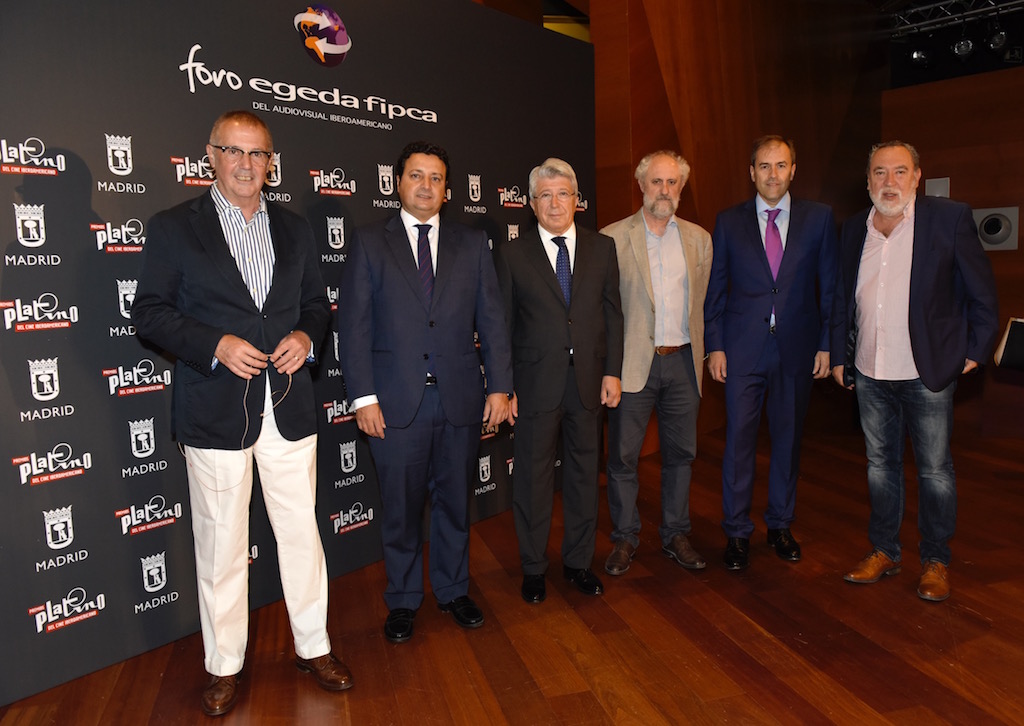
En el marco del VI Foro EGEDA – FIPCA del Audiovisual Iberoamericano que se ha celebrado por primera vez en Madrid, coincidiendo con la IV Edición de los Premios Platino de Cine Iberoamericano, se ha hecho público el Informe 2017 sobre el Panorama Audiovisual Iberoamericano. En él se analiza el sector cinematográfico y audiovisual en Iberoamérica, Estados Unidos y Europa.
En la edición 2017, se ofrecen datos y una amplia información, entre otros temas, sobre la producción cinematográfica en Iberoamérica, los costes de producción de películas iberoamericanas, la producción de ficción, la financiación de las producciones, el papel de los festivales en el desarrollo del audiovisual iberoamericano junto con análisis monográficos sobre la situación de Portugal y República Dominicana.
El peso mundial del mercado cinematográfico iberoamericano es de un 11,1% en cuanto a pantallas y un 11.3% en cuanto a espectadores, con un ligero aumento respecto de las cifras de la edición 2015. Los países iberoamericanos estrenaron durante el año 2016, 5.786 películas que recaudaron 3.270 millones de dólares y acumularon una asistencia de 894 millones de
espectadores.
La cuota cinematográfica de espectadores por el origen de estrenos sigue siendo abrumadoramente superior para el cine USA que representa el 84,8%. El cine iberoamericano supone el 11% y el europeo un 3,9%. Dentro de esta cuota de estrenos, las tres producciones con más éxito en Iberoamérica en 2016 corresponden a producciones estadounidenses: Capitán América: Civil War, con 36,2 millones de espectadores, Buscando a Dory con 33,9 millones de espectadores y Batman vs Superman: el amanecer de la Justicia con 33,1 millones de espectadores.
Por otro lado, las tres producciones iberoamericanas con más éxito durante 2016 han sido: Moisés y los diez mandamientos: la película, (Brasil) con 11,1 millones de espectadores, y dos producciones mexicanas: ¿Qué culpa tiene el niño? y No manches Frida con 5,9 y 5,1 millones de espectadores respectivamente.
En cuanto a las tres producciones europeas con más existo se encuentran: Animales fantásticos y dónde encontrarlos (Coproducción británico-estadounidense) con 17 millones de espectadores; Objetivo: Londres, (coproducción británico-estadounidense) con cuatro millones de espectadores; y La chica danesa (Reino Unido, Estados Unidos, Alemania, Dinamarca y Bélgica) con 2,9 millones de espectadores.
Producción de Ficción
Se ha analizado en el Informe 2017, la producción de ficción en Iberoamérica en el periodo 2011-2015, en 77 canales de televisión, 2.747 títulos de obras de ficción de estreno, 184.000 emisiones y más de 154.000 horas de difusión acumuladas durante
este periodo.
El promedio de tiempo dedicado por las cadenas de los países iberoamericanos a la ficción televisiva es del 26,1% del tiempo total de emisión. Los países cuyos canales dedican más tiempo de programación a la ficción son Estados Unidos con un 44,5%, Perú con un 38,6%, Chile con un 36,8% y Ecuador con un 34%. Por géneros, las telenovelas acaparan el 56,8%, las series un 24,4% y las miniseries un 7,8%.
El número total de estrenos en los 8 mercados europeos analizados en 2016 fue de 233, con unos ingresos de 54,5 millones de dólares. El total de estrenos iberoamericanos en los 20 mercados iberoamericanos analizados, suman 65 y se corresponden con 45 títulos, con una recaudación de 14,8 millones de dólares.
VI Foro EGEDA – FIPCA
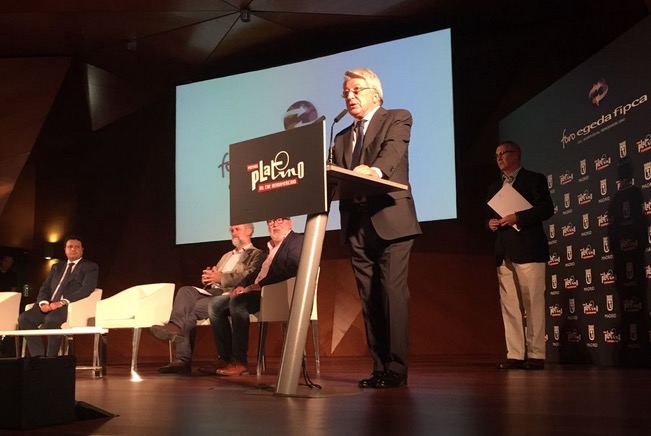
El VI Foro EGEDA – FIPCA ha reunido en Madrid a más de 250 profesionales del mundo del cine y la cultura, en el que a lo largo de sus sesiones se han planteado, con rigor y amplios conocimientos y experiencia por parte de los participantes como llevar el cine a las escuelas de Iberoamérica y a la vez lograr que la educación audiovisual, tan necesaria en una sociedad contemporánea, permee todas las capas sociales.
Los ponentes han llegado a la conclusión de que a pesar del abrumador consumo del audiovisual por parte de los jóvenes (diez horas horas frente a 1 que se dedica a la lectura), las artes audiovisuales y la comunicación audiovisual no suelen ser objeto de estudio en los ciclos formativos iniciales, a diferencia de otras artes, como la literatura, las artes plásticas o la música.
A partir de este diagnóstico, el Foro EGEDA – FIPCA propone la generación de un programa de educación audiovisual iberoamericano y la creación y actualización de un catálogo de títulos suficientes para cada edad. También solicitarán a la Secretaría General Iberoamericana (SEGIB) que incorpore en la agenda de los Ministros de Educación y Cultura de las próximas cumbres de Jefes de Estado y de Gobierno, la conveniencia de que las artes audiovisuales sean incluidas en los planes académicos de nuestros sistemas educativos, desde el preescolar, hasta los primarios y secundarios.
Por último, sugerirá a las autoridades de la Conferencia de Autoridades Audiovisuales y Cinematográficas de Iberoamérica (CAACI) la promulgación de programas de formación de público y de formación de audiencias. Estos programas deberían incluir planes de divulgación y conocimiento de los derechos de propiedad intelectual, esenciales para el desarrollo de las industrias audiovisuales iberoamericanas.
Did you like this article?
Subscribe to our NEWSLETTER and you won't miss anything.
Related articles
 SVOD in 2029: 321 million more subscribers with Netflix leading the global market
 MIAMINA Market: primer mercado iberoamericano de proyectos de animación liderados por mujeres
 The Panorama Audiovisual Iberoamericano studio returns loaded with keys on its 10th anniversary
 El cine iberoamericano incrementa un 22,5% su número de espectadores
 Global video market will reach $842 billion by 2022
 Summus Render announces the release of the first release of Simple Animation to the global market
 Eutelsat and IHS Markit to present their global UHD market reports at the 4KSummit
 Vidiexco pone en marcha una división para atender al mercado cinematográfico latinoamericano
 Spanish Television broadcasts IV Platinum Ibero-American Cinema Awards
 The fourth edition of the Platino Ibero-American Cinema Awards already has finalists
 El Mercado 3D Wire contará con nombres de primer nivel mundial en la animación y los videojuegos
 The III edition of the Platino Ibero-American Cinema Awards will take place in Uruguay
 StreamAMG y OnlineSeminar se asocian para fomentar el mercado mundial de webinars
 Filmbox is born, the first online film and audiovisual market in Europe