





Europe continues to invest in digital radio
The EBU updates its recommendation on digital radio incorporating the latest advances in digitalization.
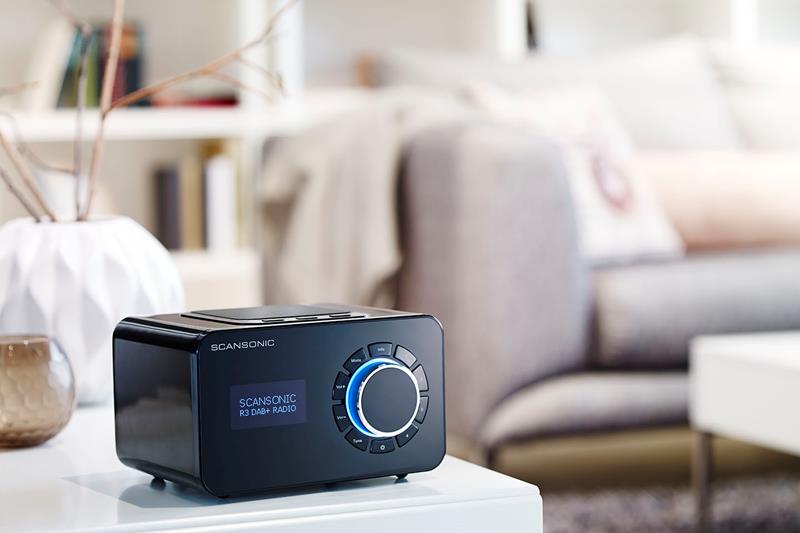
Since its publication in 2013, the Recommendation 138 It has been a key document and very well received in many countries, as it has laid the foundations for the deployment of digital radio in Europe by providing very high-level guidelines to all the agents involved.
He EBU Strategic Radio Program, recently established and whose co-presidency is held by RTVE, has prepared an update of the recommendation based on the progress that has been made in Europe regarding the digitalization of radio. The final talks to reach an agreement took place at an in-person meeting of the Strategic Program in Madrid sponsored by RTVE.
This Program helps EBU members identify the best technologies and standards that allow them to reach their current and future audiences. One of the key observations made was that the nature of radio digitalisation is changing in Europe, a fact reflected in the new title of the document, where “distribution” has become “deployment”.
The role of innovation
The Recommendation highlights the role of innovation as a key element in the new radio services offered, so that radio evolves as a medium and, in turn, continues to be attractive to its current and future audience. This is not possible with current analogue sound broadcasting services, due to the lack of available spectrum and the impossibility of evolving the standards that support them. Digital sound broadcasting allows broadcasters to create new services and provide new content, especially when digital terrestrial sound broadcasting (mainly DAB+) is used in combination with simultaneous or complementary services offered over the Internet.
The evolution in linear and non-linear radio consumption habits needs to be supported by new user experiences. This includes elements that can reach the audience directly through broadcasting and at no cost to the consumer, such as images, text, the radio station's logo or programming guides, as already happens in DTT. But not only that, as public broadcasters must also explore and exploit the potential of new service offerings on devices with broadband access widely adopted by citizens.
To ensure that radio remains a medium that citizens can continue to enjoy free-to-air without paying per connection and that broadcasters can maintain a direct link with their audiences, the use of open European standards is vital both for audio and for new user experiences. For this reason, the Recommendation also includes a guideline on the use of open standards for Hybrid Radio, such as RadioDNS currently is.
Did you like this article?
Subscribe to our NEWSLETTER and you won't miss anything.
Related articles
 EITB renews its news set and the main Radio Euskadi studio, betting on spectacularity
 Clamor for a new Digital Radio Technical Plan at the DAB+ Digital Radio conference of RTVE and WorldDAB
 Dazn continues to grow in Europe with the purchase of Eleven Sports and Team Whistle
 Confinement continues to favor the development of digital radio
 The blackout of DTT frequencies continues due to the Second Digital Dividend
 Hispasat continues to commit to the development of technology in 4K format
 The automotive industry continues its commitment to DAB+ radio in eight key European markets and Australia
 Is digital radio reborn in Europe?
 The VI Seminar 'Radio and Network' of Aragón Radio will analyze digital technology at the service of the media
 Channel 7 in Thailand continues to bet on Vizrt
 Chilefilms continues betting on EVS for its mobile phones and HD studios
 The number of channels in Europe continues to grow despite the crisis
 Radio Tunisienne Chaine installed a digital Radio-Assist system from Netia
 Kinoton continues its commitment to digital cinema