





Fujifilm estrena sus nuevos objetivos Fujinon MKX de 18-55 y 50-135 mm.
De cuerpo ligero, estos objetivos están pensado para producción cinematográfica de alto rendimiento con cámaras digitales sin espejo de la ‘serie X’.
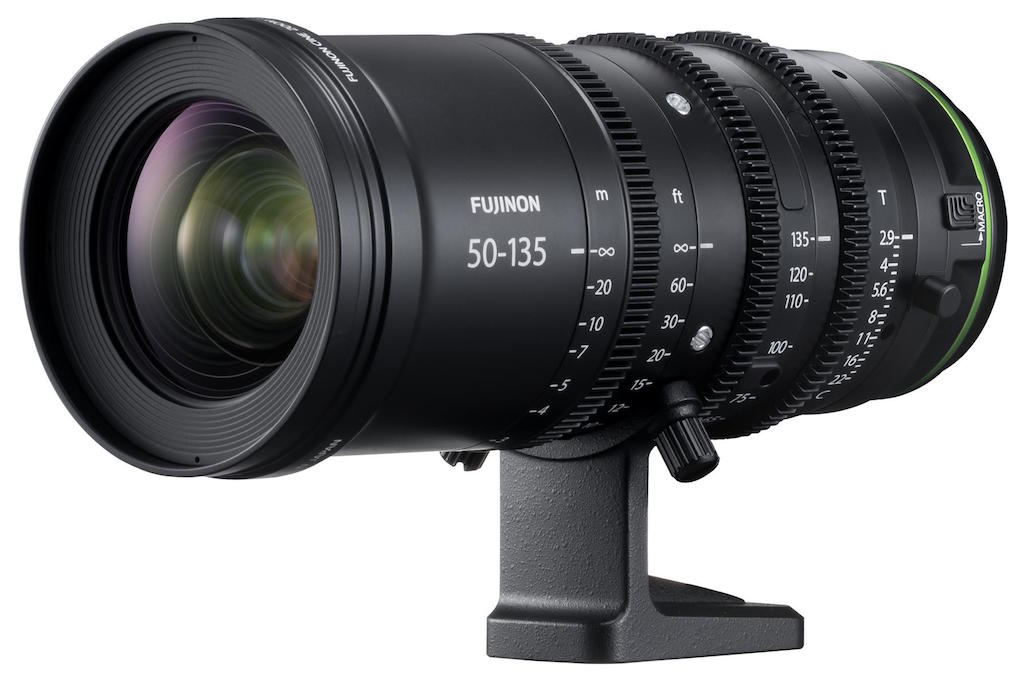
El próximo mes de mayo, Fujifilm lanzará al mercado los nuevos objetivos Fujinon MKX18-55 mm T2.9 (MKX18-55 mm) y MKX50-135 mm T2.9 (MKX50-135 mm) para la gama de objetivos intercambiables de la ‘serie X’ para cámaras digitales sin espejo.
Estos objetivos ofrecen un rendimiento óptico alto y una cómoda operabilidad para la grabación de vídeo profesional y son los primeroa para cine totalmente manuales de la gama de objetivos intercambiables de la serie X.
El MKX18-55 mm abarca desde los 27 a los 84 mm y el MKX50-135mm desde los 76 a los 206 mm en el formato equivalente a 35 mm. Los objetivos MKX, en combinación con la tecnología exclusiva de reproducción de color de la serie X, proporcionarán la solución para la grabación de vídeo profesional.
El auge que ha experimentado en los últimos años la industria cinematográfica en internet ha hecho incrementar las oportunidades de rodar películas de bajo presupuesto utilizando cámaras digitales.
Bajo este escenario, Fujifilm presentó en 2016 el Fujifilm X-T2, compatible con la grabación de vídeo en 4K. Además, se ha lanzado el Fujifilm X-H1, que incorpora funciones de vídeo expandido como estabilización de imagen de 5 ejes (IBIS), que tiene un máximo de 5,5 paradas (con el uso del objetivo XF35 mm F1.4 R), una nueva simulación de cine ideal para grabar películas Eterna, y modo de vídeo de alta velocidad 1080/120P.
En estos años, Fujifilm ha estado realizando esfuerzos para ampliar las funciones de video de la serie X. También aumenta la demanda de objetivos optimizados para grabar vídeo por parte de productores de vídeo y cineastas. No obstante, los objetivos para cine solían ser grandes, pesados y caros en comparación con los objetivos para fotografía a la hora de satisfacer sus elevados requisitos.
Por ello, Fujifilm presentó en febrero de 2017 el objetivo MK para cámaras con montura E, elogiado tanto por la sencillez de su manejo, gracias a un diseño compacto y ligero, como por el mismo rendimiento óptico y operabilidad que presentan los poco económicos objetivos para cine, a pesar de su precio asequible. El objetivo MKX se basa en el mismo concepto que el objetivo MK y presenta un nuevo contacto eléctrico con las cámaras de la serie X. Al disponer de un contacto eléctrico para comunicarse con la cámara, no solo puede corregir la distorsión y el sombreado del color/brillo, sino que también es capaz de lograr varias expresiones de color con los modos de simulación de película.
El MKX18-55 mm y el MKX50-135 mm abarcan el rango de 18-135 mm, la distancia focal más utilizada en la producción de vídeo y consiguen una abertura constante T2,9*4 en todo el alcance del zoom, lo que permite una profundidad de campo de poca profundidad y un hermoso efecto bokeh.
El diseño del objetivo optimizado para grabar vídeos minimiza el desplazamiento de enfoque y del eje óptico durante el zoom, así como la respiración del objetivo (cambio de ángulo de visión durante el enfoque).
El objetivo dispone de tres anillos para habilitar la operación manual e independiente del enfoque, el zoom y el diafragma (abertura). Todo ello con el paso de engranaje de 0.8 M (módulo). Para facilitar un enfoque preciso, el anillo de enfoque puede girar por completo hasta 200 grados. Estas características hacen que los objetivos se puedan usar con comodidad.
Debido a su avanzada capacidad para plasmar imágenes, los objetivos Fujinon de Fujifilm, premiados con el 69.º premio Emmy a la ingeniería en 2017, se han empleado en la producción de televisión publicidad o cine por todo el mundo y son elogiados por su procesamiento óptico de alta precisión.
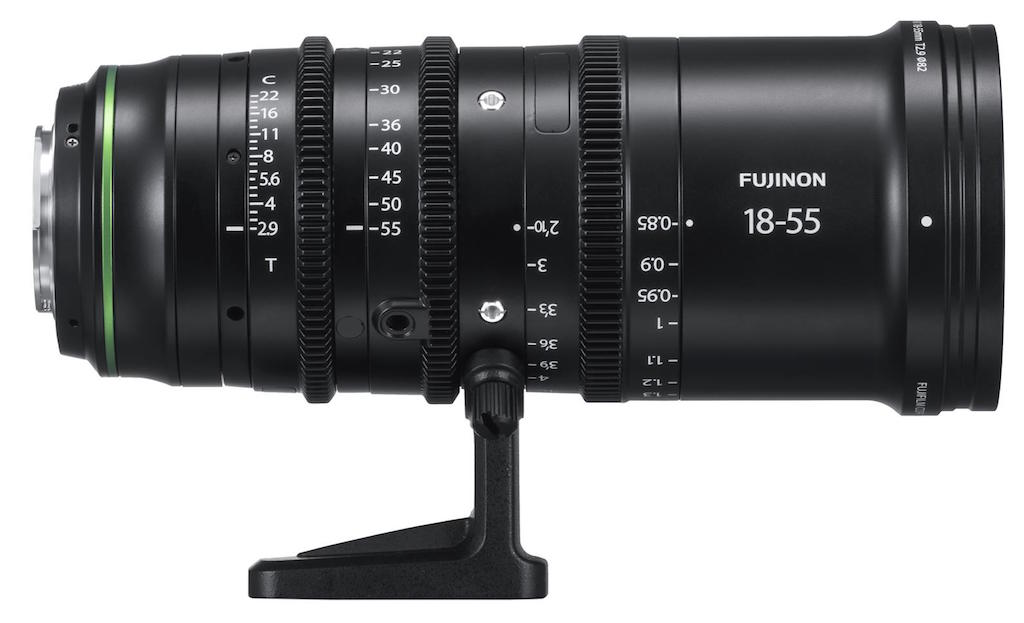
Tambor de objetivo compacto y ligero
Los nuevos objetivos ofrecen un rendimiento óptico avanzado dentro de un tambor de objetivo compacto y ligero. El MKX18-55 mm utiliza una construcción óptica de 23 elementos de cristal en 17 grupos, con seis elementos de objetivo Súper ED y dos elementos de objetivo ED. El MKX50-135 mm utiliza 23 elementos de cristal en 17 grupos, con dos elementos de objetivo Súper ED y dos elementos de objetivo ED. Estos objetivos ofrecen un rendimiento óptico avanzado de extremo a extremo en todo el rango focal del zoom.
También cabe destacar la abertura T2.9 en todo el rango de zoom, lo que facilita el popular efecto bokeh con baja profundidad de campo. Esto también significa que no es necesario reajustar la iluminación y, por tanto, contribuye a reducir el tiempo de grabación.
Al incluir, al máximo posible, las ventajas de una corta distancia focal de brida de la montura X en el diseño óptico, los objetivos MKX consiguen un rendimiento óptico avanzado a pesar de su cuerpo compacto y ligero. Esto posibilita la grabación con un número limitado de personas.
El contacto eléctrico que se comunica con la cámara no solo puede corregir la distorsión y el sombreado del color/brillo, sino que también es capaz de lograr varias expresiones de color con los modos de simulación de película.
Pensados para cine
Las nuevas propuestas de Fujifilm ofrecen características únicas para la grabación de imágenes. El conjunto de enfoque frontal y el conjunto de zoom en los elementos de los objetivos se controlan de manera independiente, a fin de eliminar el desplazamiento en el enfoque al hacer zoom. Por lo tanto, ya no hace falta volver a enfocar al acercar o alejar el zoom. Al emplear un método más óptico y mecánico, se han eliminado los desfases de tiempo comunes en un sistema de control eléctrico.
Un sistema de enfoque interno frontal controla la respiración del objetivo (cambio de ángulo de visión durante el enfoque) para lograr un enfoque fluido en una imagen espectacular.
Además, en su diseño se ha aplicado la tecnología de fabricación desarrollada en los objetivos de cine Fujinon convencionales, a fin de controlar el desplazamiento del eje óptico al hacer zoom y garantizar en todo momento la composición deseada.
He anillo de enfoque dispone de un giro de hasta 200 grados para facilitar el enfoque preciso incluso al grabar con una baja profundidad de campo, lo que requiere un gran nivel de precisión.
Los objetivos disponen de tres anillos completamente manuales para posibilitar el ajuste independiente del enfoque, el zoom y el diafragma. Esto abre la puerta a operaciones intuitivas que nunca se podrían conseguir con mecanismos eléctricos que suelen provocar desfases temporales.
Todos los anillos de funcionamiento tienen un paso de engranaje de 0.8 M, el mismo que todos los demás objetivos de cine Fujinon, lo que permite el uso de todos los accesorios estándar de terceros para la producción cinematográfica. Por ejemplo, el Follow Focus (seguimiento de enfoque), que produce un enfoque fluido y preciso.
El diafragma es compatible con un ajuste eficiente sin mecanismos tipo clic. Esto facilita un ajuste preciso de la exposición, a la vez que elimina el ruido y el movimiento de cámara que ocurren al tener que hacer clic.
Destacar, por último, que para que no sea necesario mover los accesorios al cambiar objetivos, todos los engranajes de los tres anillos están en la misma posición. Además, los objetivos tienen una función macro que permite la grabación desde cerca para ampliar el rango de imágenes que se pueden abarcar con un mismo objetivo y cuentan con una función de ajuste de la distancia focal de brida para conseguir la mejor combinación cámara-objetivo posible y obtener así el máximo provecho del rendimiento óptico de los objetivos.
Did you like this article?
Subscribe to our NEWSLETTER and you won't miss anything.
Related articles
 Fujifilm muestra por primera vez su nuevo zoom Fujinon LA30x7.8 en NAB 2025
 Los nuevos objetivos híbridos Fujinon Duvo sorprenden en MicroSalón 2023
 17 objetivos zoom para broadcast de Fujinon reciben la nueva solución de control S10
 Fujifilm estrena el nuevo zoom gran angular Fujinon Premista19-45mmT2.9
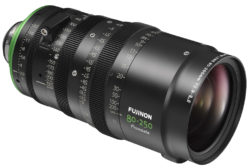 Fujifilm presentará en IBC el teleobjetivo con zoom Fujinon Premista 80-250mm
 NEP USA equipa su nueva unidad móvil IP/4K con objetivos zoom UHD 4K de Fujinon
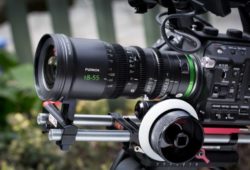 Fujinon exhibirá en CineGear 2018 su portfolio de objetivos MK
 Fujifilm suministra 22 nuevas lentes 4K HDR Fujinon UA a BBC Studioworks
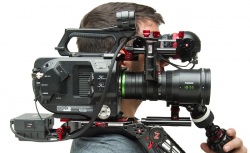 Fujifilm revoluciona los objetivos para cine digital con la nueva gama MK ultracompacta y ligera
 Fuji avanza en NAB tres nuevos objetivos 2/3″ de la serie UA para 4K
 Fujifilm estrenará dos nuevos objetivos en NAB 2014
 Fujifilm estrenará en NAB nuevos objetivos y actualizaciones
 Dos nuevos objetivos zoom Optimo de Angénieux
 Canon estrena objetivos en NAB’09