





Axon will unveil at IBC, Neuron, the first network-attached processor (NAP) for IP broadcast environments
La plataforma de procesamiento de señal de próxima generación Neuron de Axon ofrece una gran potencia para soportar 200 Gb/s y 64 canales o 16 canales UHD en una sola unidad de rack.
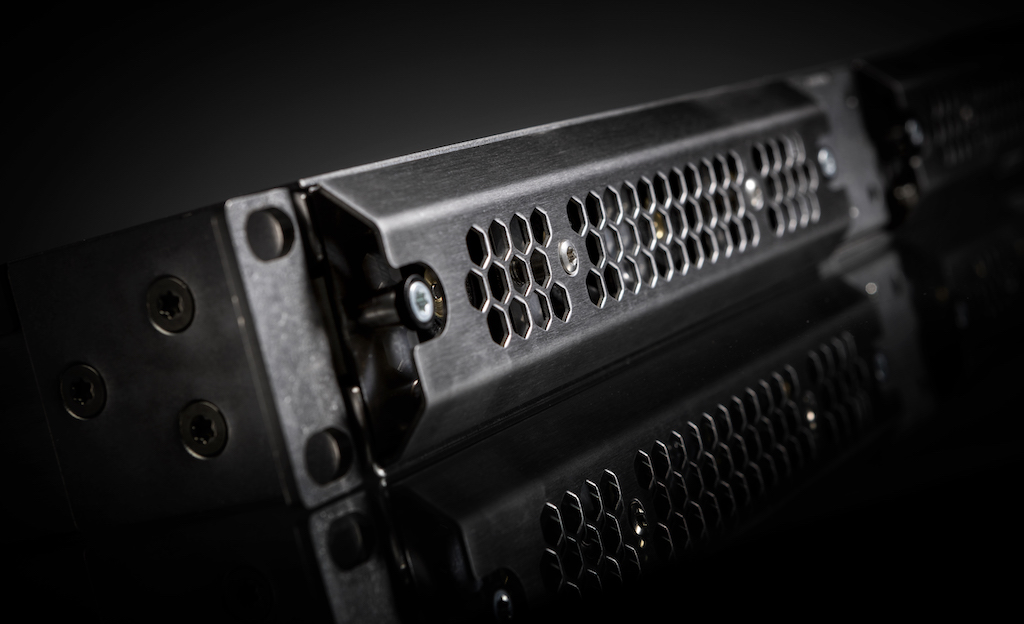
Axon desvelará en IBC 2018 (10.A21), Neuron, he primer procesador conectado a red (Network Attached Processor, NAP). Desarrollada para satisfacer las necesidades de entornos IP e híbridos complejos, esta plataforma de procesamiento de señal de próxima generación ofrece una gran potencia para soportar 200 Gb/s y 64 canales o 16 canales UHD en una sola unidad de rack.
El director técnico de Axon, Peter Schut, destaca que “el paso a IP le está quitando el sueño a muchos en la industria broasdcast, en particular ante el reto de integrar y controlar capas tecnológicas cada vez más complejas, al tiempo que se garantice el rendimiento del ancho de banda para nuevos formatos como UHD. Para resolver estos problemas, se necesita un NAP: ¡un procesador conectado a la red! Y con nuestro nuevo Neuron NAP, Axon marca la pauta”.
Infraestructura IP nativa
Para aquellos que se dirigen a una infraestructura IP nativa pura, Neuron es extremadamente eficiente como glue modular en un entorno centralizado y virtual, capaz de procesar todas las tareas necesarias en un dominio de vídeo en directo y en banda base. Permite múltiples canales en un solo dispositivo y elimina la cascada física de productos para ofrecer la posibilidad de interconectar en el orden que se desee, sin necesidad de utilizar diferentes cables.
Los nuevos formatos como Ultra HD y 8K utilizan una cantidad de ancho de banda que crece exponencialmente. Aquí es donde Neuron entra en juego. En una sola unidad de rack, puede procesar hasta 200 Gb/s y ofrecer 64 canales de 1080p o 16 canales UHD en el mismo espacio de rack.
A medida que la producción de medios pasa de un enfoque centrado en el hardware a otro basado en aplicaciones y se adoptan modelos de negocio mixtos CAPEX/OPEX, la escalabilidad y el rendimiento ofrecidos por Neuron permitirán la entrega flexible de diferentes tipos de producción, lo que abrirá nuevas oportunidades para los radiodifusores y supondrá un ahorro significativo tanto en términos de espacio como de presupuesto.
Camino híbrido hacia IP
Para aquellos que toman un camino híbrido hacia IP, es claro que el despliegue de switches COTS y hardware basado en CPU ha fallado en proveer funciones presentes en los routers SDI tales como embebido, desembebido, sincronización de frame up/down/cross y multipantalla.
Neuron cierra esa brecha sin problemas al proporcionar una impresionante potencia de procesamiento basada en FGPA con una conexión eficiente a E/S SDI heredadas. Al agrupar la tecnología SDI en una plataforma IP, todas las tareas de procesamiento de audio y vídeo se gestionan con un ancho de banda ultra alto. Se pueden añadir hasta 80 conectores SDI en la misma 1RU, lo que la convierte en uno de los dispositivos de procesamiento con mayor eficiencia de espacio, rentabilidad y eficiencia energética disponibles en la actualidad.
“Estamos encantados de lanzar Neuron en IBC y demostrar esta tecnología disruptiva a los visitantes. Ya ha sido recibido con entusiasmo por nuestros clientes, muchos de los cuales son pioneros en la producción IP, y han quedado impresionados por su espectacular rendimiento. Confiamos en que Neuron facilitará y acelerará el paso a IP, especialmente en la producción de deportes, donde su rendimiento de ancho de banda garantizado soportará el lanzamiento de nuevos formatos, incluido el 8K”, concluye Schut.
Did you like this article?
Subscribe to our NEWSLETTER and you won't miss anything.
Related articles
 Unitecnic and its partners design a global IP solution for broadcast environments
 Blackmagic news for broadcast environments in the run-up to NAB 2023
 Lawo debuts .edge, a next-generation IP processor compatible with SDI environments, at NAB 2022
 Hisense debuts first self-developed 8K AI perception processor
 AMD expands its offering for broadcast environments with the Radeon Pro VII graphics card
 Axon Neuron Processor Delivers Flexibility and Speed in New Cloudbass IP Mobile Unit
 Euro Media Group (EMG) relies on Axon's Neuron to boost IP production
 Axon unveils Neuron, the first Network Attached Processor (NAP) for broadcast IP environments
 Arista Networks and Nevion partner to provide network solutions for broadcast environments
 Brainstorm debuts Neuron at IBC 2017, a solution for comprehensive graphics management in broadcast environments
 Canon introduces two new 2/3″ 4K field lenses for broadcast environments
 Wohler presents its first eight-channel audio monitor for 3G and Dolby environments
 New microphones for DPA broadcast environments
 Sony announces its first 3D projector for home environments