





La televisión pública de proximidad, un modelo de referencia para la información ciudadana en Europa
FORTA, la Academia de Televisión, la Oficina del Parlamento Europeo en España y la Representación de la Comisión Europea en España analizan en una jornada los modelos, recursos y financiación de la televisión de proximidad en Europa.
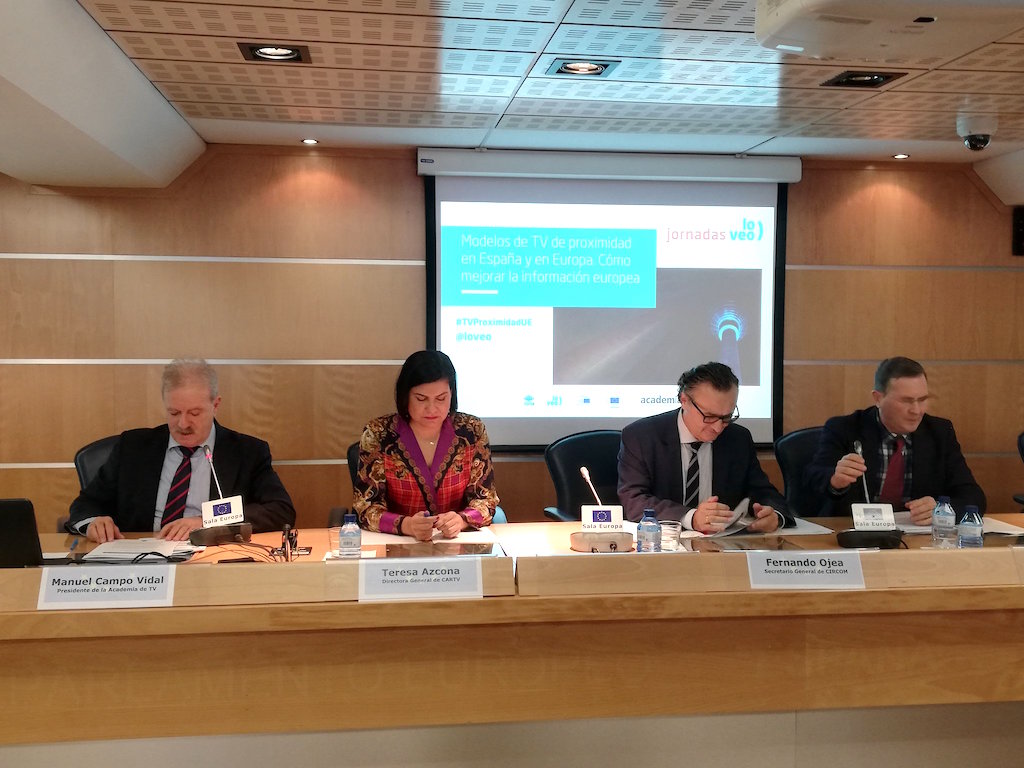
Dentro de la iniciativa Lo Veo. Ser diferentes nos hace únicos, iniciativa que pretende poner en valor el importante papel que desempeñan los servicios audiovisuales públicos autonómicos, la Federación de Organismos de Radio y Televisión Autonómicos (FORTA), la Academia de las Ciencias y las Artes de Televisión de España, la Oficina del Parlamento Europeo en España y la Representación de la Comisión Europea en España, celebraron el pasado viernes en Madrid una jornada sobre Modelos de TV de proximidad en España y en Europa. Cómo mejorar la información europea.
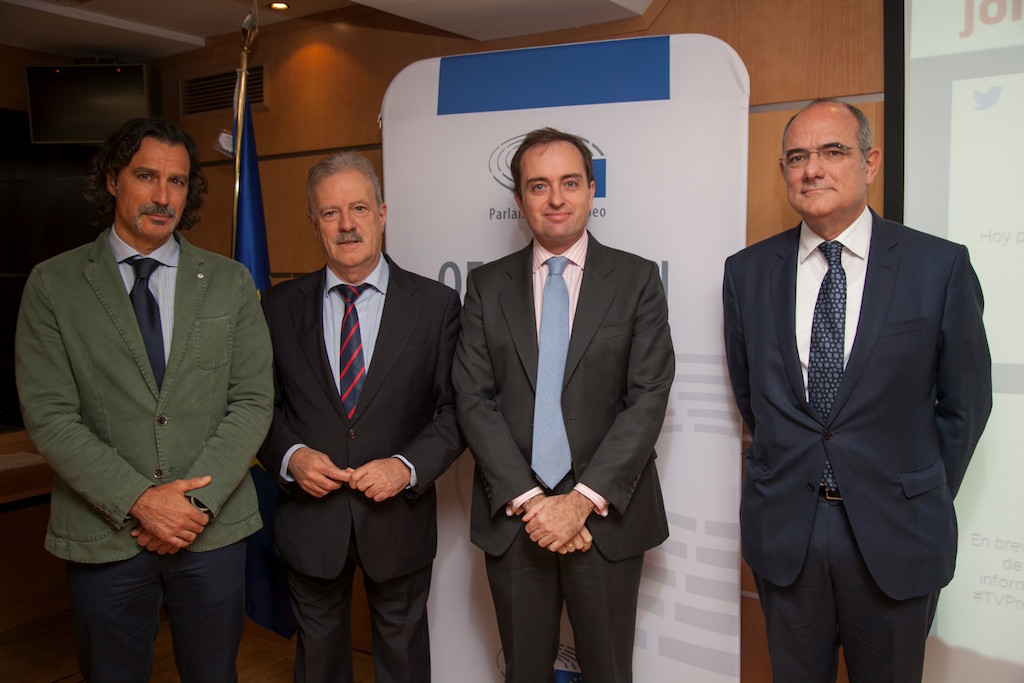
El evento, que se ha desarrollado en la sede de las Instituciones Europeas en Madrid, ha sido inaugurado por Jaume Duch, director general de Comunicación y portavoz del Parlamento Europeo, Lucas González, jefe de Prensa de la Representación de la Comisión Europea en España, Manuel Campo Vidal, presidente de la Academia de Televisión, y Antonio Virgili, presidente de FORTA.
En palabras de Duch, “es muy necesario el apoyo de los medios de comunicación para animar al voto en las próximas elecciones europeas. También para que sea un voto informado, un voto reflexionado. Las TV de proximidad juegan aquí un papel clave por su conexión con el ciudadano porque ayudan a informarle de temas concretos, que le interesan y lo alejan de las generalidades. Las próximas elecciones, además, serán importantes porque se está definiendo el modelo audiovisual europeo”.
González ha señalado que “la información europea tiene que ser un esfuerzo compartido entre diversos actores, entre ellos los medios audiovisuales públicos autonómicos. Los temas europeos cada vez están más cerca del ciudadano, le afectan en su día a día. La gente necesita cosas tangibles que pueda trasladar a su vida real. Estamos trabajando en múltiples iniciativas para llevar la información europea al ámbito autonómico, algo que necesita el apoyo de las instituciones”.
Por su parte, Antonio Virgili ha subrayado “la importancia que tienen los medios audiovisuales de proximidad a la hora de mantener informados a los ciudadanos sobre aquello que les importa y les afecta, no sólo a escala local sino también desde una perspectiva europea. Tenemos una conexión especial con la gente, por nuestra cercanía y el conocimiento de la identidad de cada uno de nuestros territorios. Y la responsabilidad de transmitirles información de manera plural, diversa y veraz”.
Campo Vidal ha apuntado que “la TV de proximidad es más necesaria que nunca y mantiene su influencia. Hay muchas noticias que de no ser por su difusión a través de los medios audiovisuales públicos autonómicos, no existirían. Su papel es fundamental y hay que preservarlo. Por ello, desde la Academia de TV estamos orgullosos de apoyar este tipo de jornadas para poner en valor su actividad”.
Modelos de financiación
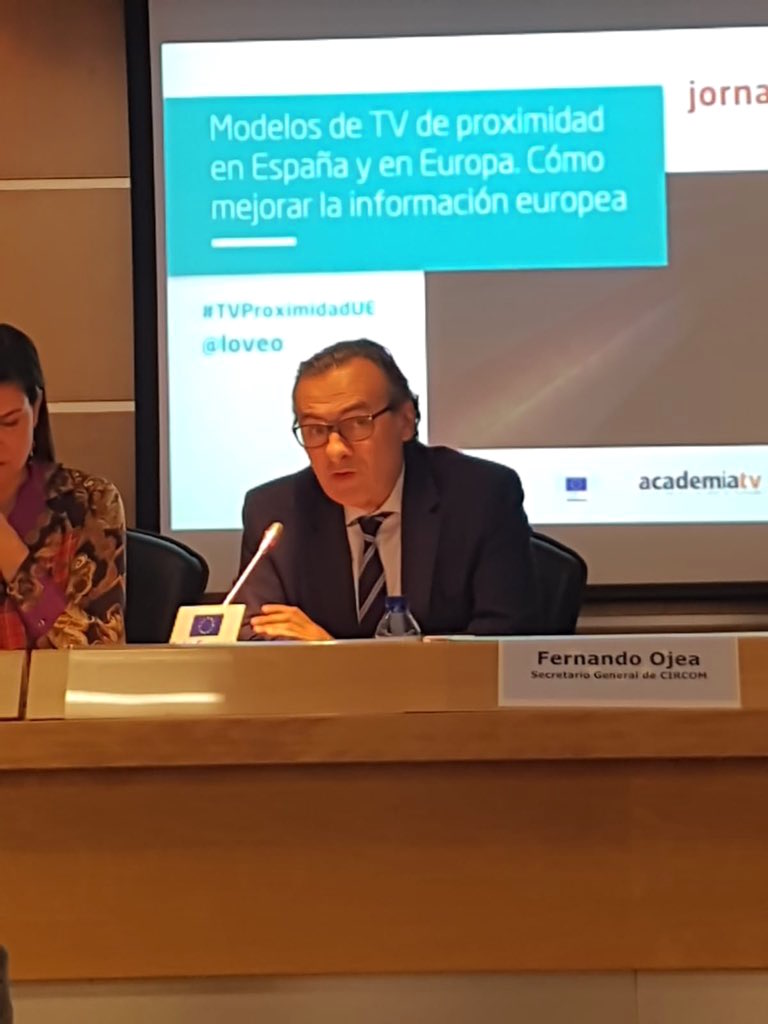
Tras la presentación, se dio paso a la primera mesa redonda, centrada en los diferentes modelos de financiación de la TV pública en Europa, con participación de Teresa Azcona, directora general de CARTV, Fernando R. Ojea, secretario general de CIRCOM; y Francisco Campos, catedrático de la Universidad de Santiago de Compostela.
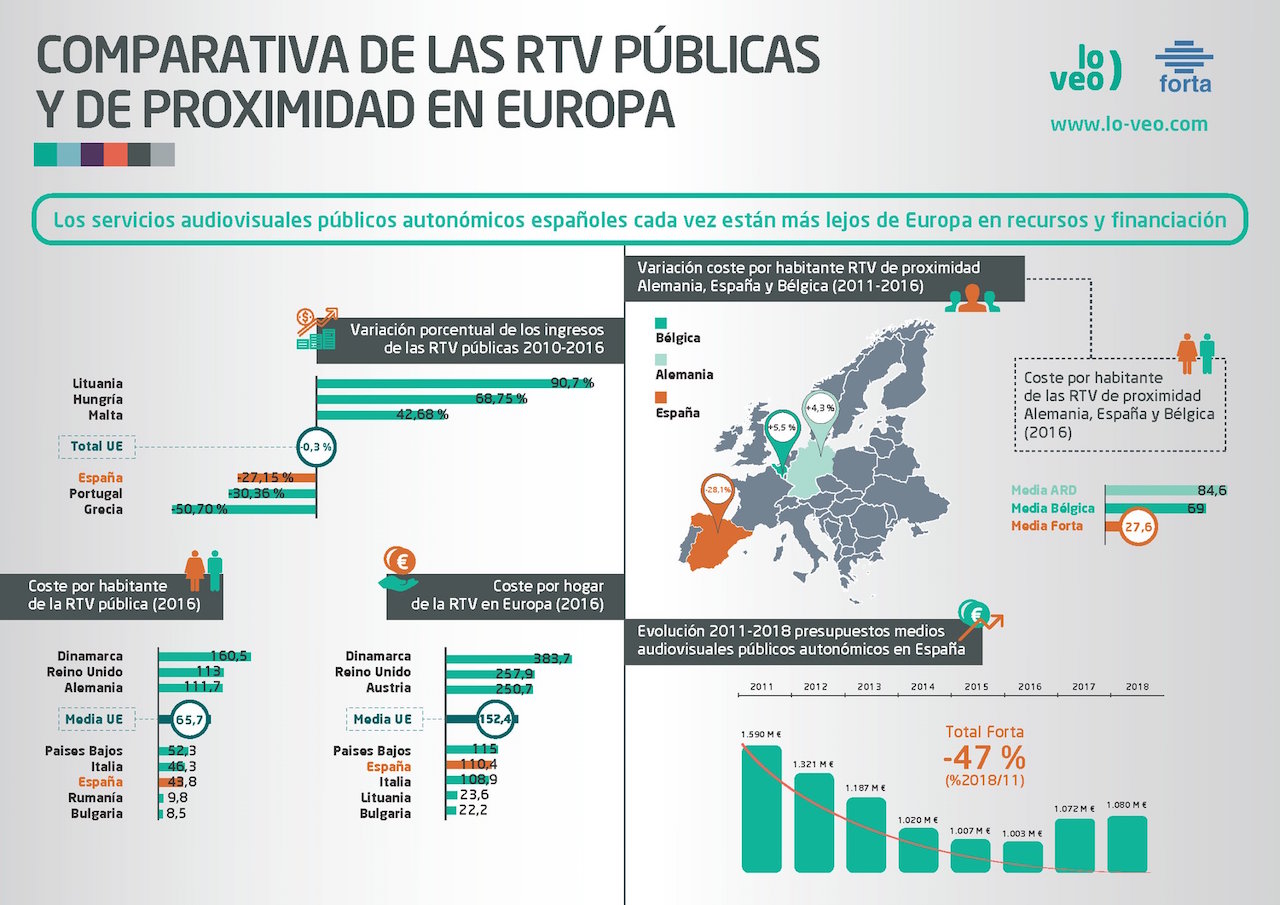
El debate, moderado por Manuel Campo Vidal, partió del reciente estudio “Panorama actual y tendencias de la radiotelevisión pública en Europa”, elaborado por la Universidad de Santiago de Compostela en colaboración con otras universidades. Según el estudio, respecto al conjunto de los medios audiovisuales públicos de nuestro país, estatales y autonómicos, se ha bajado de un coste de 60 euros por habitante, cerca de la media europea en 2010, a menos de 44 euros en 2016, un tercio menos que la media europea, y lejos de países como Dinamarca, con 160 euros por habitante, o Reino Unido, con 113 euros por habitante.
 Campos, el académico que ha liderado esta investigación, ha hecho hincapié en “que la radiotelevisión pública afronta complejos desafíos en Europa en un momento de proliferación de nuevos competidores, de nuevas formas de consumo y nuevas propuestas legislativas. Y uno de los retos más relevantes es el de la financiación, clave para dotar de continuidad, independencia y garantías al servicio público, en un momento en el que sus funciones se multiplican y deben acometer más labores que nunca”.
El estudio concluye también que los presupuestos de las radiotelevisiones públicas autonómicas de España se redujeron en un 47 % entre 2011 y 2018 (un recorte de 509 millones de euros), mientras que los de las corporaciones regionales de Alemania aumentaron un 6 % entre 2011 y 2016 –algo más de 400 millones- y los de las de Bélgica subieron un 8 % en el último periodo citado.
En este sentido, Ojea ha apuntado que “los servicios audiovisuales públicos de Alemania y Bélgica son los dos modelos en Europa más fácilmente comparables con los servicios audiovisuales públicos autonómicos de España, como radiotelevisión de proximidad e identidad diferenciada. El valor social de la singularidad de esa identidad y proximidad es la monetización simbólica que puede sustentar sus modelos de financiación pública. Sin embargo, ambos países duplican y triplican a nuestras autonómicas”.
Desde su perspectiva, Azcona ha puesto de relieve que “las autonómicas nos hemos adaptado al entorno económico restrictivo manteniendo la calidad. Somos eficientes pero, ante todo, debemos ser efectivos y cumplir nuestros objetivo de ofrecer un servicio público con pluralidad social, cultural y territorial. Las autonómicas no son un gasto; son una inversión en conocimiento, desarrollo, cultura y autoestima de los ciudadanos de nuestros territorios”.
 La UE en las televisiones autonómicas
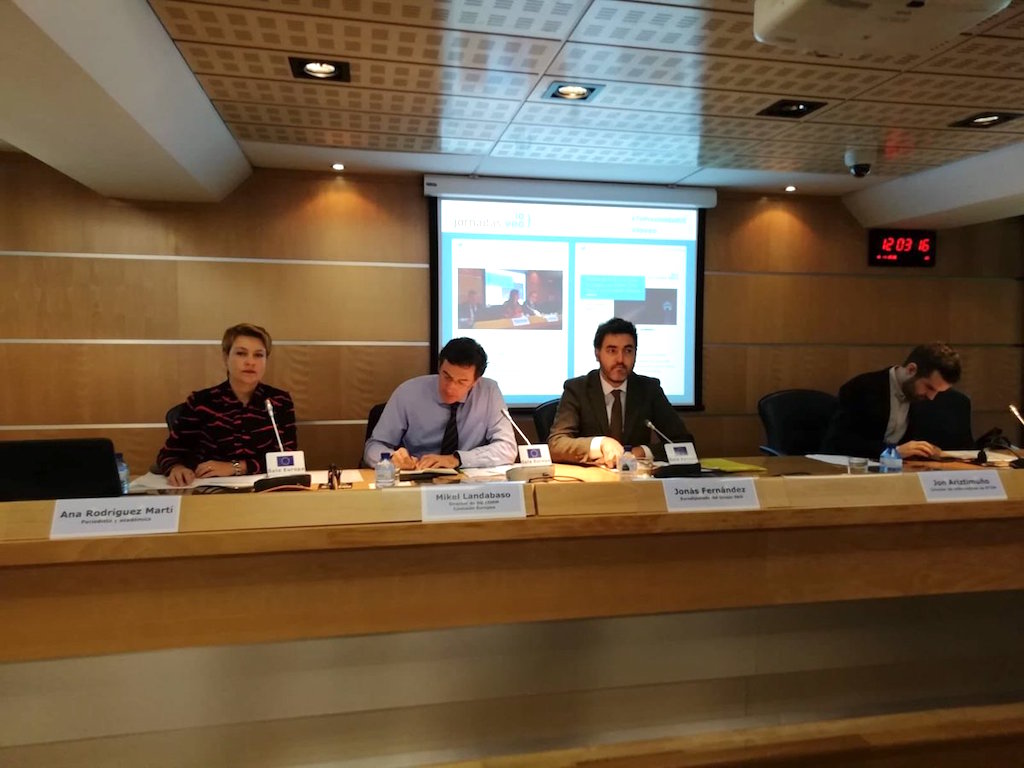
A continuación se dio paso a la segunda mesa de debate, en este caso centrada en la información referente a Europa que se incluye en la programación de los servicios audiovisuales públicos autonómicos, con especial atención a las próximas elecciones al Parlamento Europeo que se celebrarán el 26 de mayo de 2019. También se ha debatido sobre el impacto de nueva directiva audiovisual, recientemente aprobada, y sobre las formas de combatir la proliferación de fake news mediante la credibilidad y el periodismo de verificación de los audiovisuales públicos.
En este caso, el debate fue moderado por la periodista y académica Ana Rodríguez Martí, y contó con las intervenciones de Mikel Landabaso, director de DG COMM de la Comisión europea, y Jon Ariztimuño, jefe de Informativos de Telemadrid, y el eurodiputado Jonás Fernández.
Landabaso ha indicado que desde la Comisión Europea “diariamente tenemos la rueda de prensa más grande del mundo y es clave que los medios audiovisuales públicos autonómicos tengan presupuesto suficiente para poder acceder a estas ruedas, y que sepan traducir esa información para poder hacerla más atractiva para los ciudadanos. Proximidad es credibilidad y confianza”.
Ariztimuño ha mostrado su visión como responsable de la información de un medio público autonómico, entre cuyas funciones está la de “ofrecer una visión completa y cercana del panorama informativo, con alcance global y local, desde una perspectiva territorial propia. Cercanía complementada con veracidad. En este sentido, los medios públicos autonómicos estamos trabajando para combatir las crecientes fake news a través de una labor de verificación, alfabetización y educación para dotar de herramientas suficientes a los ciudadanos para que puedan detectar cuando están ante noticias falsas”.
Para concluir, Fernández ha señalado que “existe un amplio trabajo en el seno de la UE que merece ser contado. Los informativos autonómicos deben liderar esa tarea por su cercanía con la gente. Tenemos que ser capaces de transmitir cómo se toman las decisiones en Europa y también tenemos que combatir la “noticia falsa” de que la UE no es democrática. En ello incide la nueva Directiva de Servicios Audiovisuales, además de garantizar la protección del consumidor”.
Did you like this article?
Subscribe to our NEWSLETTER and you won't miss anything.
Related articles
 TikTok estrena #QueVer, “centro de información” para conectar a los usuarios con cine y televisión
 ‘Home of Giants’, a “reference” eSports center in southern Europe, opened in Malaga
 Ikegami Europa invierte en el monitor de onda LV5600 SDI/IP de Leader para pruebas de referencia
 Atresplayer entra en los eSports con la emisión en directo de uno de los torneos de referencia en Europa
 ATG Danmon integra dos sistemas de producción móvil para uno de los canales de televisión parlamentarios más antiguos de Europa
 El satélite para televisión más potente construido nunca en Europa ya está en el espacio
 La televisión de pago, el servicio tecnológico con peor valoración ciudadana
 La televisión pública danesa DR graba en Madrid la postal oficial de Ruth Lorenzo para Eurovisión 2014
 La televisión pública checa instala soluciones de Orad para sus espacios deportivos
 Europa se desmarca del modelo español de copia privada
 Uruguay abre consulta pública para la televisión digital
 El MAC impulsará un mercado virtual de contenidos para tv de proximidad
 MAC 2010: punto de encuentro para el audiovisual de proximidad
ASIMELEC rejects the financing model for public television proposed by the Government
MAC 2010: punto de encuentro para el audiovisual de proximidad
ASIMELEC rejects the financing model for public television proposed by the Government