





The producer José Frade will receive the EGEDA Gold Medal
Cuenta con una carrera de más de cincuenta años donde se encuentran títulos como ‘La guerra de papá’, ‘La trastienda’ o ‘No desearás al vecino del quinto’.
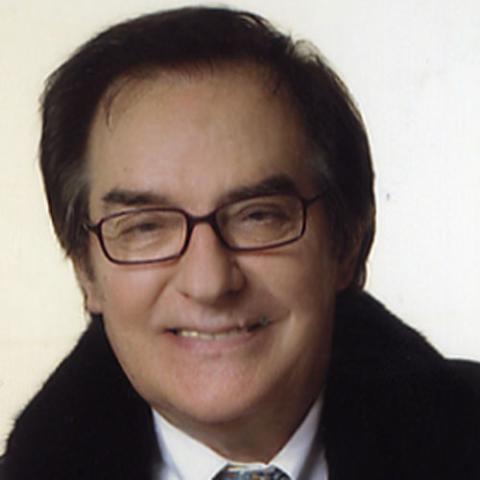 La 24 edición de los Premios José María Forqué distinguirá al productor José Frade con la Medalla de Oro de EGEDA (Entidad de Gestión de Derechos de los Productores Audiovisuales). El galardón reconoce su labor en la industria cinematográfica donde atesora más de cincuenta años de trabajo y títulos tan destacados como La guerra de papá, La trastienda, No desearás al vecino del quinto o Tormento. Un total de 115 largometrajes y series de televisión de la mano de su empresa, Jose Frade PC, que marcan una gran parte de la historia del cine del S.XX en España.
El reconocimiento supone una forma de agradecimiento por “su labor constante e incansable durante todos estos años”, en palabras de Enrique Cerezo. Al mismo tiempo que “trata de ser un tributo a su persona como un cineasta clave en la filmografía española del último siglo”, concluía el presidente de EGEDA.
Frade sucede en este reconocimiento al cineasta Carlos Saura y se une así a una larga lista donde aparecen figuras tales como Pedro Masó, Elías Querejeta, Eduardo Ducay, José Luis Borau, Fernando Trueba, Agustín Almodóvar o Santiago Segura, por citar solamente alguno de los nombres.
La entrega del galardón se llevará a cabo en la gala que se celebrada el próximo sábado 12 de enero en el Palacio de Congresos de Zaragoza y estará retransmitida por La 1 de TVE. Una ceremonia donde las cintas Campeones, Carmen y Lola, Entre dos aguas y El Reino optarán a alzarse con el máximo reconocimiento, el de Mejor Largometraje de Ficción.
Historia del cine español
Jose Frade (Madrid, 1938) cuenta con una exitosa trayectoria profesional de más de cincuenta años. Inicialmente se centraría en el “spaghetti western”, pero en la década de los 70 la comedia No desearás al vecino del quinto le otorgará un reconocimiento comercial sin precedentes; la cinta protagonizada por Alfredo Landa marca además el inicio del género conocido como “landismo”.
En paralelo, Frade explora otros géneros cinematográficos junto a realizadores consolidados como Juan de Orduña y talentos emergentes en la época como Eloy de la Iglesia. Su figura es un referente y eso le lleva a trabajar con algunas de las grandes estrellas del cine nacional como Pepa Flores, Concha Velasco o Paco Rabal.
Con la llegada de la transición, su interés se vuelca hacia un cine de corte más histórico y social, siendo Tormento (Pedro Olea, 1974) la cinta que marca este nuevo inicio. Premiada en el Festival Internacional de Cine de San Sebastián, el largometraje donde participa también como guionista cuenta entre sus actores con tres nombres muy destacados del séptimo arte español: Paco Rabal, Concha Velasco y Ana Belen. Le siguen otros títulos como La trastienda (Jorge Grau, 1975), Las largas vacaciones del 36 (Jaime Camino, 1976) o La guerra de papá (Antonio Mercero, 1977) que representan la apertura de la sociedad del momento.
La década de los 80, vuelve a marcar otro hito comercial de la mano de Mariano Ozores con el que trabaja en múltiples títulos. Los 90, por su parte, son un reflejo de este éxito, pero en la televisión con series como Canguros o Hermanos de leche.
En los últimos años ha producido títulos como Don Mendo Rock. ¿La venganza?, dirigida por José Luis García Sánchez; Por Un Puñado de Besos de David Menkes, Los miércoles no existen, bajo la dirección de Peris Romano o la serie de La Sonata del Silencio. Actualmente está sumergido en diversos proyectos de envergadura como la serie Hospital Valle Norte para TVE, con un reparto coral donde destacan los nombres de Alexandra Jiménez, José Luis García Pérez, Lucía Jiménez o Gorka Otxoa, entre muchos otros.
Además de su faceta cinematográfica, Frade es un empresario polifacético y también ha trabajado como productor de teatro y representante de humoristas y cantantes.
Did you like this article?
Subscribe to our NEWSLETTER and you won't miss anything.
Related articles
 The co-founder of Vaca Films, Emma Lustres, will receive the EGEDA Gold Medal at the Forqué Awards
 Producer and distributor Enrique Cerezo, Gold Medal from the Film Academy 2025
 Adolfo Aristarain will receive the 2024 Gold Medal from the Film Academy on September 12
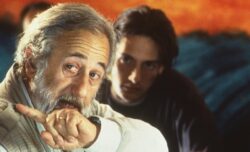 Adolfo Aristarain recibirá la Medalla de Oro de la Academia de Cine 2024
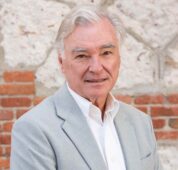 Eduardo Campoy will receive the EGEDA Gold Medal at the Forqué Awards
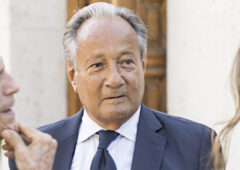 Producer José Luis Bermúdez de Castro will receive the Gold Medal at the 28 Forqué Awards
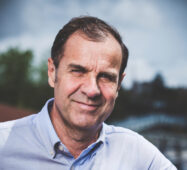 El productor José Velasco recibirá el Premio de Honor Conecta Fiction & Entertainment 2022
 The producer José Antonio Félez, gold medal of the 27th edition of the José María Forqué award
 Fernando Colomo and Beatriz de la Gándara, EGEDA Gold Medal at the 26 José María Forqué Awards
 Gonzalo Suárez will receive the Gold Medal of the 25th edition of the Forqué Awards
 José Salcedo will receive the Gold Medal from the Film Academy
 Antonio P. Pérez, Medalla de Oro de EGEDA
 The FesTVal kicks off with the series co-produced by TVE and José Frade PC, 'La Sonata del Silencio'
 EGEDA will award its Gold Medal to Santiago Segura