





Aural ID: Genelec redefines headphone monitoring by “scanning” your anatomy
Aural ID funciona adquiriendo los atributos acústicos exclusivos de una persona para crear un modelado detallado de sus características anatómicas únicas que afectan a la audición.
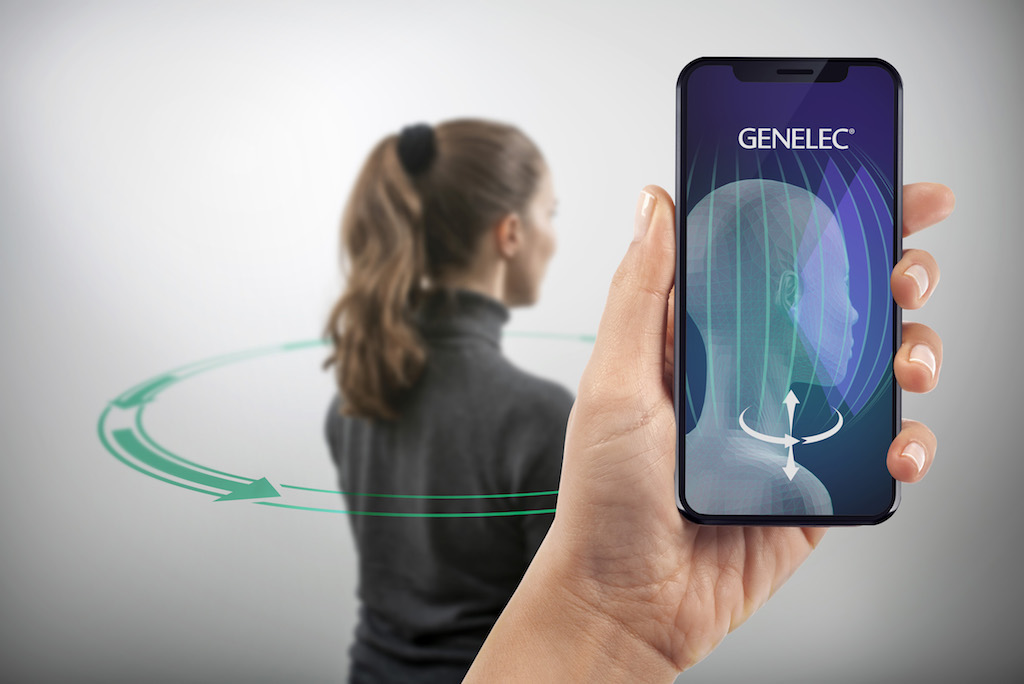
Genelec ha dado un paso importante para mejorar la fiabilidad de la escucha con auriculares mediante la introducción de su nueva tecnología de software Aural ID. Funciona adquiriendo los atributos acústicos exclusivos de una persona para crear un modelado detallado de sus características anatómicas únicas que afectan a la audición, las cuales pueden ser compensadas, permitiendo así la entrega de un sonido más veraz y fiable cuando se utilizan auriculares para la reproducción.
Reconociendo que la reproducción tradicional de auriculares de “talla única” no proporciona una referencia fiable y adecuada para los profesionales del audio, Aural ID calcula la función de transferencia personal relacionada con la cabeza (Head Related Transfer Function, HRTF) del usuario, que describe las propiedades acústicas de la cabeza, la parte superior del torso y el oído externo: elementos que interactúan de forma compleja para afectar a los sonidos que llegan a los tímpanos.
Aural ID calcula todos estos elementos y crea un fichero de datos personales que caracteriza la modificación del sonido procedente de cualquier acimut y elevación. En consecuencia, este archivo permite a un motor de audio renderizar con precisión contenido estéreo o inmersivo a través de los auriculares.
Hasta ahora, la recopilación de información personal de HRTF ha sido un proceso complejo y lento que requiere una sala anecoica, la colocación de micrófonos de medición en la entrada de los canales auditivos del usuario y una cuidadosa atención a los detalles de configuración y procedimiento con múltiples mediciones. Sin embargo, incluso después de que se hayan tomado estas medidas, los datos recopilados son menos exhaustivos que los que se pueden obtener con Aural ID, y aún así pueden ser propensos a errores.
Por el contrario, el software Genelec Aural ID simplemente requiere que el usuario proporcione un vídeo de 360 grados de la región de la cabeza y los hombros, para lo cual basta con una cámara de teléfono móvil de alta calidad. Una vez que el vídeo es cargado en el servicio de cálculo basado en la web de Genelec, el proceso de cálculo construye primero un modelo 3D preciso y detallado, escalado exactamente a las dimensiones correctas de la cabeza y la parte superior del torso, con especial atención al modelado de las orejas externas. Después de esto, los campos acústicos son analizados y calculados numéricamente con un método de onda completa para capturar fenómenos acústicos detallados.
Los campos acústicos son calculados para cientos de diferentes orientaciones de audio que se acercan a la cabeza, después de lo cual se forman los HRTFs y los datos son finalmente compilados en un archivo SOFA descargable, un formato que ha sido definido y estandarizado por la Audio Engineering Society (AES). Esto maximiza la compatibilidad técnica del archivo de datos HRTF, ya que el formato SOFA ya está soportado por muchos motores de realidad virtual (RV) y de renderizado de audio de juegos.
De hecho, Genelec considera que quienes trabajan en la investigación académica, la monitorización de audio inmersiva, la RV y el desarrollo de juegos son los primeros en adoptar la nueva tecnología de identificación auditiva.
El director general de Genelec, Siamak Naghian, comenta que “de la misma manera que nuestros altavoces de monitorización establecieron la referencia sónica para la monitorización de audio profesional, y el software de calibración GLM revolucionó la forma en que los monitores de estudio podían optimizarse para cualquier espacio acústico, estamos decididos a ayudar a establecer estándares de veracidad sónica en la reproducción de auriculares. Con un número creciente de profesionales del audio que confían tanto en los monitores como en los auriculares, Genelec Aural ID es un primer paso importante hacia el uso de auriculares para la escucha y la monitorización de audio de referencia real”.
Did you like this article?
Subscribe to our NEWSLETTER and you won't miss anything.
Related articles
 'Sundays' and 'Anatomy of an instant' triumph at the Forqué Awards
 Producer and engineer Sean Genockey equips his studio with Genelec monitoring
 The Palme d'Or winner at Cannes, 'Anatomy of a Fall', completed with DaVinci Resolve Studio
 Genelec debuts UNIO audio monitoring platform and 9320A reference controller at IBC
 Genelec dota de monitorización 5.1 a la nueva unidad móvil de la finlandesa Soundon
 Aural ID from Genelec is now available as a plug-in for DAWs
Genelec Aural ID is now available in plug-in format for DAW
Aural ID from Genelec is now available as a plug-in for DAWs
Genelec Aural ID is now available in plug-in format for DAW
 Guy Sebastian vuelve a confiar la monitorización de su home-studio a Genelec
 Genelec redefine la escucha a través de auriculares con su software Aural ID
 The new limited edition M50x monitoring headphones glow red
 Genelec unveil world’s first Genelec Experience Centre
 The VRT-EBU LiveIP project uses the Genelec SAM IP series for monitoring
 IBM redefines affordable storage with Spectrum Storage
 Sony redefines professional monitor technology