





Estas son las zonas por las que comenzará el cambio en las frecuencias de la TDT
Esta semana arrancan los primeros encendidos de nuevas frecuencias de televisión digital terrestre (TDT) en Mallorca, Ibiza y Formentera, así como en 94 municipios de la provincia de Cáceres, y en 24 localidades de la provincia Huelva.
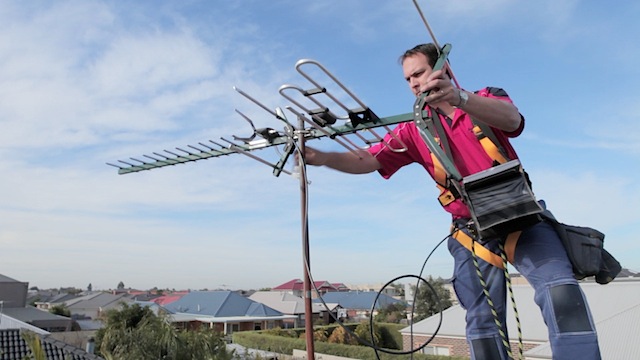
The next 24 de julio arrancan los primeros encendidos de nuevas frecuencias de televisión digital terrestre (TDT) en Mallorca, Ibiza y Formentera, así como en 94 municipios de la provincia de Cáceres, y el 26 de julio en 24 localidades de la provincia Huelva. Unos 36.000 edificios de estas zonas tendrán que adaptar sus instalaciones de antenas colectivas para continuar recibiendo la oferta completa de canales de TDT.
Dispondrán para ello de un plazo máximo de seis meses y contarán con ayudas públicas.
Con el fin de facilitar la transición y minimizar el impacto para la ciudadanía, durante un tiempo las cadenas de televisión emitirán simultáneamente a través de las frecuencias nueva y antigua (simulcast), antes de proceder al apagado de esta última.
Así lo ha explicado el director general de Telecomunicaciones y Tecnologías de la Información de la Secretaría de Estado para el Avance Digital, Roberto Sánchez, que ha aclarado que el cambio de frecuencias no afectará a todos los edificios de las zonas señaladas de Baleares, Cáceres y Huelva. En concreto, deberán realizar adaptaciones los edificios comunitarios de tamaño mediano o grande que estén equipados con sistemas monocanales o centralitas programables. Durante los próximos seis meses, estas comunidades de vecinos (unas 36.000, en las que viven 760.000 personas) deberán contactar con un instalador registrado (acceso al listado) para realizar los cambios necesarios en los sistemas de recepción de sus edificios.
Quedarán excluidas de esta adaptación las viviendas individuales, donde únicamente se deberán resintonizar los televisores para poder disfrutar de la oferta completa de TDT, una vez que finalicen los simulcast.
Este proceso no implicará la aparición ni desaparición de canales de televisión, simplemente se desplazan de frecuencias. Asimismo, cabe incidir en que este proceso no implicará la obsolescencia de televisores ni descodificadores TDT.
El cambio de frecuencias de la TDT se produce a consecuencia de la liberación del llamado Segundo Dividendo Digital, por la que se despejará la banda de 700 MHz del espectro radioeléctrico, hoy parcialmente ocupada por la TDT, para permitir ahí el despliegue de futuras redes de telecomunicaciones 5G.
En cumplimiento de las obligaciones impuestas por la Unión Europea, la banda de 700 MHz deberá estar plenamente disponible antes del 30 de junio de 2020. Así lo establece la Decisión (UE) 2017/899 del Parlamento Europeo y del Consejo, de 17 de mayo de 2017, que tiene como objetivo garantizar un enfoque coordinado del uso de estas frecuencias en el territorio comunitario. El proceso se desarrollará en coordinación plena con los países vecinos, no sólo con los pertenecientes a la Unión Europea, sujetos al mismo proceso, también con Marruecos y Argelia.
A partir del 30 de junio de 2020, por tanto, la banda de 700 MHz estará disponible para la prestación de servicios asociados a la telefonía móvil de quinta generación, dentro del Plan Nacional 5G. Se mantiene así la apuesta de situar a España entre los países líderes en el desarrollo de esta tecnología, que impulsará la competitividad del tejido empresarial y facilitará la aparición de innovaciones disruptivas.
Migración escalonada
El director general ha avanzado que en septiembre se continuará con los cambios de frecuencias en otras zonas de España como Albacete, Almería, Badajoz y Santa Cruz de Tenerife. La liberación del Segundo Dividendo Digital se producirá de forma escalonada en la mayor parte del territorio nacional, empezando por las áreas antes descritas. El detalle de los municipios donde se producirán encendidos de nuevas emisiones viene especificado en el real decreto 391/2019, de 21 de junio.
En total, de acuerdo a las estimaciones realizadas por la Secretaría de Estado para el Avance Digital, afectará a alrededor de 850.000 edificios y 21 millones de habitantes. Quedarán exentos de los cambios de frecuencias en los múltiples digitales de ámbito nacional y autonómico Asturias, Barcelona, A Coruña, Menorca, Melilla y una parte de las provincias de Toledo y Murcia.
Ayudas públicas
Para minimizar el impacto de este proceso sobre la ciudadanía, el Consejo de Ministros aprobó mediante Real Decreto el pasado 21 de junio la concesión directa de subvenciones por valor de 145 millones de euros. En el día de hoy, el Consejo de Ministros ha adoptado el acuerdo por el que se autoriza esta convocatoria de ayudas, que serán gestionadas por la empresa pública Red.es.
Las ayudas irán destinadas a compensar los costes derivados de la recepción o acceso a los servicios de comunicación audiovisual televisiva en las edificaciones afectadas por el Segundo Dividendo Digital. Las cuantías de la subvención oscilan entre 104,3 € y 677,95 €, en función de la infraestructura previamente instalada.
Canales de información a la ciudadanía
Los ciudadanos y ciudadanas podrán consultar todas sus dudas en la página web http://www.televisiondigital.es/, y en el teléfono 901 20 10 04 y en el número gratuito 954 30 65 01. A partir del 2 de agosto, este último será sustituido por la línea de atención telefónica gratuita 910 889 881.
Did you like this article?
Subscribe to our NEWSLETTER and you won't miss anything.
Related articles
 Prime Video comenzará a incluir publicidad en sus contenidos VOD en 2024
 The reorganization of the 3.5 GHz frequencies, key to the development of 5G, is completed
 Así queda la subasta de las frecuencias de la banda de 700 MHz.
 El 20 de julio comienza la licitación de frecuencias 5G de la banda de 700 MHz
 German Parliament moves to protect “cultural frequencies” in the 470 to 694 MHz band
 La consulta pública sobre la licitación de las frecuencias de 700 MHz en 5G cerrará plazo el 17 de enero
 Media Online comenzará a operar como Broadcast Solutions Products und Service
 La conectividad en zonas remotas, a análisis en el 5G Forum Virtual
 Satellite, key to bringing 5G to remote areas
 Continúa el apagón de frecuencias de TDT por el Segundo Dividendo Digital
 Paco Arango comenzará en julio el rodaje de ‘Los Rodríguez y el más allá’
 Industria prevé adelantar la liberalización de las frecuencias 790-862 MHz
 Christie exhibe una treintena de productos en doce zonas en InfoComm 2011
 Una alternativa para zonas de sombra en TDT