





PSOE and PP overturn the promotion of DAB+ digital radio in the Senate
“No comprendemos como el PSOE, a pesar de asegurar que apoyarían el plan de desarrollo de la DAB+ de 2011, rechaza ahora una Ley Marco para digitalizar el medio como está haciendo ya nuestro entorno europeo”, destaca Carlos Maudet, portavoz de Compromís en el Senado, grupo que ha presentado una Proposición de Ley.
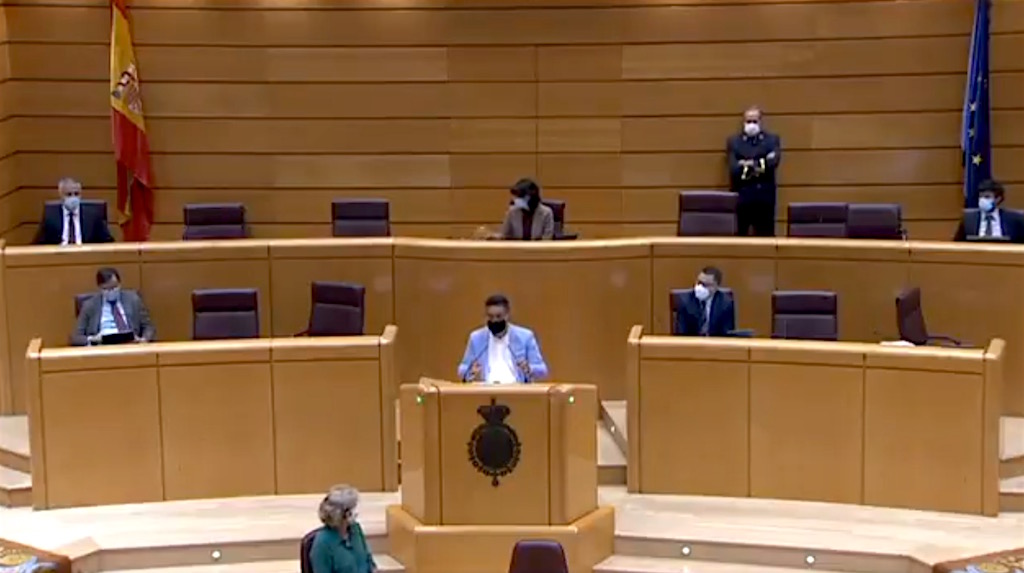
Si en 2018 fueron los votos en solitario del PP de rechazar la creación de una comisión especial de estudio para la implantación de la DAB+, ahora ha sido el PSOE quien ha rechazado la Proposición de Ley de Medidas Urgentes para el impulso de la radiodifusión sonora digital terrestre en el Pleno del Senado celebrado este miércoles 4 de noviembre de 2020.
Este fue el resultado final de la votación del pleno del Senado: síes, 39; noes 219; abstenciones 15 (con un total de 263 votos telemáticos).
El portavoz de Compromís, grupo que presentó la Proposición de Ley, Carles Mulet, ha recordado que “son numerosos los oyentes de la radio que piden más pluralidad informativa, más calidad sonora y servicios en la radio para garantizar su futuro” y ha remarcado que “la propuesta de Compromís, ha superado la fase de alternativas sin reparos y cuenta con el apoyo del Foro Mundial de la Radio”.
El senador ha reprochado a los socialistas que lleven once años sin mover un dedo en materia de radio digital. “Mientras en Europa crece a un ritmo anual del 8% y tiene ya casi 1.400 emisoras privadas emitiendo con muy buenos resultados, aquí el PSOE se resiste a admitir una toma en consideración y debe explicar por qué se resiste a ello o para quien trabaja, pues es inexplicable”, ha resaltado.
El senador ha agradecido el ánimo de aportar su colaboración de grupos como Ciudadanos o el PNV ante una cuestión que lleva años de retraso respecto a los países de nuestro entorno y que está poniendo en peligro al sector. “Esta propuesta es un buen inicio para desbloquear la radio digital como se hizo con la tele digital y en 2018 el PSOE se comprometió cuando estaba en la oposición a desarrollar cuanto antes la radio digital para poder seguir disfrutando de la radio sin quedar a merced de plataformas, gigantes tecnológicos o de conexiones a internet, tan solo enchufando la radio como hemos hecho hasta ahora”.
El portavoz de Compromís ha recordado el agotamiento de la FM actual y de espectro en las grandes ciudades y la necesidad de adaptarnos a las tecnologías digitales tras nueve años de inacción en esta materia y de recorte de cobertura de la DAB.
"The Directiva europea obliga ya a incorporar radios digitales en coches y autobuses a partir del próximo diciembre y aquí seguiremos sin emisoras, ni concesiones a pesar que en Europa se han vendido casi 60 millones de receptores que cuestan a partir de los 20 euros, por lo que no entendemos esta negativa antievolucionista que nos convierte en isla tecnológica de Europa”, ha agregado Mulet.
“Lo del PSOE es serio y grave pues han censurado abrir la tramitación de una Ley que podía modificarse y mejorarse en la fase parlamentaria, a pesar de no haber presentado ni una sola enmienda y de existir un periodo transitorio entre las distintas tecnologías como ocurrió con la TDT y cuando su Gobierno promovió en 2011 un Plan Técnico”, ha lamentado.
Veinte años de tropiezos
Aunque España aprobó su Plan Técnico Nacional de la Radiodifusión Sonora Digital Terrestre en 1999, la radio digital terrestre no ha logrado despegar 20 años más tarde.
En este plan quedaban contemplados los elementos esenciales para el desarrollo de este nuevo servicio bajo la norma europea Digital Audio Broadcasting (DAB) and the different networks destined to the emission of the different services were characterized, with direct and indirect management, in the different territorial areas.
Si bien en 2000 se iniciaron emisiones regulares en las redes de cobertura nacional (FU-E, MF-I y MF-II) contempladas en el citado Plan Técnico, no ocurrió lo mismo con el resto de los servicios de las otras redes autonómicas y locales. Únicamente llegaron a celebrarse los concursos autonómicos de concesiones para la explotación del servicio en régimen de gestión indirecta previstos en dicho Real Decreto en Cataluña e Islas Baleares, aunque tan solo se iniciaron emisiones en Cataluña.
Tampoco se logró alcanzar una cobertura poblacional del 80 % antes de junio de 2006, tal y como se preveía en el citado Real Decreto. La cifra se estancó años antes al llegar al 51 % y fueron las redes de cobertura nacional (FU-E, MF-I y MF-II) las que permitieron alcanzarla.
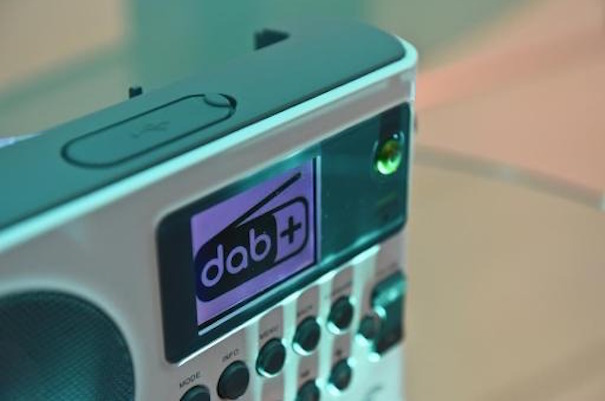 Despite this 51% coverage, citizens did not begin to consume DAB radio in a significant way. The main reason was lack of knowledge, since the essential communication strategy typical of this type of transition processes was not developed and therefore no adequate promotional campaign was carried out to present the new programming, the new technology and the advantages that it offered to all citizens.
Apart from that, the carencia de contenidos exclusivos y atractivos diferenciados de los disponibles en las emisiones analógicas, no motivó el inicio del consumo, ya que la oferta en DAB estaba basada, en su mayor parte, en emisoras que emitían la misma programación en FM. A ello hubo que sumarle que la oferta en los canales tradicionales de distribución de receptores domésticos y para vehículos era escasa, con precios poco asequibles. Lo mismo ocurría con los kits de adaptación para el parque de vehículos existente.
Tras casi dos décadas del inicio de emisiones de radio digital con tecnología DAB, la penetración del servicio seguía siendo prácticamente nula. Por ello, hubo un intento de relanzamiento mediante la elaboración de un plan de digitalización del servicio de radiodifusión sonora terrestre, aprobado por el Consejo de Ministros y publicado mediante Resolución de July 13, 2011 of the Secretary of State for Telecommunications and the Information Society.
Despite this, the planned objectives were not achieved due to lack of execution. In addition, the coverage obligation was temporarily reduced from 50% of the population to 20%, establishing a period of 1 year from its approval to achieve 20% population coverage with DAB+ technology. This coverage should also be similar to the existing FM coverage (indoors, tunnels...), in those areas where it is provided.
Sin embargo, lejos de resolver a la migración de DAB a DAB+ y de sentar las bases para un despliegue efectivo, el efecto obtenido fue contrario al perseguido. De hecho, no se llegó a migrar en DAB+ y la cobertura en DAB quedó reducida al 20 % poblacional.
In this way, the service deteriorated noticeably and what was a temporary situation became permanent. Furthermore, a very small but loyal audience that had begun receiving DAB throughout the national territory was left without coverage, with the exception of the metropolitan areas of Madrid and Barcelona, which concentrate the aforementioned coverage of 20% of the population.
Desde entonces, junio de 2011 hasta hoy no se ha producido ningún avance. Una situación que tras el varapalo de ayer en el Senado no tiene visos de cambio.
Did you like this article?
Subscribe to our NEWSLETTER and you won't miss anything.
Related articles
 Clamor for a new Digital Radio Technical Plan at the DAB+ Digital Radio conference of RTVE and WorldDAB
 PSOE, PP, Unidas Podemos and PNV dynamite the public tender and agree to share control of RTVE
 Radio Aalsmeer launches its digital studio with virtual radio solutions from Lawo
 Congress elects the six RTVE councilors proposed by PSOE, Unidos Podemos and PNV
 The VI Seminar 'Radio and Network' of Aragón Radio will analyze digital technology at the service of the media
 Mexico is torn between analogue and digital impulse
The Chilean Senate accelerates discussion on the Digital TV Law after Japan's analog blackout
Mexico is torn between analogue and digital impulse
The Chilean Senate accelerates discussion on the Digital TV Law after Japan's analog blackout
 Government boost to the digital home
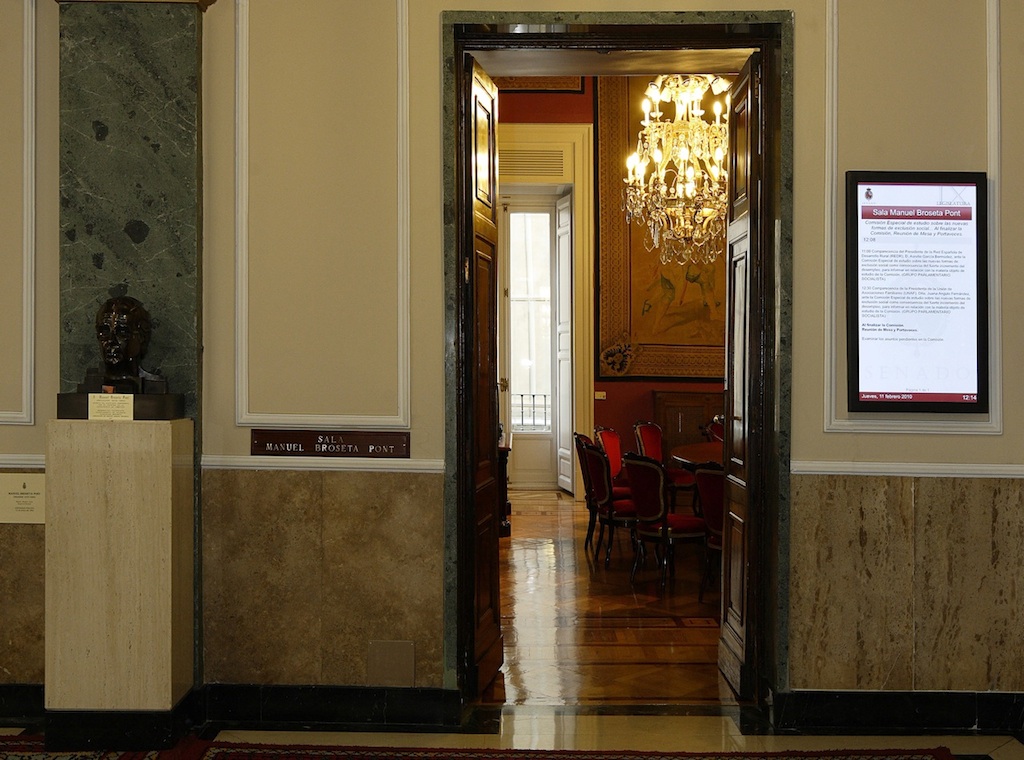 Digital portfolio with Spinetix HMP 100 in the Spanish Senate
 CLAND, the Digital and Audiovisual Cluster of Andalusia, gains momentum
 France gives one last push to its digital terrestrial
 Radio Tunisienne Chaine installed a digital Radio-Assist system from Netia
 Alberto Oliart will be the new president of RTVE by consensus of the PSOE and the PP
 The analogue blackout. The media legacy of PSOE and PP