





Montxo Armendáriz, Álex de la Iglesia y Hans Zimmer recibirán la Medalla de Oro al Mérito en las Bellas Artes
Entre las 32 personalidades e instituciones de la cultura, distinguidos con la Medalla destacan también Carlos Hipólito, Emilio Sagi, Adriana Ozores, Antonio Resides, Emma Suárez, Pilar Lladó, Laura García Lorca, Gustavo Dudamel… y a título póstumo a Pau Donés, Álvaro de Luna y Andrés Sardá.
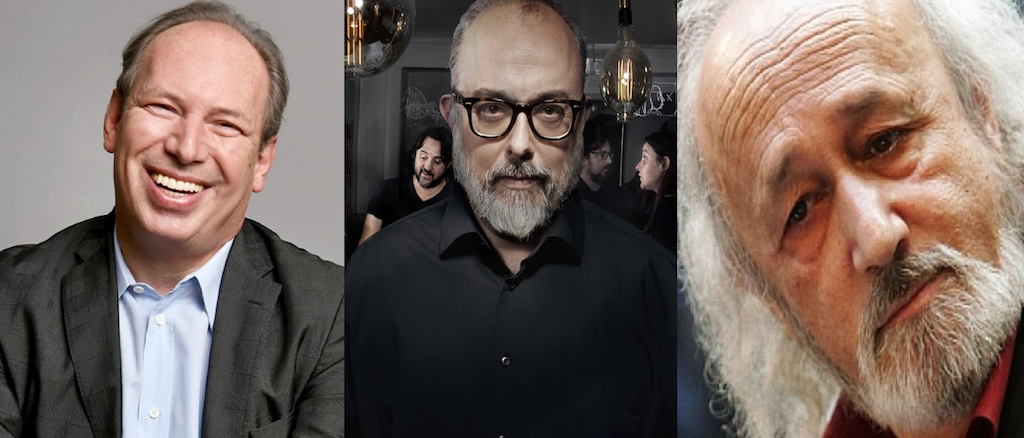
El Consejo de Ministros, a propuesta del ministro de Cultura y Deporte, José Manuel Rodríguez Uribes, ha aprobado este martes la concesión de las Medallas de Oro al Mérito en las Bellas Artes correspondiente al año 2020 a 32 personalidades de la cultura.
Este galardón distingue a las personas y entidades que hayan destacado en el campo de la creación artística y cultural o hayan prestado notorios servicios en el fomento, desarrollo o difusión del arte y la cultura o en la conservación del patrimonio artístico.
Han sido distinguidos con la Medalla de Oro al Mérito en las Bellas Artes:
Monxo Armendáriz
(Olleta, Navarra, 1949) Director de cine y guionista. Su primera obra fue el corto Barregarriaren dantza (Danza de lo gracioso) (1974), y fue sufragado de forma cooperativa por unas cuarenta personas agrupadas en Txantreako lankideen. Obtuvo el «Mikeldi» de Plata y el Primer Premio del Cine Vasco en el Certamen Internacional de Cine Documental y Cortometraje de Bilbao en 1979, y el «Premio Especial a la Calidad de la Dirección de Cinematografía» del Ministerio de Cultura. Con los beneficios económicos, en 1980 rodó un nuevo cortometraje, Ikusmena. En los años siguientes obtiene varios premios y menciones del Ministerio de Cultura con documentales y graba su primer largometraje Tasio (1984).
En 1986, ganó la Concha de Plata en el Festival Internacional de Cine de San Sebastián con 27 horas, y con Las cartas de Alou (1990) el Goya al «Mejor Guion Original». Su segundo Goya con la inolvidable Historias del Kronen (1994). Tuvo también una nominación a los Oscar como «Mejor Película Extranjera» con Secretos del corazón (1997).
Alex de la Iglesia
(Bilbao, 1965) Director, guionista y productor. Mientras estudiaba Filosofía en la Universidad de Deusto, comenzó a despuntar como dibujante de cómic en publicaciones como Burdinjaun o Trokola. Su debut en el mundo del cine fue en 1988, como director artístico del corto Mamá de Pablo Berger. En 1991 se desvela su talento combinando la producción en Todo por la pasta, con la dirección de su primer trabajo, el aclamado cortometraje Mirindas asesinas. Con aquella carta de presentación, fue fichado por Almodóvar, quien le encomienda la dirección de Acción mutante (1993), por la que fue candidato al Goya al «Mejor Director Novel». Dos años después llega su consagración con El día de la bestia (1995), por la que obtiene el Goya al «Mejor Director». Después estrenará Perdita Durango (1997) -su incursión en Hollywood-, La comunidad (2000), 800 balas (2002), Los crímenes de Oxford (2008), Balada triste de trompeta (2010), Las brujas de Zugarramurdi (2013), Messi (2014) -su primer largo documental-, Mi gran noche (2015), El bar (2017) o Perfectos desconocidos (2017). Además, ha producido películas de otros cineastas como Musarañas. Entre 2009 y 2010, presidió la Academia de las Artes y las Ciencias Cinematográficas.
Hans Zimmer
(Fráncfort, Alemania, 1957). Compositor de música cinematográfica y videojuegos. Caracterizado por la integración de música electrónica y los arreglos sinfónico-orquestales, ha sido acreedor a reconocimientos cinematográficos como los Globos de oro, BAFTA, Emmy, Saturn, Grammy, además de un Óscar de la Academia por su trabajo en El rey león en 1994, premios a los que ha sido nominado en otras 10 ocasiones. En la actualidad, es considerado uno de los compositores más sobresalientes de Hollywood. Londres fue la ciudad en la que se inició musicalmente, de la mano de su mentor Stanley Myers. A comienzos de los ochenta se sumergió en el mundo del synthpop y new wave, en formaciones como The Camera Club y Helden. Su trayectoria dará un salto en 1988 con la composición de la banda sonora de la película ganadora del Óscar Rain Man, de Barry Levinson. Tras ese éxito, se integra en Hollywood y realiza Black Rain, Paseando a Miss Daisy, Thelma & Louise y Días de Trueno, entre otras. A estos trabajos le siguió la banda sonora de La Roca o la banda sonora de la producción animada El príncipe de Egipto. También realiza las bandas sonoras de La delgada línea roja, Origen, El desafío – Frost contra Nixon, El código Da Vinci, Spanglish, El último samurai, Spirit: El corcel indomable, Pearl Harbor o Gladiator. Trabaja en las tres secuelas de Piratas del Caribe y Batman Begins. En 2009, debuta en el ámbito de los videojuegos, creando la banda sonora de Call of Duty: Modern Warfare, la primera de muchas colaboraciones en esta industria.
Pau Donés (a título póstumo)
(Barcelona, 11 de octubre de 1966 – Bagergue, Lleida; 9 de junio de 2020) Músico, compositor y cantante (concedida a título póstumo). Comenzó muy joven como guitarrista de J.& Co. Band. En 1995 fundó Jarabe de Palo junto a Álex Tenas, Daniel Forcada, Joan Gené y Jordi Mena. El éxito llegó al año siguiente con ‘La Flaca’. En 1997 el grupo se llevó el Premio Amigo al «Mejor Artista Revelación» y un año después recibieron el Premio Ondas (1998). Desde entonces, Donés y Jarabe de Palo se convirtieron en referente del pop-rock latino. Sus siguientes éxitos fueron ‘Grita’ y ‘Depende’ y el gran hit del año 2000 ‘Bonito’. Jarabe de Palo llegó a grabar doce álbumes y recibir numerosos premios, siendo reconocido tanto en Europa como en América Latina. Su sexto trabajo, Adelantando, se publicó en 2007 y le valió la nominación a los premios Grammy Latino por «Mejor álbum vocal pop dúo o grupo» y a los Grammy por «Mejor álbum latino de rock alternativo». En 2017 publicó su autobiográfico 50 palos.
El 4 de enero de 2019 el grupo anunció el retiro temporal. Un año después, el 13 de abril de 2020, se informó que el grupo volvía a grabar disco.
En marzo de este año reapareció con un vídeo en el que cantaba en el balcón de su domicilio la canción ‘Los ángeles visten de blanco’, para apoyar a los sanitarios que combatían el coronavirus, y a finales de mayo publicó el videoclip del tema ‘Eso que tú me das’, un avance del nuevo álbum, Tragas o escupes.
Álvaro de Luna (a título póstumo)
(Madrid; 10 de abril de 1935 – 2 de noviembre de 2018) Actor (concedida a título póstumo). Empezó a trabajar muy joven en el cine como especialista o doble en escenas de riesgo, en producciones tan conocidas como Espartaco (1960), donde dobló a Kirk Douglas y Tony Curtis, o Barrabás (1961), haciendo de doble de Anthony Quinn. Su estreno con papel propio se produjo en la película La máscara de Scaramouche (1963), de Antonio Isasi-Isasmendi. Después vendría un breve papel en El verdugo (1963), de Luis García Berlanga, y en la comedia Las que tienen que servir (1967).
Pero su carrera es más conocida en la televisión, con su papel de “El Algarrobo” en la serie Curro Jiménez, y también en la adaptación de la obra de Vicente Blasco Ibáñez La barraca. Ya en los años 90 participó en la popular Farmacia de guardia. En el año 2008 fue nominado para el Premio Goya al mejor actor por su interpretación en la película El prado de las estrellas (2007), del director Mario Camus.
Sus últimas apariciones en cine fueron en películas como Misericordiam Tuam (2008), de Juanra Fernández y su último largometraje hasta la fecha, La última guardia (2010), de Manuel Estudillo. En televisión le hemos visto en Águila Roja (2012) y Luna, el misterio de Calenda (2013).
Andrés Sardá (a título póstumo)
(Barcelona; 1929 – 2019) Ingeniero textil y diseñador de moda (concedida a título póstumo). Nació en el seno de una familia dedicada a la industria textil en Cataluña desde el siglo XIX. Cuando acabó los estudios de ingeniería textil se incorporó en la empresa familiar y uno de sus primeros cometidos fue introducir sus productos en el mercado americano.
El 1962 fundó su propia firma dedica al diseño y producción con la fundación de su propia firma de lencería femenina, y posteriormente incorporaría también prendas de baño. Fue pionero en incorporar fibras elásticas en sus diseños utilizando las últimas tecnologías, y nuevos materiales como nylon o lycra para definir el nuevo concepto de moda en la ropa interior para la mujer.
Premio Nacional de Moda en 2015 por su contribución para situar la moda española en un lugar de prestigio a nivel mundial. Un año antes recibió el premio «Creador del Año» en el Salón International de la Lingerie en París.
Carlos Hipólito
(Madrid, 1956) Actor. Debuta en la escena en 1976, y desde entonces no ha parado de trabajar en teatro, cine y televisión. A principios de los años 90 comienza a destacar en el cine tras sus trabajos en Beltenbros (1991), de Pilar Miró, y Mi hermano del alma (1993), de Mariano Barroso. Se convierte en actor imprescindible en la filmografía de José Luis Garci en títulos como You’re the one (Una historia de entonces) (2000), Historia de un beso (2002), Tiovivo c. 1950 (2004), Ninette (2005) o Sangre de mayo (2008). Nominado al Goya al «Mejor Actor de Reparto» por Historia de un beso. También ha trabajado a las órdenes de Carlos Saura en Goya en Burdeos (1999) y El séptimo día (2004). Desde 2001 es la voz narradora de la serie mítica de TVE, Cuéntame cómo pasó.
Emilio Sagi
(Oviedo, 1948) Director de escena. Tras doctorarse en Filosofía y Letras por la Universidad de Oviedo, se traslada a la Universidad de Londres para realizar estudios de Musicología. Como Director de Escena se presentó en Oviedo, su ciudad natal, en 1980 con La Traviata, de Verdi. Diez años más tarde fue nombrado Director del Teatro de la Zarzuela, cargo que ocupará hasta diciembre de 1999. En este teatro debutó como Director Escénico en 1982 con Don Pasquale, de Donizetti, a la que han seguido más de veinte producciones de ópera y zarzuela.
Fue Director Artístico del Teatro Real de Madrid (2001-2005) y del Teatro Arriaga de Bilbao (2008-2015).
Su experiencia escénica abarca desde la Zarzuela Barroca hasta la ópera contemporánea, que ha dirigido en algunos de los más prestigiosos teatros y festivales, tanto españoles como extranjeros.
En Junio del 2006 recibe el Premio Lírico Teatro Campoamor a la mejor dirección de escena por su producción en el Teatro Real de El Barbero de Sevilla (2005); en mayo del 2010, el premio al «Mejor Artista Español» de la prestigiosa revista lírica Ópera Actual; y el premio de la crítica musical de Argentina al «Mejor Espectáculo» del año 2012 por la puesta en escena de I Due Figaro en el Teatro Colón de Buenos Aires.
Adriana Ozores
(Madrid, 1959) Actriz. Integrante de una de las sagas más conocidas de la historia del cine español, Adriana Ozores es hija de José Luis Ozores y sobrina de Mariano y Antonio Ozores. Comenzó a trabajar regularmente como actriz en las películas de su tío Mariano. Le costó no obstante volar por su cuenta y en los 80 y principios de los 90 el teatro fue su hábitat natural hasta que a finales de la década comenzó a recoger el fruto de sus muchos años de trabajo.
Al fin el cine español reconoció su talento y en 1998 se llevó el Goya como «Mejor Acriz de Reparto» por La hora de los valientes. Desde entonces no se ha bajado de la primera línea, coleccionando aplausos de crítica y público con películas como Manolito Gafotas (1999), Pídele cuentas al rey (2000), La vida de nadie (2002), La suerte dormida (2003), El método (2005), Heroína (2005), Nacidas para sufrir (2010), Cerca de tu casa (2016), Thi Mai, rumbo a Vietnam (2017), entre otras. Sin embargo, el gran público la asocia fundamentalmente a sus destacados papeles en las series Los hombres de Paco, Gran Hotel o Velvet Colección, que coprotagoniza entre 2005 y 2019.
Emma Suárez
(Madrid, 1964) Actriz. En 1982 debuta en el teatro con El cementerio de los pájaros, obra de Antonio Gala en la que comparte cartel con Irene Gutiérrez Caba y Encarna Paso. En 1986 participa con Concha Cuetos en la serie de TVE Tristeza de amor. Su primer papel principal como actriz llega en 1989 en La blanca paloma, de Juan Miñón.
Durante la década de los 90 participa en importantes proyectos como Vacas (1992), La ardilla roja (1993) y Tierra (1996), dirigidas por Julio Medem, y en El perro del hortelano (1996), de Pilar Miró, con el que consiguió el Goya a «Mejor Actriz», y Tu nombre envenena mis sueños (1997), de la misma directora.
En sus trabajos en televisión, es recordada por Tristeza de amor, Querido maestro, El pantano, Cuéntame cómo pasó y Cazadores de hombres, entre otros.
En los premios Goya de 2016 es reconocida con dos galardones: el de «Actriz Principal» por Julieta, de Pedro Almodóvar y el de «Actriz de Reparto» por La próxima piel, de Isaki Lacuesta. Además es nominada en otras 3 ocasiones.
Pilar Lladó
Coleccionista y mecenas. Presidenta de la Fundación de Amigos del Museo Nacional Centro de Arte Reina Sofía y miembro del Consejo Internacional de Mecenazgo del propio Museo. Es coleccionista de arte contemporáneo. Muy activa y volcada en su apoyo al arte y las instituciones culturales españolas.
Su trabajo en la atracción de coleccionistas y empresas que apoyen al Museo Reina Sofía ha sido ingente.
En un momento en el que, debido a la crisis económica de 2008 se vieron reducidos los recursos del Museo para la adquisición de obras de arte, ella supo poner toda su inteligencia y energía para que algunos de los coleccionistas de arte contemporáneo más importantes donasen obras y aportasen recursos. Ello no ha sido un impedimento, sino todo lo contrario, para conseguir que la Fundación de Amigos haya llegado a todo el mundo y que se haya convertido, en muy poco tiempo, en un lugar de encuentro de públicos muy dispares.
Laura García Lorca
(Nueva York, 1953) Presidenta del Patronato de la Fundación Federico García Lorca. Ha promovido desde la Presidencia de la Fundación García Lorca, en Madrid y en Granada, y desde la Dirección de la Huerta de San Vicente (Años 1995 a 2005), la conservación y difusión del legado literario y patrimonio artístico de Federico García Lorca. Ha creado un lugar de encuentro e intercambio entre artistas de diferentes generaciones y países, y de diversas especialidades y corrientes artísticas en torno a la figura de un poeta que en muchos sentidos significa y resume la defensa de las libertades frente al ascenso de los totalitarismos.
Ha sido una gran promotora del cruce de miradas entre España y Latinoamérica, así como de la proyección de ambas en la cultura neoyorquina.
Antonio Resines
(Torrelavega, Cantabria, 1954) Actor. Emprendió su carrera como actor en Madrid, donde coincidió con Fernando Trueba estudiando Ciencias de la Información en la Universidad Complutense, participando en Ópera prima (1980), el debut del director. Comenzó entonces a trabajar para el cine y la televisión, con otros directores como Manuel Iborra. Entre sus primeras películas se citan El baile del pato (1989) o Cómo ser mujer y no morir en el intento (1991), así como el thriller Todo por la pasta (1991) de Enrique Urbizu. Ya entonces ganó su primer «Fotogramas» de Plata por Eva y Adán, agencia matrimonial. Poco después, presentó el programa Objetivo indiscreto junto a Anabel Alonso, con la que volvió a coincidir en Los ladrones van a la oficina. A finales de la década, dio un giro a su carrera con filmes como La buena estrella (1997) de Ricardo Franco o Carreteras secundarias (1997) de Emilio Martínez Lázaro. En 1998 ganó el Goya a la «Mejor Interpretación Masculina Protagonista» y participó en La niña de tus ojos (1998), así como en series de televisión. En 2001 encabezó el reparto de La caja 507 de Enrique Urbizu, y participó en Marujas asesinas. Se sucedieron entonces nuevos éxitos como El oro de Moscú (2003) de Jesús Bonilla y la serie Los Serrano, con récord de audiencia en 2004. Tras cintas como Otros días vendrán (2005) o La dama boba (2006), participó en 2009 en la película Celda 211 de Daniel Monzón, que le valió su tercera nominación a los Goya. Entre 2015 y 2016, asumió el cargo de presidente de la Academia de las Artes y las Ciencias Cinematográficas de España.
Colección de Cine y Derecho de la editorial Tirant lo Blanch
La Colección “Cine y Derecho” nació impulsada por Javier de Lucas y editada por Candelaria López y Salvador Vives con dos objetivos fundamentales: por un lado relacionar el arte (el cine) con la justicia y el derecho y, por otro lado, poner de relieve y estudiar los problemas y retos del Derecho a través del Cine, con otra mirada y lenguaje.
Esta colección se edita de forma ininterrumpida desde el año 2002 y se han publicado cerca de 60 títulos que abordan temas tan relevantes como la pena de muerte, la eutanasia, el genocidio, la discriminación, la tortura, el asesinato, la prostitución… a través del análisis, exégesis y estudio de otras tantas películas: desde El Verdugo (1963), pasando por Blade Runner (1982) hasta llegar a Anatomía de un asesinato (1959), El silencio de los corderos (1991) o El hombre que mató a Liberty Valance (1962). Todas ellas escritas por abogados, jueces, fiscales, profesores de universidad o juristas amantes y conocedores del Cine.
Sara Baras
(San Fernando, Cádiz, 1971) Bailarina, coreógrafa y directora. Iniciada en el baile flamenco de la mano de su madre, Concha Baras, emprendió su carrera profesional con la compañía Manuel Morao & Gitanos de Jerez. Tras participar en obras como Mujeres de Merche Esmeralda o ¡Mira qué flamenco! de Javier Barón y colaborar como artista invitada de Antonio Canales, creó su propia compañía. El Ballet Flamenco Sara Baras se estrenó en 1998 con el espectáculo Sensaciones. Desde entonces, ha recorrido los escenarios internacionales con producciones como Sueños (1999), Juana la Loca (2000), Mariana Pineda (2002), Sabores (2005), Carmen (2007), La Pepa (2012), Voces (2015) y Sombras (2019), además de protagonizar el mano a mano con el tenor José Carreras, Baras-Carreras (2006). Entre los galardones que jalonan su carrera están el Premio Nacional de Danza 2003 y el Olivier Award 2020 de Reino Unido.
Antonio Canales
(Sevilla, 1961) Bailaor, coreógrafo y director. Nacido en una familia de tradición artística, logró su primera oportunidad profesional en el Ballet Nacional de España (BNE), del que fue bailarín solista, y para el que ha coreografiado dos obras: Grito (1998), estrenada en el City Center de Nueva York, y A ciegas (1999), montaje con el que debutó en el Teatro de la Zarzuela como invitado del BNE. Al frente de su propia compañía, ha estrenado obras de éxito como Torero (1993), Gitano (1997), La Cenicienta (2000), Ojos Verdes (2003) y Carmen, Carmela (2004). Además, participó como intérprete y coreógrafo, en Sangre de Edipo, estrenada en el Festival de Mérida 2005 y dirigido por Hansel Cereza. En el cine, ha protagonizado el largometraje Vengo (2000) de Tony Gatlif; y es autor de la novela Sangre de albero (2002). Entre los reconocimientos a su trayectoria, sobresale el Premio Nacional de Danza 1995.
Miguel Ángel Fernández “Tinga Tinga”
(Rosario, Argentina) Acróbata y payaso. Lleva el mismo camino que el payaso Charlie Rivel, que actuó hasta los 80 años. Durante 50 años, Miguel Ángel Fernández, alias “Tinga Tinga”, ha sido acróbata y payaso en cabarets, circos, teatros y festivales, y desde hace una década actúa en las calles de Fuengirola (Málaga). Debutó en 2015 en el Grec Festival de Barcelona con Pals, un espectáculo de circo de la compañía Cíclicus.
Simón Marchán Fiz
Catedrático de Estética y Teoría de las Artes en la Facultad de Filosofía (UNED, Madrid). Anteriormente ha sido profesor en las universidades Complutense y Autónoma de Madrid, la Escuela Técnica Superior de Arquitectura de Madrid, Las Palmas y Valladolid; y director y posteriormente Decano en estas dos últimas facultades.
Licenciado y Doctor en Filosofía y Letras por la Universidad Complutense, ha sido condecorado, entre otras distinciones, con la Cruz Oficial de la Orden del Mérito de la República Federal de Alemania. Desde 2007, es además Académico de Número de la Real Academia de Bellas Artes de San Fernando y vocal de la Junta Directiva del Círculo de Bellas Artes de Madrid. En 2013 fue nombrado doctor Honoris Causa por la Universidad de Lisboa y en 2017 por la Universidad de Valladolid. Además, ha sido autor de diversas publicaciones. Este premio supone un reconocimiento a su trabajo como Presidente de la Junta de Calificación, Valoración y Exportación de Bienes del Patrimonio Histórico Español, principal organismo asesor de la Dirección General de Bellas Artes en materia de bienes muebles y mercado del arte
Valeriano Bozal Fernández
(Madrid, 1940) Catedrático de Historia del Arte, Universidad Complutense, Doctor en Estética, catedrático de Historia del Arte y profesor titular de Estética en la Universidad Autónoma de Madrid y en la Universidad Complutense, donde ha ejercido su docencia hasta 2007.
Bozal es historiador e historiador del arte español, especializado en literatura e historia hispánica y, más concretamente, en estudios sobre el arte en España. Destaca como estudioso de la obra de Francisco de Goya. Desde 1962 publicó algunos de sus trabajos en revistas, principalmente sobre el modernismo y la obra de Maurice Merleau-Ponty. Entrada la Transición española, dirigió la revista del Partido Comunista de España, ‘Nuestra bandera’, donde reflexionó sobre la sociedad y el arte.
Ha sido miembro del Consejo Rector del Instituto Valenciano de Arte Moderno y presidente del Real Patronato del Museo Nacional Centro de Arte Reina Sofía. Ha sido comisario de diversas exposiciones sobre Goya y de arte contemporáneo en museos nacionales e internacionales. Dirige la colección de libros de ensayo La balsa de la Medusa de la editorial Visor desde 1987.
María Dolores Fuster Sabater
Restauradora de pintura, en la Sección de Pintura de Caballete del Instituto del Patrimonio Cultural de España. Graduada en Artes Aplicadas a la Conservación y Restauración de Obras y Objetos de Arte y Arqueología- Sección Pintura en 1974, es restauradora del IPCE desde 1977 hasta 2020. Entre 1985 y 1987 trabaja en el Museo Lázaro Galdiano, y ha colaborado con el Museo Sorolla, el Museo de Santa Cruz de Toledo, el de Bellas Artes de León o la Real Academia de Bellas Artes de San Fernando, entre otros.
Está reconocida como una especialista que ha trabajado tanto en pintura sobre tabla, lienzo, retablos o sobre objetos. Por sus manos han pasado obras de Anguissola, El Bosco, Goya, Herrera el Viejo, Murillo, y Sorolla, y con trabajos sobre obras del periodo gótico y renacentista como dos retablos de la Iglesias Colegial de Daroca (Zaragoza) o las arquetas del Tesoro de Fitero (Navarra). Su bibliografía, iniciada en 1988, y recoge en artículos en revistas y monografías que presentan los resultados de sus trabajos.
Carmen Werner
(Madrid 1953) Bailarina y coreógrafa. Licenciada en Educación Física por la Universidad Politécnica de Madrid. Estudia Danza Clásica y Contemporánea en Madrid, Barcelona y Londres. En 1987 crea su propia compañía: Provisional Danza. Recibe el Premio de Cultura en la sección de Danza de la Comunidad de Madrid 2000. El Tercer Premio de la Primera Competición Internacional Onassis para una Coreografía Original 2001, con la obra El tiempo de un instante. Premio Mención del XIII Festival de Cinema de Girona para el vídeo en formato cine La noche, marejada de un cuerpo. En el año 2007 recibe el Premio Nacional de Danza, otorgado por el Ministerio de Cultura, en la modalidad de creación. Nominada como mejor intérprete de danza a los Premios Max de las Artes Escénicas en 2006, 2010, 2012, 2013 y 2015.
Teresa Nieto
(Tánger, Marruecos, 1953). Coreógrafa y bailarina. Ha celebrado recientemente sus treinta años de carrera en la danza contemporánea española. “Teresa Nieto en compañía” arrancó en 1990 con la obra Danza breve. A partir de ahí, un amplio repertorio de obras de conjunto y solos avalan el peso de esta formación, muy requerida en el panorama de la danza contemporánea española. Tánger (2000), Consuelo (2004), Ni palante ni patrás (2006) y De cabeza (2007), son algunos de los ejemplos de creación de Teresa Nieto bajo el sello de esta compañía.
Gustavo Dudamel
(Barquisimeto, Venezuela, 1981). Músico, compositor y director de orquesta. Nacido en una familia de músicos, comenzó a tomar clases de violín cuando era niño. A la edad de 13 años, como miembro de su orquesta juvenil, tomó la batuta. Con un talento innato, comenzó a estudiar conducción con Rodolfo Saglimbeni. En 1996, fue nombrado Director Musical de la Orquesta de Cámara Amadeus, donde su talento fue descubierto por José Antonio Abreu, quien se convertiría en su mentor. En 1999, a los 18 años, fue nombrado Director Musical de la Orquesta Sinfónica Juvenil Simón Bolívar de Venezuela, conformada por graduados del programa El Sistema. Dudamel comenzó a recibir atención internacional cuando ganó la competición inaugural Bamberger Symphoniker Gustav Mahler en el 2004. Prosiguió su trayectoria hasta convertirse en el director musical de la Sinfonía Gothenburg (2007-2012), de la que es Conductor Honorario. La Filarmónica de Los Ángeles lo fichó como director musical en el 2009.
Se ha convertido en uno de los más prestigiosos directores de su generación. Entre sus muchos honores ha recibido el Premio de «Música Clásica 2019» de la Fundación Konex, el Premio al «Artista Distinguido» del 2019 de la Sociedad Internacional Para las Artes Escénicas (ISPA), el Premio Americas Society al «Logro Cultural» en el 2016, la Orden al Mérito Artístico y Cultural Pablo Neruda en el 2018. Publicaciones de renombre como Musical America y Gramophone lo han nombrado como su «artista del año» en varias ocasiones. Ingresó a l’Ordre des Arts et des Lettres como un Chevalier en Paris en el 2009. Asimismo, la Orquesta Sinfónica Simón Bolívar de Venezuela fue premiada por España con el prestigioso Premio Príncipe de Asturias para las Artes en el 2008. Por otro lado, fue nombrado una de las 100 personas más influyentes en 2009 por la revista ‘Time’. Sus próximos proyectos incluyen una versión virtual del Festival Nacional de la YOLA, y el lanzamiento de su iniciativa multimedia ‘Symphony’, presentada en colaboración con la Fundación la Caixa. Fue el primer intérprete de música clásica que actuara en el espectáculo de la Super Bowl 2016 junto a las estrellas pop Coldplay, Beyoncé y Bruno Mars.
María Bayo
(Fitero, Navarra 1961) Soprano. Camaleónica y de amplias inquietudes tanto musicales como escénicas, María Bayo se pasea por un repertorio amplísimo, que va desde Haendel o Cavalli a Puccini, Debussy, Poulenc y Stravinsky, sin olvidar que ha sido considerada como la mejor intérprete actual de muchos de los personajes emblemáticos de las óperas Rossini y de Mozart. Además, su interés por el repertorio español la ha llevado a grabar un amplio número de zarzuelas de todas las épocas.
Con un repertorio que incluye casi 80 personajes de ópera y zarzuela, su nombre hoy es una referencia en cuanto a musicalidad, rigor y seriedad. A lo largo de su amplia trayectoria ha colaborado con algunos de los mejores maestros de la actualidad en los escenarios más importantes del mundo, desde La Scala de Milán, la Staatsoper de Berlín o el Metropolitan Opera House de Nueva York. Obtuvo en 2009 el Premio Nacional de Música.
Rosario Flores
(Madrid, 1963). Cantante y actriz. La tercera hija de Lola Flores y Antonio González ‘El Pescaílla’ se introdujo desde niña en el mundo del espectáculo, debutando como actriz en películas y series de televisión como Al fin solos, Calé y Colegas. En 1984 hace su primera incursión en la música con el mini LP ‘Vuela una noche’, aunque no será hasta 1992 cuando grabe su primer álbum en solitario, De ley. Dos años después, repite éxito con Siento. A pesar de la pérdida de su madre y su hermano, emprende una intensa gira por toda España que la consagra en los escenarios. Poco después lanzaría Mucho por vivir, un homenaje a su hermano Antonio que plasma en el tema “Qué bonito”. Después del éxito obtenido con sus tres primeros discos, llegando a vender cerca del millón de copias, decide dar un giro a su música rumbera, para introducirse de lleno en el rock con Jugar a la locura (1999), su primera nominación al Grammy Latino, premio que lograría en 2002 por Muchas Flores, que llevaría de gira por América. Volvería al cine de la mano de Pedro Almodóvar, protagonizando la película Hable con ella. Su siguiente disco fue De mil colores, galardonado con un Grammy Latino, al que seguirían los álbumes Contigo me voy y Parte de mí, Premio Ondas de la Música 2008 al «mejor álbum del año», que contenía el single “No dudaría”, con el que cerró la gala de los Grammy Latinos. En 2009, edita el disco de versiones “Cuéntame”, banda sonora de la serie de TVE, que le reporta un nuevo Grammy. Un año más tarde, graba en Los Ángeles Raskatriski, que da pie a una nueva gira americana. En 2012, comienza su participación como coach en el programa ‘La Voz’. El siguiente álbum de estudio será “Gloria a ti”, al que seguiría un tour por México, Costa Rica y Estados Unidos. A finales de 2017, lanzó su álbum en directo “Noche de Gloria en el Teatro Real”, donde canta sus éxitos y se acompaña de algunos de los mejores artistas españoles de la actualidad.
Paz Muro
(Cuenca, s.d.) Es una artista multidisciplinar, pionera de la performance en nuestro país. Su obra destaca por cuestionar, en general, el rol de la mujer en la sociedad contemporánea y, en particular, el papel subalterno que ha tenido en la historia del arte. Artista de artistas, su trabajo es inclasificable y se ha desarrollado principalmente al margen de la institución, a la que interpela de forma irónica y sutil. Su larga trayectoria ha sido reconocida en los últimos años, como prueba su inclusión en muestras como Mínima Resistencia, que tuvo lugar en el Museo Nacional Centro de Arte Reina Sofía (2013-2014), y Genealogías Feministas del Arte Español 1960-2010, organizada por el MUSAC de León (2012-2013).
Marga Sánchez
(1944) Ha sido periodista, empresaria, galerista, coleccionista y mecenas. En todos sus empeños, destacan su gran pasión por la cultura, personalidad y generosidad. A lo largo de los años ha conseguido crear e impulsar una importantísima colección de arte conceptual internacional y “tribal” africano. Sin duda, en el ámbito del arte africano la Colección Sánchez-Ubiría (este último apellido hacer referencia a su esposo Sebastián Ubiría, ya fallecido, que comenzó la colección con ella) es la más importante de sus características en España, como se ha puesto en evidencia en todas las ocasiones en las que se ha mostrado: Museo de Arte de Santander, Centro de Arte de Alcobendas, Kutxa de San Sebastián, etc. A lo largo de su trayectoria siempre ha destacado por su apoyo constante y desinteresado a las instituciones públicas y a los artistas, a través de la donación de obras, en el primer caso, y de la producción de trabajos, en el segundo.
Real Maestranza de Caballería de Sevilla
(Fundada en 1670) Además del primoroso mantenimiento y conservación de la Plaza de Toros de Sevilla, que lleva su nombre y tiene la categoría de Bien de Interés Cultural, la Real Maestranza de Caballería de Sevilla desarrolla un completo programa de actividades académicas, culturales y de mecenazgo que trascienden el ámbito específico de la Tauromaquia: premios universitarios al mejor expediente académico de cada centro de la Universidad de Sevilla; cátedra Ignacio Sánchez Mejías de comunicación y tauromaquia en la Universidad de Sevilla; patrocinio de la Fundación de Estudios Taurinos y del Aula Taurina, apoyo a las Escuelas de Tauromaquia de Andalucía … En su rico patrimonio bibliográfico y documental dedicado a la Fiesta de los Toros destaca la colección de carteles taurinos, que abarca desde la primera mitad del siglo XVIII hasta nuestros días.
En el 350 aniversario fundacional de la institución, se propone la concesión de la medalla de oro de las Bellas Artes a la Real Maestranza de Caballería de Sevilla por la extensa y meritoria labor que desarrolla en el conjunto de actividades académicas, culturales, artísticas y de mecenazgo, vinculado a la Tauromaquia como manifestación del Patrimonio cultural inmaterial español.
Editorial Marcial Pons
Fundada en 1990 con el objetivo de ofrecer ediciones de alto valor científico y una edición cuidada, centrándose en la traducción al español de la mejor doctrina internacional e introduciendo en España corrientes doctrinales que han influido en posteriores escuelas jurídicas nacionales y latinoamericanas. Con cerca de 1000 títulos, publica en España, Argentina y Brasil. En el año 2000 se creó Marcial Pons Ediciones de Historia. Ambas líneas editoriales, la jurídica y la de historia, se han consolidado como imprescindibles en el mundo académico y profesional. Ejemplifica una casa editorial familiar española con vocación internacional y cuyo principio irrenunciable es la calidad. A ello se suma la Librería Marcial Pons que nació en 1948 y que ha recibido, entre otras, la medalla de oro al Mérito al Trabajo.
El zaragozano Marcial Pons Abejer (Calatayud, 1915-Madrid, 2011) fue el impulsor de esta actividad editorial. Se estableció en 1948 como librero independiente en un pequeño local en la zona de la madrileña plaza de Callao, poco después se traslada a la calle Bárbara de Braganza. Así nace Marcial Pons, librería especializada nacida con una clara idea de especialización. En 2018 cumplió 70 años y entre las distinciones obtenidas, destacan la Medalla de Oro al Mérito en el Trabajo y la Medalla de Honor de la Universidad Carlos III. En 1990 Marcial Pons funda su primera editorial Ediciones Jurídicas y Sociales, S.A.
Manolo Garcia
(Barcelona, 1955) Músico. Es un personaje ineludible en la música pop en español, un cantante y compositor de ya larga trayectoria y una de sus figuras más admiradas y queridas. De familia humilde, hijo de emigrantes manchegos, su primera vocación fueron las artes plásticas. Sus cuadros y fotografías han sido expuestos en varias ocasiones. Más adelante, siempre como autodidacta, se interesó por la música, mientras desempeñaba diversos oficios. Sus inicios fueron con grupos como Los Rápidos y Los Burros a inicios de los ochenta.
El reconocimiento del gran público le llegó a través del grupo El Último de la Fila, junto a Quimi Portet. La fórmula del éxito de El Último de la Fila se basó en sus particulares ritmos, en los que destaca la influencia del flamenco, y sus famosas letras surrealistas, como se aprecia en discos ya míticos como Enemigos de lo ajeno o Astronomía razonable.
Tras la disolución del grupo a mitad de los noventa inició su carrera en solitario con Arena en los bolsillos, vendiendo más de 100.000 discos en su primera semana, demostrando que el aprecio del público iba a continuar en su andadura en solitario. Manolo García ha sido galardonado con numerosos premios que reconocen su brillante labor musical.
Emilio Lledó
(Sevilla 1927). Doctor en 1956 por la Universidad de Madrid, con la tesis El concepto «Poíesis» en la filosofía griega y Catedrático Numerario de Institutos Nacionales de Enseñanza Media de España, después de volver como lector de español a la Universidad de Heidelberg, en 1962 retoma la enseñanza en Valladolid, para en 1964 obtener la cátedra de Fundamentos de la Filosofía e Historia de los sistemas filosóficos de la Universidad de La Laguna hasta 1967 que se traslada a Barcelona. En 1978 se incorpora a la UNED hasta su jubilación.
Nombrado en 1988 miembro vitalicio del Instituto para estudios Avanzados de Berlín, donde se establece en 1990 y donde recibe el Premio «Alexander Von Humboldt» del Gobierno de Alemania. Es elegido miembro de la Academia Española de la Lengua en 1993, ocupando el sillón de “ele” minúscula, donde desempeña el cargo de Académico Bibliotecario. En 2004 forma parte del “Consejo para la reforma de los medios de comunicación de titularidad del Estado”. En noviembre de 2014 fue galardonado con el Premio Nacional de las Letras, concedido por el Ministerio de Educación, Cultura y Deporte del Gobierno de España.
Quique Dacosta
(Jarandilla de la Vera, Cáceres, 1972). De origen extremeño y valenciano de adopción, desarrolla desde 1986 su carrera profesional como cocinero. A los 14 años comienza a trabajar en la cocina y a indagar en libros, casi todos de cocineros franceses. Con 18 años empieza a visitar los mejores restaurantes gastronómicos del momento en España. En 1988 entra a trabajar en el que hoy es su restaurante, El Poblet, (hoy Quique Dacosta Restaurante) que en sus inicios ofrecía cocina castellana y pasa después a una oferta gastronómica marinera local. Empieza a construir y contextualizar una cocina alicantina, valenciana y española innovadora. Es propietario de Quique Dacosta Restaurant en Denia (3 Estrellas Michelin y 3 Soles Repsol), El Poblet (1 Estrella Michelin y 2 Soles Repsol), Vuelve Carolina (1 Sol Repsol) y Mercat Bar en Valencia.
Did you like this article?
Subscribe to our NEWSLETTER and you won't miss anything.
Related articles
 Movistar Plus+ and Star+ will premiere 'Bellas Artes' simultaneously in Spain and Latin America
 Icíar Bollaín, Agustí Villaronga y Javier Bardem, entre las Medalla de Oro al Mérito en las Bellas Artes 2021
 The Círculo de Bellas Artes awards the Gold Medal to Gonzalo Suárez
 El Festival Hispasat 4K llena de talento y tecnología UHD el Círculo de Bellas Artes
 The Cinema Studio of the Círculo de Bellas Artes of Madrid installs a 4K projector from Sony
 Álex de la Iglesia begins filming 'El bar'
 The Union of Filmmakers and the Círculo de Bellas Artes launch 'The Filmmakers' Room'
 La cineasta Cecilia Bartolomé, Medalla de Oro al Mérito de las Bellas Artes
 Álex de la Iglesia signs the PS4 launch campaign with Ono
 Yamaha celebra su primera Yamsession en el Círculo de Bellas Artes
 ‘No tengas miedo’, noveno largo de Montxo Armendáriz
 Álex de la Iglesia, dirige la nueva campaña de la TDT
 Álex de la Iglesia confirma que Buenafuente presentará los Goya
 II Cine Fest Brasil-Madrid, cine brasileño en el Círculo de Bellas Artes