





Sky Comedy uses the URSA Mini Pro 12K to film its first original show
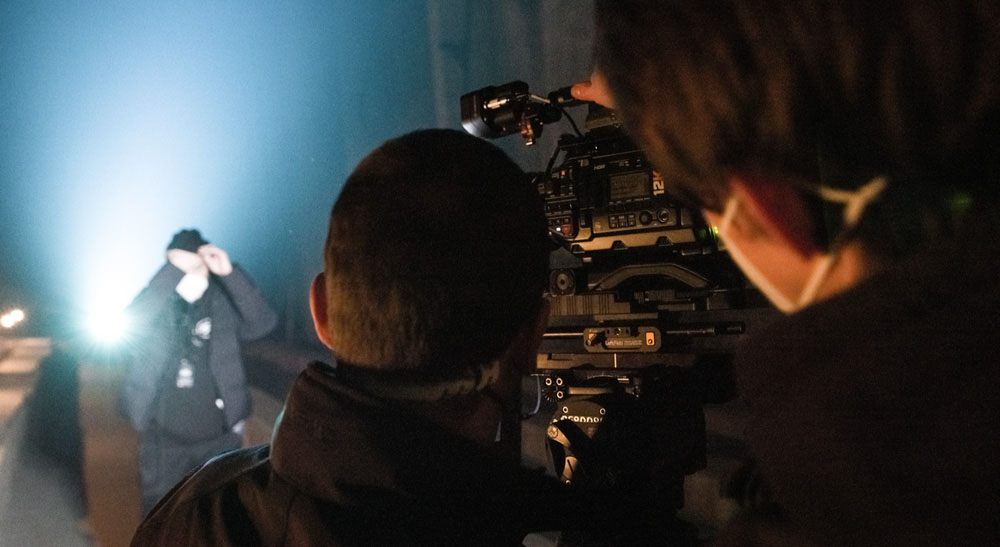
The URSA Mini Pro 12K camera Blackmagic Design ha sido utilizada para filmar Eine kurze Geschichte des Humors, la primera producción original del nuevo canal alemán Sky Comedy.
El cómico alemán Dieter Nuhr conduce los tres episodios de una producción que se traduciría al español como Una pequeña historia de humor y que explora un repaso histórico al género cómico.
Los principales segmentos del formato se grabaron en resolución 12K, mientras que para las entrevistas adicionales y otras tomas se empleó el modelo Blackmagic Pocket Cinema Camera 6K. El equipo de producción decidió diseñar una dinámica de trabajo en 12K con el propósito de obtener más información de los pixeles para insertar efectos visuales y contar con la posibilidad de recortar y reencuadrar tomas en la edición, a fin de entregar el programa final en 4K.
Marius Fisher, quien lideró la producción del programa, aporta más detalles: “Tenía la idea de que podríamos armar la serie en la posproducción, ya que el tamaño de las imágenes en 12K permite aumentarlas sin perder detalles. Además, era un modo más rápido de completar el programa, que de por sí contaba con unas fechas de entrega ajustadas. Filmamos en formato 16:9 12K Blackmagic RAW y cuando realizamos por primera vez una ampliación digital del material grabado, el productor, el director y yo nos sorprendimos de su calidad”.
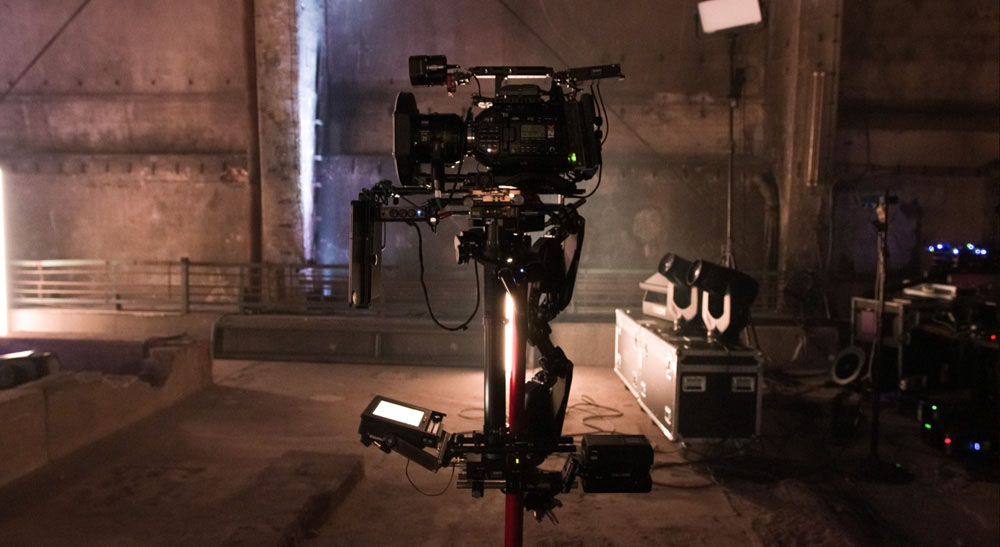
Lentes Zeiss Supreme
La URSA Mini Pro 12K se utilizó con una steadicam y con un objetivo Zeiss Supreme para lograr aportar más detalles a la filmación.
Marius cuenta cómo una distancia focal específica le ayudó a conseguir los resultados que esperaban: “Rodamos la mayoría del material con lentes Zeiss Supreme Prime 21 mm y solo una vez con una versión de 35 mm. Usamos un gran angular, puesto que íbamos a recortar las imágenes y decidir el encuadre en la posproducción Por otro lado, el distanciamiento social influenció nuestras decisiones, ya que cambiar los objetivos constantemente podría haber impedido que se mantuviera dicha distancia entre los miembros del equipo y el talento”.
Post-production with DaVinci Resolve
El rodaje tuvo lugar durante dos días en una planta eléctrica en desuso en Berlín, mientras que la postproducción requirió otros 15. La edición, la composición y el etalonaje se llevaron a cabo en DaVinci Resolve Studio.
A pesar de la gran cantidad de datos, Marius encontró el proceso de trabajo con el material en 12K muy sencillo: “Incluso durante el etalonaje, tenía activada la opción de reproducción instantánea en los clips RAW, aunque cuando apliqué efectos en Fusion tuve que configurar la memoria caché con la opción “inteligente” para que facilitara el procesamiento. Pudimos seleccionar el formato Blackmagic RAW más apropiado, que para nosotros era con una compresión 5:1, a fin de que nuestra dinámica de trabajo no se viera perjudicada por la velocidad de transferencia, que llegó hasta un máximo de 390 MB/s”.
Did you like this article?
Subscribe to our NEWSLETTER and you won't miss anything.
Related articles
 Rogue Labs uses URSA Cine Immersive (Blackmagic) to create content aimed at Apple Vision Pro
 Blackmagic URSA Cine 12K LF allows you to film scenes from the 'LAID' series in 4K at full frame and 220 fps
 Global Objects uses the URSA Mini Pro 12K camera for Rob Lowe's virtual productions
 Kansai TV chooses Blackmagic's URSA Mini Pro 12K for filming 'moments'
 URSA Mini Pro 12K, used to shoot the special effects of 'Germinal'
 Sky Comedy relies on URSA Mini Pro 12K to film its first original show
 Good Mood and The Pool will produce a comedy show for TVE with Dani Rovira
 Nagoya University of Commerce and Business (NUCB) uses ATEM Mini mixers for its online classes
 Konami Creative Center Ginza uses Ursa Broadcast cameras in its eSports studio
 Penny Arcade uses the ATEM Mini mixer for live Internet broadcasts
 The Chilean production company AGTV uses Ursa Broadcast cameras for the production of the soap opera 'Amor a la Catalán'
 Timeline TV uses Ursa Broadcast cameras to remotely produce the English women's soccer league
 Award-winning director Kosai Sekine uses Ursa Mini 4.6K in the filming of the Japanese documentary 'Torre del Sol'
 Blackmagic Ursa Mini Pro combines the image quality of Ursa Mini 4.6K with the features of a broadcast camera