





National Geographic filmed 'Race to the Center of the Earth' with Blackmagic's URSA Mini Pro 4.6K G2
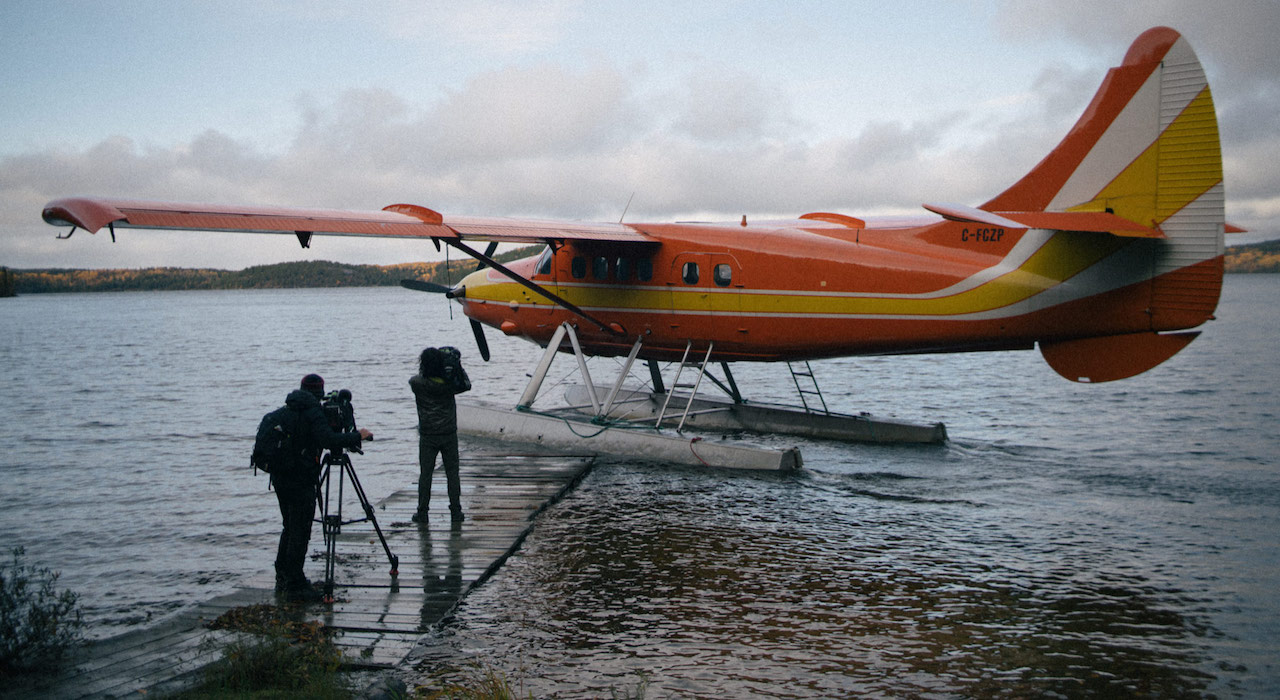
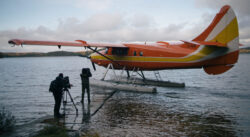
La primera temporada de la serie Race to the center of the Earth, producida por National Geographic, se filmó con varias unidades URSA Mini Pro 4.6K G2 de Blackmagic Design bajo la dirección de fotografía de Joshua Gitersonke.
Created by Elise Doganieri y Bertram van Munster, productores de La gran carrera (Race to the Center of the Earth), el nuevo programa es una carrera entre cuatro equipos que comienzan en distintos puntos del planeta y compiten a través de diversos terrenos, convergiendo hacia una boya situada en el medio del océano, cerca de Hawái, en la etapa final. El premio para los ganadores es un millón de dólares.
Para Gitersonke, este tipo de competencias no era una novedad. Al haber trabajado en La gran carrera durante 16 temporadas y finalmente convertirse en el director de fotografía del programa, sabía que podía aprovechar su vasta experiencia durante el rodaje en este género de aventuras. “A lo largo de esos años, tuve la oportunidad de aprender mucho de Bertram”, comenta Gitersonke. “Además de productor y director, es reconocido como responsable de fotografía, por lo cual fue un honor que él y Elise Doganeiri me eligieran para estar a cargo de las imágenes en Race to the center of the Earth“.
Dado que cada grupo comienza en una parte distinta del mundo, la carrera no solo suponía un desafío para los competidores, sino también para el equipo de filmación. Al planificar el programa, van Munster y Gitersonke buscaron una cámara que ofreciera una gran calidad de imagen en un diseño compacto.
“Betram y yo habíamos visto material grabado con el modelo URSA Mini Pro G2 y decidimos hacer unas pruebas”, señala Gitersonke. “La capacidad de grabar en formato RAW a una velocidad de transferencia razonable y el hecho de que la unidad fuera lo suficientemente pequeña como para transportarla con facilidad fueron factores decisivos”.
Exhaustivo plan de rodaje
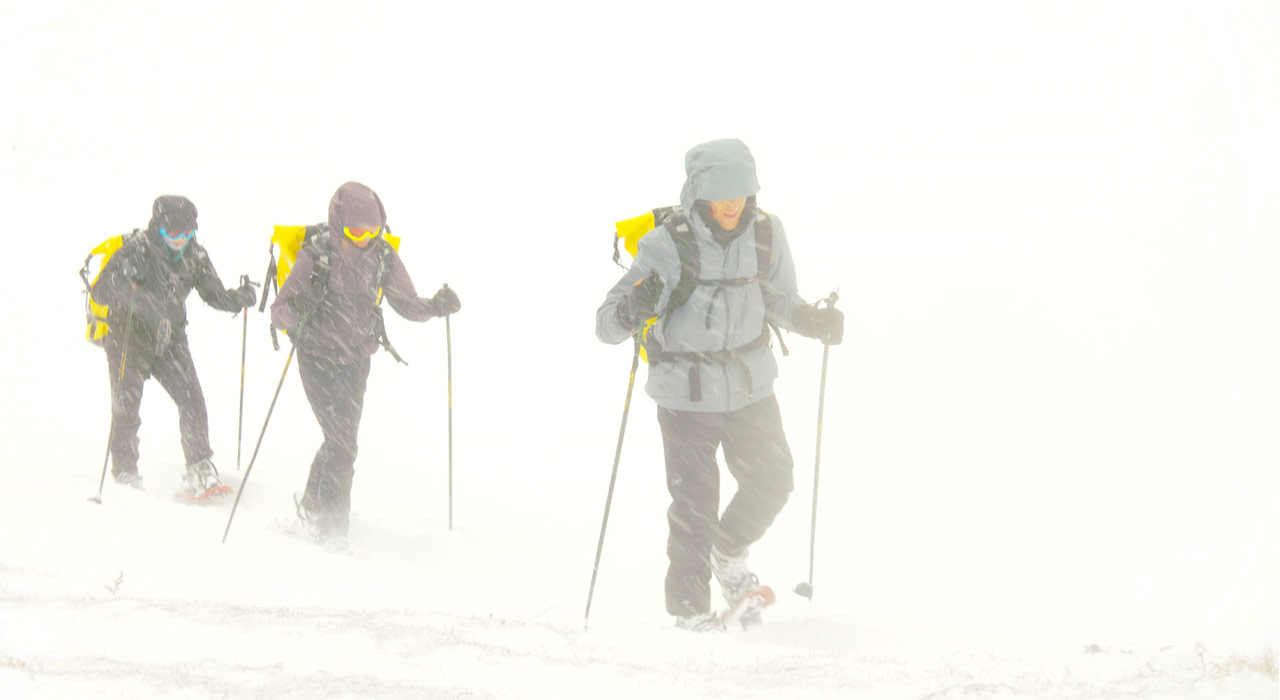
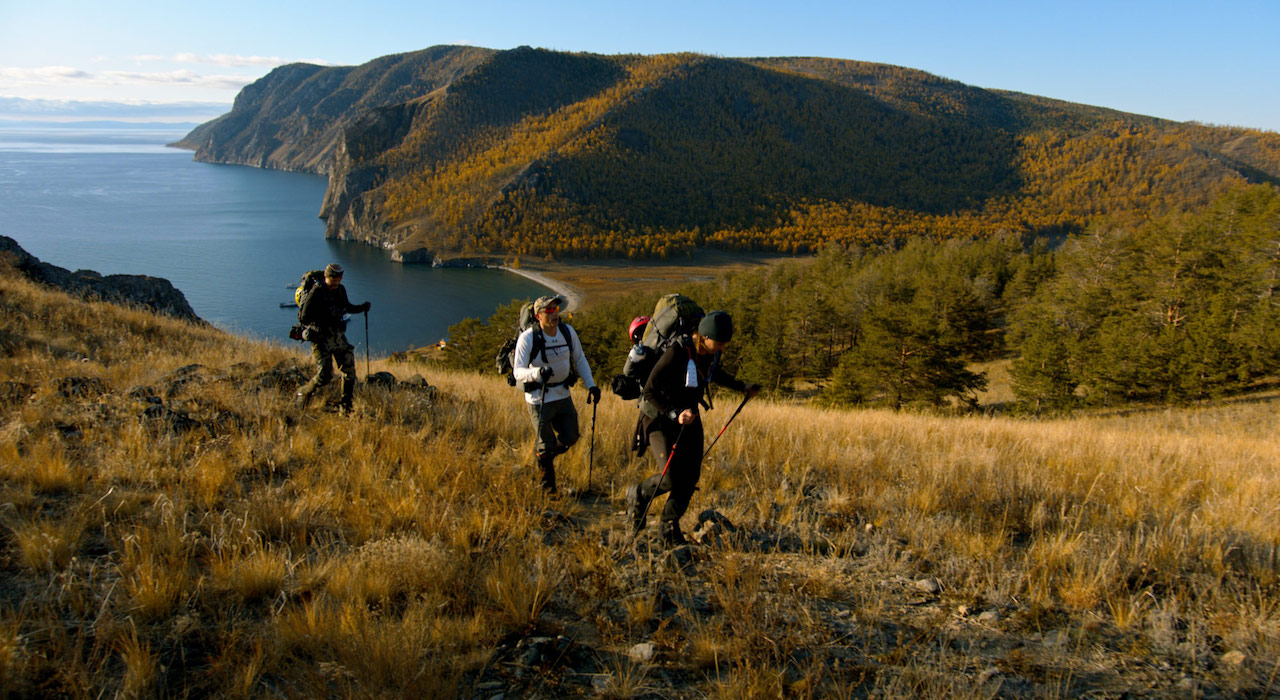
Los camarógrafos debían seguir a los participantes a través de terrenos variados y agrestes en Rusia, Norteamérica, Sudamérica y el Sudeste Asiático, bajo lluvia y nieve, con viento, y en el agua. Gitersonke desarrolló un plan exhaustivo para cada equipo, estableciendo cómo y dónde se usarían las cámaras, y el tipo de plataforma para cada ocasión, con accesorios especiales para cada unidad URSA Mini Pro 4.6K G2.
“Logramos mantener la consistencia en la apariencia gracias al plan, pero en realidad, los responsables de fotografía que forman parte del equipo están entre los mejores del mundo. Todos trabajamos en La gran carrera y otros programas de aventuras similares, y contábamos con una vasta experiencia en situaciones extremas, corriendo con la cámara y llevándola de un lado a otro. Queríamos conseguir un estilo cinematográfico visceral, en la medida de lo posible, y que los espectadores experimentaran los lugares donde se encontraban los competidores. Para ello, fue necesario captar vistas hermosas y hasta los más mínimos detalles”.
Cada equipo debía estar preparado para afrontar una amplia variedad de condiciones y adaptarse rápidamente a los cambios en el entorno. En tal sentido, el compact design del modelo URSA Mini Pro 4.6K G2 brindó flexibilidad y una gran calidad de imagen. Gitersonke optó por filmar en formato Blackmagic RAW 3:1 a una velocidad de transferencia constante, lo cual permitió lograr un equilibrio adecuado entre la consistencia del material grabado y el espacio de almacenamiento, que era una de las principales preocupaciones al desplazarse por terrenos agrestes.
Tanto el equipo de filmación como los competidores y la cámara debieron afrontar varios desafíos, pero en última instancia, el modelo URSA Mini Pro 4.6K G2 superó el reto. “Fue nuestro caballo de batalla. Ninguna de las 16 unidades dejó de funcionar por un momento, ni siquiera en las condiciones más exigentes, por ejemplo, durante tormentas de nieve, a temperaturas de varios grados bajo cero o con un clima húmedo y caluroso”.
Fidelidad cromática
Pero lo que más sorprendió a Gitersonke fue la fidelidad cromática del formato Blackmagic RAW. “La imagen natural y su excepcional rango dinámico realmente nos brindaron la posibilidad de captar imágenes hermosas. Además, la flexibilidad de este formato nos permitió ajustar la apariencia del programa sin preocuparnos demasiado de no poder lograrlo”.
En ocasiones, incluso algunas prestaciones secundarias de la cámara marcaron una gran diferencia para el equipo. “La posibilidad de presionar un botón para grabar en 4K a 120 f/s fue algo a lo que recurrimos constantemente”, agrega Gitersonke. “Esto funciona sin inconvenientes y es una de las cosas que más me gusta de la cámara. Evidentemente, al filmar este tipo de programas de aventuras sin demasiada asistencia en términos de la producción, los filtros de densidad neutra simplificaron el ajuste de la exposición. Además, el dispositivo Blackmagic Viewfinder ofrece colores intensos y una gran nitidez, lo cual siempre facilita el control de las imágenes”.
Una serie como esta presenta desafíos particulares, pero a su vez tiene momentos mágicos, y el modelo URSA Mini Pro 4.6K G2 permitió captarlos al instante. “Una de las experiencias más singulares que tuve fue cuando los competidores estaban en Siberia arreando renos a través de un bosque”, indica Gitersonke. “Pude conseguir que me llevaran en un viejo vehículo blindado, que esencialmente era un tanque. El bosque tenía zonas pantanosas difíciles de cruzar, y al atardecer aún nos faltaban algunos kilómetros por recorrer para llegar al campamento. Doblamos por un camino, y cuando miré hacia atrás, vi una hermosa puesta de sol”.
“Salté del tanque rápidamente con mi URSA Mini Pro y corrí unos 30 metros hasta un lugar por el cual creí que pasarían los competidores con los renos. Podrían haber tomado otro camino, ya que tenían que arreglárselas por cuenta propia, pero se dirigieron hacia donde yo estaba, y logré captar una toma hermosa de los participantes corriendo por el sendero, con el bosque y la puesta de sol detrás de ellos, en cámara lenta y a 120 f/s. Es uno de mis momentos favoritos de toda la serie”, concluye Gitersonke.
https://www.youtube.com/watch?v=ts-IfiJ-PUs
Did you like this article?
Subscribe to our NEWSLETTER and you won't miss anything.
Related articles
 Blackmagic's URSA Mini Pro 12K leads journeys between universes in 'Do I Know You From Somewhere?'
 The latest National Aviation Heritage Area ad, shot with the URSA Mini Pro 12K
 The VFX of 'Marinette' were recorded with the Blackmagic URSA Mini Pro 12K
 Disney’s ‘Rise’, filmed with Blackmagic’s URSA Mini Pro 12K
 ‘The Desperate Hour’, shot with Blackmagic’s URSA Mini Pro 12K
 National Geographic’s ‘Race to the Center of the Earth’ shoots with Blackmagic URSA Mini Pro 4.6K G2
 Blackmagic's URSA Mini Pro 12K, star of Kia's new campaign
 Working in 12K resolution is now a reality with the Blackmagic Ursa Mini Pro
 Weezer shoots its latest video clip with Blackmagic's Ursa Mini Pro
 Encore Finishes 'Genius: Picasso' Series for National Geographic with Baselight
 Blackmagic Ursa Mini Pro combines the image quality of Ursa Mini 4.6K with the features of a broadcast camera
 National Geographic Creative will transcode 4K content with Wazee Digital Core
 National Geographic Channel launches application on TiVo
 Fox and National Geographic Channel, starting today in HD on Digital+