





Sports production moves towards reducing carbon emissions
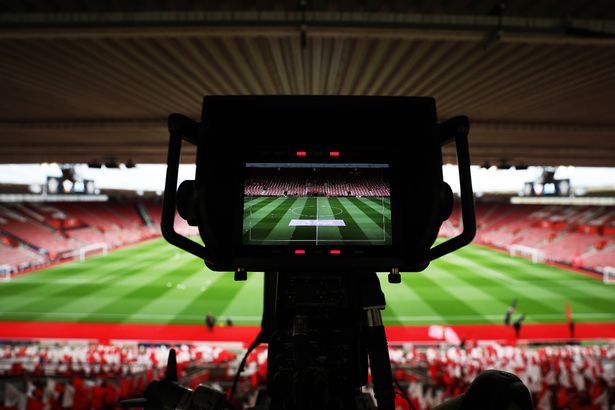
Un grupo de broadcasters, propietarios de derechos y proveedores de tecnología, colaboran como parte del programa Accelerator Media Innovation Programme de IBC para reducir la huella de carbono en la producción de eventos deportivos como la Premier League inglesa.
Esta colaboración ha puesto de manifiesto que los innovadores flujos de trabajo de producción remota y en la nube pueden cumplir ambiciosos objetivos de sostenibilidad y reducir el impacto medioambiental de la producción en directo.
El equipo del proyecto está encabezado por BBC Sport, BT Sport, Sky Sport, Premier League Productions y los titulares de derechos internacionales NBCUniversal y SuperSport, junto a la Premier League inglesa, IMG/Premier League Productions y albert (la iniciativa de la BAFTA para apoyar una producción más sostenible) experimentando con tecnologías, formatos y flujos de trabajo en la nube de múltiples proveedores, compartiendo las fuentes de las cámaras, audio, gráficos y recursos humanos para evitar la duplicación y reducir los desplazamientos y otros requisitos energéticos en la cadena de producción.
Las conclusiones de alto nivel del ensayo incluyen la confirmación de que la producción en la nube reduce la cantidad de infraestructura técnica necesaria para la producción de la galería, para algunas emisoras hasta en un 70%. También se demostró que la producción en la nube reduce aún más los requisitos de las importantes instalaciones técnicas in situ, ya que permite enviar las señales de forma rápida y sencilla a múltiples ubicaciones.
El equipo del proyecto desplegó flujos de trabajo y arquitecturas a medida junto con una producción tradicional de emisión en exteriores para comparar y contrastar las huellas de carbono, en una demostración colaborativa de “prueba de concepto” durante el partido de la Premier League que tuvo lugar el 16 de diciembre de 2021, entre el Liverpool y el Newcastle United.
La iniciativa impulsará nuevas investigaciones que apoyen la reducción de la huella de carbono para el sector, proporcionando puntos de referencia de la industria y perspectivas más medibles en la producción en vivo por primera vez.
La tecnología del proyecto es aportada por Amazon Web Services, Blackbird, Hitomi, Microsoft, M2A Media, Singular Live y Zixi.
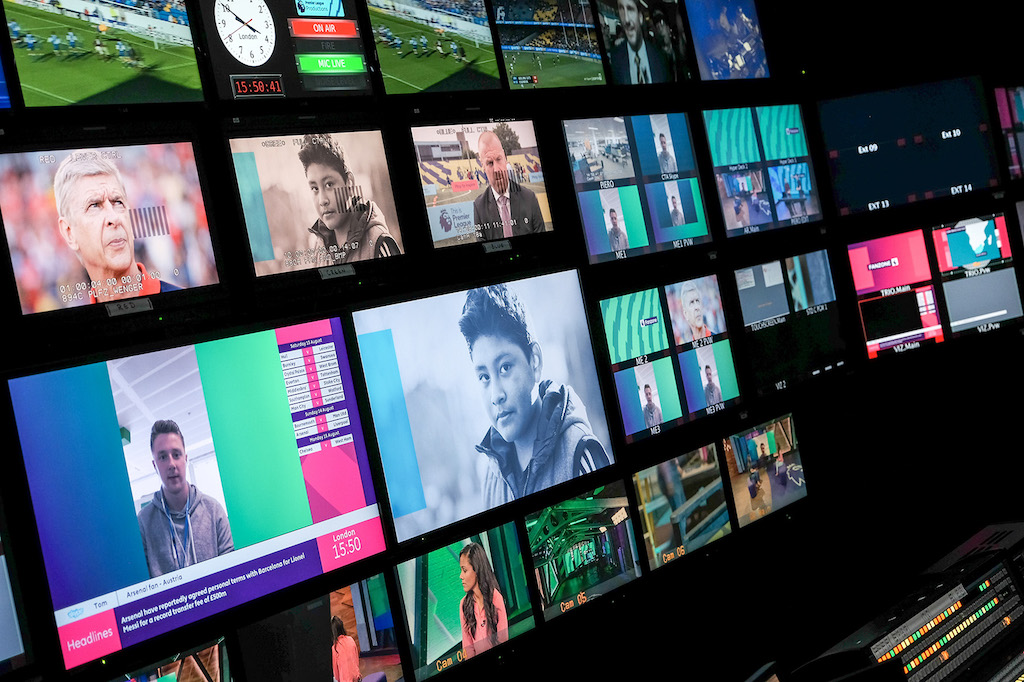
Principales conclusiones
Las principales conclusiones del proyecto, reveladas y explicadas por las empresas implicados pueden seguirse en IBC Digital, la plataforma de contenidos a la carta de IBC. El panel, que incluye representantes de BT Sport, Sky Sports, BBC Sport y la Premier League, discute los resultados, los aprendizajes y los posibles puntos de referencia, y compartirá más ideas con la industria a través de la publicación de un documento técnico y de debates en los próximos eventos de la industria en las próximas semanas.
“La mejora de la sostenibilidad se ha convertido en la prioridad número uno del sector de la producción de medios de comunicación y entretenimiento”, afirmó Andy Beale, jefe de proyecto e ingeniero jefe de BT Sport. “El futuro de nuestro planeta depende de un esfuerzo colectivo para llegar a ser carbono neto cero. Con este proyecto de IBC Accelerator, queríamos experimentar de forma tangible y conjunta para entender las alternativas a la producción tradicional desde unidades móviles en el deporte en directo, con el fin de hacer que las métricas de carbono estén más disponibles para que las empresas puedan comparar lo que están haciendo y ayudar a motivarlas a hacer más para reducir sus propias huellas de carbono”.
“La reducción de las emisiones de carbono atribuidas a la producción de nuestra programación deportiva es de gran importancia – y una parte importante de las ambiciones de Sky para lograr su objetivo de cero emisiones netas de carbono para 2030”, añadió Inga Ruehl, directora ejecutiva de Servicios de Producción y Operaciones de Sky. “Los prometedores resultados de la prueba demuestran que el objetivo del sector de reducir drásticamente las emisiones a través de medios como los flujos de trabajo de producción en la nube es muy alcanzable. Si la industria continúa trabajando conjuntamente hacia este objetivo, puede marcar una gran diferencia”.
La iniciativa se basa en los importantes avances realizados hasta la fecha en las industrias británicas de la televisión y el cine, al tiempo que sirve de base para futuras investigaciones sobre la sostenibilidad en la producción en directo y para mejorar su medición. Albert, el organismo de la industria que permite a las empresas de producción hacer un seguimiento de su huella de carbono, ya ha ayudado a contribuir a un descenso del 10% en la cantidad de carbono que una hora de televisión aporta a la atmósfera (de un equivalente de 10,2 tCO2e/hora en 2017 a 9,2 tCO2e/hora en 2019). Hasta hace poco, albert no había hecho un seguimiento de la conectividad y el impacto en el carbono de la transición de la industria desde el satélite y la fibra
Did you like this article?
Subscribe to our NEWSLETTER and you won't miss anything.
Related articles
 Ross moves towards hyperconvergence with NAB launch of new Carbonite HyperMax
 Nugen advances at NAB 2024 towards immersive audio with its Halo suite
 Reality de Zero Density avanza hacia el fotorrealismo con su versión 5.3
 Europa avanza hacia un mercado único de datos con la mirada puesta en la ciberseguridad y la IA
 RTVE in Sant Cugat moves towards a fully IP infrastructure
 El DVB Group avanza hacia el DVB-I para servicios sobre Internet abierta como complemento al DVB-S/C/T o IPTV
 DJI moves towards professional drones with the new Phantom 4 Pro and Inspire 2
 Mediapro inicia las emisiones de Gol, su nueva oferta deportiva en abierto y en TDT
 The PLEASE project moves towards the distribution of high-quality content in the cloud
 Editshare avanza hacia un almacenamiento y MAM inteligente
 La Generalitat avanza hacia una tasa sobre el ADSL para impulsar el sector audiovisual
 Ligada iSuite HbbTV avanza hacia la televisión híbrida
 México avanza hacia la licitación de la banda de 700 MHz
 Sony moves towards 3D in home environments