





The documentary receives only 6% of public aid from film funds
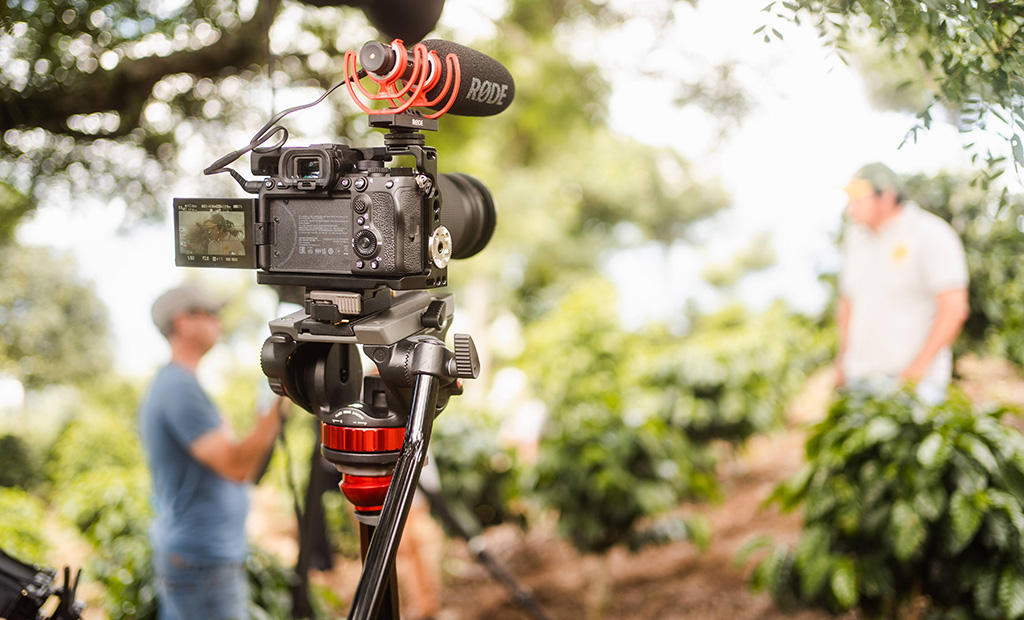
ProDocs, PROA y Gusano Films comparten el mayor informe del documental en España, Retos y oportunidades del documental cinematográfico producido en España: 2015-2020, que arroja luz sobre este sector.
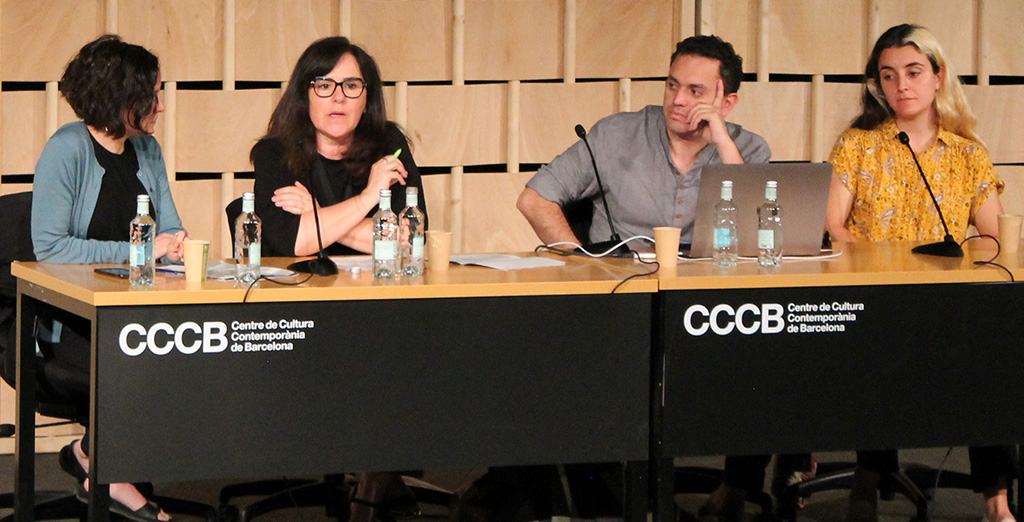
La radiografía, presentada en el auditorio del CCCB de Barcelona en el marco del festival DocsBarcelona, arroja datos de especial relevancia. Si bien, entre 2015 y 2020 en España se produjeron 730 obras que equivalen a 58.873 minutos de contenido, el formato se vio “mermado por un problema de infrafinanciación”, puesto que, en esos seis años, el 6% de las ayudas públicas provenientes de fondos de cine se invirtieron en el documental, cifra muy inferior a la de ficción (82%).
El informe refleja los problemas de financiación del sector con ejemplos como la tendencia a la baja en la inversión por parte del Institute of Cinematography and Audiovisual Arts (ICAA): de los 2,3 M€ invertidos en 2018 en documental se descendió a los 1,9 M€ en 2020. En cuanto a asignaciones por parte de televisiones públicas, el 24,3% se destinó a documentales. Además, las dotaciones “fueron muy irregulares de un año a otro”, hecho que “dificulta la estabilidad” en el sector. No obstante, cabe matizar que estos datos son solo estimaciones provisionales, ya que la opacidad de algunas televisiones públicas ha impedido recabar toda la información: “Es el caso de RTVE (Radiotelevisión Española)”, apunta el documento.
El documento también saca a la luz otras asignaturas pendientes en la producción de documentales. Una de las más notables es la desigualdad de sexo, ya que en España el 75% de la dirección de las obras está ostentada por hombres.
 Una iniciativa necesaria
La base de datos de ProDocs, Gusano Films y PROA nació por la necesidad del sector audiovisual y de las instituciones culturales de contar con una plataforma completa, accesible y versátil sobre la producción de documentales en España. Era un “paso necesario” para consultar de forma transparente las ayudas y subvenciones públicas concedidas al audiovisual y “conocer el impacto social y las audiencias de las producciones”. En definitiva, para retratar el estado de salud del género documental y ayudar tanto a la industria como a la administración pública a potenciar este tipo de producciones.
Sin embargo, los autores y autoras de la herramienta se toparon con la falta de transparencia de los entes públicos y la falta de sistematización de los datos. “Debería existir una base de datos común, accesible y estandarizada en la que se reflejaran las ayudas públicas del Estado, y en la que todas las instituciones y televisiones públicas recogieran las mismas variables”, afirma Jorge Caballero Ramos, co-founder of Gusano Films y uno de los autores del estudio.
Pese a lo que establece la Ley de Transparencia en cuanto a una información accesible y entendible, los investigadores e investigadoras tuvieron que realizar numerosas solicitudes mediante instancias de acceso a la información pública. A través de estos trámites y de la descarga de datos en las webs de las instituciones, pudieron recabar información de institutos de cine, consejerías de cultura, catálogos de cine y televisiones públicas. Sin embargo, “televisiones como RTVE y el Fondo Audiovisual Canario no facilitaron la información”.
Las claves del estudio pueden ser consultadas aquí.
Did you like this article?
Subscribe to our NEWSLETTER and you won't miss anything.
Related articles
 The SEGO Creative financing line achieves funds for the filming of the film 'El enigma Inés' in just five minutes
 Enrique Cerezo receives the Gold Medal from the Film Academy: “Cinema will never die”
 The 4th edition of the Film Academy Residencies receives 730 applications
 The ICAA launches the first line of aid financed entirely with Next Generation funds
 The best cinema directed by women… just one click away
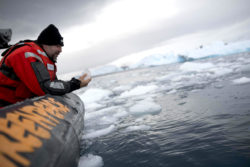 El documental ‘Santuario’ recibe en Berlín el premio ‘Honorary Green Oscar’
 The Film Academy will expand with its own funds the endowment destined for the second edition of the Residencies
 Diego Galán receives the Gold Medal from the Film Academy
 The ICAA unlocks cinema aid
 The new aid system for Spanish cinema, under debate at the ECAM
 Six films from Argentina, Chile and Colombia will be presented at Cinema in Progress 24
 The Minister of Culture and FAPAE come out in defense of film aid
 Yes from the European Commission to aid for Spanish cinema
 Production of television films: there will be public aid