





Los trabajos de terceros y la actualidad. ¿Un falso límite al derecho de autor?
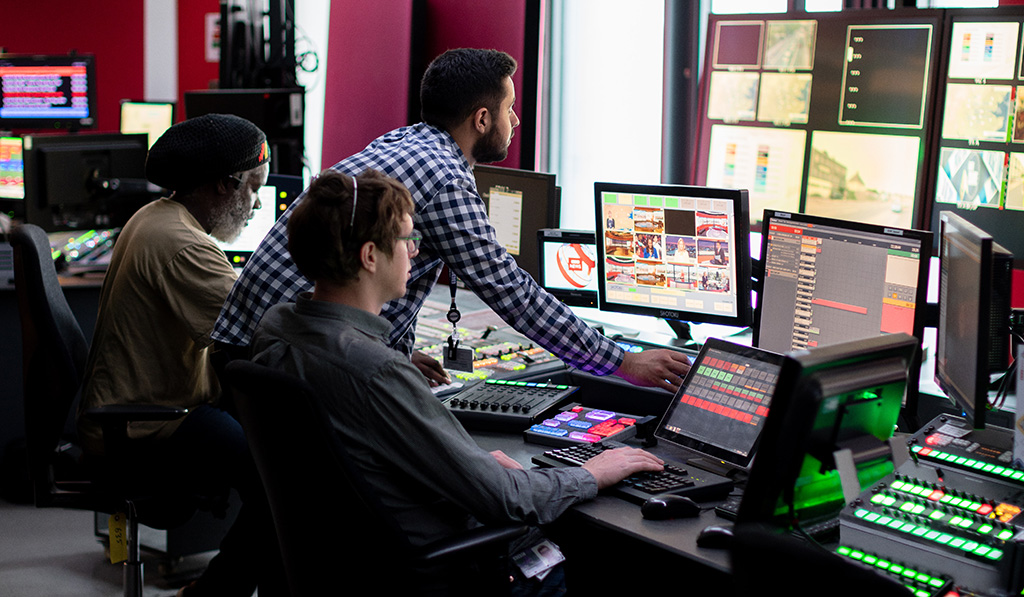

Julia Martínez Zaragoza, abogada en Bardají&Honrado, aborda la más que frecuente utilización de imágenes de terceros en talk shows, magazines y otros programas de actualidad que pueblan la parrilla de la televisión.
Es una duda bastante habitual entre las productoras que llevan a cabo programas de tipo magazine en los que se tratan temas de actualidad: ¿es necesario pedir autorización para la inclusión de trabajos de terceros? Como ya anunciáramos en nuestro artículo Tres mitos sobre el uso de elementos ajenos en producciones audiovisuales, la premisa de la que debe partirse es la de que se necesita la autorización del titular de derechos para incorporar su contenido a otra producción. Sin embargo, la Ley de Propiedad Intelectual, en su artículo 33.1, prevé una excepción para los “trabajos y artículos sobre temas de actualidad”.
Pese a que la que la Ley no explicita qué son exactamente los “trabajos y artículos sobre temas de actualidad”, se entiende que se trata de contenidos relacionados con acontecimientos de actualidad que deben ser comunicados a la sociedad. Dado que la finalidad que se persigue con su utilización (o al menos, así debería ser) es informar al público de acontecimientos novedosos que puedan ser de su interés, el derecho del público a conocerlos prima sobre los derechos de propiedad intelectual que sobre estos trabajos pudieran existir.
Los trabajos sobre temas de actualidad, más allá de la noticia o acontecimiento en cuestión que se transmite, incluyen la aportación personal u opinión del autor, que es precisamente lo que se protege por Derecho de autor y para cuya utilización sería necesaria la autorización si no fuera por la existencia de este límite legal. Ha de recordarse que el hecho objetivo en sí mismo, la noticia o acontecimiento que se comunica al público, despojado de cualquier tipo de valoración, puede utilizarse libremente en cualquier caso. No porque exista un límite que ampare este uso, sino porque el mero hecho noticiable no es protegible por el Derecho de autor.
 Fotografías, vídeos y su literalidad
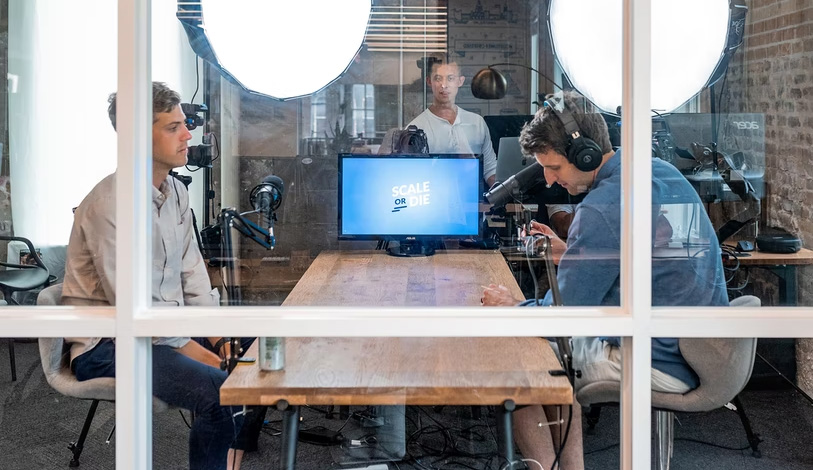
Dentro del concepto de “artículos o trabajos” quedan incluidos todo tipo de columnas, artículos, editoriales, entrevistas, crónicas, e incluso programas de noticias e informativos. Asimismo, es posible utilizar las fotografías y/o vídeos que formen parte de estos artículos o trabajos, pues así lo han venido interpretando nuestros tribunales. En este sentido, quedaría amparada por el límite la referencia en un programa audiovisual a una entrevista recogida previamente en una revista, o también la inclusión de fragmentos de programas de televisión en los que se haya tratado o debatido sobre un tema de actualidad.
No obstante, habrán de tenerse en cuenta el resto de los derechos que pudieran entrar en juego en la utilización de las fotografías o vídeos, como por ejemplo los derechos de imagen de las personas que aparecen en ellas.
En cuanto a la extensión del contenido que puede ser utilizado, la realidad es que el artículo 33.1 LPI (a diferencia de lo que sucede con otros límites, como el de cita) no hace referencia a ello, de lo que se deduce que podrá utilizarse el artículo o trabajo en toda su extensión.
En todo caso, el contenido debe reproducirse literalmente, sin que sea objeto de manipulación o transformación de ningún tipo.
 Requisitos de los trabajos y artículos de actualidad para poder ser utilizados en una producción

A fin de garantizar una mínima protección de los derechos del autor del artículo o trabajo de actualidad, la utilización ha de cumplir con una serie de requisitos:
1. El contenido que se pretenda incluir ha de haber sido difundido previamente por medios de comunicación social y su inclusión ha de tener lugar en producciones de medios de comunicación de la misma clase.
La finalidad de la primera parte de este requisito (la previa divulgación) es garantizar el respeto al derecho moral del autor del artículo o trabajo a divulgar por primera vez el contenido en cuestión. Por “medio de comunicación social” se entiende cualquier medio capaz de trasladar información a la sociedad en general (prensa, radio, televisión, internet…). La expresión “aquellos de la misma clase” ha de entenderse en sentido amplio en cuanto a su naturaleza, de modo que se permitiría, por ejemplo, la utilización en una emisión por televisión de una imagen publicada en un artículo de prensa.
Ahora bien, debe tratarse de medios cuya finalidad sea informativa. Es especialmente ilustrativa en este sentido la sentencia de la Audiencia Provincial de Barcelona de 3 de mayo de 2020 (posteriormente confirmada por sentencia del Tribunal Supremo de 14 de enero de 2013). El litigio involucraba a dos cadenas de televisión por el uso que una de ellas estaba haciendo en uno de sus programas (Sé lo que hicisteis) de contenidos (fundamentalmente imágenes y vídeos) de otros programas de la parrilla de la demandante (Aquí hay tomate, Ana Rosa's program, A tu lado, entre otros). Estos contenidos eran objeto de comentario (generalmente en clave humorística) por parte de los presentadores y colaboradores del programa. En su defensa, la demandada invocó varios límites al Derecho de autor, entre ellos este que aquí tratamos. Sin embargo, la Audiencia Provincial de Barcelona, y posteriormente el Tribunal Supremo, consideraron que ni los contenidos ajenos que se incluían en el programa eran “trabajos y artículos sobre temas de actualidad” ni el programa de la demandada tenía una finalidad informativa. Antes bien, el contenido utilizado versaba sobre temas del corazón y la finalidad del programa no era tanto informar como entretener al espectador. Lo que deja claro esta sentencia es, en definitiva, que la utilización de fragmentos ajenos no es posible en programas de tipo magazine o de debate, donde el fin de entretenimiento prima por encima del carácter informativo.
2. Debe citarse the fuente y el autor.
En caso de que se conozca al autor, o pueda conocerse haciendo una actividad de investigación “razonable”, debe citarse tanto al autor como la fuente. Si la búsqueda conllevase un esfuerzo desproporcionado o simplemente el autor no fuera conocido, únicamente deberá citarse la fuente.
La finalidad de este requisito es, en primer lugar, garantizar el derecho de paternidad del autor y, por otro lado, no generar confusión en el usuario receptor de la información final acerca de la procedencia originaria del contenido.
3. No debe haberse hecho constar en origen the reserva de derechos.
He aquí el quid de la cuestión. Si el lector ha llegado hasta este punto del artículo, quien lo suscribe lamenta comunicar que aun cuando se haya cumplido con los requisitos anteriores, aún queda por superar el principal escollo para la aplicación de este límite: que el autor no haya descartado su aplicación en origen. Y es que el artículo 33.1 LPI es uno de esos mal llamados límites al derecho de autor, por cuanto su aplicación depende en gran medida de la voluntad del autor. Si este hizo constar la reserva de derechos en origen, el trabajo no podrá utilizarse sin contar con su autorización.
De nada le sirvió a la demandada en el asunto Sé lo que hicisteis antes comentado alegar que es una práctica habitual del sector incluir fragmentos de otros programas en los propios sin el consentimiento expreso del titular de derechos en la medida en que es algo “tolerado” o tácitamente consentido. Lo definitivo para el tribunal fue que este tipo de actuaciones no pueden quedar amparadas por el límite del artículo 33.1LPI si hay una expresa oposición del titular de derechos, como era el caso.
Que la reserva conste “en origen” no significa necesariamente que sea el autor (persona física) quien lo haya hecho constar. En el caso de las obras audiovisuales, la reserva de derechos será incluida normalmente con carácter posterior por el productor o por el medio que lleva a cabo la emisión.
 Los (falsos) límites
Dado que hoy en día lo más común es que todos los medios de comunicación (periódicos, cadenas de TV, plataformas on line…) hagan constar esta reserva de derechos, la realidad es que el límite de artículos y trabajos de actualidad tiene muy poco recorrido. Pese a que ciertamente esta excepción está prevista en la LPI, su utilización en la práctica es casi inexistente. De ahí que el título de este artículo haga referencia a esta posibilidad como un “falso límite”.
Pero no está todo perdido… Si la producción tiene un carácter humorístico, siempre será posible acudir al límite de parodia o, incluso, al recién creado límite de “pastiche”. Pero sobre eso volveremos en otro artículo.
Julia Martínez Zaragoza
Abogada en Bardají&Honrado

Did you like this article?
Subscribe to our NEWSLETTER and you won't miss anything.
Related articles
 El ojo humano tiene un límite: un televisor 8K puede ofrecer más píxeles de los que somos capaces de ver
 La libertad de información se impone al derecho de autor: el caso de Atresmedia
 The Canary Islands, prepared to be the definitive setting for Spanish cinema after the removal of the limit on incentives
 La gestión de los derechos audiovisuales: en caso de duda, el autor gana
 José Mota returns to La 1 with the fake live show 'José Mota Live Show'
 Privacy, data and users: is there a right to privacy on new platforms?
 AJA potencia la compatibilidad con terceros del Ki Pro Go a través de la nueva versión 4.0
 El límite del humor: la parodia en el sector audiovisual
 Buendía Estudios produces for Amazon Prime Video ‘G.E.O. Beyond the Limit'
 Acoustic Communication: production to the limit with Blackmagic
 Ventuz apuesta por la integración de sus soluciones con las de terceros
 Hispasat extends the deadline for submitting works for its 25th anniversary award
 Nvidia will license its graphics technology to third parties
 Beijing Express: production to the limit