





The limit of humor: parody in the audiovisual sector
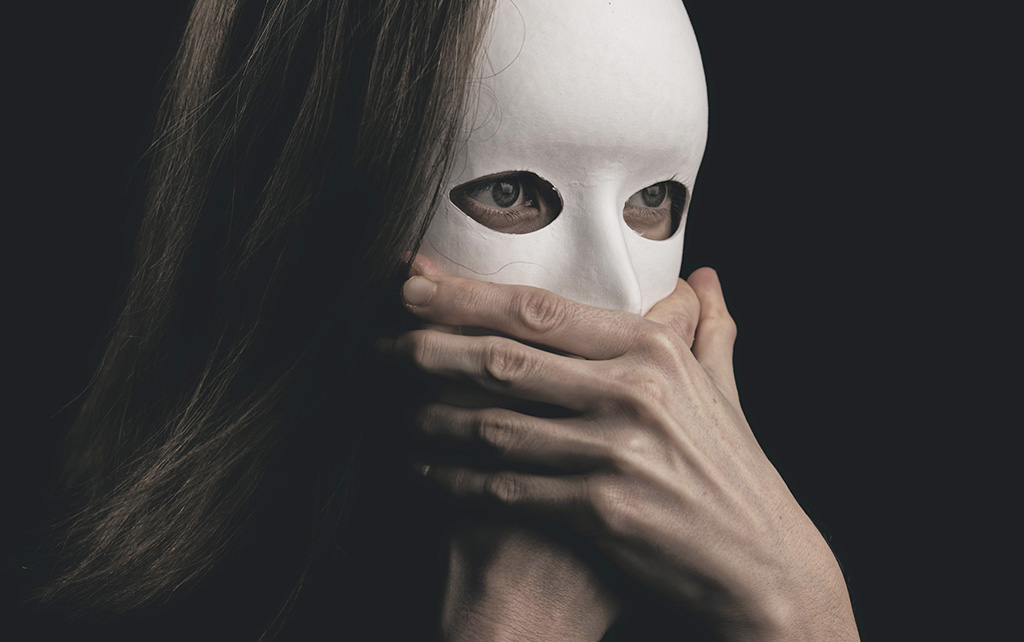

Patricia Mariscal, lawyer at Bardají&Honrado, reflexiona sobre los límites del humor y su realidad jurídica a través de esta Tribuna.
La conjunción entre humor y crítica es un magnífico acicate para la creativity. Cuando esa creatividad da lugar a una creación cómica que tiene como blanco de su crítica una o varias obras anteriores, hablamos de parodia.
El audiovisual ha sido siempre un sector muy prolífico en lo que a creaciones paródicas se refiere. Cuántas películas son auténticas parodias de otras anteriores o incluso de todo un género cinematográfico. Las Spoof movies They draw on the success of previous works while taking advantage of the fatigue that, at times, generates the massive proliferation of audiovisual works around the same theme. Land as you can (1980) o Top Secret (1984) are a good example of this. It is precisely the rise of films about air disasters and World War II spy films in the previous years that led to the success of these two references of cinematic parody. Since then, no genre has managed to escape parody. To point out just some of the best known: in the year 2000 Scary movie came to openly mock horror films and especially Scream (1996), and a few years later it was the romantic comedy's turn with Date movie (2006). Also some of the most popular film sagas, such as Star Wars o Dusk, They have been the object of ridicule, although the result has not always been the best possible. And it is that the Blockbusters are cannon fodder for parody.
But What does the Law say about parody? Can I appropriate any previous work as long as I modify it minimally and add a touch of humor? What other requirements must be met for a parody to be legal?
Let's start with the basics: the meaning of parody.
Spanish Law does not contain a definition of parody, so the meaning that this term has in ordinary language must be taken. The RAE dictionary defines it as “burlesque imitation”, a definition that, although brief, contains the three fundamental elements of this figure: imitation (actually, transformation) of something previous, and the derision, a term that in turn encompasses the criticism and the humorous character.
Evidently, the Intellectual Property Law refers to the parody of works, so humorous imitations of other elements unrelated to intellectual property (for example, of the statements of a public figure) would remain outside this problem, without prejudice to the implications that a parody of this type could have from the point of view of image rights or the right to honor. The same thing happens when what is being parodied are certain historical events, as, for example, occurs in Brian's life (1979).
On the other hand, when the Law speaks of parody of previous works, it refers to concrete works, so the parody of an entire genre without taking or making reference to specific and recognizable elements (dialogues, characters...) from previous works does not pose any problem from the point of view of intellectual property.
Why is parody allowed?
Parody is a exception to copyright, which means that the general rule is that to transform (that is, to modify a work with creative results) you must ask consent to the author. The justification for this limit is in the promotion of criticism and its free expression. Precisely because the author of the parodied work He would never agree to authorize satire of his work, what is allowed by law is in fact It already happens. That is why it is a fundamental element of this limit on copyright. the existence of a critical message that is projected onto one or more previous works.
However, sometimes pre-existing works are used to parody or caricature people, events or situations that have nothing to do with the parodied work. It is what the Anglo-Saxons call “weapon parody", as opposed to "target parody", which is the typical case provided for in our Law. A case of weapon parody could be the one of the deepfakes that have become so viral in our country and that consist of replacing the faces of actors from emblematic works (The A Team y Austin Powers, among others) by those of public figures (usually politicians). In these cases, the mockery is not directed at the audiovisual works, but at the real characters that caricature.
It is debatable that in these cases the transformation of the previous work is covered by the limit of parody, but in recent years the courts seem having accepted the legality of this assumption. The ruling of the Court of Justice of the European Union of September 3, 2014 (case c-201/13; Kidky) in which he was considered covered by the parody limit the transformation of the cover of a well-known Belgian comic The Wild Benefactor (“The compulsive benefactor”) for political purposes. In that case, the defendant had taken the original cover in which a character appeared throwing coins at a crowd from above, replacing his face with that of the mayor of Ghent and introducing black characters in burqas. The Court of Justice did not consider it an obstacle to applying the exception of parody that the object of the burlesque criticism was a reality totally unrelated to the parodied work, since it was evident that the defendant had no intention of parodying the original graphic cartoon, but rather ridiculing the immigration policy of the mayor of Ghent.
Other requirements that the parody must meet to be legal
Although the criticism is not directed at the parodied work but at a foreign reality, what is clear is that The burlesque or humorous transformation must be projected onto the protected work that is “borrowed.”. In other words, the limit of parody does not cover the use of works that, without being transformed, are included within others that do have a comic or parodic character, nor does it cover the use of works within a context of humor without a parodic transformation being carried out on them.
This is what happened, for example, with the film Have a good trip, excellency! (2003), a parody of the last days of the General Franco. En dos escenas de la película se introdujeron unos segundos de la obra musical Cara al sol sin que, al parecer, se hubiera pedido permiso a los titulares. Éstos demandaron y el asunto llegó a la Audiencia Provincial de Barcelona (Sentencia de 23 de noviembre de 2018). La defensa se centró en argumentar el carácter paródico de la obra audiovisual, lo que eximía de solicitar cualquier autorización a los autores de la música. El tribunal no aceptó esta argumentación y consideró que el uso de la música no quedaba amparado por el límite de parodia Well, although it was true that it was a parodic cinematographic work, the parody character did not necessarily radiate to the musical work, which was reproduced as is.
On the other hand, the fact that the transformation of the original work is required It does not mean that all the elements that make it up have to be modified.. For example, in parody dubbing the only thing that is modified are the dialogues, the rest of the elements of the audiovisual work remaining unchanged. Something similar happens when the lyrics of a song are changed while maintaining the music, a course that, by the way, was accepted as legitimate parody por nuestros Tribunales en el pasado. El caso típico es el de una escena de una película, de una serie o incluso de un anuncio en el que los diálogos originales son sustituidos por otros que, al ser completamente ajenos a la escena que se representa y a los personajes, producen un efecto cómico por absurdo.
En estrecha relación con el requisito anterior, la parodia ha de diferenciarse claramente de la obra parodiada de manera que el público no confunda una con otra. Si la parodia está bien hecha la confusión no va a producirse nunca, pues de lo que se trata es de generar un contraste humorístico con la obra parodiada.
Finally, article 39 of the Intellectual Property Law requires, for the application of the limit, that no damage is inferred to the original work or its author. This requirement of our Law is somewhat ironic when the essence of parody is precisely its burlesque mood. Therefore, such a requirement must be interpreted in the sense that the parody must not harm the normal exploitation of the parodied work. Again, a good parody is hardly going to take away market share from the parodied work. And probably not if the parody is bad.
And what about pastiche?
The latest reform of the Intellectual property law has introduced into our system the pastiche figure. It is defined as “the transformation of a published work that consists of taking certain characteristic elements of an artist's work and combining them, so that they give the impression of being an independent creation”.
The precept says nothing about the humorous or burlesque intention and/or result of this figure, although it seems that the legislator's intention has been to provide to the traditional limit of parody a new digital dimension. Specifically, as can be seen from the Explanation of Reasons of Royal Decree-Law 24/2021, it is about giving legal coverage for the well-known "memes", so that its dissemination and viralization are minimally affected by legal issues.
Who doesn't remember the classic meme with a famous face pointing at us, accompanied with the phrase “and you know it”? Or that of a girl who looks at us with a defiant face while in the background you can see a fire that was probably arson? It is common sense to think that the images of the people who star in the memes, or the images that are incorporated, may be subject to rights that would prevent unauthorized use. But this is where it comes into play. the limit of pastiche, protecting uses that have sometimes spread to the point that it would hardly be possible to stop them by invoking legal issues.
In reality, if we stick to the literal wording of the rule, the limit allows uses beyond humorous criticism, such as the incorporation or manipulation of previous works as a tribute or homage. It is questionable, on the other hand, to what extent pastiche operates in other areas other than the plastic arts, being able, for example, to accommodate the free use of other people's works within an audiovisual work regardless of the nature of the incorporated work (plastic, musical or audiovisual).
In this situation of legal uncertainty, perhaps the prudent thing is not to stray too far from the limited field of parodia, where humor is an essential component.
Patricia Mariscal
Lawyer at Bardají&Honrado

Did you like this article?
Subscribe to our NEWSLETTER and you won't miss anything.
Related articles
 Virtual production in the audiovisual sector and its relationship with intellectual property
 The audiovisual sector facing the challenge of sustainability
 The SETT announces to the Galician Audiovisual Cluster its support mechanisms for the audiovisual sector
 Spain Audiovisual Hub publishes the 2nd Report on the audiovisual sector
 'Hotel Bitcoin' is filmed, a production by Ídolo y La Canica that parodies the world of cryptocurrencies
 The works of third parties and current events. A false limit to copyright?
 Madrid redoubles its commitment to the audiovisual sector
 The audiovisual sector in the face of the COVID-19 emergency
 Advantages and risks of 5G in the audiovisual sector
 Andalusians, professionals in the ICT audiovisual sector,… around the world
 The MAC, thermometer of the reactivation of the Catalan audiovisual sector
 The increase in unemployment in the audiovisual sector was 9.3% in 2011
 The future of the audiovisual sector in Spain, under debate
 X-ray of the audiovisual sector in the Valencian Community