





The audiovisual sector in the face of the COVID-19 emergency
La Unión de Actores y Actrices, el Sindicato de Técnicos Audiovisuales y Cinematográficos del Estado Español (TACE) y el Sindicato de Guionista (ALMA) han hecho público un comunicado en el que analizan la situación que atraviesa el sector audiovisual frente a la pandemia de coronavirus COVID-19.

He sector de la producción audiovisual, enmarcado dentro de la Cultura, tiene una peculiaridad en su ciclo productivo que le es consustancial y se proyecta en todas sus fases, la intermitencia, que está provocando una serie de consecuencias especialmente perniciosas en el empleo.
La estructuración de la producción audiovisual en proyectos con fecha de origen y de fin y, en los casos más duraderos, en temporadas, convierte el trabajo de quienes se emplean en ella en un trabajo que siempre tiene una fecha de finalización ligada a un rodaje o grabación.
Esta especial configuración del trabajo en el sector audiovisual, que fue reconocida por las Cortes Generales con la aprobación del Estatuto del Artista por unanimidad del poder legislativo, debe servir para corregir la normativa que impide que el personal técnico, creativo y actoral disponga de una representación sindical propia cuya causa es la duración de los contratos ligada a la intermitencia.
Coincidiendo con la pandemia de coronavirus, la Unión de Actores y Actrices, he Sindicato de Técnicos Audiovisuales y Cinematográficos del Estado Español (TACE) and the Sindicato de Guionista (ALMA) han hecho público un comunicado en el que ponen negro sobre blanco algunas reinvidicaciones del sector que amortigüen el impacto de esta crisis.
Con las medidas extraordinarias aprobadas para hacer frente a la situación derivada del COVID-19 se ha querido proteger de una manera especial a las personas en situación de vulnerabilidad, a los trabajadores y a los autónomos y empresas y garantizar en la medida de lo posible la normalización del mercado laboral y productivo una vez se ponga fin a la situación1.
Entre esas medidas, sin embargo, no encajan de manera automática o natural muchas de las circunstancias de las personas que trabajan en el audiovisual y en las artes escénicas, y es necesario crear los oportunos mecanismos para hacer posible que también ellas se vean correctamente atendidas en un escenario que las perjudica de un modo peculiar: películas o series que no será posible producir o estrenar en la fecha prevista y que no son susceptibles de ser simplemente pospuestas a la finalización del periodo de emergencia; calendarios y obras en suspenso que no podrán trasladarse a una temporada ya completamente programada; agendas y trabajos interrumpidos por indisponibilidad de sus elencos técnicos y actorales.
Todo ello aun antes de valorar el impacto económico que deberán afrontar las productoras y cadenas, que podrían llegar a descartar muchos de los proyectos comprometidos sobre los cuales no se habían celebrado los oportunos contratos que puedan demostrar la vinculación y la expectativa laboral o profesional del personal creativo, artístico y técnico.
Como destacan los sindicatos, la única referencia del RD-L 8/2020 a la cultura se hace en relación con la caída general de la demanda. No se menciona, sin embargo, la crisis de oferta en este ámbito audiovisual, cuya demanda durante la emergencia sanitaria se ha potenciado a niveles altísimos en la televisión y las plataformas, que podrían seguir suministrando series, películas y programas si estos pudieran seguir adelante con su producción.
En este momento en el que la población se ve sometida a restricciones de la movilidad, una de las actividades que está resultando más necesaria es el acceso a obras culturales retransmitidas por los canales analógicos, cadenas y plataformas digitales hasta los hogares.
La limitación de movimientos y de reuniones han hecho imposibles los rodajes, la puesta en escena de obras en directo o la grabación de programas de entretenimiento, lo cual a su vez ha motivado la interrupción o el cese de contratos que no se han contemplado con sus especificidades en la regulación extraordinaria de los ERTE, situación que es necesario corregir.
Si el objeto de las medidas de emergencia es principalmente reanudar la normalidad en los mercados de trabajo al terminar las causas que la han provocado, los sectores profesionales del audiovisual requieren de una serie de medidas específicas y adecuadas tanto a la intermitencia como a sus repercusiones en las condiciones de contratación, que impiden a una parte muy sustancial de nuestros colectivos acogerse a las medidas contempladas en el RD 8/2020, de 17 de marzo.
Por todo ello, las entidades representativas de las trabajadoras y los trabajadores del audiovisual solicitan al Gobierno y al Ministerio de Cultura y Deporte que tengan en cuenta las circunstancias actuales y específicas del sector audiovisual, circunstancias que pueden llevarlo a un punto de no retorno, y adopten medidas adecuadas al que ha venido siendo uno de los motores de la economía española en los últimos años, con medidas como:
- Debe incluirse en el tratamiento de la suspensión de contratos (ERTE) aquellos contratos de duración determinada vinculados a un periodo o a una temporada televisiva que hayan sido interrumpidos por la emergencia sanitaria. La regulación actual permite su terminación sin más trámite, a pesar de que el motivo por el que han finalizado deriva de las medidas extraordinarias, que impiden llevar a cabo los rodajes y las producciones.
- Las medidas aprobadas por el Gobierno, que esperamos que se vayan adaptando a la casuística que se está poniendo de manifiesto, deberán plantear la manera de incluir aquellas situaciones análogas producidas durante la semana previa a la declaración del estado de alarma, durante la cual ya se produjeron muchos despidos –en parte por no haberse articulado aún alternativas a pesar de que el escenario iba tomando forma—, lo que ha dejado en desprotección a muchas trabajadoras y trabajadores que no pueden acogerse a las medidas adoptadas. Por lo tanto, debemos exigir que, cuando efectivamente haya circunstancias que revelen que, de haberse aprobado antes las medidas de emergencia, habrían sido aplicables, se asimile la situación en todos los niveles posibles.
- Es necesario adoptar medidas que aporten seguridad a las productoras y a las cadenas sobre el restablecimiento de su actividad, pero es imprescindible que esas medidas se vinculen al mantenimiento de los contratos con sus plantillas y con profesionales autónomos, cuya planificación de ingresos laborales y profesionales se está viendo gravemente alterada por la congelación de negociaciones para nuevas producciones o para nuevas temporadas de producciones consolidadas (series de prime time y diarias).
As for the trámites adecuados a las circunstancias y dificultades del sector, los sindicatos destacan que:
- No se han previsto los cauces para demostrar que las terminaciones de contratos por causa de cancelación de los rodajes y las producciones son el resultado directo de la excepcionalidad de la situación sanitaria, privando a las personas con relaciones laborales interrumpidas por esas causas de la protección social que el RD 8/2020 pretende extender a todo el tejido laboral.
- El Gobierno debe incorporar medios para que los impagos de contratos y facturas durante el periodo de emergencia, y con el límite temporal que se determine de acuerdo con la evolución de las circunstancias que lo han ocasionado, se presuman consecuencia de dicho periodo, y queden protegidos por cualquier medida que se tome para salvaguardar la integridad patrimonial de los trabajadores afectados.
- En el caso de los actores y las actrices (quienes tienen indiscutiblemente reconocida su condición obligada de trabajadores por cuenta ajena tanto en el artículo 2.1.e) del Estatuto de los Trabajadores como en el Real Decreto 1435/1985 de 1 de agosto y en los diversos convenios colectivos), lo que se está produciendo es una adopción indiscriminada de despidos y suspensiones contractuales por parte de las empresas sin cumplir las garantías y los requisitos formales y procedimentales mínimos que la ley impone para medidas de reestructuración empresarial tan severas y drásticas. En el sector audiovisual, como en el sector teatral, se está despidiendo a trabajadores y trabajadoras verbalmente y sin indemnización de ningún tipo; y se están practicando suspensiones contractuales sin garantías de conservación de puesto que, con el paso de las semanas, se irán convirtiendo en más despidos encubiertos. En el sector audiovisual esto es también extensible, por supuesto, a los actores y actrices de doblaje. Es imprescindible dar sustento y respaldo jurídico de forma mucho más específica y con referencias sectoriales directas a lo que ya dispuso el Ministerio de Trabajo y Economía Social en los puntos 2.2 y 2.3 de su Guía para la actuación en el ámbito laboral en relación al nuevo Coronavirus, para garantizar el derecho al salario de los actores que han visto suspendidos sus contratos sin la menor de las garantías y desde la más absoluta indefensión e inseguridad jurídica.
- Ofrecer protección eficaz a profesionales autónomos para poder continuar con su trabajo hasta la reactivación de forma regular de la actividad productiva audiovisual, y en particular de su previsión del cobro de derechos de autor, diferido por la prohibición de acudir a teatros y cines y por tanto de estrenar y poner en el circuito las obras en cuestión.
- Clarificar si durante el periodo de baja coyuntural en la condición de autónomo es factible realizar trabajos que estuvieran comprometidos antes de la situación de emergencia y proceder a ingresar importes por dichos trabajos.
- Teniendo en cuenta estas circunstancias y el profundo impacto en la situación del personal artístico y creativo, que ha visto suspenderse o cancelarse en muchos casos –legítimamente o no— sus relaciones laborales, al margen de la pérdida de actividad que soportan también quienes desempeñan la actividad artística y creativa por cuenta propia, es imprescindible la implementación una renta básica de la que puedan beneficiarse para sostener las necesidades más acuciantes y perentorias en un escenario en el que la actividad productiva se ha detenido y no ofrece más que incertidumbre en lo relativo a su reanudación.
- Igualmente, y como ya se reclamó en el Estatuto del Artista, es más urgente que nunca adoptar medidas fiscales en reconocimiento de la intermitencia que contribuyan a aplacar el actual panorama de precariedad: solicitamos el retraso en la gestión del IRPF de artistas, personal actoral, creativo y técnico, y la consideración de los importes disponibles para afrontar el pago del impuesto correspondiente a 2019 como un fondo de emergencia que utilizar hasta que se disponga de liquidez personal, eliminándose cualquier tipo de sanción por retraso en el pago de los impuestos si se justifica la precariedad y la necesidad de contar con ese dinero para satisfacer las necesidades básicas de estas personas y sus familias.
Las medidas para la reactivación de la actividad audiovisual que piden la Unión de Actores y Actrices, el Sindicato de Técnicos Audiovisuales y Cinematográficos del Estado Español (TACE) y el Sindicato de Guionista (ALMA) son:
- Disponibilidad en el ámbito de la cultura de avales a los préstamos que soliciten empresas y autónomos.
- Establecer sanciones a las empresas que incumplan el restablecimiento de las relaciones laborales suspendidas por medio de un ERTE y cierren el ejercicio económico con un resultado que muestre que podían haber mantenido la plantilla en un grado superior.
- Mantener una especial vigilancia sobre la extinción y la modificación de las condiciones de los contratos en las plantillas de productoras y cadenas audiovisuales y sobre las condiciones en las que se ha basado dicha extinción.
- Favorecer un tratamiento asimilado al personal y, en su caso, a las empresas que reclamen la aplicación de las medidas aprobadas después del 14 de marzo a aquellas situaciones que se tramitaron como despidos por fin de obra. Se deberían estudiar todos aquellos despidos ligados a contratos por obra que han sido finiquitados antes de la fecha de conclusión por motivo del Covid-19 pero en los que no consta como causa de la suspensión adelantada de dichos contratos. Igualmente ha de ser estudiado el caso de los trabajadores fijos discontinuos cuyo contrato se haya visto suspendido con ocasión de la interrupción de sus trabajos por la pandemia, para evitar posibles desigualdades con otros trabajadores.
- La interlocución con los sindicatos representativos de los trabajadores y trabajadoras del sector audiovisual se mantendrá abierta con la finalidad de recibir y transmitir toda la información relevante a los colectivos afectados, y a las instituciones que deben intervenir para defender sus derechos laborales y profesionales con la máxima agilidad.
Did you like this article?
Subscribe to our NEWSLETTER and you won't miss anything.
Related articles
 Javier Sánchez takes charge of the audiovisual policy and public service area of RTVE
 The SETT announces to the Galician Audiovisual Cluster its support mechanisms for the audiovisual sector
 Isla Audiovisual hires Víctor García Morato as head of strategy and business management
 Spain Audiovisual Hub publishes the 2nd Report on the audiovisual sector
 Alfonso Blanco (Portocabo), at the head of the Galician Audiovisual Cluster until 2026
 The limit of humor: parody in the audiovisual sector
 The SGAE 2021 Yearbook collects data from the cultural sector during the Covid-19 crisis
 El Festival de San Sebastián hace frente al COVID-19 con reducción de aforos y películas
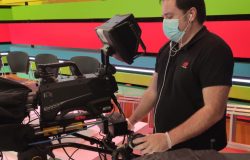 El Hospital Clínic de Barcelona asesorará a Mediapro en sus protocolos de seguridad frente al COVID-19
 LaLiga and Dorna unite against audiovisual piracy
 Advantages and risks of 5G in the audiovisual sector
 South Korea launches first emergency alert service under ATSC 3.0
 Jorge Algora replaces Andrés Barbé as head of the Galician Audiovisual Cluster
 Hispasat colaborará con Naciones Unidas en el restablecimiento de las comunicaciones en caso de emergencia