





Las 9 claves de albert para lograr una producción audiovisual sostenible
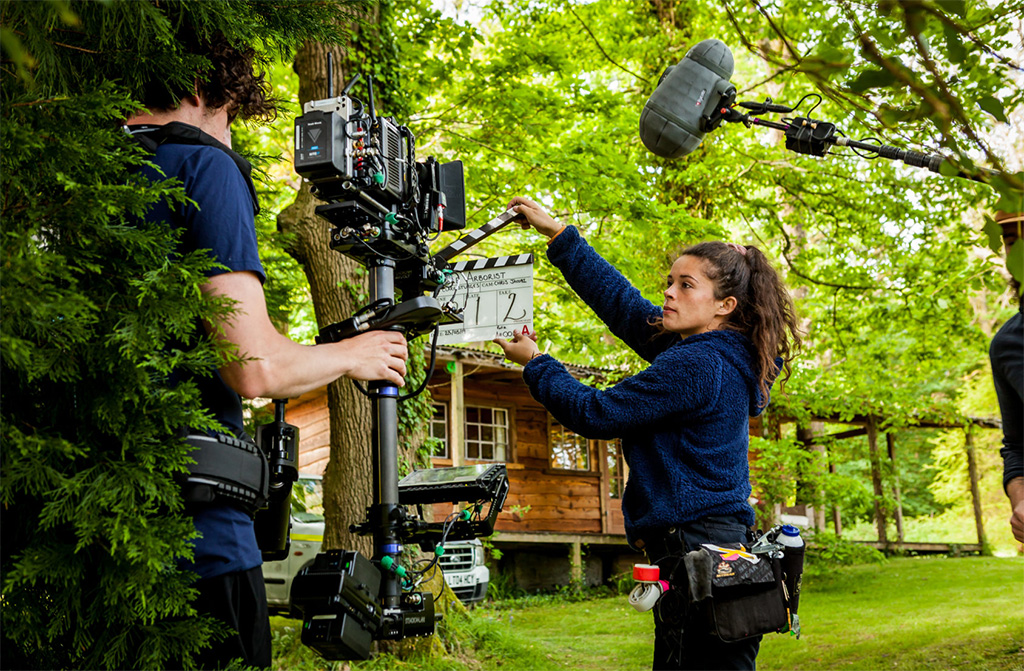

Kishan Khambhaita, asistente de comunicaciones de albert (BAFTA), expone los nueve pasos necesarios para lograr alcanzar una producción sostenible, demanda creciente en la industria audiovisual.
Albert comenzó en 2011 como una calculadora de carbono para ayudar a las producciones a medir su huella de carbono. Desde entonces, hemos ampliado nuestro propósito y capacidades para proporcionar herramientas y formación en línea, eventos, orientación y liderazgo a todos los profesionales de la industria cinematográfica para, de esta forma, ayudarles a identificar las oportunidades dentro y fuera de la pantalla que pueden conducir a una acción climática eficaz.
En albert nos apasiona fomentar una industria cinematográfica medioambientalmente sostenible, tanto en nuestro país, como en el extranjero. El objetivo ya no pasa por hacer “menos cosas malas”, sino por crear las condiciones necesarias para conseguir un éxito continuado en lo que respecta a los rodajes verdes. Tenemos un amplio número de ejemplos y casos de estudio que abalan esta lista de nueve pasos con claves sencillas que pueden ser fácilmente asumibles por cualquier producción, ya sea grande o pequeña, o de ficción o no-ficción.
1. Empieza pronto
Incluir la sostenibilidad en las fases de desarrollo y preproducción facilitará aún más la aplicación de prácticas sostenibles cuando comience la producción. Si es posible, contrata a un equipo verde y haz que la sostenibilidad tenga su propio departamento, dándoles la oportunidad de participar en reuniones con otros departamentos y sus jefes.
También puedes enviar un “Memorándum Verde” antes del rodaje para que el equipo se comprometa con las prácticas que se van a proponer. Si se demora la conversación, será poco probable que se cuente con la planificación necesaria para hacer que estas técnicas en los rodajes resulten eficaces
2. Fórmate
En albert tenemos un dicho: “No se puede gestionar lo que no se mide”.
Aunque sugerimos que se empiece pronto, es posible que el equipo necesite formación sobre producción sostenible para saber qué pasos aplicar y cómo llevarlos a cabo. Albert ofrece formación gratuita (actualmente sólo en inglés) para este propósito. Es una gran guía sobre el cambio climático, así como una forma de inspirar a los equipos antes de que una producción se ponga en marcha sobre todo lo que pueden hacer para reducir el impacto de la producción.
3. Mide tu impacto
En albert tenemos un dicho: “No se puede gestionar lo que no se mide”. Nuestra calculadora de carbono a medida le permite medir la huella prevista en la preproducción y, a continuación, centrarse en las áreas clave en las que puede ahorrar carbono, ya sea a través del transporte, los viajes, el alojamiento, el catering, los materiales, etc.
4. Investiga a tus proveedores y a las partes interesadas
Muchas fases del proceso de producción implican trabajar con empresas externas, como las que alquilan los equipos o las que se encargan del catering, así que considere la posibilidad de preguntarles sobre su política medioambiental, si funcionan con energías renovables y cómo piensan gestionar los residuos. En albert disponemos de plantillas y guías para ayudar a las producciones que quieran reducir las emisiones indirectas de sus proveedores.
5. Hazte vegetariano (o vegano)
Cambiar el catering para que sea predominantemente vegetariano o vegano es un cambio pequeño e impactante que también puede reducir tu huella y puede mejorar tu presupuesto.
6. Reduce los vuelos y las estancias en hoteles
Los viajes y el alojamiento suelen suponer la parte más importante de la huella medioambiental de una producción, así que considere la posibilidad de reducir los viajes en avión, ir en tren cuando sea posible y utilizar el equipo local en lugar de enviarlo por todo el mundo (esto es especialmente importante para las producciones internacionales).
7. Reducir, reutilizar y reciclar
Los decorados, el atrezzo y el vestuario de su producción pueden adquirirse teniendo en cuenta la sostenibilidad. Para ello, es tan sencillo como hacerse varias preguntas: ¿Puedo reutilizar los decorados? Hoy en día, los decorados y el atrezzo pueden ser incluso de cartón. Incluso, ¿puedo reutilizar el vestuario de otra producción o comprarlo de segunda mano? Y, por último, considere cómo va a deshacerse de los decorados, el atrezzo y el vestuario una vez que finalice el rodaje. Deshacerse de los decorados de forma responsable y reciclar el vestuario no son tareas imposibles.
8. Compensa
Una vez que sientas que has hecho todo lo posible para reducir la huella de carbono de tu producción, puedes compensar el resto. La compensación es el proceso de invertir en planes que eliminan los gases de efecto invernadero de la atmósfera, normalmente en proporción a tus propias emisiones/impacto medioambiental. Hay muchas formas de hacerlo: desde plantar árboles, hasta invertir en capacidad de energía renovable.
9. Felicita al equipo
Al final de la producción, envía una “nota verde final” para que el personal sepa el impacto que han tenido sus esfuerzos. Esto aumentará las posibilidades de que defiendan las prácticas sostenibles en su próximo trabajo.
 Otras claves sostenibles
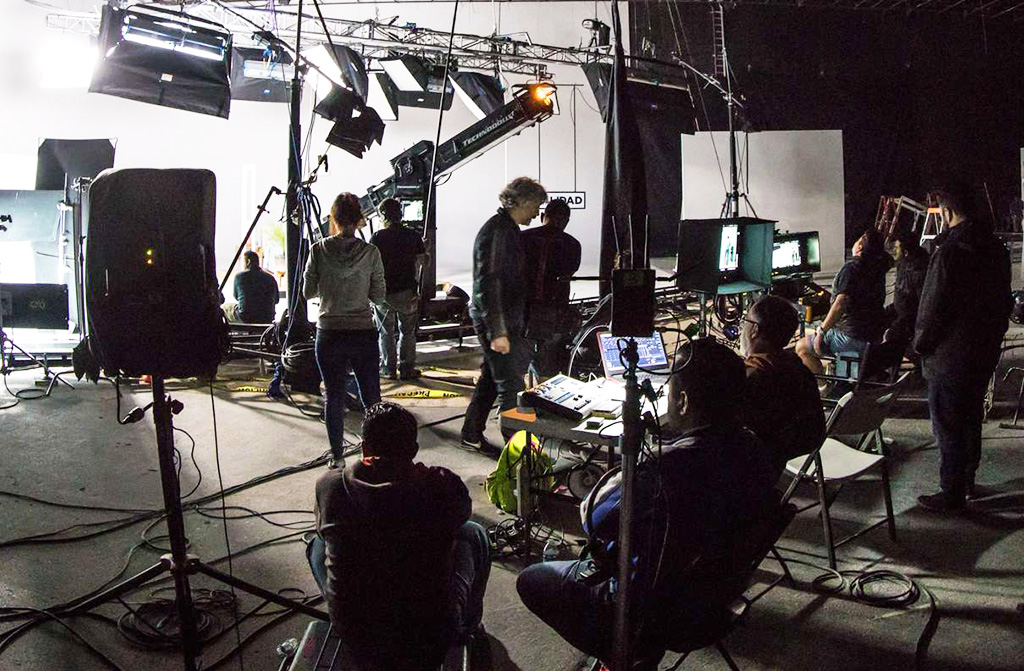
Hay muchas iniciativas más allá de estos pasos que se centran en un cambio más fundamental y sistémico dentro de las industrias cinematográficas. En 2020, albert publicó su informe Screen New Deal para la industria cinematográfica, en el que se establecía una hoja de ruta para que la industria alcanzara el Net Zero. Las recomendaciones de este informe se están poniendo en práctica a través del Plan de Transformación Screen New Deal en Gales.
Estas recomendaciones no son específicas del Reino Unido, sino que pueden aplicarse a las industrias cinematográficas de cualquier país. Por otro lado, no debemos olvidar el Studio Sustainability Standard, una herramienta colaborativa que permite que los estudios de todo el mundo sean evaluados sobre la sostenibilidad de sus instalaciones, reciban una puntuación y obtengan recomendaciones sobre qué áreas mejorar.
Planet Placement
Lo que se ha tratado hasta ahora abarca cómo se puede mejorar la sostenibilidad detrás de la cámara, pero ¿qué pasa con lo que hay delante de ella?
“Planet Placement” es un concepto que consiste en hacer que el contenido climático forme parte de tu programa o película, ya sea como parte de un argumento, and rasgo de un personaje o incluso con gestos tan sencillos como mostrar algún contenedor de reciclaje en el fondo de la acción.
Una gran parte de la lucha contra el cambio climático implica un cambio de comportamiento, y se ha demostrado una y otra vez que los medios de comunicación que consumimos influyen en nosotros. Un ejemplo reciente es una de las líneas argumentales de la exitosa serie de HBO Succession, la cual provoca un interés real en realizar conaciones a Greenpeace. Llamamos a esto “Planet Placement”, concepto que consiste en hacer que el contenido climático forme parte de tu programa o película, ya sea como parte de un argumento, and rasgo de un personaje o incluso con gestos tan sencillos como mostrar algún contenedor de reciclaje en el fondo de la acción. Esta tarea, que nos nada difícil, queda simplificada a través de nuestra nueva herramienta editorial, que intenta inspirar al equipo creativo con nuevas formas de llevar el planeta a sus historias.
Salvar nuestro planeta es un esfuerzo global, y la colaboración internacional es siempre bienvenida. Recientemente organizamos un evento online en el que colaboradores de todo el mundo compartieron sus mejores prácticas de sostenibilidad. Asegúrate de seguirnos en nuestras redes sociales and of suscribirte a nuestro boletín de noticias para recibir las últimas novedades en materia de sostenibilidad en la industria audiovisual.
Kishan Khambhaita
Asistente de comunicaciones de albert (BAFTA)

Did you like this article?
Subscribe to our NEWSLETTER and you won't miss anything.
Related articles
 DialogCheck (Nugen), herramienta clave para lograr la inteligibilidad de los diálogos
 Grass Valley AMPP abre las puertas de una producción deportiva más eficiente, sostenible y económica a DMC
 Sustainability and modular workflow: new keys for live production
 Sony identifica las claves para lograr una producción en directo sostenible
 Cloud, producción remota y sistemas hiperconectados, claves de Sony para IBC 2022
 'La Concha', the first Basque production to achieve the Albert sustainability certificate
 Las claves tecnológicas de la producción 9:16 de Mediapro para LaLiga y TikTok
 Albert Espelt wins the Goya for Best Production Direction for the odyssey of 'Mediterranean'
 4K Garden utiliza equipamiento de AJA para lograr una producción en 4K HDR al más alto nivel
 Tenerife Film Commission entrega sus tres primeros sellos de producción sostenible
 Another Way Film Festival (AWFF) fomenta la producción sostenible
 RPC, filial de Globo, instala un mezclador Dyvi de EVS para lograr una mayor eficiencia en la producción de informativos
 NBC, Channel 4 y SBS emplean Never.no para lograr el “engagement” de su audiencia
 La producción y difusión de contenidos por IP y nuevas cámaras de 4K: claves de JVC para IBC 2014