





The South American Games debut in remote production with technology from Dejero
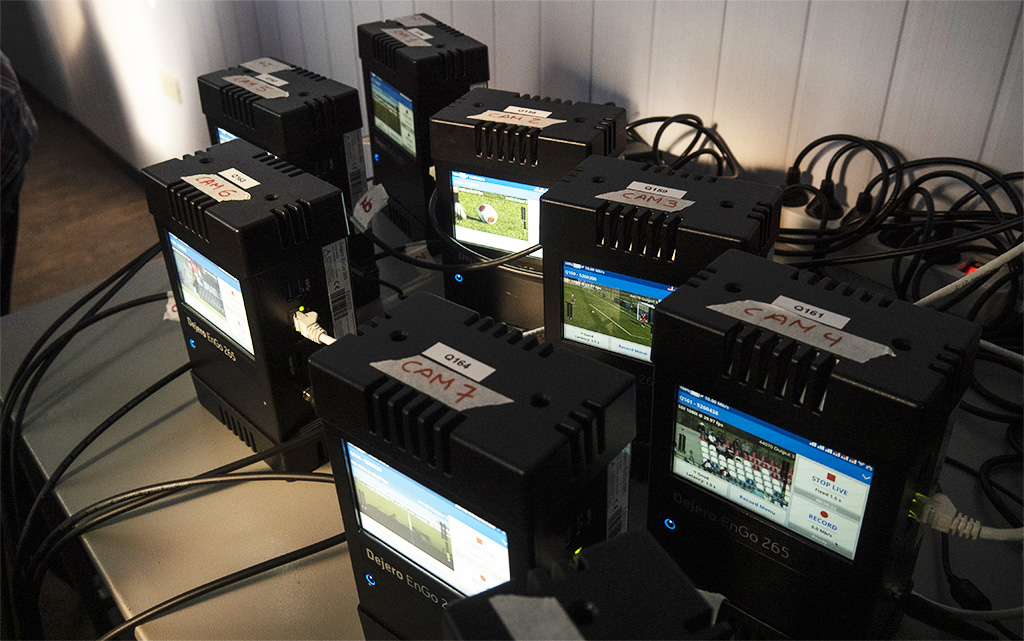
Más de 100 transmisores móviles EnGo y 30 receptores WayPoint de Dejero ayudan a los XII Juegos Suramericanos a realizar la primera producción remota de su historia.
Los XII Juegos Suramericanos, que se celebran del 1 al 15 de octubre en Asunción, Paraguay, han batido todos los récords en lo referente a sus dimensiones: 4.526 atletas a lo largo de 53 deportes. Para acometer este ambicioso proyecto de forma completamente remota, Quality ha desplegado más de 90 cámaras y todo tipo de transmisores móviles de Dejero para captar los deportes en directo en varios estadios y otros lugares de la ciudad. Pablo Reyes, jefe de producción de la productora, cuenta más detalles de este flujo de trabajo: “Utilizando un flujo de trabajo totalmente remoto, podemos producir hasta catorce deportes simultáneos en directo con un solo control. Somos la primera productora de la historia de la televisión, en colaboración con nuestras emisoras copatrocinadoras ABC e IMG, que realiza una producción multideportiva de esta envergadura totalmente a distancia”.
 Cada cámara está conectada a un transmisor móvil EnGo LTE de Dejero que utiliza la tecnología Smart Blending, que gestiona de forma dinámica e inteligente el ancho de banda fluctuante, la pérdida de paquetes y las diferencias de latencia de las conexiones individuales en tiempo real para combinar simultáneamente varias conexiones IP. En este caso, se ha utilizado una combinación de fibra en las sedes y conectividad móvil 4G de diversos proveedores de redes locales como Tigo, Claro y Personal, formando una “red de redes” virtual y logrando velocidades de carga promedio de 20mbps.
Esto, según Reyes, ha proporcionado importantes ahorros económicos y medioambientales a los Juegos Suramericanos: “Al utilizar Dejero en todas las sedes de Asunción, en el IBC (International Broadcast Center) y en nuestro hub de Buenos Aires, hemos creado un flujo de trabajo de producción remota que supone un ahorro de VAN (Valor Actual Neto) de aproximadamente 2,5 millones de dólares. Si pensamos en nuestro flujo de trabajo totalmente remoto en comparación con una configuración tradicional de camiones multi-OB (Outside Broadcast) para una producción deportiva a gran escala como ésta, hemos reducido el movimiento de alrededor de seis toneladas de material extra y 40 personas, por no mencionar la instalación de cientos de kilómetros de cable que normalmente sería necesaria. El ahorro de tiempo y costes en logística, recursos y tiempo es monumental”.
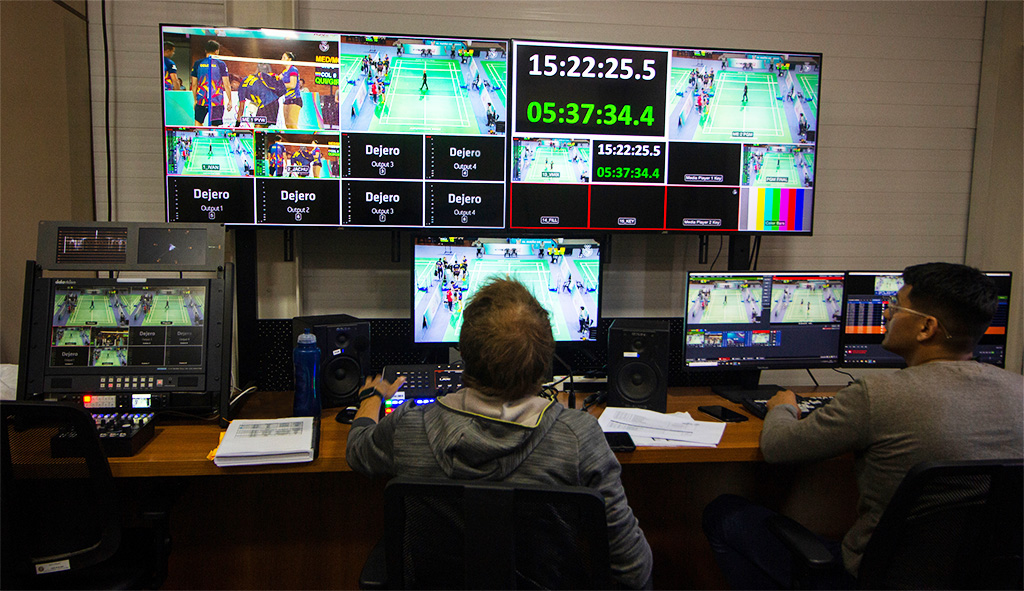
Engo y WayPoint en los Juegos Suramericanos
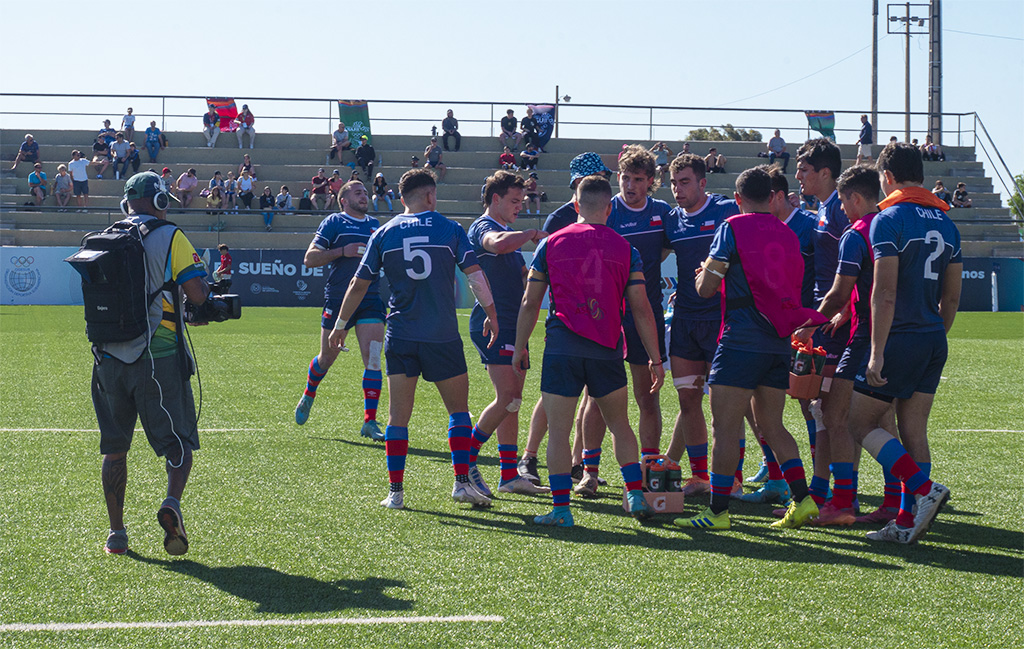
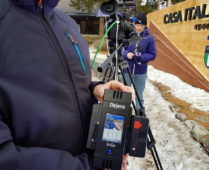
Los transmisores móviles EnGo, los cuales cuentan con una latencia de menos de un segundo entre los cristales, están transportando las señales de las instalaciones deportivas fijas y las cámaras itinerantes de los XII Juegos Sudamericanos a 23 receptores WayPoint de Dejero situados en el IBC de Asunción. Otros diez receptores WayPoint, situados en el centro de operaciones de Quality en Buenos Aires, reconstruyen y decodifican las señales de vídeo que se introducen en una matriz para compartirlas con los sistemas de conmutación y repetición. Desde esta ubicación, productores, directores, grafistas y técnicos coordinan todos los aspectos de la producción y finalizan las piezas. Los contenidos empaquetados se suben vía satélite para su distribución a las emisoras titulares de derechos (RHB) y se introducen en el sistema de ingesta. Entre los RHB se encuentran las emisoras locales nacionales TIGO y Paraguay TV, así como TyC Sports en Argentina, TVN Chile, CDO Chile, COB Brasil y Panam Sports.
Con este nuevo modelo de producción remota, Quality sólo envía los transmisores EnGo y los operadores de cámara a los recintos deportivos. Y, como los dispositivos son fáciles de manejar y no requieren una configuración compleja, los operadores de cámara y el equipo están listos para salir en directo en cuestión de minutos: “Sería imposible cubrir varios deportes en un día con uno o varios vehículos OB debido a las implicaciones de costes y a las distancias físicas. El flujo de trabajo flexible de la producción remota significa que las cámaras no están atadas a las unidades móviles y pueden moverse fácilmente de un lugar a otro”.
“El evento ha sido un hito en la historia audiovisual de Paraguay. La gente en la calle está muy entusiasmada con la calidad de la señal que estamos produciendo. Mientras tanto, los titulares de los derechos están felicitando la calidad de la imagen y la producción de la señal todos los días, y el feedback de las redes ha sido fantástico”, concluye Reyes, poniendo en valor la producción.
Did you like this article?
Subscribe to our NEWSLETTER and you won't miss anything.
Related articles
 Dejero improves its Smart Blending network aggregation technology
 Dejero's EnGo backpacks, technological pillar of the first Gulf Youth Games
 Stream7 leverages Dejero technology to transform its business model
 TVU Networks provided MediaLuso with remote coverage of the Pan American and Parapan American Games
 Dejero, behind the production, delivery and distribution of the Rugby Europe Championship 2023
 Kala creates the ultimate vehicle for film production with Dejero technology
 Dejero provided Nexting with low latency mobile broadcast links since the Olympic Games
 Dejero provides remote connectivity to Fox Deportes during the pandemic
 Quality Media trusted Dejero for remote connectivity in the production of Piromusical 2020 on TV3
 La Ópera de Zurich utiliza la tecnología IP de Lawo para una producción remota
 Dejero streamlines remote production with Compact WayPoint 50 and CuePoint 50
 EVS technology will allow the official IBC channel to implement a remote production flow over IP
 Dejero offers immediate connectivity from the Pyeongchang Winter Olympics
 NBC Olympics uses the latest technology in the production of the PyeongChang Winter Games