





Nits.Lab explores the creative possibilities of HDR with the help of AJA
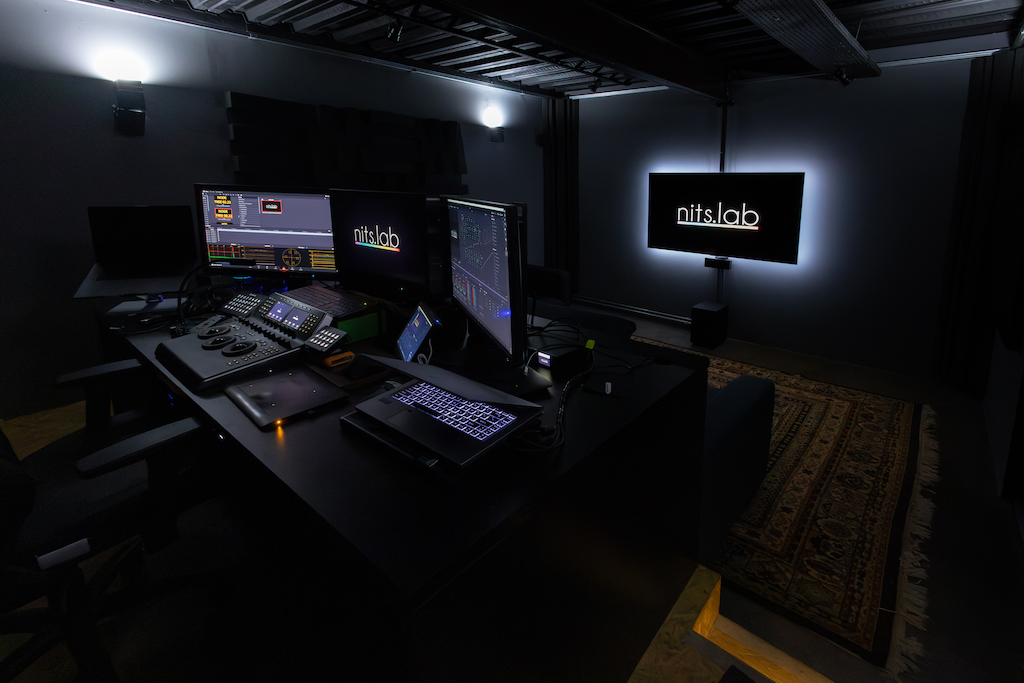
El estudio creativo independiente Nits.Lab, con sede en Brasil, ha comenzado a ofrecer servicios de Técnico de Imagen Digital (DIT) y postproducción con capacidad HDR a clientes en América Latina con la ayuda de la tecnología de AJA.
Con soluciones como ColorBox, su equipo está apoyando producciones comerciales, series, documentales y largometrajes en toda la región para adoptar este formato de narración en evolución y desbloquear sus innumerables ventajas narrativas.
“Hacemos la mayor parte de nuestro trabajo en SDR, pero las preferencias de los clientes están cambiando lentamente a HDR”, afirma el cofundador de Nits.Lab, Rodrigo Bodstein. “Está ganando impulso aquí en Brasil a medida que los principales streamers muestran las posibilidades narrativas del HDR, y bastantes de los estudios más grandes, así como algunas casas de postproducción, ya están experimentando con la entrega HDR. Estamos trabajando para ayudar a la transición del mercado y hacer que el HDR sea más accesible aquí. Queremos dar a los profesionales las herramientas que necesitan para ponerse al día en HDR y explorar sus implicaciones narrativas, para que puedan seguir impulsando el contenido visualmente”.
Para apoyar su misión, Nits.Lab cuenta con el sistema de color AJA ColorBox, and AJA Io 4K Plus para E/S y un router AJA KUMO 3232-12G para ayudar a gestionar el color en producciones SDR y HDR. Para el trabajo en plató, su equipo de dos personas aprovecha la tecnología del carro DIT junto con una gama de monitores. El motor Colorfront and the AJA Color Pipeline en ColorBox se utilizan para las transformaciones cuando se revisan contenidos SDR y HDR en paralelo, además del servidor de streaming Colorfront para revisiones remotas. El equipo también prevé añadir un tercer ColorBox a su suite de color de estudio para poder enviar señales a otro televisor para su visualización por parte del cliente.
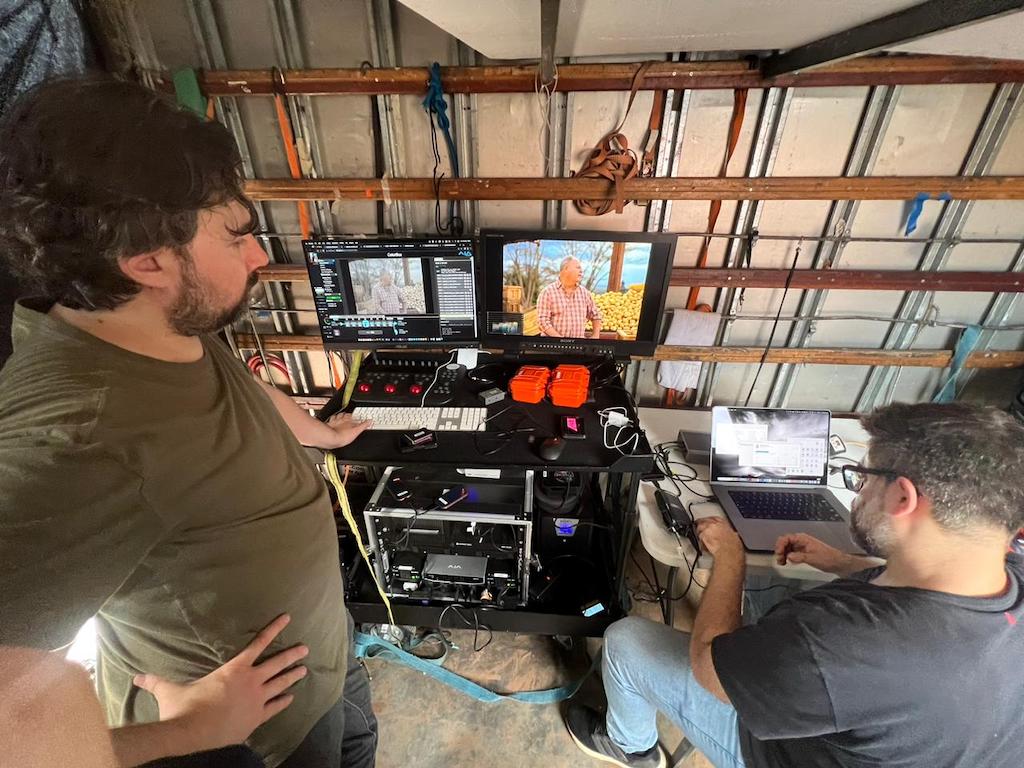
Los flujos de trabajo de Nits.Lab varían en función del proyecto y de si están o no en el estudio o en el plató, pero todos están diseñados en torno al enrutamiento 12G-SDI. En uno de sus diseños, un Mac Studio es la estación principal para la gradación en directo, mientras que un MacBook Pro se encarga de la ingesta y la descarga.
Un router AJA KUMO 12G-SDI se sitúa en el centro de la ruta de la señal, dando al equipo un control total sobre la distribución y el enrutamiento de la señal. Configuran un salvo para cada flujo de trabajo específico en el KUMO, lo que les permite guardar diferentes perfiles para distintos tipos de trabajo. Por ejemplo, se configura un salvo para etalonaje en directo, otro para broadcast y otro para etalonaje, corrección de color, efectos visuales y edición.
Para la gradación en directo, las entradas y salidas de dos AJA ColorBox, un AJA Io 4K Plus y dos monitores Sony están conectadas al KUMO. Las señales de la cámara se introducen a través del router AJA KUMO en el Io 4K Plus y a través de las ColorBoxes en los monitores. Un monitor está configurado en SDR y el otro en HDR.
El equipo de NitsLab utiliza el software Pomfort Livegrade Pro para controlar la LUT dinámica en el AJA Color Pipeline en ColorBox. Dado que su trabajo se centra normalmente en un pipeline ACES, Nits.Lab se apoya regularmente en la integración de Pomfort Livegrade Pro y Pomfort Silverstack Lab para crear dailies con todas las exigencias para cada cliente (burn-ins, metadatos, etc.). Esto ayuda a garantizar la coherencia del color en todo el proceso.
Al comentar el flujo de trabajo, Rafael Lopes, cofundador de Nits.Lab, afirma que “es importante que las partes interesadas del proyecto puedan ver el metraje HDR junto con el metraje SDR. Puede que no necesiten entender cómo funciona la curva PQ o por qué son necesarias las señales de 12 bits, pero necesitan sentir la diferencia y cómo afecta al producto final. Queremos que vean cómo pueden controlar la imagen con HDR, aunque algunos objetivos tengan destellos en HDR que no funcionan”. Las soluciones de AJA, junto con Colorfront, nos ayudan a conseguirlo y son increíbles a la hora de modelar el HDR en situaciones en directo y en el plató. Amamos y usamos mucho ambas”.
Nits.Lab también utiliza AJA Io 4K Plus para E/S de ordenador, que incluye cuatro entradas 12G-SDI bidireccionales, para enviar patrones de prueba a sus monitores para algunos proyectos HDR que requieren capturas exprés para dailies. Aparte de sus demandas de flujo de trabajo 12G-SDI, el equipo también utiliza el panel de control Tangent Wave, and Stream Deck donde guardan accesos directos, almacenamiento RAID y una unidad de 40TB para copias de seguridad y transporte.
Toda esta tecnología está conectada a un Mac Studio M1 Ultra con 128 GB de RAM vía ethernet a través de un switch. Un concentrador CalDigit TS4 con los lectores de soportes de calidad profesional y el MacBook Pro M1 Max con 2 TB y 64 GB de RAM también forman parte del diseño del flujo de trabajo. Además de estas herramientas, para los flujos de trabajo remotos, Nits.Lab también emplea Colorfront Streaming Server, una herramienta de colaboración y gestión de medios en la nube, y Pomfort ShotHub.
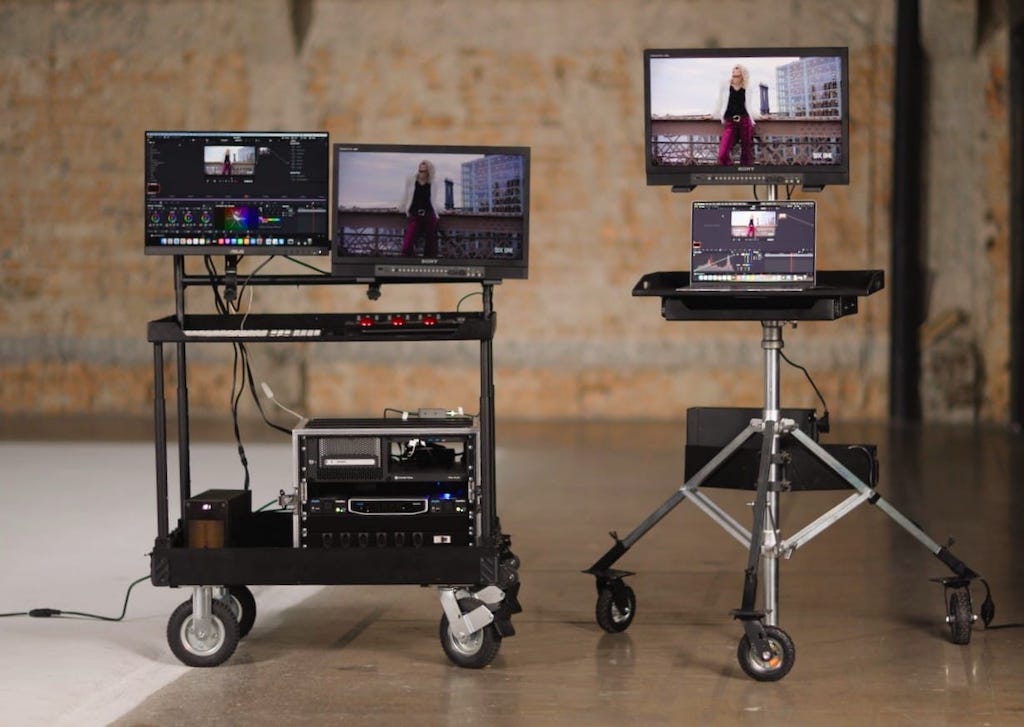
Pipeline ColorBox en tiempo real
Tanto Lopes como Bodstein disfrutan aprovechando estas potentes configuraciones en su trabajo diario con los clientes. En palabras de Lopes: “Nuestro objetivo es ayudar a los clientes a sentirse cómodos con el HDR y a tener espacio para experimentar en directo. Nuestras soluciones AJA son un elemento clave en este sentido, ya que facilitan la propuesta de nuevas opciones y pruebas de color para los clientes. El pipeline ColorBox en tiempo real es esencial. Podemos experimentar en el plató, ver los resultados, realizar ajustes en tiempo real y transmitir fácilmente la orientación y la dirección a las instalaciones de postproducción en la sala de color para lograr una mayor coherencia del aspecto”.
“Conocer la visión, el look que has establecido y grabado en el plató, y saber que esa intención se mantendrá hasta la entrega final tiene un valor incalculable”, añade.
Bodstein reconoce que “me emociona equilibrar los colores y ver el impacto que tiene en las emociones de la gente en un entorno de colaboración, sobre todo cuando todo encaja en su sitio y la sensación es la correcta. Es como si diseñáramos sentimientos, y ese es un trabajo realmente gratificante”.
Did you like this article?
Subscribe to our NEWSLETTER and you won't miss anything.
Related articles
 Atomos launches Ninja TX Go: recording up to 6Kp30 RAW from a 5″ monitor and 1500 nits
 Nits.Lab explores the creative possibilities of HDR with the help of AJA
 UHD Spain explores the possibilities of New Generation Audio (NGA)
 The Festivalito XR opens cinema to the new creative possibilities offered by virtual reality
 RED launches a 7″ high-brightness touch monitor with 2,200 nits
 Sony shows new creative possibilities for cinema at Camerimage 2016
 BIT Experience addresses the interactive and creative possibilities of videomapping
 AJA increases the creative possibilities of its CION camera
 Ovide shows all the creative possibilities of Amira, ARRI's new documentary-style camera
 New creative possibilities with the integration between Viz Media Engine and Adobe Premiere Pro CS6
 XDCAM: a world of creative possibilities
 Ovide shows the creative possibilities of the Sony F65
 New creative possibilities with P+S Technik at IBC
 Avid launches Pro Tools 9 on November 12, now with more flexibility and creative possibilities