





Free-to-air sports broadcasts contribute 4.9 billion to the European economy
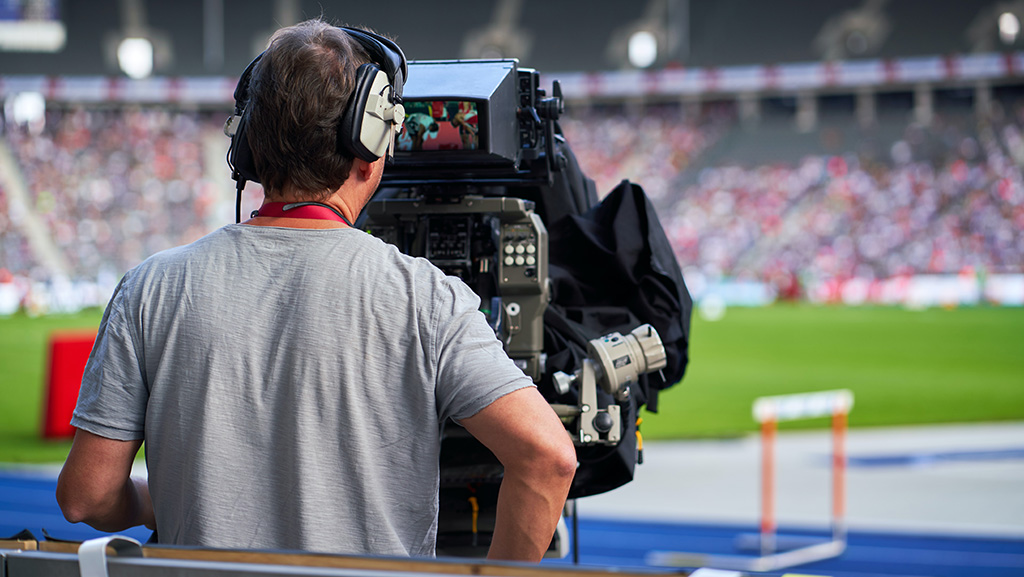
Según un informe encargado por la Unión Europea de Radiodifusión (UER) a Oxford Economics, el impacto económico de las retransmisiones deportivas de los medios de comunicación de servicio público (MSP, por sus siglas en inglés) aportó 4.900 millones de euros al PIB europeo y mantuvo más de 60.000 puestos de trabajo en 2022.
Los resultados incluyen las contribuciones directas de la producción de contenidos y la radiodifusión y los importantes impactos indirectos e inducidos debidos al gasto en la cadena de suministro y al gasto de consumo de los empleados. El estudio también explora impactos más amplios, como el modo en que la cobertura de los medios públicos atrae ingresos de patrocinio para el deporte.
El impacto económico de las actividades deportivas de los medios de comunicación de servicio público evalúa el impacto de 188.000 horas de programación deportiva en abierto en radio y televisión, de 44 miembros de la UER en 31 países, incluidos acontecimientos de gran repercusión y valor, como la fase final de la Copa del Mundo de la FIFA y los Campeonatos del Mundo de Atletismo. También incluye la participación online de millones de aficionados al deporte a través de sitios web, aplicaciones y redes sociales.
El informe también revela los numerosos beneficios de las retransmisiones deportivas en abierto para la cultura y la sociedad, lo que refuerza el papel fundamental y unificador de las organizaciones de MSP en este ámbito.
“Nuestro análisis revela una relación simbiótica entre las retransmisiones deportivas en abierto y la vitalidad económica, lo que ilustra los efectos de largo alcance de esta dinámica industria en todo el continente”, señala Doug Godden, economista jefe de Oxford Economics y autor del informe. “Además, el hecho de ofrecer deporte de forma gratuita tiene un gran valor para los ciudadanos de los países en los que operan los miembros de la UER”.
La huella económica de las retransmisiones deportivas de los miembros de la UER puede desglosarse en tres áreas principales. Por un lado, la producción y retransmisión de contenidos deportivos por parte de los MSP aportó aproximadamente 900 millones de euros al PIB y empleó a más de 5.000 trabajadores. Cada trabajador generó un valor económico estimado de 166.000 euros, muy por encima de la media regional.
También se produce un impacto indirecto. El gasto de los miembros de la UER en bienes y servicios, incluidas cámaras, derechos audiovisuales, catering y servicios de edición, estimuló otros 2 700 millones de euros en el PIB y dio empleo a más de 38.000 personas en toda la región. En particular, el gasto en derechos deportivos desempeñó un papel clave en el impulso de este impacto.
Por último, la actividad económica generada por los salarios pagados a los empleados de los miembros de la UER y a los de su cadena de suministro supuso una contribución adicional de 1.400 millones de euros al PIB y apoyó otros 16.420 puestos de trabajo.
Patrocinio y publicidad
Además de proporcionar ventajas económicas más amplias, como la obtención de fuentes de ingresos adicionales para el deporte a través del patrocinio, los ingresos publicitarios y las tasas de organización de eventos (y a menudo estimulando el turismo local de los aficionados al deporte visitantes), la exposición mediática de la FTA también puede ayudar a crecer y ampliar la base de aficionados de los deportes “emergentes”, lo que lleva a un aumento de los ingresos de entrada y merchandising.
El informe también subraya que la cobertura deportiva de los MSP es un catalizador de beneficios sociales más amplios, como el fomento de la participación en el deporte de base y de la salud y el bienestar. La correspondiente reducción de los costes sanitarios y de las pérdidas de productividad por enfermedad demuestra que el impacto va mucho más allá del terreno de juego.
Glen Killane, director ejecutivo de Eurovision Sport, afirma que “este informe subraya hasta qué punto los medios de comunicación de servicio público son fundamentales para el ecosistema deportivo en Europa. Con una audiencia potencial combinada de mil millones de personas, nuestros miembros garantizan que el deporte tenga el mejor escaparate del mundo para inspirar y animar a los atletas del futuro”.
“El apoyo a las federaciones deportivas a nivel nacional e internacional es sólo uno de los efectos de la inversión que aportan nuestros Miembros. Como organizaciones sin ánimo de lucro, nuestra inversión va directamente a donde más importa, proporcionando un inmenso efecto multiplicador. No se trata sólo de lo que ocurre en el terreno de juego, sino de las innumerables oportunidades que se abren fuera de él, impulsando un crecimiento económico sustancial -de miles de millones en términos reales- y aportando profundos beneficios para la salud mental y física de las personas. Esto no sería posible sin el apoyo, la inversión y la dedicación de nuestros Miembros”, añade.
Did you like this article?
Subscribe to our NEWSLETTER and you won't miss anything.
Related articles
 Bitcentral transforms NESN sports broadcasts with new production and management tools
 DirectOut guarantees the best Dolby Atmos 7.1 audio in sports broadcasts
 HuskerVision: live sports broadcasts with IP audio and Lawo solutions
 Pixelcast, la innovadora solución de Pixelscope basada en IA para automatizar retransmisiones deportivas
 Fingerworks updates its sports broadcast tracking software ahead of NAB 2024
 KS Motorsports apoya en Haivision sus retransmisiones deportivas de motor sobre 5G
 Las retransmisiones deportivas encuentran en la tecnología de Harmonic al perfecto aliado
 Mediapro Argentina incorporates the use of Sony's Venice camera in its sports broadcasts
 Aragón TV breaks record for sports broadcasts
 Michael Robinson, a unique accent in sports broadcasts, dies
 Free-to-air television and its pivotal role in the economy, society and culture
 Máxima espectacularidad en retransmisiones deportivas con Orad
 EA Sports colabora con Orad para dar vida a las retransmisiones deportivas
 Streambox names James Page director of sports broadcasting