





The adventure of filming a city, the focus of Documenta Madrid 2024
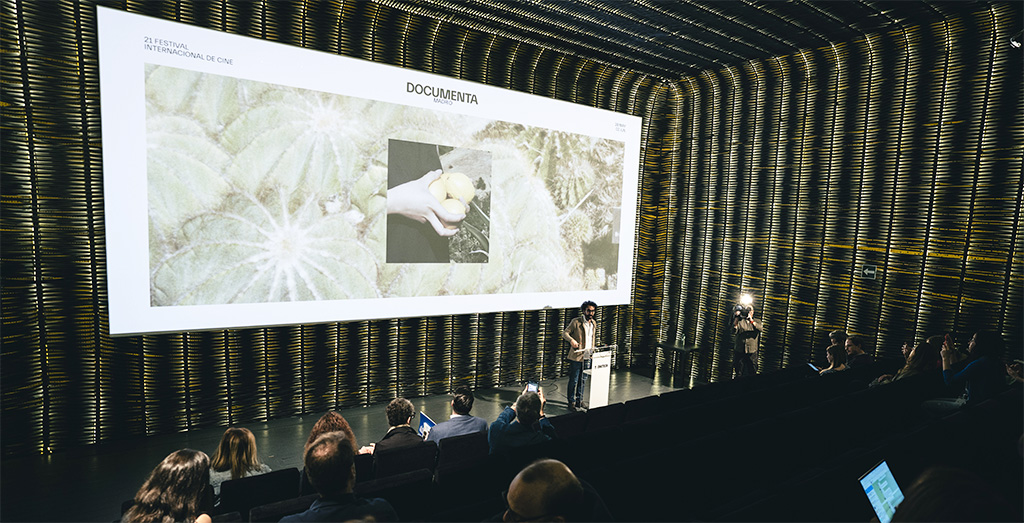
The 21st edition of Documenta Madrid, Madrid City Council's International Film Festival, will be held from May 28 to June 2, inviting participants to reflect on “what cinema is” and what it means to “film a city.”
Cineteca Madrid, Spanish Film Archive, Reina Sofía Museum, ECAM y House of Mexico will house five cycles, 26 films in competition y four projects in Final Cut, forming a powerful proposal with which Documenta intends to flood Madrid with documentary cinema "riskier" on the national and international scene. It will do so with a thematic axis focused on the adventure of filming a city; specifically, Madrid.
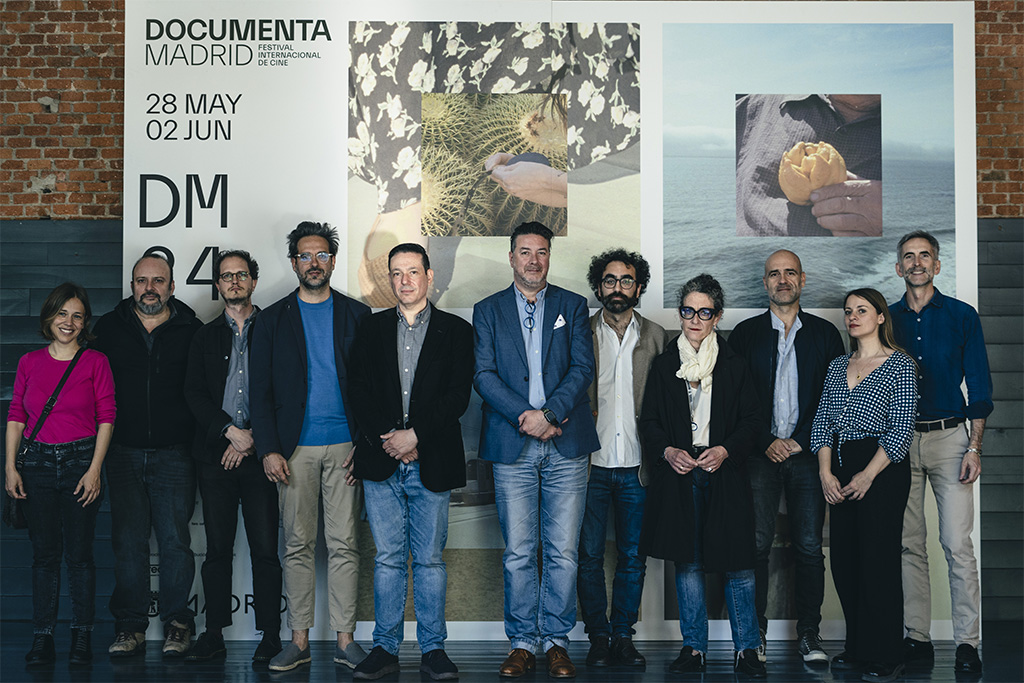 This approach will take center stage at the opening of the festival with the premiere of 50 years of October in Madrid, of Joseph Morder, film promoted by Documenta Madrid and created expressly for this event based on material that the filmmaker has collected over the years, in homage to the almost homonymous film by Marcel Hanoun. Within this same theme, the workshop What remains A workshop to listen, with the artistic collective Paco Graco and the film director Juan Cavestany, will delve into how to find the stories of Madrid. Furthermore, the Imagine Madrid section will bring together some of the city works that Intermediae Matadero has carried out in the last decade with filmmakers such as Gabriel Azorín, Óscar Vincentelli y Author's terrorism.
Competitive section of the 21st Documenta Madrid
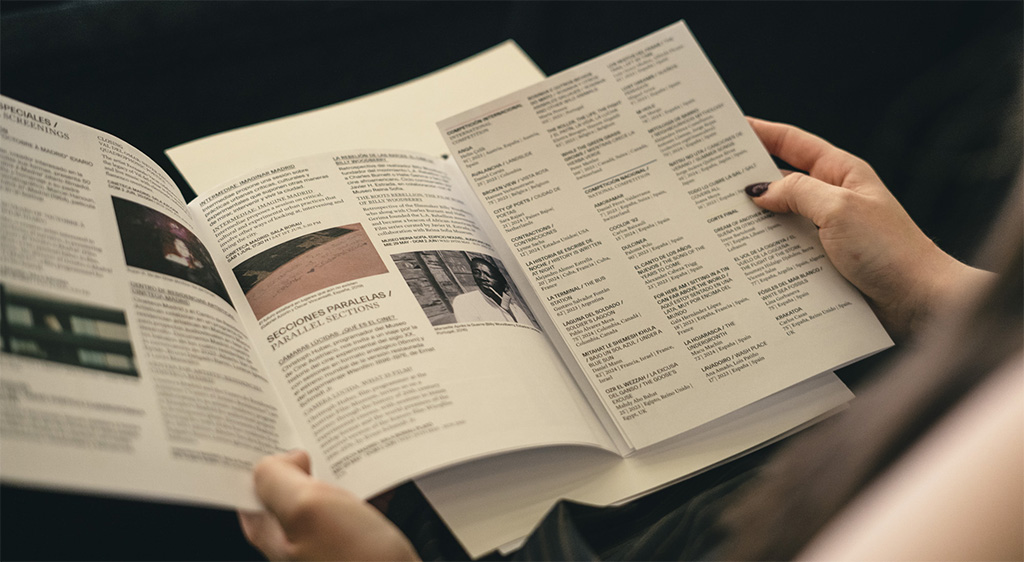
The Competitive Section, which can be seen in its entirety at Cineteca Madrid, has 13 titles in the National Competition and others 13 in the International, selected among the 1,566 films from 20 nationalities that have participated this year. The selected films will compete for the Best Film awards, with €10,000 for each section; the Fugas Award for creative risk, also endowed with €5,000 for each section, and the Cineteca Madrid Audience Award, with a €1,000 award per section, the latter decided by a vote of the viewers.
The movies of the National Competition revolve around stories of social and personal life that look at the past from different perspectives, such as Amoramar, of Daniel Pérez Valderrama; Coolor’92, of Carlos Baixauli; Dulcinea, of Paloma Polo; The Leaf Litter, of Mac Machín; Salt covers everything, of Joana Moya; o laundry room, of Ana Amado and Lois Patiño. Other titles focus on people's relationship with technology and life learning, such as For here am I sitting in a tin can far above the world, of Gala Hernandez Lopez; Lost Dreams, of Miguel Ariza; The remains of the passing, of Luis (Soto) Muñoz y Alfredo Picazo, o Neighborhood mythology, of Alejandro Pérez Castellanos, Antonio Llamas y Jorge Rojas (collective spiritstaircase). Lastly, some films They approach the sensory with titles like The song of the new years, of Alexander Cabeza Trigg; M-hole, of Ian Margo; o Natsu No Uta, of Jorge Suárez Quiñones Rivas.
The 13 titles of the International Competition They also notice the intersection of History with capital letters and small anonymous stories. It is the case of Avalanche, of Daniel Cortés; Anqa, de Helin Çelik; Contractions, of Lynne Sachs; Mitahat le shemesh kula (Under a blue sun), of Daniel Mann; Rosinha and other wild animals (Rosinha and other wild animals), of Marta Person, y Broken View, of Hannes Relationships. On the other hand, fantasy as a driving force for reflection is present in other titles of the International Competition, such as City of poets, of Sara Rajaei; History is written at night, of Alejandro Alonso Estrella; The terminal, of Gustavo Salvador Fontan; Soldier's Lagoon, of Pablo Alvarez Mesa, u Ozr el wezzah (The goose's excuse), of Abdo Zin Eldin y Mahdy Abu Bahat. Another topic that some of these films address has to do with cinema as a tool for internal and relational exploration, such as The roller, the life, the fight, of Electra Need y Hazem First, o While the green grass grows (As the grass grows green), Peter Mettler.
Additionally, Final Cut, the section addressed to films in the final phase of production or Spanish co-production, has selected four projects this year among the 43 applications received: Dream of Another Summer of Irene Bartholomew; white sea fossils, of Lina Gorbaneva; El vol de la cigonya (The flight of the stork), of Soumaya Hidalgo y Berta Vicente Salas, y Krakatoa, of Carlos Casas. These four projects will be eligible for two awards: a cash prize worth €4,000 and the Agencia Freak Distribution Award, a novelty for this edition, valued at €6,000 plus support for the distribution of the film at festivals for two years, counting from the moment of its completion.
Cycles out of competition
The 21st edition of Documenta Madrid will also offer the usual out-of-competition cycles distributed in its different venues. The Cineteca Madrid will take place Chambers Lucida cycle con Christoph Huber, curator of the Austrian Film Museum, as a special guest who will guide the public in five sessions and 32 films through Austrian experimental cinema of the 20th century and will show the world premiere in its restored version of the feature film Vienna film 1896-1976, by the legendary Ernst Schmidt jr.
The National Art Center Museum Queen Sofia dedicate a retrospective of the great filmmaker Billy Woodberry, one of the founders of the movement L.A. Rebellion. In the cycle, titled The rebellion of the roots. Billy Woodberry's cinema, five films will be screened, crossed by the filmmaker's social concern, that pay tribute to figures such as the Senegalese activist Ousmane Sembène or the African-American Beat poet Bob Kaufman, or that narrate social stories marked by discrimination. In addition, the filmmaker will offer a keynote lecture and will premiere in Spain Mario, his latest film, around the figure of the Angolan revolutionary poet Mário Pinto de Andrade.
Spanish Film Archive offers in The bars of exile. Iranian documentary in exile, un programa que nos adentra en la poderosa obra de la comunidad cinematográfica iraní fuera de su país. Dos grandes cineastas femeninas arrancan y cierran el programa, Mania Akbari y Sara Dolatabadi, a las que se suman los directores Ehsan Khoshbakht y Mehran Tamadon, para mostrar entre todos diferentes perspectivas de la realidad de Irán.
Fundación Casa México presents Días de guardar. Documental político de los 70 en México, un ciclo de seis películas agrupadas en dos programas. Uno sobre los cambios sociales acaecidos en México durante los años 70 y el cine militante del momento y un segundo programa sobre las huellas de la nueva modernidad mexicana, una sociedad marcada por el consumo, el desencanto y los sueños irrecuperables.
Además, un año más los alumnos de la ECAM (Escuela de Cinematografía y del Audiovisual de la Comunidad de Madrid) proponen la obra de un cineasta que les conmueva y les motive: esta vez, Morgan Quaintance.
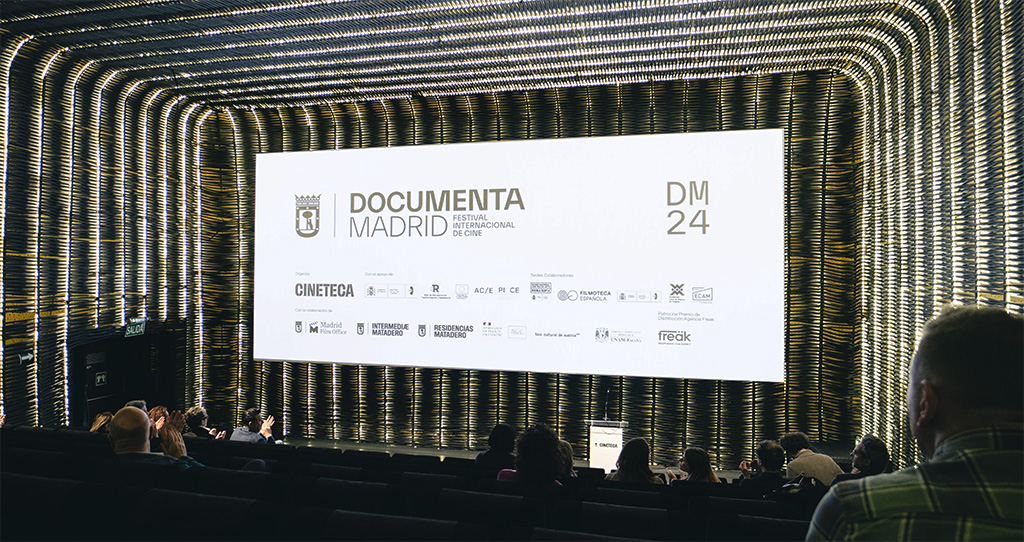
Industria, en Documenta Pro 2024
Un año más el festival convoca a los profesionales a su área de industria, Documenta Pro, organizada por Documenta Madrid y Madrid Film Office, y comisariada por DOCMA – Asociación de Cine Documental. Documenta Pro 2024 pondrá la mirada en la Distribución y Exhibición de cine documental a lo largo de dos días: 30 y 31 de mayo en la Sala Taller de Matadero Madrid. Serán dos jornadas cuidadosamente trabajadas en las que no sólo se hará un retrato de los diferentes tipos de exhibición que operan en España, sino que se mirará hacia otras latitudes y se reflexionará sobre qué puentes tender para construir el encuentro con las audiencias del presente y del futuro.
Se conversará con profesionales que compartirán diferentes modos de distribución, tradicionales y menos convencionales, explorando caminos de encuentro entre las audiencias y las diversas narrativas. La directora Mercedes Moncada moderará el programa de conferencias que también incluye cuatro casos de estudio de películas distribuidas en nuestro país, en la que sus creadores y productores compartirán su experiencia.
Abordar las complejidades de la distribución del cine documental y responder a las dudas del sector son los objetivos de estas jornadas diseñadas para estimular la participación de la audiencia y crear un espacio de diálogo entre profesionales. El acceso al evento será gratuito con aforo limitado, previa inscripción a través de este form.
Did you like this article?
Subscribe to our NEWSLETTER and you won't miss anything.
Related articles
 Madrid Film Office promotes the city and the Community at the Berlinale
 City of Madrid Film Office and EGEDA reveal the winners of the 3rd edition of #MiMadridDeCine
 City of Madrid Film Office reinforces online resources and content in times of coronavirus
 City of Madrid Film Office and EGEDA announce the second edition of the #MiMadriddeCine Awards
 City of Madrid Film Office sponsors the training session 'Producing sustainably is possible'
 The city of Madrid launches its Film Office
 Documenta Madrid pays tribute to the Mexican director Eugenio Polgovsky
 The documentary 'The act of killing', Joshua Oppenheimer, first prize at Documenta Madrid
 Documenta Madrid presents the programming of its tenth edition
 Documenta Madrid will celebrate its tenth edition from May 5 to 12
 Documenta Madrid will have a space this year for Brazilian documentaries
 Bayona films in Madrid and in the large water tank of the City of Light 'The Impossible'
 Matadero Madrid will host Documenta 2010
 Correspondent in the City of the Image, in Madrid