





El roadmap de Movistar Plus+: una visión crítica para un futuro marcado por el IP
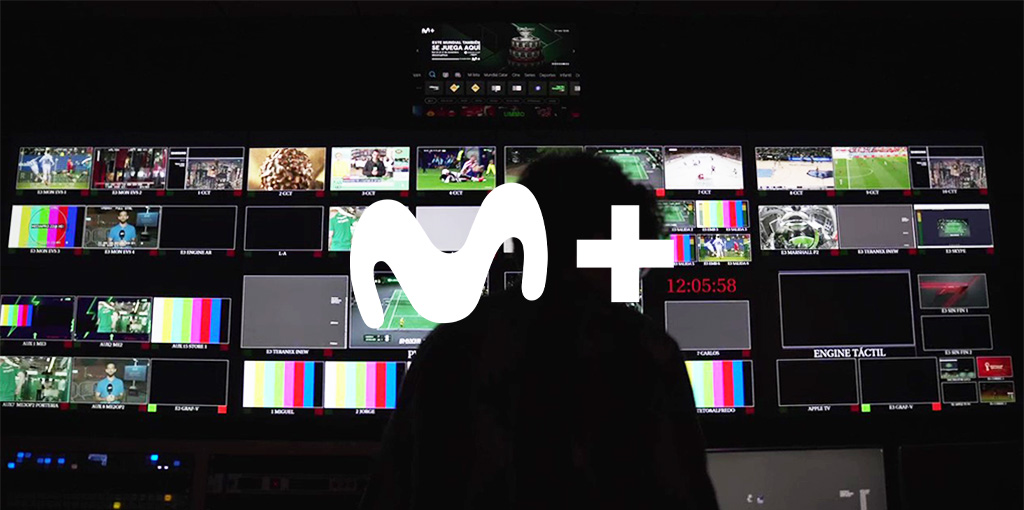

José Luis García Cabrera, director técnico de Movistar Plus+, anticipa el próximo roadmap de la empresa de Telefónica, destacando su posición en relación a conceptos como IP, edge, cloud, producción remota o realidad aumentada.
García Cabrera, conocido por su posición como COO of TSA (Telefónica Servicios Audiovisuales), inició a comienzos de año un nuevo desafío en el que depositar su conocimiento y experiencia en la industria broadcast: la dirección técnica de Movistar Plus+. Sin dejar de lado su labor en la empresa integradora, asumió responsabilidades adicionales con una ambiciosa oportunidad en el horizonte: diseñar la hoja de ruta de evolución tecnológica de la televisión.
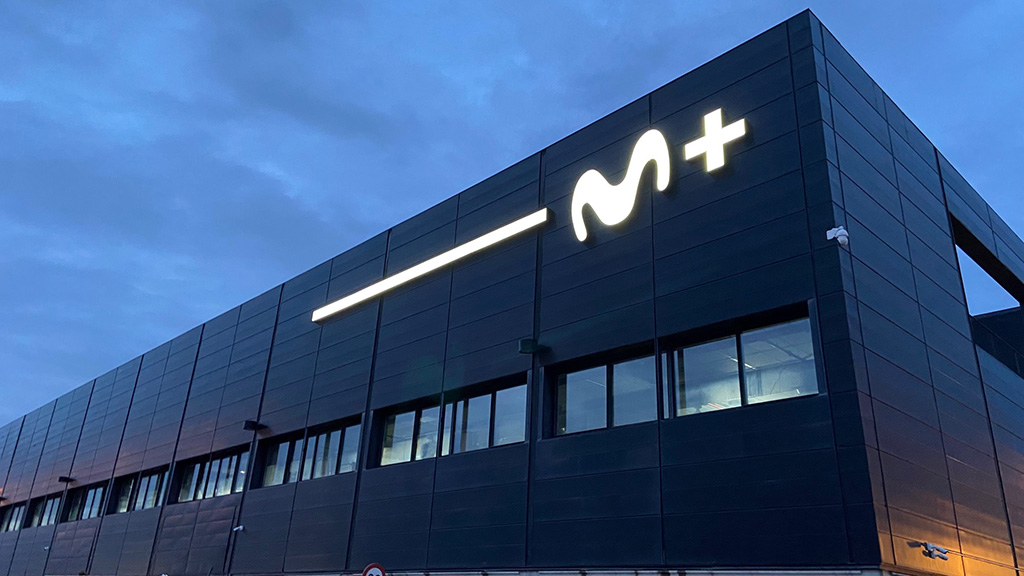
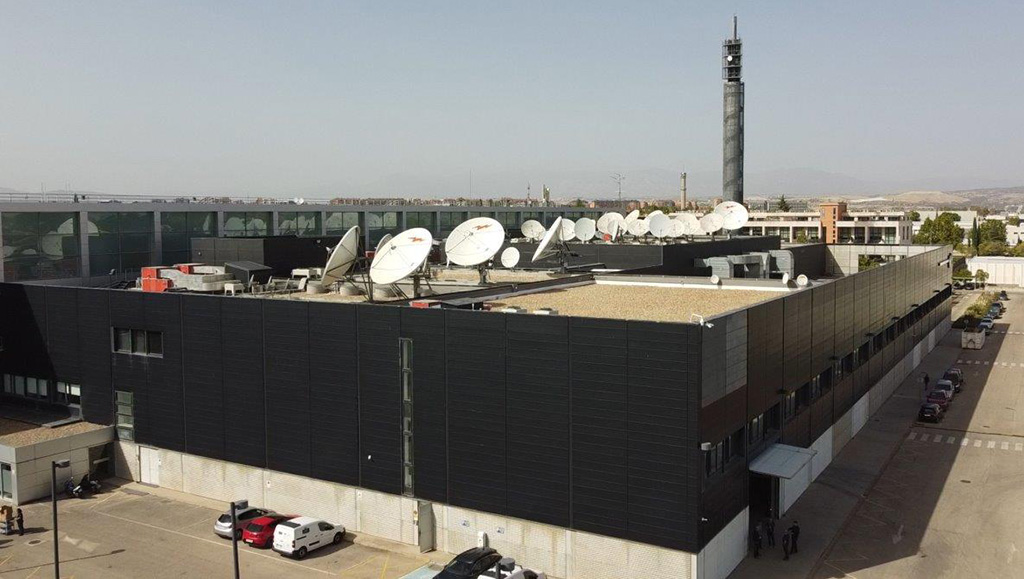
The gran modernización tecnológica de sus platós en Tres Cantos, con su correspondiente migración a alta definición, comenzó en 2016. Desde entonces, al margen de la estrategia de Telefónica con respecto a su plataforma como servicio global, Movistar Plus+ ha acometido diferentes renovaciones dirigidas a modernizar la ejecución de sus formatos, consolidar sus flujos de producción remota para la ACB y abrazar todas las posibilidades de la realidad aumentada y extendida.
 El futuro más cercano se presenta lleno de incógnitas. ¿Es el momento de apostar por una infraestructura IP, tal y como han abordado agentes como RTVE, Telemadrid o RTPA? ¿Esa evolución se deberá desarrollar en las actuales instalaciones de Tres Cantos, cuyo contrato finaliza en 2030, o deberán centralizarse en Distrito Telefónica? ¿El UHD se convertirá en un estándar o los esfuerzos deben fijarse en consolidar el HD HDR? ¿Se debe volver a la escenografía con soportes físicos o seguir creando universos virtuales para llevar mundos imaginativos a la televisión?
García Cabrera comparte en esta conversación muchas de sus aproximaciones sobre estas y otras temáticas. En muchas ocasiones, no tendrá una respuesta completamente definida, dada la incertidumbre global de un mercado que sigue buscando respuestas incesablemente. En otras, ofrece interesantes reflexiones que permiten vislumbrar el futuro de Movistar Plus+, en el que la producción original de contenidos, la apuesta por el deporte y los formatos de entretenimiento seguirán ejerciendo como pilares dinamizadores de su emisión lineal y oferta bajo demanda.
¿Es Movistar Plus+ una televisión a la vanguardia?
Movistar Plus+, ya sea por el valor vanguardista de producciones que desde sus inicios miraron a referentes europeos y estadounidenses, el buen hacer del equipo de profesionales que lo componen, o por el beneficio de contar con el apoyo de TSA, ha acometido todo tipo de mejoras tecnológicas para dar una oferta de primer nivel a sus abonados y, más recientemente, suscriptores: “Movistar Plus+ no deja de ser una plataforma de contenidos con una parte importante de producción propia y de agregación de contenidos”, traslada García Cabrera.
“Desde hace cinco años contamos con siete pabellones fijos enlazados y producimos los encuentros desde dos controles ubicados en nuestras instalaciones de Tres Cantos saltando de una localización a otra, lo que da una eficiencia muy importante y nos posiciona como early adopters de esa tecnología”.
Esto lleva al director técnico de Movistar Plus+ a valorar con detenimiento el estado del servicio al ser cuestionado sobre si se encuentra a la “vanguardia” en lo que respecta al panorama broadcast estatal: “La media pasa por diferentes etapas, y es diferente el estado del arte en cada área”. Para García Cabrera, platós o locutorios se situarían en la línea “media” de la producción en comparación con otras “televisiones”. La producción remota es un asunto completamente diferente: “Desde hace cinco años contamos con siete pabellones fijos enlazados y producimos los encuentros desde dos controles ubicados en nuestras instalaciones de Tres Cantos saltando de una localización a otra, lo que da una eficiencia muy importante y nos posiciona como early adopters de esa tecnología”.
En el repaso general de las áreas de Movistar Plus+, García Cabrera también se detiene en todo lo relacionado con los flujos de gestión del contenido, abordando la ingesta, verificación, control de calidad o metadata: “En esta área nos apoyamos con soluciones propias que tienen un nivel de integración con las operaciones increíblemente alto. Hoy por hoy, esta área incluye toda la parte de MAM, archivo y CMS, de utilidad para nuestra distribución multiplataforma”. Todas estas soluciones han sido desarrolladas desde hace más de veinte años y han contado con un “evolutivo continuo” para adaptarse a las necesidades únicas de la plataforma, como pueda ser la agilidad en el time to market.
Un roadmap a cinco años basado en Tres Cantos… o no
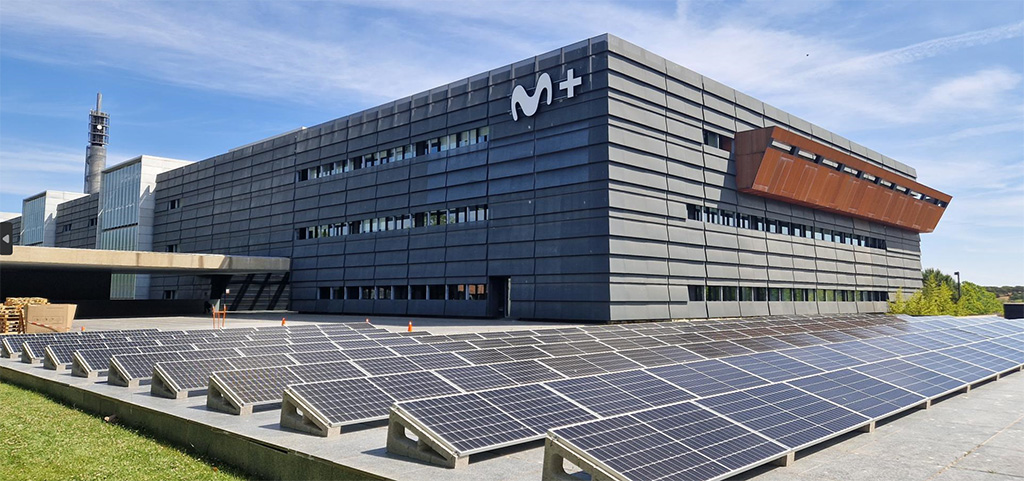
A comienzos de año, varios digitales pusieron en duda la continuidad de las instalaciones de Movistar Plus+ en sus instalaciones en Tres Cantos. El término del periodo de alquiler en 2030, unido a la estrategia de Telefónica de unificar muchas de sus compañías en Distrito Telefónica, podría replantear la estrategia de dirección de la técnica de la cadena de cara al futuro de la televisión: no es lo mismo integrar una infraestructura IP desde cero, que evolucionar un modelo SDI. Además, no tendría sentido invertir grandes cantidades en unas infraestructuras que podrían ser trasladadas en un futuro cercano.
Al ser cuestionado por esta posibilidad, García Cabrera reflexiona sobre su posición en Movistar Plus+ y la que verdaderamente es su meta a corto plazo: “Uno de nuestros principales objetivos es ser capaces de generar un roadmap de evolución tecnológica a nivel plataforma a 5 años vista”. El director técnico de Movistar Plus+ se define como un “creyente” de la tecnología “per se”, esta que puede ayudar a “hacer más eficientes procesos” y ayudar a generar una “mayor cantidad” de contenido de “mejor calidad”. En este plano, la llegada del IP a la hoja de ruta tecnológica tiene todo el sentido del mundo: “Hoy, cuando distribuyes contenido en la plataforma, ya no solo recibimos el vídeo y el audio, sino muchísimas otras cosas que acompañan al material audiovisual. La tecnología tiene que ayudar a ello”, traslada, sin dudar en afirmar que su evolución “incorporará esa transición al mundo IP” por sus ventajas relevantes en cuanto a “flexibilidad del uso de la infraestructura”.
“Uno de nuestros principales objetivos es ser capaces de generar un roadmap of evolución tecnológica a nivel plataforma a 5 años vista”.
Para García Cabrera, no hay duda de que el salto se va a producir, pero el espacio fijo en el que esto ocurra no se encuentra entre sus principales preocupaciones: “También he escuchado los rumores. Al final, obviamente este es un edificio que no es propiedad de Telefónica, lo cual está siempre sujeto a unos contratos”, reconoce, si bien afirma que, si veinte años después se produce un traslado de la sede actual de Tres Cantos, “la tecnología debe facilitar ese proceso de transición”.
El salto al IP que acometerá más tarde o más temprano Movistar Plus+ será a través de un modelo “gradual e híbrido”. García Cabrera señala lo complejo que sería transformar una infraestructura de la envergadura de Movistar Plus+ “a nivel presupuestario”, además de la complejidad de interiorizar la “curva de aprendizaje del IP” en los equipos de operación, ingeniería y mantenimiento. En definitiva, el salto será con un “modelo multiaño y gradual”, como han seguido otras televisiones como Telemadrid, RTVE o Antena 3.
Protagonismo renovado para las pantallas LED
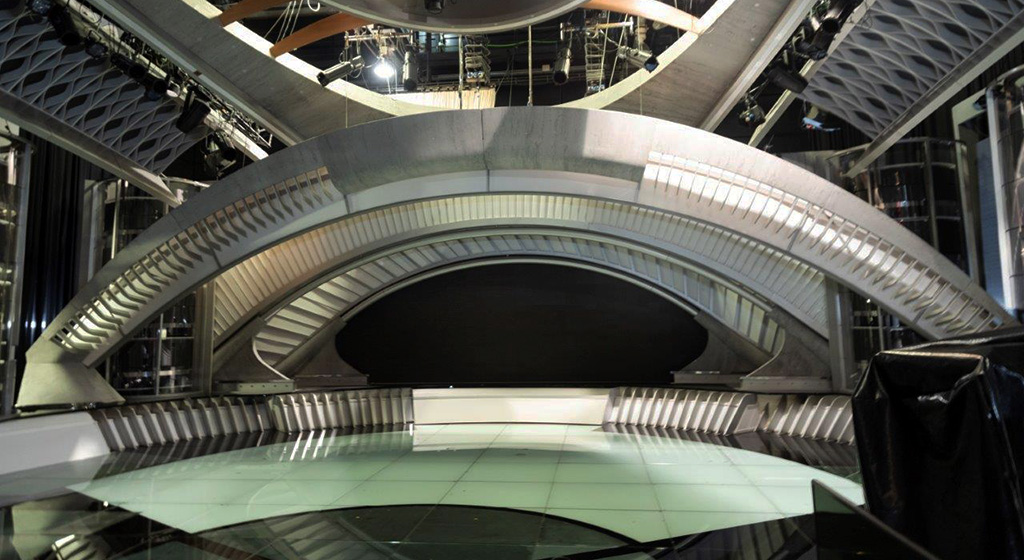
El centro de producción de Tres Cantos cuenta con diversas infraestructuras que sostienen gran parte de la producción propia de Movistar Plus+. Platós de tamaño pequeño, destinados a la producción de contenidos “más dirigidos a redes sociales” con un alto grado de automatismo, se alternan con otros platós de grandes dimensiones.
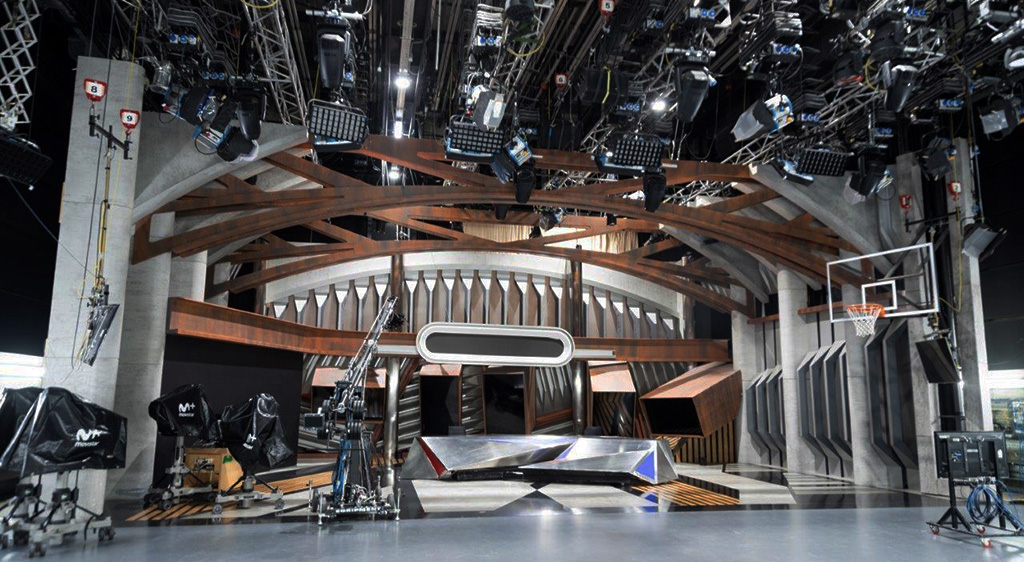 Durante los últimos años, Movistar Plus+ ha redoblado sus esfuerzos en introducir en sus espacios sistemas de seguimiento para exprimir las posibilidades de la realidad aumentada y extendida. Formatos como El tercer tiempo aprovechan esta tecnología para crear espacios inmersivos de grandísimas dimensiones, mientras que otros utilizan los recursos de la augmented reality para la exposición de grafismo avanzado que interactúa con las capacidades narrativas de los formatos. “Desde la dirección técnica, atendemos a las necesidades de lo que se quiere producir y el tipo de contenido para dar con la forma más eficiente de llevarlo a cabo. Nuestra manera de trabajar a nivel presupuestario siempre es la misma: hablamos con contenidos para entender la programación de la temporada y analizamos cuáles son los medios técnicos necesarios para adaptarnos a ella”.
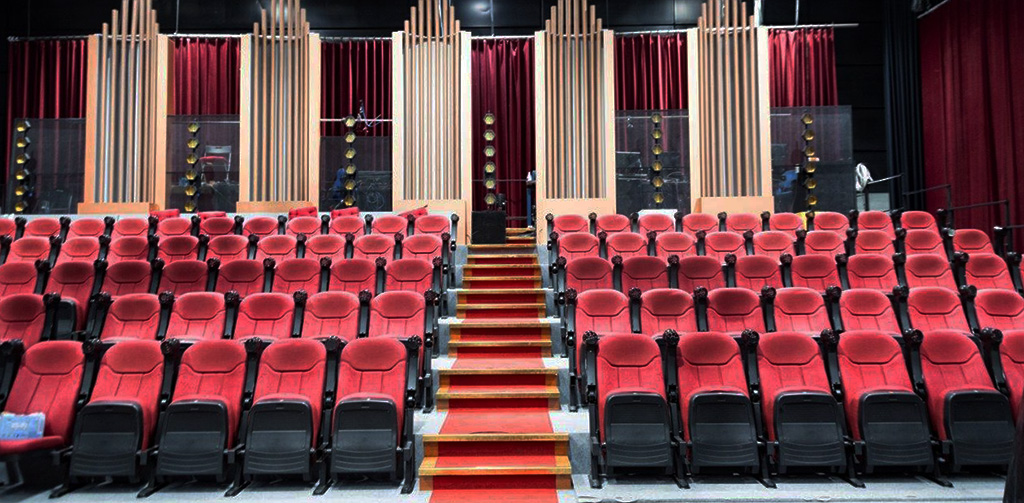 Independientemente de seguir explorando las posibilidades de la realidad aumentada y extendida, García Cabrera reconoce que actualmente se está “evaluando” la posibilidad de apostar por modelos extendidos en otras televisiones en los que “el LED toma mucho más protagonismo”. El equipo técnico de Movistar Plus+ considera que la unión de una gran pantalla LED con una producción multicámara con capacidades de realidad extendida o aumentada puede aportar “valor a un contenido diferencial”, tal y como han podido concluir tras asistir a demostraciones y realizar visitas a muchos de sus compañeros de profesión.
“Creo que van a ser una evolución natural de algunos de nuestros estudios. Seguro. No sabría decir si será con carácter inmediato de cara a 2025, pero, por lo menos, el planteamiento va a estar sobre la mesa”, reconoce García Cabrera, reflexionando sobre algunos de los desafíos que implican este tipo de soportes: “El mayor challenge no es el tecnológico, sino el de la operación: el alimentar continuamente esas grandes pantallas y generar contenidos para las mismas, lo cual crea un estrés en los equipos de creación de entornos muy relevante. Hay que prepararse, formar a los equipos y, antes de introducir los equipos, tener muy claro lo que se tiene que poner en el otro lado de la balanza”.
¿Paso atrás con la UHD?
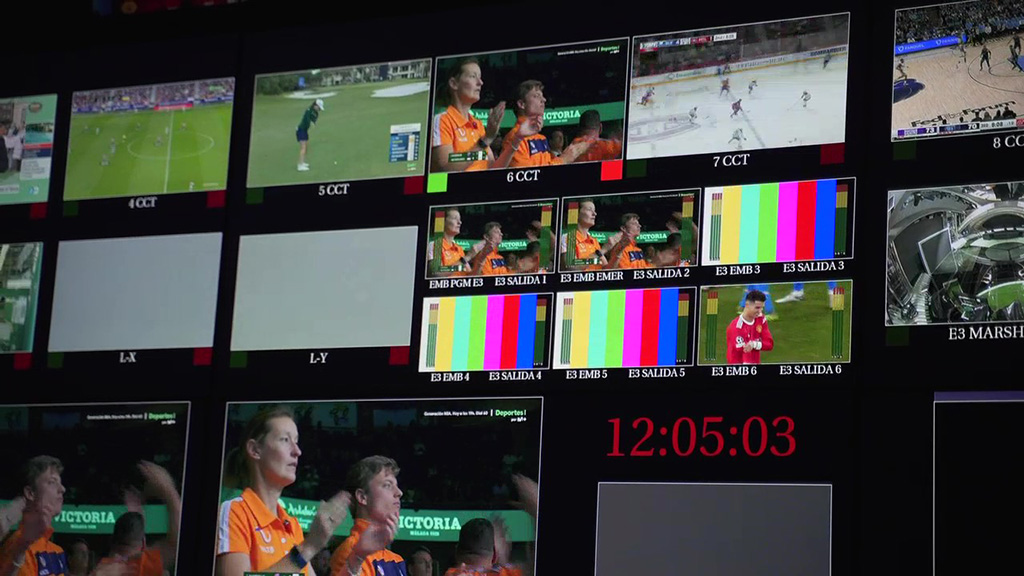
La quimera de la UHD en los broadcasters más tradicionales, dada la limitación de la retransmisión vía TDT por la capacidad de la red y el estado actual de las soluciones de codificación, podría tener un mayor sentido en una plataforma como Movistar Plus+, que en gran medida llega a los suscriptores vía IP. No obstante, y a pesar de los esfuerzos de producción en grandes eventos, la consolidación de este formato está lejos de hacerse realidad. Para muestra, decisiones como la de producir grandes eventos deportivos como la final de la Champions League en formado HD HDR como estándar. ¿Hacia dónde se dirige la industria? ¿Es posible que la consolidación de la UHD en todo su esplendor, con siglas como HDR, 4K o WCG, tarde más de lo esperado en producirse?
“¿Tiene sentido el coste que conlleva una producción y una cadena de manejo de una media in UHD? Al final, la conclusión viene a ser que sí, pero no para todos los contenidos”.
García Cabrera todavía no tiene una “visión clara” de hacia dónde se dirigirá Movistar Plus+ en este aspecto, si bien atesora numerosas experiencias al haber implementado proyectos UHD en muchos broadcasters. Su balance es más contenido; reconoce el valor del enfoque, pero también la complejidad de este tipo de desarrollos y cómo afectan a toda la cadena de producción: “Se tiende a pensar que cuanto mayor sea la calidad del contenido original será mejor, porque todos los procesos posteriormente partirán de una calidad mayor para su digitalización y compresión (…), pero es posible que el coste de lo que conlleva esa producción, postproducción o archivado de ese bruto no compense para el producto final que hacemos llegar al espectador”.
“¿Tiene sentido el coste que conlleva una producción y una cadena de manejo de una media en UHD para el producto que generamos?”, reflexiona García Cabrera, pensando no solo en el parque de televisores UHD en nuestro país, sino en el consumo multidispositivo que acompaña a los principales broadcasters de nuestro país. “Al final, la conclusión viene a ser que sí, pero no todos los contenidos. No obstante, cuando en un contenido premium como es el fútbol se decide llevarlo a un modelo HD HDR, esto te indica por dónde va el mercado”, sentencia.
Nube y edge: posibilidades infinitas
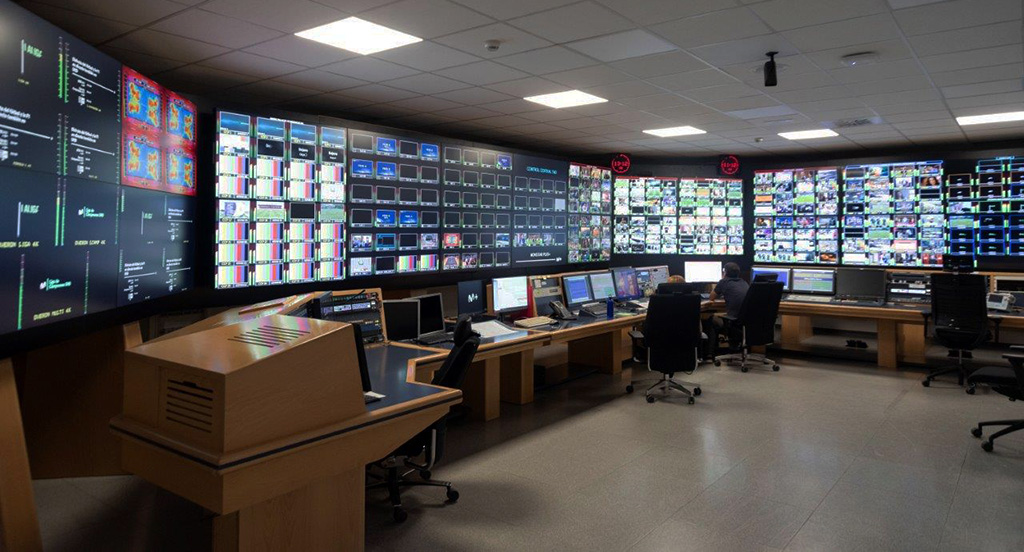
El posible despliegue de la nube ha sido analizado en profundidad desde hace años por la industria broadcast. Las conclusiones de hace un lustro eran compartidas por la industria en el ámbito del almacenamiento: el potencial era latente, pero los costes de archivado y sobre todo de recuperación restringían su uso a unos pocos agentes. En la actualidad, la fotografía ha cambiado ligeramente. La variedad de competidores en el mercado ha hecho ligeramente más accesible este tipo de operaciones, pero donde realmente se ha producido un cambio importante ha sido en la oferta de procesos tradicionalmente locales llevados a la nube: “Los modelos cloud frecuentemente disparan los costes de operación, sobre todo para players que ya tienen una plataforma constituida y parten de un legacy. La situación podría ser distinta para un nuevo agente que de alguna manera no cuenta con activos y quiere montar todo, partiendo desde cero y abstrayéndose de la tecnología”.
“Comenzaremos teniendo una producción de la nube en paralelo a la producción tradicional y, a medida que veamos que la calidad obtenida and the fiabilidad de la señal que obtenemos en la nube es equiparable a la que obtenemos tradicionalmente, haremos el cambio.
En el caso de Movistar Plus+, García Cabrera encuentra una clara utilidad en procesos en la nube como el almacenamiento, o “todo lo relativo a un potencial disaster recovery”: “Los modelos económicos de guardar ya son muy competitivos; el problema es cuando tratas de recuperar. También tiene sentido con los pop up channels, donde a veces levantamos y bajamos canales que son muy estacionales; la posibilidad de crear nuevos canales con un horizonte temporal muy concreto y no tener que invertir en infraestructura propia tiene mucho sentido”. La plataforma también ha tenido experiencias en producción remota con los “medios técnicos descansando en la nube”, lo que permite “desplazar mínimamente” medios técnicos al lugar de producción con todo el “software o ingestas” funcionando en instancias de la nube.
El uso del edge para seguir potenciando aún más las producciones desde los servicios cloud también está sobre la mesa del equipo de Movistar Plus+. García Cabrera considera que estos flujos de trabajo son “imparables”, pero por ahora resulta prudente esperar a un mayor desarrollo y consolidación de los sistemas antes de uso en grandes producciones: “Cuando le preguntas a las propias empresas si harían con sus temas de producción cloud la retransmisión de una final de Champions, por ejemplo, te responden que todavía no. Lo que sí vemos es que pueden ayudar muchísimo a deportes en los que exista un menor requerimiento en cuanto a capacidades de producción. (…) Comenzaremos teniendo una producción de la nube en paralelo a la producción tradicional y, a medida que veamos que la calidad obtenida y la fiabilidad de la señal que obtenemos en la nube es equiparable a la que obtenemos tradicionalmente, haremos el cambio. (…) Es entonces cuando dejaremos de tener esos costes elevados que ahora te generan una producción tradicional”, relata García Cabrera.

La incertidumbre en los costes: nube y SaaS
La dirección técnica de Movistar Plus+ considera que la tecnología cloud podría estar preparada para formar parte de una parte relevante de su producción. De hecho, hace apenas dos años, la plataforma condujo unas pruebas satisfactorias de una personalización de un partido de Champions en la nube, “en este caso con AWS”, que “sorprendió” al equipo por “nivel de robustez, calidad de la señal y latencia”. En cualquier caso, al grado de madurez de la tecnología y a la adaptación de los equipos tradicionales al universo IT, García Cabrera suma otra variable de gran importancia: “La certidumbre de los costes no es absoluta”.
“Cuando se comienza a operar en los flujos de trabajo cloud, se genera un consumo dentro de la nube. A veces, no tenemos en cuenta parte del consumo de los flujos de trabajo que hoy por hoy discurren por nuestra casa y que, por lo tanto, no generan un coste adicional. Cuando la media comienza a moverse por la nube de un sitio a otro, hay contadores que nos han dado ciertas sorpresas al final de mes”, traslada García Cabrera, quien considera que los escalares deben evolucionar para ser capaces de proveer herramientas que permitan gestionar ese gasto en tiempo real: “No voy a decir al estilo de un taxímetro, pero que sí que nos permitan tener una visibilidad muy clara de cual es el coste relacionado con cada uno de los elementos”. En ese momento, será mucho más sencillo dar “ese salto definitivo”.
“Aunque se habla de un pago por uso, posteriormente es más diabólico. El coste de ese pago por uso depende del volumen y número de años que uno se comprometa al uso de esas licencias. Al final, me están llevando a un modelo casi como el que yo tenía de perpetuidad, pero con unos costes mucho más elevados, puestos que se convierten en variables”.
The incertidumbre en la facturación también se extiende en el universo SaaS, una apuesta cada vez más extendida por parte de empresas históricas del ecosistema broadcast y que, en ocasiones, arrojan una “letra pequeña” que no es favorable para el broadcaster: “Si a mí me preguntan, diría que son modelos en los que estamos saliendo perdiendo”. García Cabrera aporta más detalles: “Los periodos en los que se amortiza una infraestructura boradcast siempre son superiores a los cinco años. Hoy por hoy, no conozco ningún fabricante cuyo modelo de pago por uso de licencias sea superior a los tres años. Es decir, a los tres años, uno ya ha pagado el equivalente a lo que venía siendo el coste de adquisición en propiedad tradicional de esa infraestructura y licencias. (…) Creo que, en general, los clientes opinamos así. En ese totum revolutum de soporte y evolutivos, las cuentas no son equivalentes a las del coste en propiedad”.
Ante esta situación, el director técnico de Movistar Plus+ apostaría por un modelo híbrido en el que el cliente adquiriera una base a utilizar recurrentemente para tener en propiedad, variabilizada con un “modelo flexible y creativo” por parte de los fabricantes. El actual está lejos de acercarse a la visión de García Cabrera: “Aunque se habla de un pago por uso, posteriormente es más perverso. El coste de ese pago por uso depende del volumen y número de años que uno se comprometa al uso de esas licencias. Al final, me están llevando a un modelo casi como el que yo tenía de perpetuidad, pero con unos costes mucho más elevados, puestos que se convierten en variables”. ¿Se puede revertir esta situación?: “Es un modelo del cual no vamos a poder escapar. Muchos fabricantes están dejando de evolucionar los productos que uno tenía en perpetuidad, y lo que están promoviendo son modelos de transformación de las licencias perpetuas a pago de uso. Hoy por hoy pensamos que el modelo de negocio claramente es negativo confrontándolo con el actual”.
La Movistar Plus+ del futuro: AR, XR, nube, edge, IA…
Movistar Plus+ se encuentra dibujando poco a poco su futuro, pendiente de la madurez de las tecnologías, estudiando cómo el despliegue de cada solución puede ayudar a su operativa diaria, y aportando una visión crítica sobre la industria. De esta forma, las tendencias no son transiciones inevitables, sino oportunidades a ser examinadas detalladamente.
Una vez completado este análisis, pasarán o no a formar parte del roadmap previamente anticipado por García Cabrera. Quedan incógnitas por despejar, si bien el equipo de tecnología de Movistar Plus+ identifica certezas que formarán de su futuro a corto plazo: la compañía “profundizará” en los estudios con todo lo que tiene que ver con “realidad extendida y aumentada”; acometerá la transformación a IP, ya que la tecnología “es madura y muy fiable”; empleará la nube para procesos como disaster recovery o pop-up channels “a medida que los hiperescalares vayan mejorando sus modelos de negocio para la media”, y proseguirá en sus pruebas de concepto con el edge, ya que puede “ayudar a la producción remota y minimizar al máximo las latencias”.
Como no podría ser de otra forma, la IA también formará parte del futuro de Movistar Plus+. A la transcripción, indexación o resúmenes automáticos, procesos ya establecidos en la casa, se sumarán nuevas herramientas como complementos a los “procesos actuales”. “Lo haremos, con total seguridad, en los próximos años”, sentencia García Cabrera.
Un reportaje de Sergio Julián Gómez
Did you like this article?
Subscribe to our NEWSLETTER and you won't miss anything.
Related articles
 Ocho empresas de referencia se unen para crear un ecosistema de “conectividad crítica” en ISE 2026
 Matrox Video expone su visión del futuro de la producción en IBC 2025
 Big Picture and Creative Technology predict a future marked by the VP with the purchase of hundreds of LED panels from ROE Visual
 Virtual NOC, la visión para el futuro de la monitorización de Witbe, muestra su potencial en NAB 2025
 TVU Networks at NAB 2025: alliances and a future marked by the cloud to celebrate its 20th anniversary
 CES 2025 anticipa un futuro marcado por el universo cuántico y el progreso de la IA
 INFiLED celebra su 15º aniversario apostando por un futuro marcado por el broadcast en IBC 2024
 Blackpills une fuerzas con Movistar para consolidar sus series cortas para móviles en el mercado español
 Christie comparte su visión del futuro del cine en Expocine 2020 en una edición virtual
 Panasonic desvela su visión sobre el futuro de la producción de vídeo en un evento virtual
 Rohde & Schwarz adelantará en IBC su visión de un futuro IP en base a un sólido patrimonio SDI
 Movistar y Smartbox lanzan una aplicación móvil para seguir la Copa Movistar Perú
 Ericsson previews its vision of the television of the future at NAB
 SES comparte en Mobile World Congress su visión del futuro ecosistema 5G