





'Gladiator II': an eight-camera shoot with DPA miniature microphones
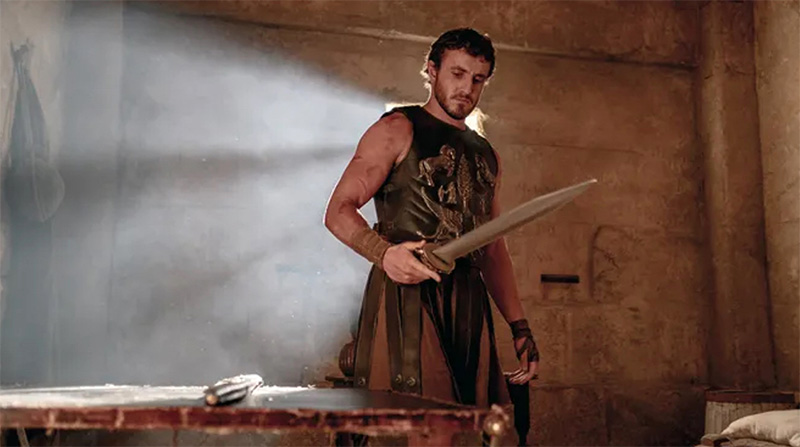
Sound engineer Stéphane Bucher used miniature microphones from DPA to capture the sound of 'Gladiator II', whose signals were processed from a complete rig called Maximus.
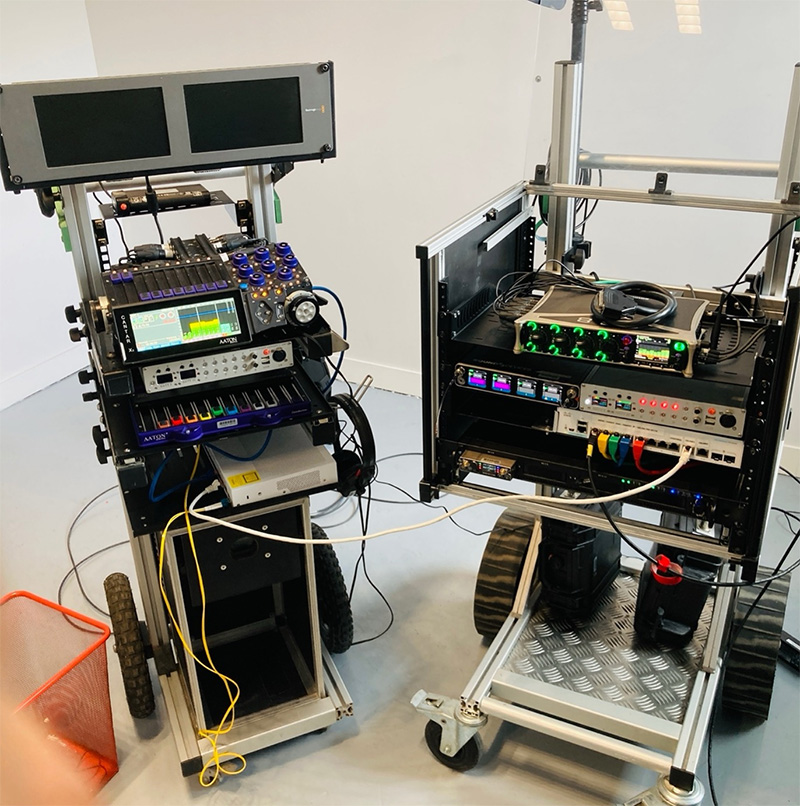 Stéphane Bucher, with an extensive history hand in hand with the production company of Luc Besson and experience in other Hollywood feature films such as The Last Duel o Napoleon, was commissioned to Ridley Scott to shape the sound of Gladiator II, a mammoth action and conspiracy film set in the Roman Empire. The eight chambers simultaneous images in charge of capturing the 12 great battles of the film show the technical complexity of a shoot that did not skimp on production resources.
To address sound capture, Bucher made the decision to go for a fiber network and the use of Dante to be able to operate sound management at a distance of more than 300 metros. On rig on set he was nicknamed Maximus, in honor of the protagonist of the first film Gladiator, and contained all the wireless microphone receivers, boom microphones and a recorder back-up.
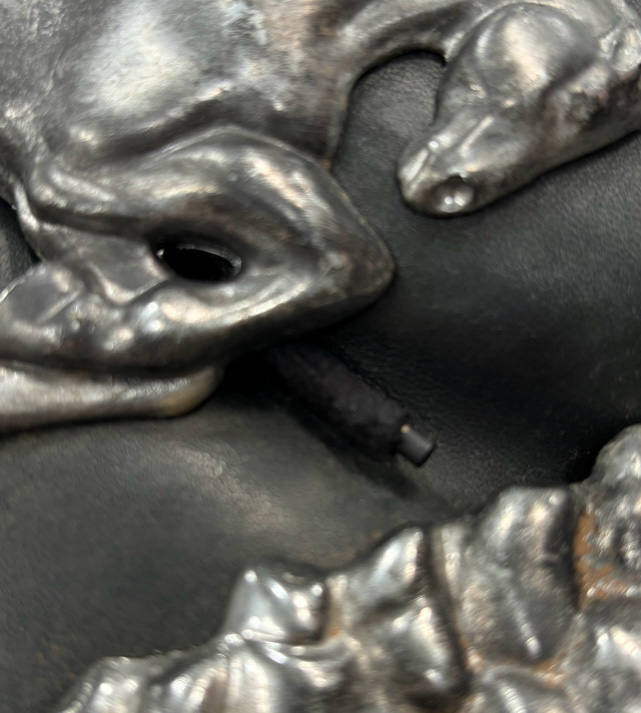
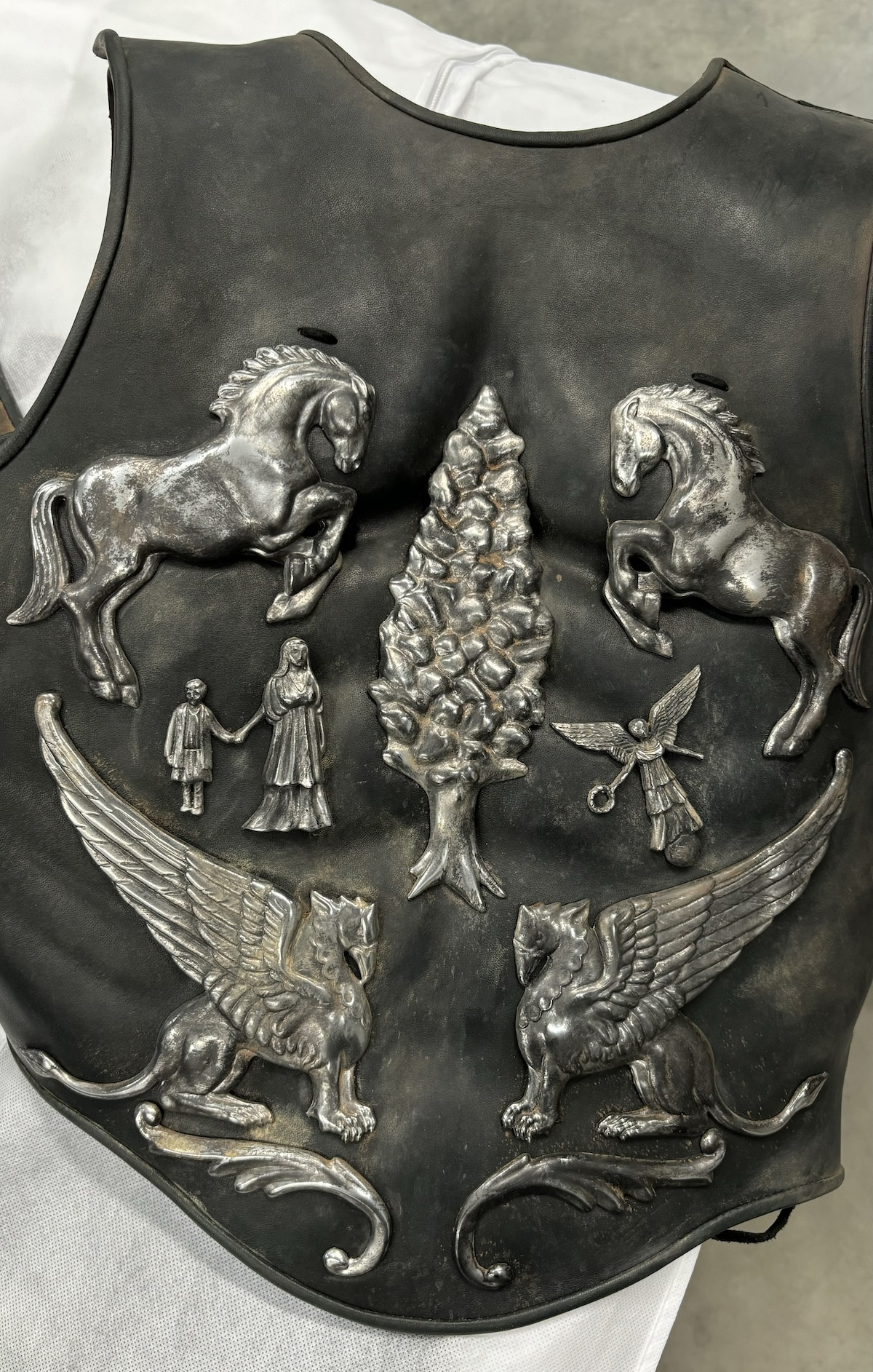 In order to capture the voice of the interpreters, the engineer opted for solutions from microfonía de DPA. La herramienta escogida, un micrófono en miniatura DPA 6061 con antivientos URSA Plush Sleeves, se ocultó en el minúsculo caballo metalizado de la armadura del personaje interpretado por Paul Mescal. En circunstancias normales, se habría empleado un sistema boom tradicional, pero las ocho cámaras en juego hacían que no existiera ángulo desde el cual se podría haber captado el sonido de la forma tradicional.
 "To give an example of the deployment of this solution, there is a sequence in the film that clearly illustrates the need for this type of tool: the moment when General Acacius (Pedro Pascal) returns victorious from the battle of Numidia. Well, this sequence was filmed in a single shot with 8 cameras placed along the entire 300-meter route. We had to install the Maximus with the first pair of antennas in the middle of the route, and then the RF over fiber system with the second pair of antennas near the arrival point. Thanks to the reception rack. Wisycom MRK16, pude controlar las distintas zonas y obtener una buena señal de recepción de los micrófonos inalámbricos”, explica Bucher.
https://youtu.be/HCjuv9STNps
Did you like this article?
Subscribe to our NEWSLETTER and you won't miss anything.
Related articles
 The Avit Group deploys Marshall Electronics miniature cameras in eSports, motor sports environments...
 Proton introduce 4K en sus cámaras en miniatura
 Wisycom lanza el transmisor en miniatura MTP61, parte de gama Symphony
 Marshall lanzará en ISE la nueva generación de cámaras miniatura 4K
 Camera Corps estrena sus primeras cámaras en miniatura de alto frame rate
 Treinta y ocho cámaras de Intel permitirán por vez primera seguir el Clásico Barça-Madrid con repeticiones en 360º
 Setemedia launches an HD mobile unit with eight cameras
 ¿Qué cámaras se emplearon en el rodaje de las películas más nominadas a los Oscars?
 Eurocom entrega una unidad móvil HD de ocho cámaras en el Caribe
 Gearhouse equipa sus nuevas móviles de ocho cámaras con Harris Broadcast
 Espectacular rodaje en 4K con drones y cámaras JVC sobre Marsella
 Eurocom entrega una unidad móvil de ocho cámaras HD a Medialan
 Los noticieros de Antena 3 utilizan los micros miniatura de DPA
 Polecam Microwhite, iluminación LED para cámaras en miniatura