





The evolution of DTT towards UHD: a day of unity with great challenges on the horizon
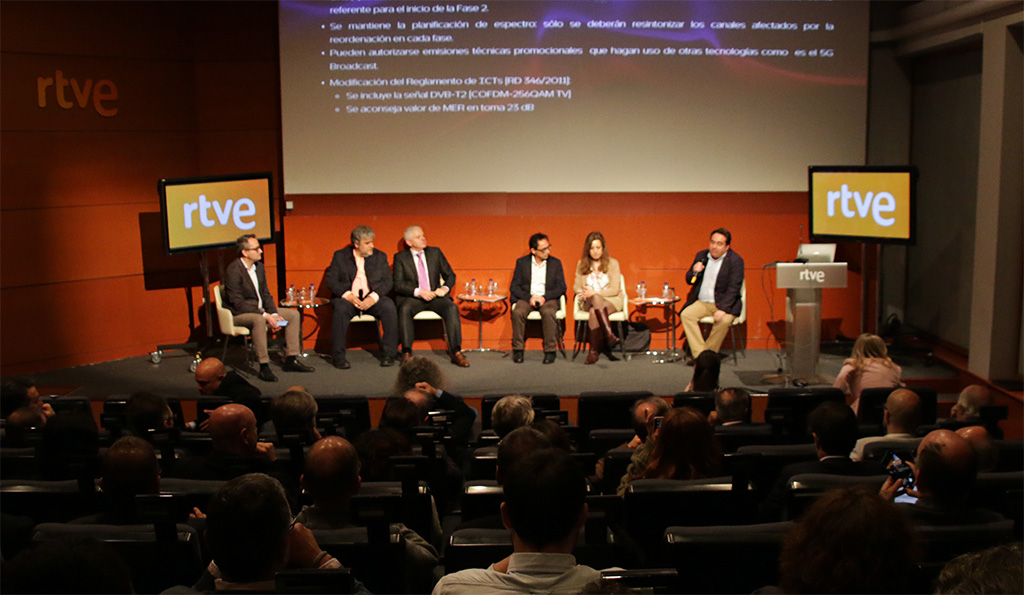
RTVE y UHD Spain organizan “Evolución de la TDT a la Ultra Alta Definición”, una serie de ponencias con representación de broadcasters como RTVE, CRTVG y CCMA, y aportaciones del sector público (Ministerio para la Transformación Digital y de la Función Pública) y privado (Cellnex Telecom) en las que se ha adelantado la hoja de ruta que llevará a la industria española a volver a posicionarse como referencia mundial en términos de apuesta por la televisión digital y la innovación tecnológica.
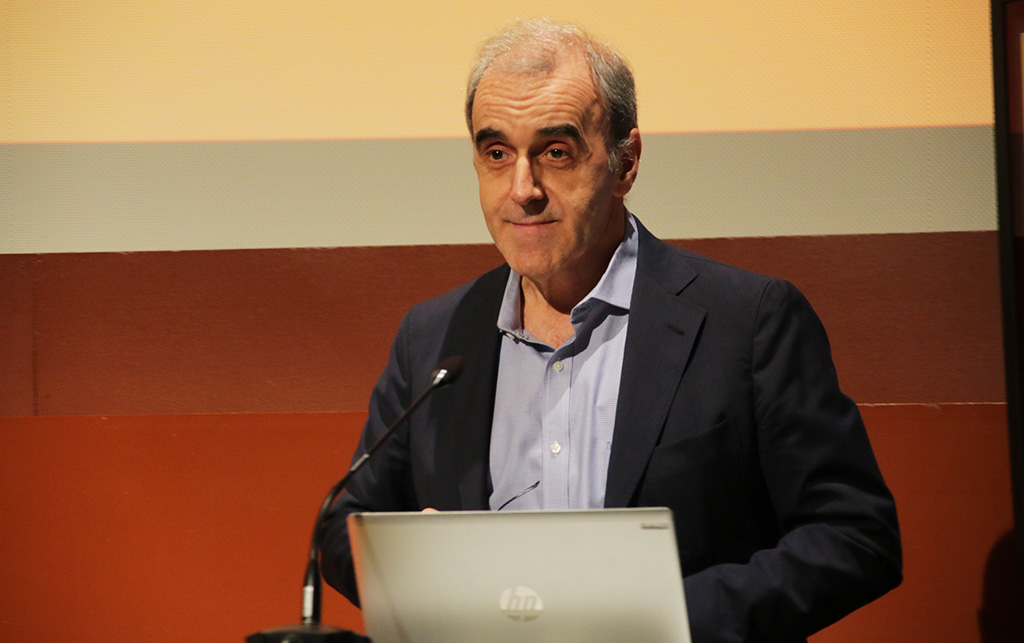
Roberto Lakidain (Director de desarrollo corporativo y servicio público de RTVE)
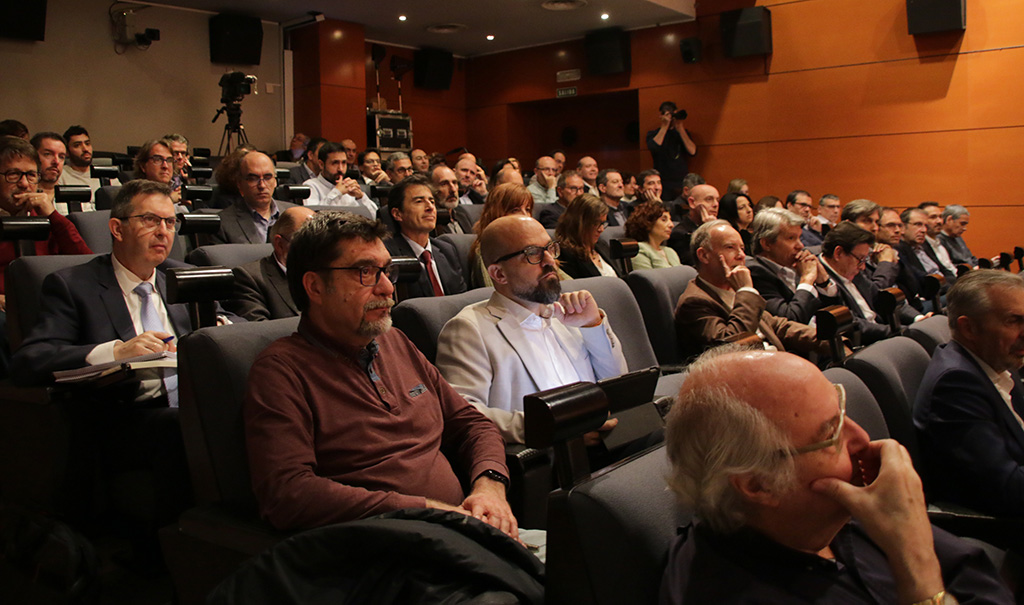
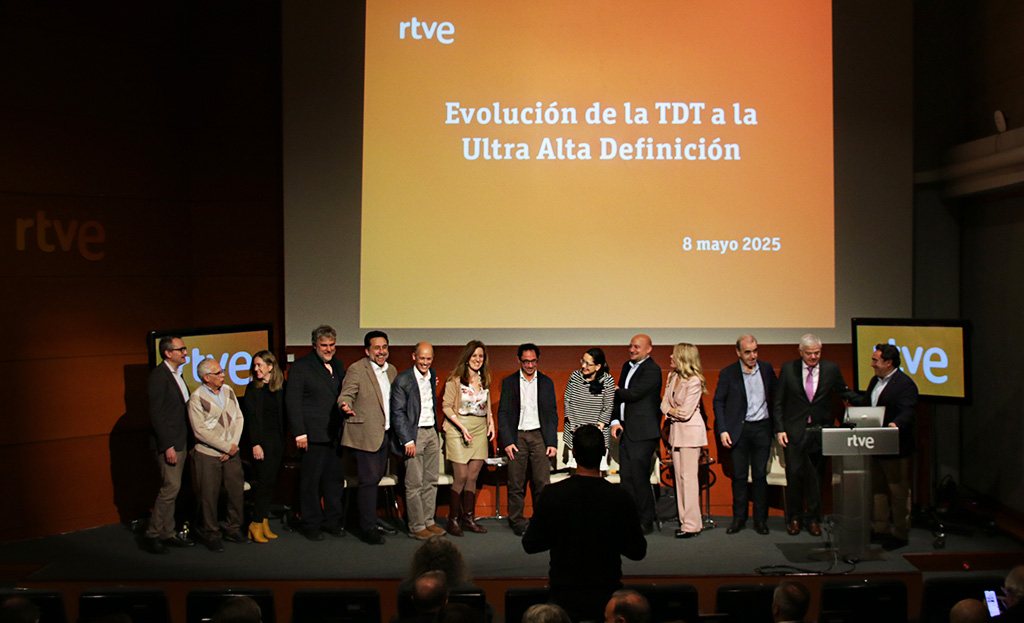
El auditorio de Prado del Rey (RTVE) ha acogido a decenas de representantes de la industria broadcast española en un evento más centrado en la unidad que en el debate, la reflexión o la presentación de grandes novedades. A lo largo de las distintas ponencias, se han presentado las claves del nuevo Plan Técnico Nacional de TDT, se ha repasado el camino de RTVE en el terreno de la UHD y se ha defendido la vanguardia tecnológica como medio para defender el valor del public service ante un contexto de desinformación, una capacidad creciente de influencia en las decisiones políticas de las grandes corporaciones tecnológicas y, en definitiva, la necesidad de ocupar “trincheras de resistencia” para “cuidar la democracia”.
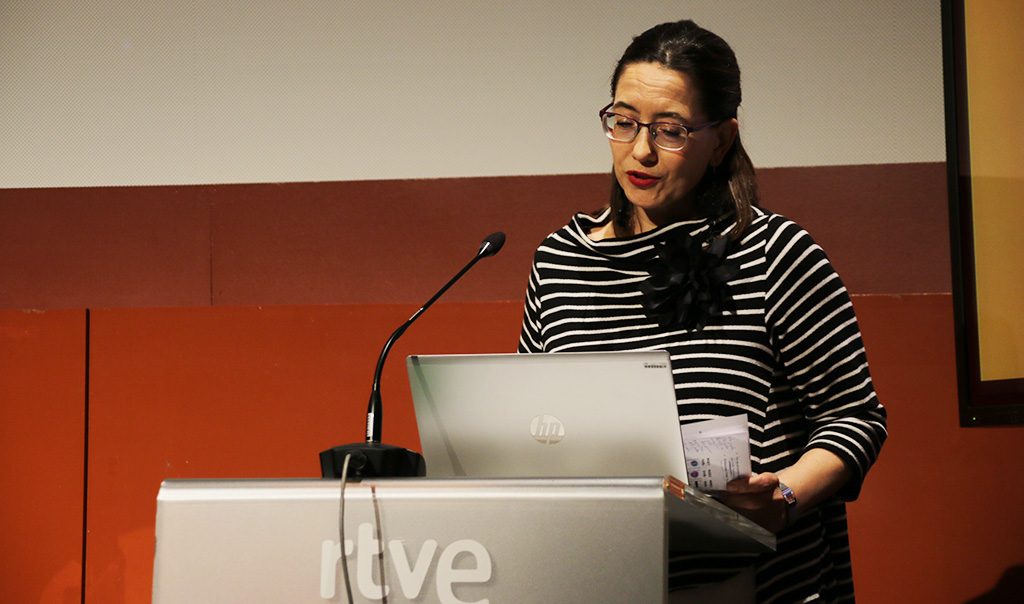
Julia Criado (Subdirectora general de planificación y gestión del espectro radioeléctrico. Ministerio para la Transformación Digital y de la Función Pública)
Precisamente, esta reflexión ha vertebrado la intervención inaugural de Roberto Lakidain. En su ponencia, el director de desarrollo corporativo y servicio público de RTVE ha aportado una interesante defensa de la TDT frente a los intereses de IP y operadores privados. Para ello, defender el acceso público de la televisión digital se muestra como una herramienta clave frente a la proliferación de discursos en contra de la democracia, impulsados por canales digitales cada vez más sesgados. “Ayudadnos”, se dirigió a los ingenieros presentes en el auditorio, instando a que los esfuerzos de desarrollo permitan llevar la vanguardia a los medios públicos, ayudándoles en el proceso a defender su relevancia.
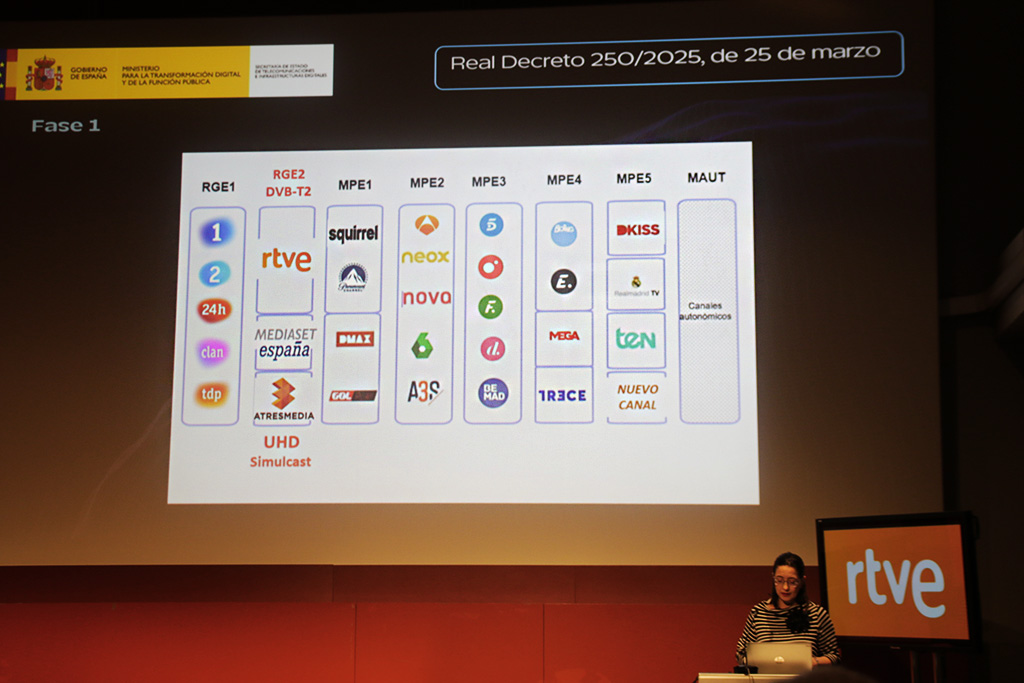 A continuación, Julia Criado, subdirectora general de planificación y gestión del espectro radioeléctrico (Ministerio para la Transformación Digital y de la Función Pública), repasó el nuevo plan técnico nacional de TDT, cuyas líneas maestras están recogidas en este artículo. Subrayando las capacidades de codificación y modulación del DVB-T2, explicó una visión de futuro, sin plazos definidos más allá de que se cuente con un parque de receptores DVB-T2 de al menos el 95%, en la que todos los canales de la TDT pasarían a emitir en UHD. A la espera queda la actualización de los catálogos de muchos canales temáticos, dependiente en una gran medida del escalado de resoluciones, o la adaptación de medios de producción en UHD, una labor que la propia RTVE reconoce que todavía no ha completado.
La apuesta por la UHD en las televisiones públicas
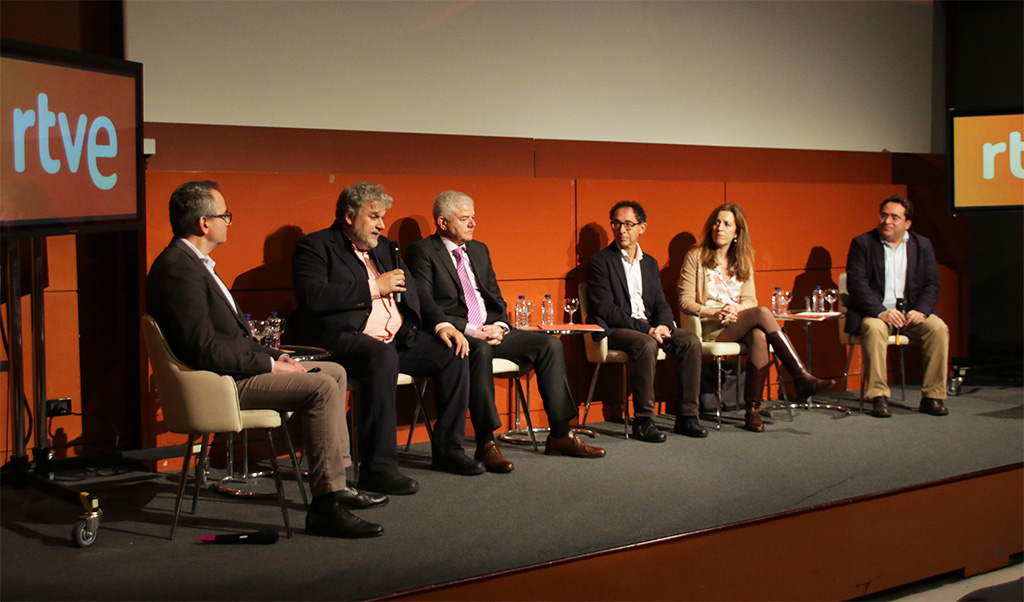
Uno de los mayores atractivos de la jornada fue una mesa redonda moderada por Javier Sanchez, director de políticas audiovisuales y servicio público de RTVE, en la que participaron Jesus Garcia, director del área técnica de televisión de TVE; Sara Gonzalez, directora del área de soporte tecnológico y medios de CRTVG; Toni Roig, director de operaciones de CCMA; David Jiménez Bermejo, investigador GATV de la ETSIT (Cátedra de RTVE en la UPM), y Ramon Salat, strategic growth opportunities director de Cellnex Telecom. Sin apenas intervenciones cruzadas, los diferentes representantes presentaron su visión sobre el desarrollo de la UHD hasta la fecha, así como expusieron su situación actual.
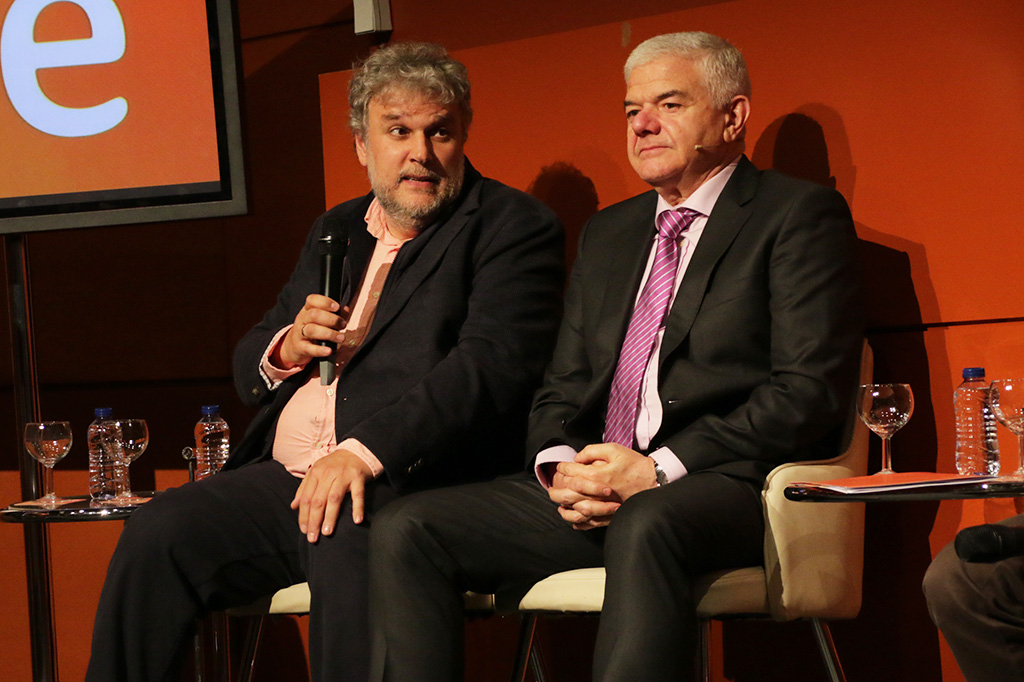
David Jiménez (Investigador GATV de la ETSIT. Cátedra de RTVE en la UPM) y Jesús García (Director del área técnica de televisión de TVE).
En estos términos, García repasó las progresivas implementaciones de la UHD en RTVE, inicialmente en fase de pruebas hasta pasar a emisiones en simulcast, acompañado siempre de grandes hitos deportivos como la reciente emisión de los Juegos Olímpicos de París 2024. En el proceso, el director del área técnica de televisión de TVE expresó no solo la dificultad de trasladar todas las fases de producción y emisión a la ultra alta definición, sino de realizar y ofertar pliegos y licitaciones para hacer frente a estas nuevas necesidades. “Fue un doble salto mortal”, remarcó sobre el proceso de generar la infraestructura necesaria para gestionar en UHD y en IP la emisión de los Juegos Olímpicos desde Torrespaña. Sobre el futuro más cercano, García y su equipo trabajan en llevar el UHD a dos nuevos estudios en Sant Cugat y uno en Torrespaña, así como en la creación de una nueva unidad móvil para seguir potenciando la creación de contenidos en UHD en toda la casa.
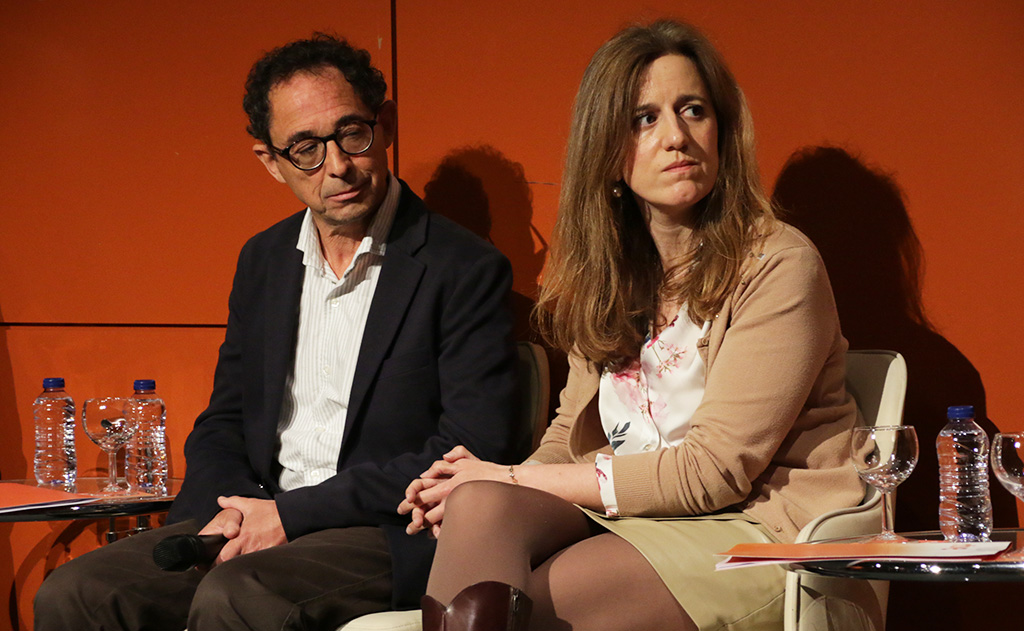
Toni Roig (Director de operaciones de CCMA) y Sara González (Directora del área de soporte tecnológico y medios de CRTVG)
Desde la perspectiva de las televisiones autonómicas, Sara Gonzalez trasladó el caso de éxito de CRTVG, que se convirtió en la primera televisión autonómica en iniciar sus emisiones en UHD aprovechando el múltiplex reservado para ello. “Estamos bastante contentos con el resultado, por la definición que ofrece y el procesado de la curva HLG”, ha comentado, anticipando que en una segunda fase busca consolidar la “grabación y reproducción de contenidos en 4K”. Por otro lado, Toni Roig de CCMA, corporación que ya ha anunciado su intención de iniciar emisiones UHD antes de finales de año, anuncia que ya se encuentran “preparados” para comenzar la transición, aunque todavía quedan tareas pendientes como aumentar la capacidad de producción en UHD y consolidar todas las dimensiones de esta tecnología: “Existen retos tecnológicos, operativos, de flujos y procesos…”
 El investigador David Jiménez aprovechó la ocasión para reivindicar cómo las emisiones experimentales realizadas en el marco de la cátedra de RTVE han logrado traducirse en las emisiones que hoy en día pueden disfrutar los espectadores desde su casa. En la actualidad, la UPM se centra en seguir explorando las posibilidades de escalado y conversión de formato, así como las posibilidades de añadir conversión dinámica en el mundo HDR. Por su parte, Salat de Cellnex Teleco confirmó que la empresa busca llevar la compatibilidad del 80% de sus torres a tecnología DVB-T2 antes de verano.
Colaboración para consolidar la UHD
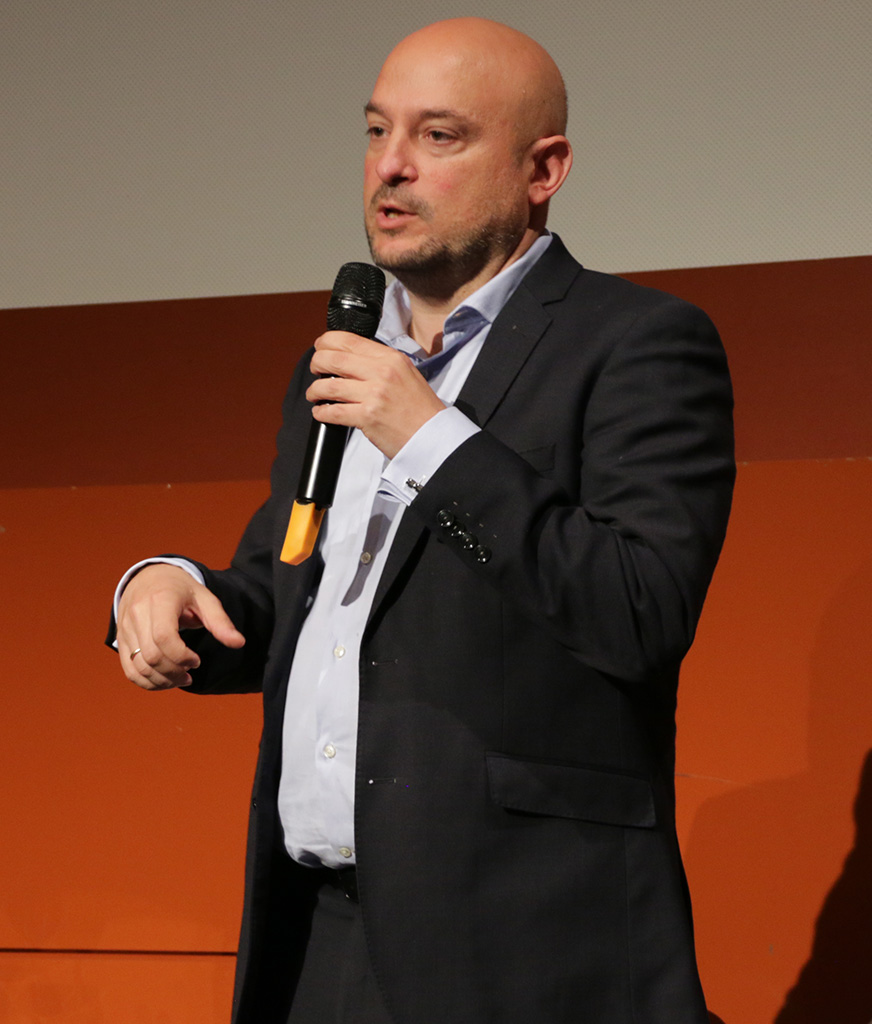
Víctor Sánchez (Director de medios y operaciones de RTVE. Presidente de UHD Spain)
Victor Sanchez, director de medios y operaciones de RTVE, y Xavi Redón, product manager de Cellnex Telecom, en calidad de presidente y vicepresidente de UHD Spain, subieron brevemente a la palestra del auditorio de Prado del Rey para ofrecer al sector el múltiplex experimental y así seguir favoreciendo, colaboración mediante, la consolidación de la UHD en España. “Estamos en una amplia calidad y eficiencia espectral que permite que compitamos en otras plataformas”, explicó García, poniendo en valor cómo los esfuerzos combinados y canalizados a través de la asociación han permitido que el sector camine “unido” en el terreno de la ultra alta definición. Redón, sumándose a la reflexión de su compañero, remarcó que es necesario seguir siendo competitivos en el actual mercado audiovisual, “y, para ser competitivos, hay que subir la calidad”.
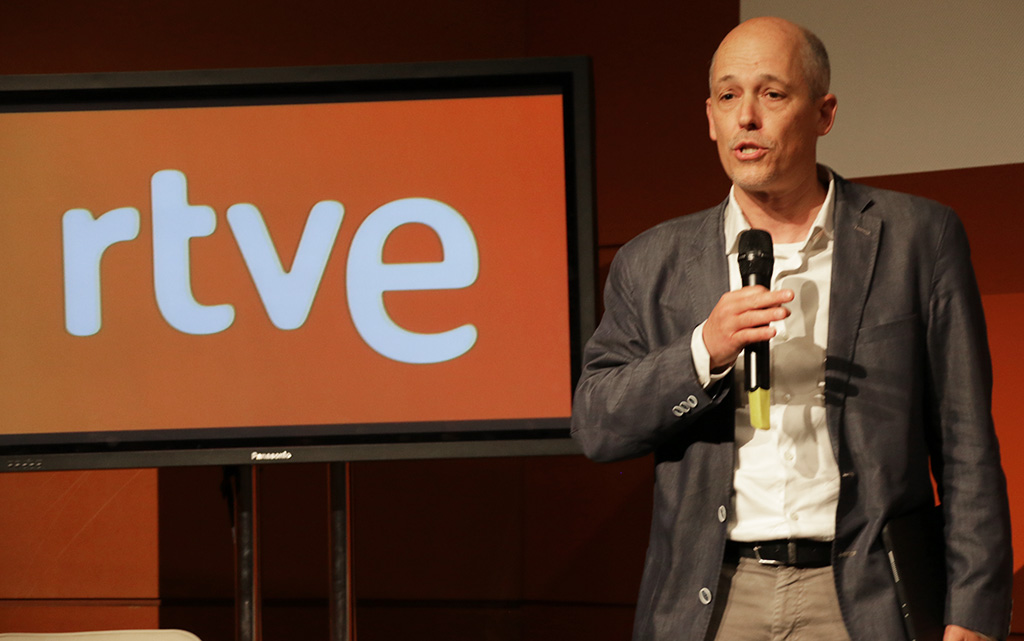
Xavi Redón (Product manager de Cellnex Telecom. Vicepresidente de UHD Spain)
La jornada finalizó con la intervención de Javier Sanchez, director de políticas audiovisuales y servicio público de RTVE, quien hizo una defensa del servicio público a través de las vías de emisión broadcast. “No significa que despreciemos el mundo de Internet, pero donde tenemos que hacernos fuertes es donde ya somos”, comentó, reivindicando cómo Europa ha sabido beneficiarse de la aplicación conjunta de normas armonizadas, como DVB T2: “Creemos en mercados horizontales, para todos y en abierto”. En un mundo de gatekeepers e intereses cruzados, en el que nada está asegurado ante una convergencia digital todavía en definición, la TDT puede seguir siendo una tabla de salvación para garantizar el acceso a la información de los espectadores: “Dentro de un futuro que nadie sabe cómo será, tenemos que hacer apuestas. Como sector, hemos apostado por un mismo futuro”.
Did you like this article?
Subscribe to our NEWSLETTER and you won't miss anything.
Related articles
 SNRT prepares for its next big sporting events with a new UHD mobile unit
 The environmental challenges faced by large sports audiovisual productions
 Adam Hall: 50 years of history with big changes on the horizon
 The Television Academy will address the challenges of the audiovisual industry in the era of AI through a conference
 Technological evolution and the new challenges of audiovisual assembly
 The four great technical challenges of the visual effects of 'La Fortuna' (Movistar+)
 Harmonic expands the horizon of live video
 TAI, ASEDA y AISGE organizan una jornada sobre los retos jurídicos ante el nuevo panorama televisivo
 RTVE and Brainstorm participate in the Visualmedia project of the European Horizon 2020 program
 RTVE and Brainstorm participate in the EU Research and Innovation Program Horizon 2020
 4K, a natural evolution for the production and broadcast industry
 Radio 2.0 Conference: towards a new mobile, interactive, social and personalized radio
 New challenges in an industry in continuous evolution
 Eurocom delves into the keys to HD in a technical day