





RTVE and Minoría Absoluta reveal 'The secret files of the NO-DO'
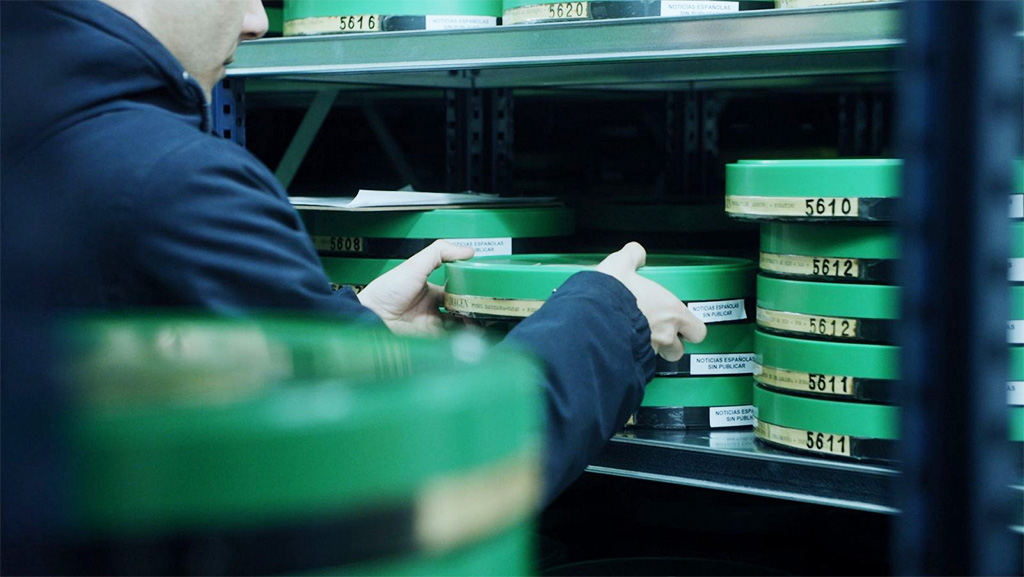
Absolute Minority, productora especializada en documentales históricos con imágenes de archivo, se une a RTVE para producir la nueva serie documental ‘Los archivos secretos del NO-DO’, un formato basado en una exhaustiva investigación en torno a más de 6.000 latas de películas “nunca abiertas y escondidas durante décadas”.
En los almacenes de la Filmoteca Española existen más de 6.000 latas con películas que el NO-DO, el noticiario franquista, rodó y que no vieron la luz. RTVE ha tenido acceso a esos archivos para explorar qué contienen todas estas latas que se cerraron sin que su contenido llegase a los cines españoles y que serán descubiertas en la nueva serie documental Los archivos secretos del NO-DO.
La serie aúna imágenes inéditas junto a fragmentos ya proyectados en su momento en las salas de cine de España. Todo ello, acompañado de los razonamientos de expertos que pueden dar una explicación del porqué de este ostracismo. A través de seis episodios, esta serie documental coproducida por Absolute Minority quiere sacar a la luz de forma amena y distendida los secretos del NO-DO, a la vez que ha ayudado a restaurar todo este material fílmico que permanecía en el olvido.
De las más de 6.000 latas encontradas en la Filmoteca Española, se han abierto y conservado 400, en una producción que ha mantenido casi un año trabajando a un equipo de cinco personas. Gracias a la digitalización y conservación de cada una de las latas, la Filmoteca Española cuenta con un fondo de uso público renovado y preservado para la posteridad.
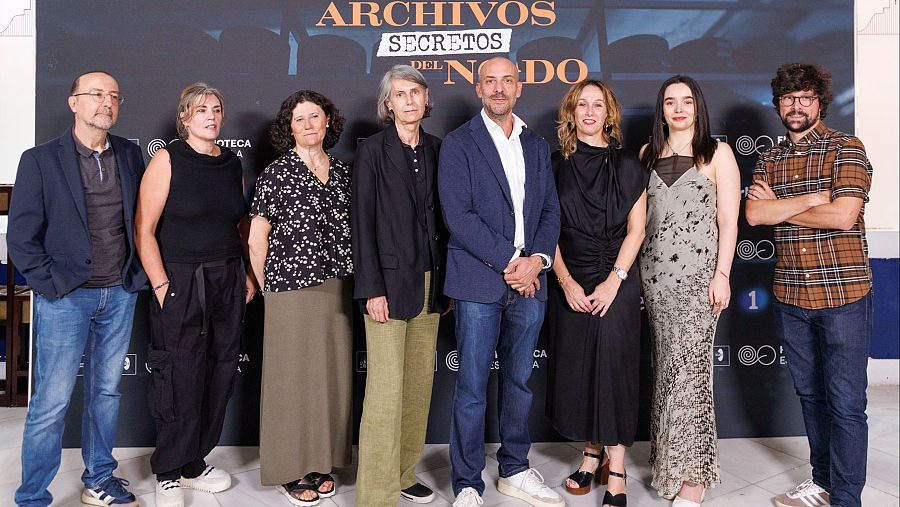 He Cine Doré of Filmoteca Española acogió la presentación y la proyección del primer capítulo de la serie, seguidas de una mesa redonda en la que participaron Virginia Bazán, directora del Archivo RTVE; Marián del Egido, directora del Centro de Conservación y Restauración de la Filmoteca Nacional; Manel Lucas, guionista y asesor histórico de Minoría absoluta, y los historiadores Ana Velasco y Juan López Córcoles.
José Pastor, director de Cine y Ficción de RTVE, condujo el acto y señaló que el proyecto “cumple perfectamente con los criterios de servicio público que debe tener esta televisión”. Virginia Bazán coincidió con esta idea al destacar que “esta producción es un claro ejemplo de la importancia de cuidar nuestro patrimonio audiovisual”. Marián del Egido agradeció a RTVE su colaboración en la labor de “restaurar y digitalizar mucho material que va a llegar a la gente a través de la televisión, a través de sus hogares”. Manel Lucas ahondó en el tono desenfadado y cercano de este proyecto. “Desde el primer momento pensamos que queríamos darle este tono de entretenimiento, sin perder el rigor. Fue un ensayo-error, vimos que funcionaba y a RTVE le encajó”, ha afirmado. Y, por último, Ana Velasco destacó que “vivimos en un mundo que depende del pasado de forma directa y este programa es una forma de acercarnos al ayer y al hoy”, mientras que para Juan López Córcoles, el proyecto permite “conocer la realidad a través de la cara B, de lo que no se quiso contar”.
Did you like this article?
Subscribe to our NEWSLETTER and you won't miss anything.
Related articles
 Non-fiction, absolute leader of production in Spain during the last five years
 Iberseries and Platino Industria reveal the projects selected for their Co-production Forum
 Los candidatos a la presidencia de la Academia de Cine desvelan sus programas: integración, igualdad, diversidad…
 Los líderes de Ultra HD Forum, UHD Alliance y 8K Association desvelan el futuro del UHD
 Ciudad de Madrid Film Office y EGEDA desvelan los ganadores de la 3ª edición de #MiMadridDeCine
 Filmarket Hub y el Festival de Sitges desvelan los proyectos para la nueva edición virtual de Sitges Pitchbox
 Absolute Minority, I Watch TV, Discovery Networks and Filmoteca give color to the Civil War
 Los hijos de Paco de Lucía desvelan al guitarrista más íntimo
 José Antonio Sánchez, elegido presidente de RTVE con la mayoría absoluta del PP
 The Secrets, for the first time in 3D
 Tangram Solutions and Adobe Systems Ibérica reveal all the possibilities of Adobe Production Premium CS6
 Microfonía inalámbrica de Shure: versatilidad absoluta
 Tedial actualiza su sistema de gestión integrada de archivos digitales MPM
 The secrets of Ferrán Adrià through Panasonic cameras